
If you’re one of the many people who have fallen in love with Chinese geese, then you know just how rewarding it can be to raise these beautiful birds in your own backyard. But caring for Chinese geese requires more than just a soft spot for their adorable honks – it demands attention to detail and a willingness to learn about their specific needs.
In this comprehensive guide, we’ll walk you through the essential aspects of caring for your Chinese geese, from providing them with the right housing and nutrition to maintaining their health and happiness throughout the year. Whether you’re a seasoned goose owner or just starting out, our expert tips will cover everything from habitat preparation and seasonal care to handling and socialization techniques. By following these simple yet crucial steps, you’ll be well on your way to creating a happy and healthy flock that will bring joy to your family for years to come.
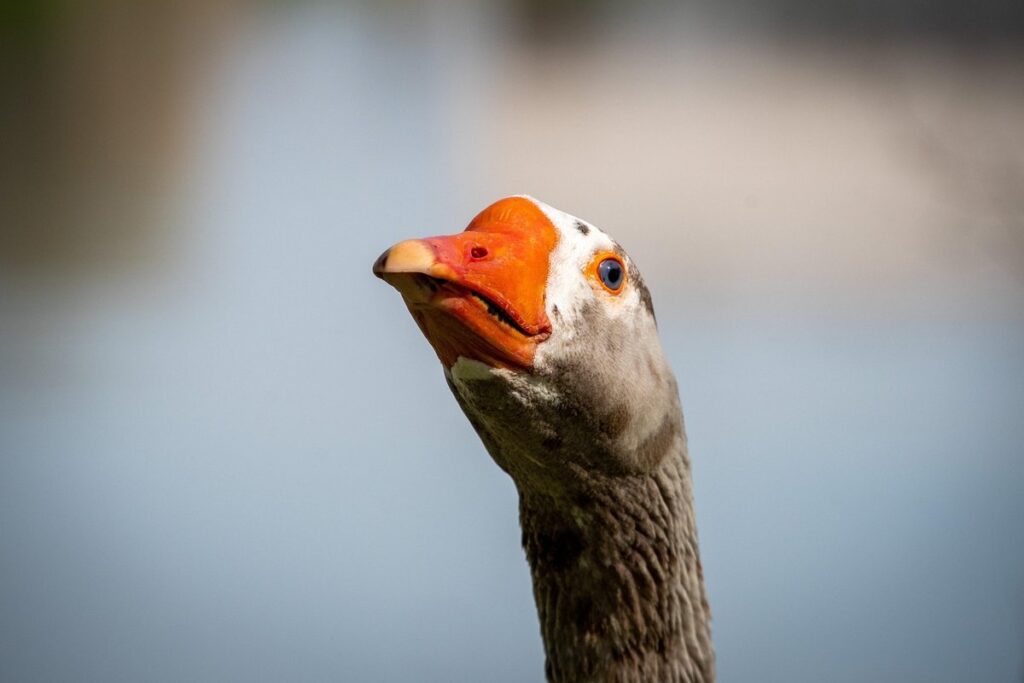
Understanding Chinese Geese as Pets
Before bringing home a Chinese goose, it’s essential to understand their temperament and needs to ensure they thrive in your backyard. Let’s explore what makes them unique companions.
Choosing the Right Breed
When it comes to choosing the right Chinese goose breed for backyard care, there are several factors to consider. With over 50 recognized breeds, selecting one that suits your lifestyle and environment is crucial. Let’s start with some popular breeds: Toulouse, Embden, and Shanghai.
Toulouse geese are known for their gentle nature, making them an excellent choice for families with children or for those who want a laid-back companion. They’re relatively small in size, weighing around 15-20 pounds, and require moderate space to roam.
On the other hand, Embden geese are larger, weighing up to 25 pounds, and have a more assertive temperament. They’re highly social and require regular interaction with their owners, making them ideal for those who can devote time to training and bonding.
Shanghai geese are another popular breed, recognized for their striking appearance and friendly demeanor. However, they tend to be more vocal than other breeds, which might not suit every homeowner’s preferences.
Before choosing a breed, consider your living situation, the amount of space you have available, and your family dynamics. Some breeds require regular exercise, while others are content with smaller enclosures. Researching the specific needs of each breed will help you make an informed decision and ensure a happy, healthy companion for years to come.
Keep in mind that most Chinese geese breeds are omnivores and require a balanced diet rich in fruits, vegetables, and protein sources. Regular veterinary check-ups are also essential to maintain their health and prevent potential issues.
Space and Housing Requirements
When it comes to keeping Chinese geese as pets, providing ample space for them to roam and exercise is crucial. These birds are social animals that thrive on movement and interaction with their environment. To keep them happy and healthy, you’ll need to create a suitable enclosure that meets their physical and behavioral needs.
A minimum enclosure size of 10 feet by 20 feet (2,500 square feet) per pair of geese is recommended. However, larger spaces are always better, as they provide room for the birds to exercise, forage, and engage in natural behaviors like swimming and flying. Make sure your enclosure includes a sturdy fence that’s at least 3-4 feet high to prevent escape attempts.
In addition to physical space, Chinese geese also require shelter from extreme weather conditions, predators, and other environmental stressors. Provide a secure coop or barn with adequate ventilation, insulation, and predator-proofing measures. Ensure the enclosure is well-drained to prevent waterlogging and maintain good hygiene standards. With proper planning and setup, you can create a safe and happy home for your Chinese geese.
Nutrition and Feeding Essentials
When it comes to Chinese geese, proper nutrition is crucial for their growth and overall health. Providing a balanced diet will help ensure your feathered friends thrive in their backyard home.
Balanced Diet and Nutrition
A balanced diet is crucial for Chinese geese to maintain their health and well-being. Commercial feed should be at least 16% protein and contain essential nutrients like calcium and phosphorus for strong bones. However, relying solely on commercial feed can lead to nutritional deficiencies over time.
To ensure your Chinese geese receive a varied diet, consider supplementing with fresh produce. Leafy greens like kale and spinach are rich in iron and other minerals, while fruits like berries provide essential vitamins and antioxidants. Treats like sunflower seeds and mealworms offer a boost of protein and energy.
It’s also essential to provide access to clean water at all times. A general rule of thumb is to provide one ounce of water per pound of body weight daily. Aim for about 10-15% of their diet to come from supplements and fresh produce. Monitor your geese’s health closely, adjusting their diet accordingly.
Water Quality and Hydration
Providing clean water and ensuring proper hydration are essential aspects of Chinese goose backyard care. A significant threat to these birds is contamination, which can be caused by a variety of factors including dirty feeders, poor drainage, and bacterial growth. Regularly changing the water and feeding it through a filter can prevent bacterial contamination. It’s also crucial to check for algae growth, as this can produce toxins that harm the geese.
Maintaining proper hydration levels is equally important for Chinese geese. Ensure they have access to clean drinking water at all times. A general rule of thumb is to provide 1-2 ounces of water per pound of body weight daily. You should also consider providing a shallow water source, such as a birdbath or kiddie pool, where the geese can splash and play.
When introducing new feeders or water sources, make sure they are thoroughly cleaned before use. Regularly inspect your feeding and watering areas for signs of contamination and take corrective action promptly.
Health Care and First Aid
As you care for your Chinese goose, it’s essential to know how to provide basic health care and emergency first aid, including recognizing common illnesses and injuries. This knowledge will keep your feathered friend safe and healthy.
Preventative Measures
As you care for your Chinese geese, it’s essential to be aware of common health issues that may arise. Respiratory problems are a prevalent issue among domesticated geese. These can range from mild colds to more severe conditions like pneumonia. To prevent respiratory issues, ensure your geese have adequate space and ventilation in their enclosure. You should also provide a balanced diet rich in nutrients and vitamin C to boost their immune system.
In addition to these measures, consider providing your geese with access to clean water at all times. Change the water frequently to prevent bacterial growth, which can exacerbate respiratory problems. Regular cleaning of the enclosure is also crucial in preventing the spread of diseases.
It’s equally important to monitor your geese regularly for signs of illness. Be aware of changes in their behavior, appetite, and droppings. If you notice any unusual symptoms or behaviors, consult a veterinarian experienced in caring for waterfowl as soon as possible.
Recognizing and Treating Illnesses
As you care for your Chinese geese, it’s essential to be aware of potential health issues that can arise. Regular observation is key to recognizing signs of illness in these birds. Look out for changes in appetite, behavior, or physical appearance, such as labored breathing, lethargy, or discharge from the eyes or nostrils.
Diagnosing illnesses in Chinese geese requires a keen eye and knowledge of common health issues. For example, respiratory problems can be caused by bacteria like E. coli or Pasteurella. If you suspect your goose is ill, consult with a veterinarian experienced in avian care as soon as possible.
Basic first aid treatments include providing a safe environment for recovery, offering electrolyte-rich fluids to prevent dehydration, and ensuring adequate ventilation. You can also try administering over-the-counter medications like antibiotics or anti-inflammatories under the guidance of your vet.
In addition to these measures, maintain good hygiene around your goose’s living space to prevent the spread of disease. Regular cleaning and disinfection of feeders, waterers, and enclosures are crucial in keeping your flock healthy.
Habitat and Environment
When it comes to caring for Chinese geese, their habitat and environment play a crucial role in their overall health and well-being. Let’s dive into what makes a great home for your feathered friends.
Providing a Safe Environment
When it comes to providing a safe environment for your Chinese geese, there are several essential elements to consider. Firstly, predator protection is crucial to prevent the loss of your beloved birds. To achieve this, you’ll need to take measures to safeguard their enclosure from potential threats such as coyotes, foxes, and hawks.
A secure fence surrounding the enclosure is a must-have. The height and material of the fence will depend on the type of predators in your area. For example, if you live near an urban area with minimal wildlife, a 3-foot high fence made of sturdy wood or metal may suffice. However, if you’re dealing with more aggressive predators like coyotes or foxes, you’ll need to invest in a taller and more robust fence.
In addition to a secure fence, it’s also essential to ensure that the enclosure is escape-proof. Chinese geese are intelligent birds and can be quite skilled at finding ways out of their enclosures if they’re not properly secured. Consider adding hardware cloth or chicken wire around any weak points in the fencing to prevent them from escaping.
By taking these simple steps, you’ll be able to create a safe environment for your Chinese geese to thrive. Remember to always inspect and maintain the enclosure regularly to ensure that it remains secure and predator-proof. With proper care and attention, your feathered friends will enjoy a happy and healthy life in their backyard home.
Creating a Geese-Friendly Yard
Creating a geese-friendly yard is essential for happy and healthy Chinese Geese. When designing your backyard, consider incorporating plants that are safe for your geese to graze on. Some examples of goose-safe plants include grasses like buffalo grass or blue grama grass, as well as leafy greens such as clover and alfalfa. These plants will not only provide a nutritious snack for your geese but also help maintain a lush, green lawn.
A water feature is another crucial element to consider when creating a geese-friendly yard. Geese need access to clean, fresh water at all times, and a small pond or pool can be an attractive addition to your backyard. When designing the water feature, make sure it’s deep enough for your geese to swim in comfortably (at least 2-3 feet deep) and has a gentle slope to prevent injury.
Remember to avoid using plants with thorns or toxic chemicals around your yard, as these can harm your geese if ingested. By incorporating goose-safe plants and designing a water feature that meets their needs, you’ll be well on your way to creating a happy and healthy environment for your Chinese Geese.
Handling and Training Basics
When it comes to caring for Chinese Geese, understanding how to handle and train them is crucial for a harmonious backyard experience. This guide will walk you through the essential basics of handling and training your new feathered friends.
Basic Care and Handling Techniques
When handling Chinese geese, it’s essential to prioritize their safety and well-being. To do this, you’ll want to use proper grasping techniques that avoid injuring their wings or necks. Hold the goose firmly but gently, supporting its body and keeping a secure grip on its legs.
During molting season, be extra cautious when handling your Chinese geese. Their stress levels can increase significantly during this time, making them more prone to aggressive behavior. If you must handle them, do so briefly and carefully, avoiding any unnecessary disturbance or restraint.
If your goose exhibits aggressive behavior, such as hissing, spitting, or attacking, it’s crucial to address the issue promptly. This could be due to various factors like lack of space, inadequate diet, or insufficient social interaction. Observe their behavior closely and make adjustments accordingly. For example, providing a spacious enclosure or introducing compatible waterfowl companions may help alleviate stress and aggression.
In general, Chinese geese are relatively calm animals when handled correctly, but it’s crucial to be mindful of their needs and boundaries.
Training Your Geese for Good Behavior
Training your Chinese geese is an essential part of their backyard care. From housebreaking to basic obedience commands and socialization, teaching your geese good behavior will make a significant difference in the quality of their lives and your own.
Geese are intelligent birds that thrive on routine and clear communication. Establishing a consistent daily schedule for feeding, exercise, and interaction will help them understand what is expected of them. When it comes to housebreaking, introduce your geese to a designated “potty area” where they can relieve themselves without soiling their living space.
Use positive reinforcement techniques such as offering treats when your geese exhibit desired behavior. For example, if you catch one in the act of going to the potty area, reward them with a treat to associate this action with a positive outcome. Socialization is also crucial for Chinese geese, allowing them to interact and form bonds with their human family members.
In terms of obedience commands, start by teaching your geese basic commands like “come” and “stay”. Use verbal cues and physical gestures to guide them towards the desired behavior. Be patient and consistent in your training efforts, as it may take time for your geese to grasp these new skills.
To further reinforce their socialization and training, involve your geese in daily activities such as walks around the yard or feeding sessions. This will help them feel more connected to you and develop trust in your guidance.
Seasonal Care and Preparation
As you prepare for the changing seasons, it’s essential to know how to care for your Chinese geese during extreme weather conditions. This includes adjusting their diet and living arrangements accordingly.
Preparing for Winter
As winter approaches, it’s essential to prepare your Chinese geese for the cold months ahead. Providing proper shelter is crucial, so make sure their coop or enclosure is well-insulated and draft-free. You can add extra bedding like straw or hay to keep them warm and dry. Consider adding a roof or canopy to protect them from harsh weather conditions.
Nutrition also plays a vital role in keeping your geese healthy during winter. Feed them high-energy foods, such as cracked corn or oats, to help maintain their body temperature. Make sure they have access to fresh water at all times, and consider using a heated watering system to prevent freezing.
In addition to shelter and nutrition, provide some form of enrichment activities to keep your geese engaged and active during the winter months. You can add some toys or puzzles to their enclosure or provide them with plenty of exercise by letting them out in a fenced area for short periods each day. This will help maintain their physical and mental health throughout the cold season.
Spring and Summer Care Tips
As spring and summer arrive, Chinese geese are at risk of heat stress, particularly if they’re not acclimated to warmer temperatures. Monitor their behavior closely – lethargy, panting, and excessive drooling can be early warning signs. Provide a shaded area or mist them regularly with water to keep them cool.
Preventing parasite infestations is also crucial during these months. Regularly inspect your geese’s feet for mites and treat them promptly if necessary. Use a fine-tooth comb or brush to remove any loose dirt, debris, or parasites from their feathers. In addition, ensure that their living quarters are clean and free of standing water, which can attract mosquitoes and other pests.
Maintain a clean feeding area to prevent the spread of diseases. Also, make sure they always have access to fresh, cool water. Consider setting up a kiddie pool filled with cold water for them to wade through on hot days – it’s an effective way to regulate their body temperature.
Conclusion: Long-Term Commitment and Joy
Now that you’ve made it through our comprehensive guide, let’s talk about what comes next for your Chinese goose – their long-term commitment to your backyard.
Embracing the Challenges and Rewards
Caring for Chinese geese requires a long-term commitment that can be both challenging and incredibly rewarding. As you embark on this journey, it’s essential to understand the demands of providing a stable environment for these magnificent birds.
First and foremost, establishing a routine is crucial. Geese are social animals and need attention daily. Set aside time each day to interact with your geese, ensuring they receive adequate exercise, feeding, and socialization. A well-planned schedule will also help you anticipate their needs during various seasons, including molting and breeding.
Molting, in particular, can be a challenging period for Chinese geese owners. During this time, geese shed their feathers, making them more vulnerable to extreme temperatures and predators. To mitigate these risks, create a sheltered area with adequate ventilation and protection from the elements.
On the flip side, there are numerous rewards that come with caring for Chinese geese. Their gentle nature and affectionate personalities make them ideal pets for families or individuals who want to form strong bonds with their feathered friends. Watching your geese grow and thrive can be a source of great joy and satisfaction.
To ensure a successful and fulfilling experience, it’s crucial to research local regulations regarding the ownership of Chinese geese. In some areas, there may be restrictions on noise levels or property damage caused by these birds. Being aware of these regulations will help you avoid potential issues down the line.
By understanding the challenges and rewards associated with caring for Chinese geese, you’ll be better equipped to make informed decisions about your long-term commitment to their well-being. With dedication, patience, and a willingness to adapt, you can create a happy and thriving environment for these incredible birds.
Frequently Asked Questions
How do I introduce new geese to my existing flock?
Introducing new geese to your existing flock can be a challenging process, but with patience and the right approach, it can be done successfully. Start by keeping the new geese separate from the rest of the flock for a few days to allow them to adjust to their new environment. Once they seem comfortable, you can gradually introduce them under close supervision. Monitor their behavior closely and intervene if necessary to prevent any conflicts.
What are some common health issues in Chinese geese?
Common health issues in Chinese geese include respiratory problems, parasites, and bacterial infections. To prevent these issues, ensure your geese have access to clean water, a balanced diet, and regular veterinary check-ups. Keep an eye out for signs of illness such as labored breathing, lethargy, or changes in appetite.
Can I keep Chinese geese with other pets?
Chinese geese can be kept with other pets, but it’s essential to introduce them slowly and under close supervision. Some animals may see the geese as a threat, while others may not understand their boundaries. Start by keeping the geese separate from your other pets for a few days to allow them to adjust.
How do I prepare my yard for Chinese geese during extreme weather conditions?
Preparing your yard for Chinese geese during extreme weather conditions requires some planning ahead of time. During hot summer months, make sure your geese have access to plenty of shade and water. In winter, provide them with a warm shelter and ensure their food and water are not frozen.
Can I raise Chinese geese in smaller spaces like balconies or patios?
While it’s possible to raise Chinese geese in smaller spaces, they do require regular exercise and space to roam. If you plan to keep your geese on a balcony or patio, make sure it’s large enough for them to move around comfortably and provide adequate shelter from the elements. Consider adding a run or enclosure to give them more space to exercise.