
Are you fascinated by birds with a hint of mystery? Look no further than Chinese goslings, one of the most intriguing species in the waterfowl family. With their striking appearance and unique characteristics, it’s easy to see why these little ones have captured the hearts of bird enthusiasts worldwide. But did you know that Chinese goslings are not just cute and fluffy – they also require specialized care and attention? In this comprehensive guide, we’ll delve into the world of Chinese goslings, exploring their distinct traits, care requirements, and conservation status. Whether you’re a seasoned bird owner or simply interested in learning more about these incredible birds, this article has everything you need to know to appreciate the majesty of Chinese goslings.
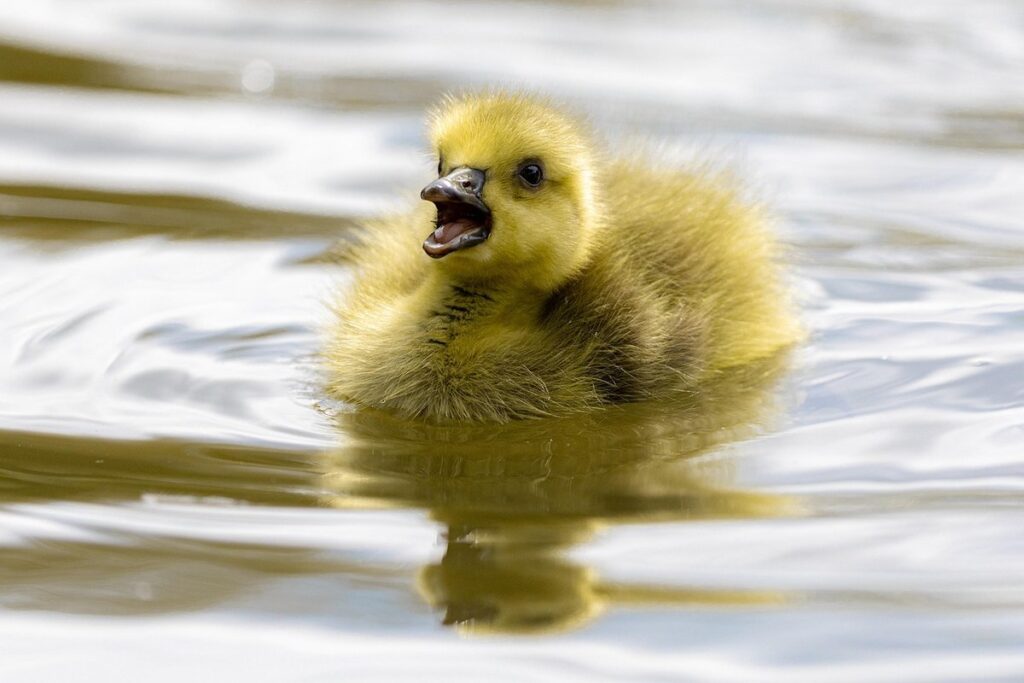
Introduction to Chinese Goslings
If you’re interested in learning more about these adorable creatures, let’s start with the basics and explore what makes Chinese goslings so unique. You’ll be delighted by their charm!
What are Chinese Goslings?
Chinese goslings are adorable and popular waterfowl that have gained a special place in many hearts. If you’re new to the world of Chinese goslings, let’s start with the basics: what exactly is a Chinese gosling?
These charming birds are native to China and have been domesticated for centuries. They originated from the Mandarin duck (Aix galericulata), which was highly prized for its beautiful feathers and melodious call. Over time, breeders selectively bred these ducks to create smaller, more compact versions with striking plumage and unique characteristics.
Chinese goslings are often confused with geese, but they belong to a different family altogether. While both birds are waterfowl, Chinese goslings have some distinct features that set them apart. They typically weigh between 3-6 pounds and stand about 12 inches tall at maturity. Their most recognizable trait is their vibrant coloring, which can range from snowy whites and soft grays to rich browns and iridescent blues.
If you’re considering bringing a Chinese gosling into your life, know that they make wonderful pets for those willing to provide the right care and attention. With proper socialization and handling, these gentle birds can become loyal companions and entertaining additions to any backyard or family.
Importance of Studying Chinese Goslings
Studying Chinese goslings is essential for several reasons. Firstly, they exhibit unique characteristics that set them apart from other waterfowl species. For instance, their iridescent feathers and ability to mimic human speech make them a fascinating subject of study. Moreover, Chinese goslings are known to form strong bonds with their parents, providing valuable insights into attachment theory and social learning.
From an ornithological perspective, studying Chinese goslings can contribute significantly to our understanding of migration patterns, habitat adaptation, and population dynamics. Researchers have observed that these young birds exhibit impressive navigational skills, with some species migrating thousands of miles each year. By studying their behavior, scientists can gain a better understanding of how waterfowl adapt to changing environments.
If you’re interested in learning more about Chinese goslings, start by observing their natural habitats and behavior. Join a local birdwatching group or participate in citizen science projects to contribute to the body of research on these remarkable birds.
Physical Characteristics and Development
At birth, Chinese goslings are surprisingly large, with fluffy down coats and distinctive orange beaks that will turn yellow as they mature. Let’s take a closer look at how these little ones develop into robust adult geese.
Growth Rate and Feeding Habits
Chinese goslings grow at an incredible rate during their first few weeks of life. In fact, they can gain up to 50% of their adult weight within the first month alone. It’s essential to provide them with a nutritious diet that meets their high energy needs.
During this critical period, Chinese goslings need to be fed a starter feed specifically formulated for waterfowl, supplemented with cracked corn and oats. You can start feeding them starter feed at around 1-2 weeks old, and gradually transition to grower feed as they reach 4-6 weeks of age.
As for their daily intake, it’s recommended to offer about 20-25% of their body weight in food per day. For example, if a gosling weighs 100 grams, you should provide around 20-25 grams of food daily. Make sure to divide the feeding into multiple sessions throughout the day to prevent overeating and maintain optimal digestive health.
Keep an eye on your goslings’ growth rate and adjust their diet accordingly. Monitor their weight, feather development, and overall health to ensure they’re receiving the necessary nutrients for healthy growth. With proper care and nutrition, Chinese goslings will thrive and develop into magnificent birds.
Plumage and Molt Patterns
As Chinese goslings mature, they undergo significant changes in their plumage patterns and molt cycles. At around 6-8 weeks old, you’ll notice the first signs of feather development, starting with the head, neck, and shoulders. The initial feathers are soft and fluffy, but as they grow, they become more defined and take on a brownish-gray color.
Between 12-16 weeks, the goslings will experience their first major molt, where old feathers fall out and new ones emerge. This is a crucial stage in their development, as it marks the transition from juvenile to adult plumage. During this time, the birds may appear dull or scruffy, but be patient – it’s a necessary process for their growth.
By around 4-6 months, the Chinese goslings’ new feathers have fully emerged, and you’ll notice a striking difference in their appearance. The brownish-gray color will give way to a beautiful gray-brown coat with distinctive markings on the head and neck. As they reach maturity, their plumage will become even more vibrant, with a rich sheen that’s characteristic of adult Chinese geese.
Behavior and Socialization
As you watch your Chinese goslings grow, it’s fascinating to see how they develop their personalities and learn social skills from each other. In this next part of our guide, we’ll explore behavior and socialization in more detail.
Imprinting and Attachment to Humans
One of the most fascinating aspects of Chinese goslings is their ability to imprint on humans. This unique bond forms when they’re young and impressionable, often within the first 24-48 hours after hatching. During this critical period, Chinese goslings will follow any moving object or person they perceive as a parent, which can be a human caregiver in many cases.
As a result of imprinting, Chinese goslings develop strong attachment bonds with their human caregivers. They begin to recognize and respond to specific voices, sights, and sounds associated with their “parents.” This attachment is not limited to just feeding or providing basic needs; Chinese goslings will often seek physical contact, such as nuzzling, head-butting, or even attempting to climb onto a person’s lap.
If you’re considering keeping Chinese goslings as pets, understanding imprinting and attachment is crucial. To form a strong bond with your Chinese goslings, spend quality time with them from an early age, engage in gentle interactions like feeding, grooming, or playtime, and provide a stable environment that encourages trust and familiarity.
Social Interactions with Other Waterfowl
When Chinese goslings interact with other waterfowl species, it’s essential to understand their social behavior and potential conflicts. Goslings are naturally curious creatures that thrive on interaction, but they can also be aggressive when competing for resources or defending their territory.
One common positive behavior observed in Chinese goslings is their ability to form symbiotic relationships with other waterfowl species. For example, geese will often accompany swans and ducks on their migratory journeys, providing protection and companionship along the way. However, this can also lead to negative behaviors such as aggression, especially when competing for food or space.
In multi-species environments, it’s crucial to monitor interactions between Chinese goslings and other waterfowl. For instance, if a group of geese is feeding on grasses and ducks are attempting to join in, conflicts may arise. To mitigate these situations, ensure that each species has access to separate resources or introduce the groups gradually to promote harmonious interaction.
Keep in mind that Chinese goslings can be quite territorial, so introducing them to other waterfowl may require patience and careful planning.
Housing and Environmental Requirements
When it comes to raising Chinese goslings, providing a suitable environment is crucial for their growth and development. This section covers essential housing and environmental requirements for your young geese.
Space and Enclosure Considerations
When it comes to housing and caring for Chinese goslings, providing a suitable enclosure is crucial for their growth and well-being. A minimum of 2-3 square feet per bird is recommended, but ideally, you should aim for at least 5-6 square feet per bird if possible. This will give them enough space to move around, stretch their wings, and exercise.
A safe and secure enclosure is also essential. You’ll want to ensure that the enclosure has sturdy walls and a secure roof to prevent escape attempts or predators from getting in. Consider adding a layer of hardware cloth or chicken wire around the top of the enclosure to protect your goslings from aerial threats.
In terms of safety features, make sure the enclosure is well-ventilated to prevent ammonia buildup from their droppings. You should also provide a shallow pool of water for them to splash and play in, but ensure it’s not so deep that they can drown. A roof or canopy will help protect your goslings from extreme weather conditions like heavy rain or direct sunlight.
When designing the enclosure, consider adding perches, nesting boxes, and scratching posts to keep your Chinese goslings happy and engaged. Remember, a well-designed enclosure will promote healthy growth, reduce stress, and make caring for your goslings easier in the long run.
Climate and Temperature Control
When it comes to providing the perfect environment for Chinese goslings, climate and temperature control are crucial aspects that cannot be overlooked. As a responsible owner, you’ll want to ensure their health and well-being by creating an optimal living space.
Chinese goslings require a moderate climate with temperatures ranging from 60°F to 80°F (15°C to 27°C). They thrive in temperate environments, making them ideal for owners living in regions with mild winters and warm summers. However, it’s essential to maintain a consistent temperature range to prevent stress and promote healthy growth.
To regulate the temperature, you can use a thermometer to monitor the environment. Aim for a temperature drop of no more than 5°F (3°C) at night to simulate natural conditions. For example, if your daytime temperature is around 70°F (21°C), it’s best to maintain a slightly cooler temperature of 65°F (18°C) at night.
Additionally, ensure good ventilation in their enclosure by providing adequate airflow and using breathable materials like mesh or screens. This will help regulate the temperature and prevent moisture buildup. By paying attention to these details, you’ll be creating an ideal environment for your Chinese goslings to flourish and grow strong and healthy.
Health Concerns and Care
As a Chinese gosling owner, you’re probably wondering how to keep your little ones healthy and happy. This section tackles common health concerns and provides essential care tips for your feathered friends.
Common Health Issues Affecting Chinese Goslings
Chinese goslings are prone to various health issues that can be prevented with proper care and attention. One of the most common problems is respiratory issues, which can be caused by cold temperatures, wet conditions, or viral infections. Symptoms may include labored breathing, sneezing, or coughing. To prevent respiratory issues, ensure your goslings have a warm and dry environment, with adequate ventilation.
Another significant health concern for Chinese goslings is parasites. Internal parasites like coccidiosis can cause diarrhea, weight loss, and lethargy, while external parasites such as mites, lice, or fleas can lead to skin irritation and anemia. To prevent parasite infestations, provide clean water, a balanced diet, and regular sanitation of the enclosure. A de-worming program should be implemented at least twice a year.
Maintaining good hygiene practices is crucial in preventing the spread of diseases. Ensure that your goslings’ living area is cleaned regularly, and their feeding and watering equipment is sanitized daily. Monitor your birds closely for any signs of illness, and seek veterinary advice if you notice anything unusual. Regular health checks can help identify potential issues before they become serious problems.
Vaccination and Parasite Control Programs
As a Chinese gosling owner, it’s essential to prioritize vaccination and parasite control programs to ensure the health and well-being of your young charges. Vaccination is crucial for protecting your goslings from diseases such as avian cholera, E. coli, and respiratory viruses that can spread quickly through flocks.
Parasite control is equally important, as internal parasites like coccidiosis and external parasites like lice and mites can weaken your goslings’ immune systems and lead to illness. Regular deworming programs should be implemented, with a veterinary professional guiding the selection of appropriate medication for your flock’s specific needs.
To implement an effective vaccination and parasite control program, start by consulting with a veterinarian who has experience with waterfowl. They will help you develop a schedule that ensures all necessary vaccinations are administered at the correct age and frequency. Regular health checks should also be performed to detect any emerging issues early on. By prioritizing vaccination and parasite control, you can significantly reduce the risk of illness and ensure your Chinese goslings grow into healthy, thriving adults.
Conservation Status and Breeding Programs
Conservation efforts are crucial for protecting Chinese goslings, so let’s explore their conservation status and breeding programs that aim to safeguard these beautiful birds.
Threats to Chinese Goose Populations
The Chinese goose population faces numerous threats to its survival. Habitat loss and fragmentation are significant concerns due to urbanization and agriculture expansion. Natural habitats such as wetlands, grasslands, and forests have been converted into agricultural land or built-up areas, reducing the available space for these birds.
Hunting is another major threat to Chinese geese. In some regions, they are hunted for their meat, feathers, and eggs. Poaching also occurs due to high demand in international markets. The Convention on International Trade in Endangered Species of Wild Fauna and Flora (CITES) regulates the trade, but enforcement remains a challenge.
Climate change further exacerbates these threats by altering water levels and quality, making it harder for Chinese geese to find suitable habitats. Additionally, human activities such as pollution and invasive species introduction also impact their populations.
Conservation efforts should focus on protecting remaining habitats, monitoring hunting activities, and educating local communities about the importance of preserving these birds. By understanding and addressing these threats, we can work towards preserving the Chinese goose population for future generations.
Breeding Programs and Conservation Efforts
The Chinese goose is an ancient species that has been around for thousands of years, and it’s crucial to ensure its survival for future generations. To address the declining population of Chinese geese, several breeding programs have been initiated globally.
One notable example is the Chinese Goose Conservation Program (CGCP) launched by the Chinese government in 2015. This program aims to breed 1,000 pairs of Chinese geese annually and release them into the wild. However, this effort relies heavily on public support and participation.
Individuals can contribute significantly to protecting Chinese goose populations by adopting conservation-friendly practices. Firstly, you can opt for eco-tourism activities that involve bird-watching or participating in habitat restoration projects. Secondly, supporting local conservation organizations financially or volunteering your time can make a tangible difference. Lastly, spreading awareness about the importance of preserving biodiversity and promoting sustainable lifestyles among family and friends will also be beneficial.
Frequently Asked Questions
How do I properly care for my Chinese goslings during the molting season?
During this period, your goslings will be more susceptible to stress and nutritional deficiencies. Ensure they have access to a balanced diet rich in vitamins and minerals, and provide a quiet, draft-free environment to minimize stress.
Can Chinese goslings thrive outdoors with proper housing and care?
Yes, Chinese goslings can adapt well to outdoor environments if provided with suitable shelter, shade, and protection from harsh weather conditions. Ensure their enclosure is secure, predator-proof, and meets the minimum space requirements for optimal growth and development.
How do I prevent imprinting in my Chinese goslings, especially if they are raised by humans?
Imprinting can be a significant concern when raising waterfowl. To minimize imprinting, it’s essential to provide your goslings with regular socialization and exposure to other birds from an early age. Also, establish clear boundaries and allow them to interact with you at their own pace.
What are some common health issues I should watch out for in my Chinese goslings?
Chinese goslings can be prone to various health issues, including respiratory problems, nutritional deficiencies, and parasites. Regular monitoring of their behavior, appetite, and stool quality is crucial. Consult a veterinarian experienced in caring for waterfowl if you notice any unusual symptoms.
Can I breed Chinese goslings if I’m new to raising waterfowl?
Breeding Chinese goslings requires specialized knowledge and experience. If you’re new to raising waterfowl, it’s recommended that you gain hands-on experience with caring for adult birds before attempting to breed them. Consult reputable resources and experts in the field to ensure you provide the best possible care for your birds.