
Are you looking for a versatile tree that can thrive in various conditions? The Chinese Kousa Dogwood Tree is an excellent choice, boasting striking flowers, lush foliage, and a robust root system. But its appeal goes beyond just aesthetics – it’s also a valuable resource for traditional medicine and sustainable construction. In this article, we’ll delve into the unique characteristics of the Chinese Kousa Dogwood Tree, covering its care requirements and highlighting its many benefits. We’ll explore how its stunning flowers provide a haven for pollinators, while its durable wood makes it an ideal choice for eco-friendly building projects. Whether you’re a seasoned gardener or just starting to explore your options, this tree is definitely worth considering.
What is a Kousa Dogwood Tree?
The Chinese Kousa Dogwood tree, a stunning ornamental shrub native to East Asia. Let’s take a closer look at what makes this beautiful plant so unique and desirable.
Characteristics of the Kousa Dogwood
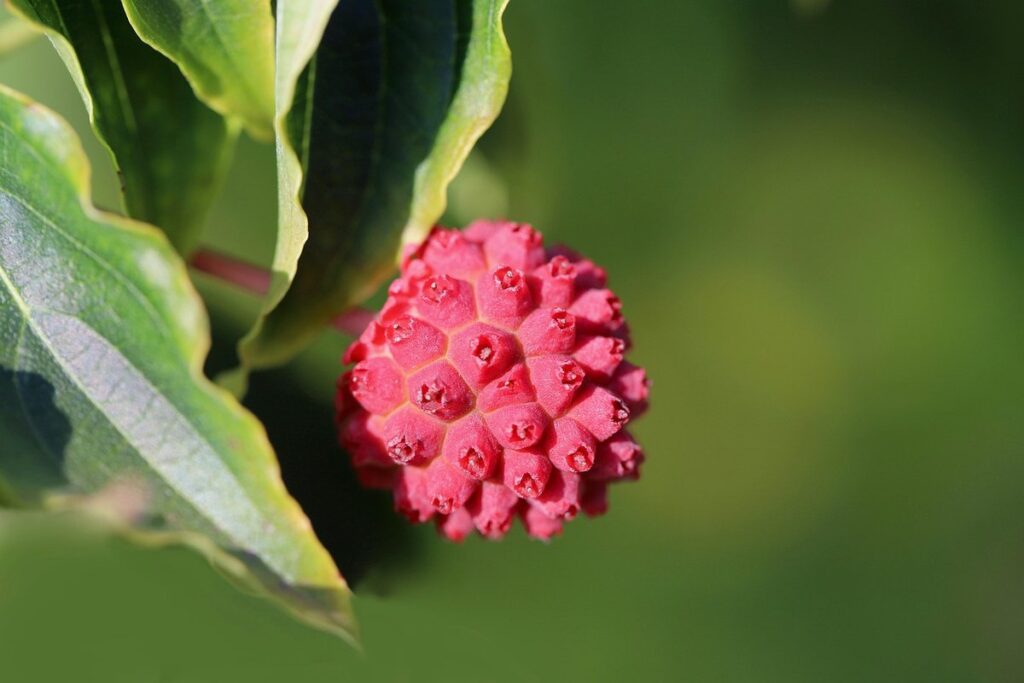
The kousa dogwood tree (Cornus kousa) is a stunning deciduous shrub or small tree native to East Asia. One of its most distinctive characteristics is its beautiful flowering display, with showy bracts that resemble tiny pink or white flowers appearing in late spring and early summer. The flowers are often followed by red berries that attract birds and other wildlife.
In autumn, the kousa dogwood tree puts on another spectacular show, with leaves changing to vibrant shades of yellow, orange, and red. This deciduous shrub or small tree can grow up to 20 feet tall, making it a great choice for smaller gardens or hedges. Its compact size also means it requires minimal maintenance and pruning.
To fully appreciate the kousa dogwood’s ornamental value, plant multiple trees in close proximity to create a stunning display of flowers and foliage. This will also help to ensure cross-pollination and a good berry crop.
Types of Kousa Dogwood Trees
There are several types of Kousa Dogwood trees available for cultivation, each with its unique features and growth habits. One popular variety is the ‘Milky Way’ Kousa Dogwood, which boasts stunning white flowers that resemble a galaxy of stars. This tree grows to be around 15-20 feet tall and has a spread of around 10-15 feet.
Another notable variety is the ‘Moonrise’ Kousa Dogwood, known for its bright pink flowers that bloom in late spring. It reaches a mature height of around 20-25 feet and has a relatively compact growth habit. The ‘Cherokee Brave’ Kousa Dogwood is also a popular choice, featuring vibrant red flowers and growing to be around 15-20 feet tall.
When selecting a Kousa Dogwood tree, consider the space available in your yard as well as the desired level of maintenance. If you have limited space, a compact variety like ‘Moonrise’ may be the best choice. On the other hand, if you’re looking for a statement piece, ‘Milky Way’ or ‘Cherokee Brave’ may be the way to go. Remember to choose a variety that thrives in your local climate and soil type for optimal growth and health.
Growing Conditions and Care
To ensure your Chinese Kousa Dogwood Tree thrives, it’s essential to understand its specific growing conditions and care requirements, which we’ll outline below. This includes ideal soil types and climate zones.
Climate and Soil Requirements
To ensure your Chinese Kousa Dogwood tree thrives, it’s essential to provide it with the right climate and soil conditions. These deciduous trees prefer well-drained acidic soils with a pH between 5.5 and 6.5. If your soil is alkaline or heavy clay, consider amending it with organic matter like compost or peat moss.
In terms of climate, Chinese Kousa Dogwood trees are hardy in USDA zones 5-8, tolerating temperatures as low as -20°F (-29°C) and as high as 90°F (32°C). They prefer full sun to partial shade, but will tolerate some shade. If you live in an area with hot summers, provide your tree with afternoon shade to prevent scorching.
To create the ideal growing conditions for your Chinese Kousa Dogwood tree:
* Choose a location with good air circulation and minimal wind exposure
* Plant your tree on high ground to ensure proper drainage
* Mulch around the base to retain moisture and suppress weeds
By replicating these climate and soil requirements, you’ll be well on your way to growing a healthy, thriving Chinese Kousa Dogwood tree.
Planting and Maintenance Tips
When planting your Chinese Kousa Dogwood tree, make sure to choose a location with well-draining soil and full sun to partial shade. Dig a hole that’s about two to three times as wide and just as deep as the root ball of the tree. Gently remove the tree from its container and place it in the hole, making sure the graft union (if applicable) is at least 2 inches above the soil level.
Water your tree regularly during its first year of growth, providing about 1 inch of water per week. You can achieve this through rainfall or supplemental irrigation. Avoid overwatering, which can lead to root rot and other issues.
Pruning plays a crucial role in maintaining the health and appearance of your Chinese Kousa Dogwood tree. Remove any dead or diseased branches in late winter or early spring, cutting them back to their point of origin. Regularly prune throughout the growing season to maintain the desired shape and promote new growth. By following these planting and maintenance tips, you’ll be well on your way to growing a thriving Chinese Kousa Dogwood tree that provides beauty and benefits for years to come.
To ensure optimal growth, fertilize your tree annually with a balanced, slow-release fertilizer in early spring. This will provide essential nutrients like nitrogen, phosphorus, and potassium to support healthy development. Keep an eye out for pests like borers, scale, and aphids, and take action promptly if you notice any signs of infestation.
Pest and Disease Management
As you nurture your Chinese Kousa Dogwood tree, it’s essential to be aware of potential pests and diseases that could affect its health. Two common issues are scale insects and root rot.
Scale insects, such as brown oak mealybug or dogwood spittlebug, can be identified by their oval-shaped white eggs on the underside of leaves. These insects feed on sap, causing curling or stunted growth. To prevent infestations, inspect your tree regularly during peak pest seasons (May to October). Use a soft brush to gently remove any visible eggs or insects.
Root rot, often caused by overwatering or poor drainage, can lead to yellowing leaves and premature defoliation. Avoid watering the base of the tree directly; instead, water at the soil surface to prevent fungal growth. Improve soil drainage by adding organic matter like compost or well-rotted manure. Regularly inspect your tree’s root zone for signs of decay.
Monitor your tree closely, and address any issues promptly to ensure it thrives under your care.
Benefits of the Kousa Dogwood Tree
The Chinese Kousa Dogwood Tree offers a wide range of benefits, from providing stunning blooms to attracting wildlife, making it an excellent addition to any garden. Let’s explore these advantages in more detail.
Wildlife Habitat and Food Source
The kousa dogwood tree is not only a stunning addition to any landscape, but it also plays a vital role in supporting local wildlife. As a food source, these trees are particularly beneficial for birds and pollinators.
In the fall, the kousa dogwood’s berries ripen to a vibrant red color, attracting an array of bird species, including woodpeckers, robins, and blue jays. These nutritious fruits provide essential sustenance during a time when other food sources may be scarce. By planting kousa dogwood trees in your yard or community garden, you’re creating a vital feeding ground for these birds.
Pollinators, such as bees and butterflies, also rely on the kousa dogwood’s showy white flowers to gather nectar. The flowers’ clusters provide an abundance of this sweet liquid, which is rich in energy and nutrients. By supporting pollinators, you’re contributing to the health and diversity of your local ecosystem.
To maximize the benefits of your kousa dogwood tree as a food source for wildlife, consider planting multiple trees to create a berry-rich habitat. You can also try leaving some berries on the tree throughout the winter months to provide an ongoing food source for birds.
Erosion Control and Soil Stabilization
One of the lesser-known benefits of the Chinese Kousa Dogwood tree is its remarkable ability to prevent soil erosion and stabilize slopes. This is largely due to its extensive root system, which spreads far beyond the canopy’s reach. As a result, the roots act as an anchor for the soil, holding it firmly in place and preventing it from washing away.
This natural mechanism of stabilization makes the Chinese Kousa Dogwood tree an ideal choice for landscaping projects that involve steep slopes or areas prone to erosion. Homeowners can utilize this feature by planting multiple trees along a slope, allowing their roots to intertwine and provide added stability. The process is relatively simple: simply dig shallow holes at regular intervals along the slope, gently place the saplings in each hole, and water thoroughly.
As the roots mature, they will gradually knit together, forming an impressive network of underground fibers that prevent soil dislodgment.
Aesthetic Value and Landscaping Uses
One of the most significant advantages of the Chinese Kousa Dogwood Tree is its exceptional aesthetic value, making it a versatile choice for various landscaping designs. Its compact size and dense foliage make it an excellent option for creating hedges or screens to define boundaries, provide shade, or add visual interest to outdoor spaces.
In specimen planting, the tree’s striking white flowers that appear in early spring, followed by red berries in summer, can be a stunning focal point. The foliage also turns a vibrant scarlet color in autumn, adding a pop of color to your yard during the fall season. When used as a hedge, the Kousa Dogwood’s compact growth habit requires minimal pruning, making it low maintenance for busy homeowners.
To get the most out of its landscaping potential, consider planting multiple trees together to create a natural screen or hedge. This will not only enhance its visual appeal but also provide a habitat for local wildlife, such as birds and small mammals, adding an extra layer of ecological value to your garden design.
Health Benefits of Kousa Dogwood
One of the most exciting aspects of having a Chinese Kousa Dogwood tree is its numerous health benefits, which we’ll explore in this next part of our guide. From antioxidant properties to immune system support, discover how this tree can boost your well-being.
Medicinal Properties and Traditional Use
Kousa dogwood has been used for centuries in traditional Chinese medicine to treat various ailments. In fact, it’s one of the most revered trees in Chinese herbalism. The bark, leaves, and flowers are all utilized for their medicinal properties.
For example, the bark is said to help reduce fever and alleviate inflammation. It contains a compound called berberine, which has been shown to have antimicrobial and anti-inflammatory effects. In traditional Chinese medicine, it’s often used to treat conditions like diarrhea, dysentery, and even certain types of cancer.
The leaves and flowers are also used to make teas that help lower blood pressure and reduce anxiety. They’re said to have a calming effect on the body, which is why they’re often consumed during times of stress or illness. In fact, some studies have shown that berberine can even help regulate blood sugar levels and improve cardiovascular health.
If you’re interested in trying kousa dogwood for medicinal purposes, be sure to consult with a healthcare professional first. They can advise on proper dosage and preparation methods. You can also purchase dried kousa dogwood bark or leaves online, but be sure to source from reputable suppliers.
Modern Research and Studies
Recent studies have shed light on the impressive health benefits of the Chinese Kousa Dogwood tree. Researchers have found that extracts from its bark and leaves exhibit potent antioxidant properties, which can help protect against cell damage and oxidative stress. Inflammation is a major contributor to various diseases, including arthritis, diabetes, and even cancer. The anti-inflammatory compounds present in the Kousa Dogwood tree may help alleviate symptoms associated with these conditions.
One notable study published in the Journal of Ethnopharmacology discovered that the flavonoids present in the tree’s extracts have significant anti-inflammatory effects. This could lead to new treatment options for patients suffering from chronic inflammation-related diseases. Furthermore, the antioxidant properties of the Kousa Dogwood may help reduce cardiovascular risk by preventing the oxidation of low-density lipoprotein (LDL) cholesterol.
While further research is needed to fully understand the health benefits of the Chinese Kousa Dogwood tree, existing studies suggest its potential as a natural remedy for various ailments. If you’re interested in harnessing these benefits, consult with a healthcare professional before using any extracts or supplements derived from this tree.
Common Uses of Kousa Dogwood Wood
The beauty of the Chinese Kousa Dogwood tree doesn’t stop at its stunning flowers and foliage, as its wood is also highly valued for various applications. We’ll explore some of these uses in more detail here.
Furniture Making and Woodworking
Kousa dogwood wood has become increasingly popular among furniture makers and woodworkers due to its unique characteristics. One of its most notable features is its interlocking grain pattern, which adds a distinctive aesthetic appeal to finished pieces. This characteristic also makes it highly resistant to warping and shrinking, ensuring that your creations will remain stable over time.
In terms of working with kousa dogwood, woodworkers praise its ease of use. It’s relatively lightweight, making it easy to handle and maneuver through various tools and equipment. Additionally, its fine texture allows for precise cutting and shaping, resulting in a smooth finish.
For furniture makers, kousa dogwood wood offers an array of possibilities for creative expression. Its natural beauty lends itself well to traditional woodworking techniques such as carving, turnings, and joinery. You can also experiment with various stains and finishes to bring out the unique grain pattern, creating one-of-a-kind pieces that showcase your skill and craftsmanship.
When selecting kousa dogwood wood for a project, consider its color range, which can vary from light beige to rich brown. This versatility allows you to match your design vision or create contrasting elements in your piece.
Carpentry and Construction Materials
When it comes to using kousa dogwood as a building material, its impressive durability and resistance to rot make it an attractive option for sustainable construction. This deciduous tree’s heartwood is particularly valued for its ability to withstand the elements without compromising on structural integrity.
One of the primary benefits of kousa dogwood wood is its high resistance to decay, which reduces the need for chemicals or preservatives. According to a study by the Forest Products Society, hardwoods like kousa dogwood can last up to 40 years longer than softwoods when exposed to moisture. This makes it an excellent choice for outdoor construction projects, such as decking and fencing.
To incorporate kousa dogwood wood into your building project, ensure that you work with a reputable supplier who has harvested the trees sustainably. The tree’s grain pattern is quite distinctive, with a subtle curve and visible growth rings. When working with this material, consider using it in conjunction with other eco-friendly options to create a durable and long-lasting structure that minimizes environmental impact.
When building with kousa dogwood wood, keep in mind that its density requires specialized tools for cutting and drilling. Also, be aware of any potential allergies or sensitivities associated with working with hardwoods like this one. By choosing sustainable materials and taking the necessary precautions, you can create a stunning structure that not only honors the natural beauty of the tree but also contributes to a more environmentally conscious building practice.
History and Cultural Significance
The Chinese Kousa Dogwood tree has a rich history dating back thousands of years, deeply rooted in Asian culture and tradition. Let’s explore its fascinating past together.
Ancient Cultivation and Traditions
In Asia, particularly in China and Japan, kousa dogwood has been cultivated for centuries, not only for its ornamental value but also for its cultural significance. The tree is deeply rooted in the region’s history and mythology. In ancient Chinese culture, the kousa dogwood was considered a symbol of good fortune and prosperity. Its beautiful white flowers were believed to bring joy and happiness, while its red berries signified abundance and fertility.
In traditional Japanese culture, the kousa dogwood is associated with longevity and health. The tree’s unique shape and structure are said to resemble the mythical crane, representing a long and healthy life. In Chinese folklore, the kousa dogwood is also linked to the legend of the “Three Friends of Winter” – pine, plum, and kousa dogwood – which stand together against harsh weather conditions, symbolizing friendship and companionship.
If you’re looking to incorporate the cultural significance of the kousa dogwood into your garden or landscape design, consider planting multiple trees in a group setting, just like the “Three Friends of Winter” legend. This will not only create a stunning visual display but also pay homage to the tree’s rich history and cultural associations.
Modern-Day Uses and Symbolism
In modern times, the Chinese Kousa Dogwood tree continues to hold significant cultural and symbolic value. In art and literature, it is often depicted as a symbol of longevity, good fortune, and prosperity. The tree’s beautiful white or pink blooms, which last for several weeks in spring, have also inspired numerous artists and poets throughout history.
In traditional Chinese culture, the Kousa Dogwood is considered one of the “Four Gentlemen” – a group of trees that represent the virtues of loyalty, integrity, and respect. The tree’s strength and resilience are also seen as reflections of the qualities of the wise and just ruler. Today, you can find representations of the Chinese Kousa Dogwood in traditional Chinese paintings, ceramics, and even in architectural designs.
If you’re looking to incorporate the symbolism of this magnificent tree into your own life, consider planting one in a visible location on your property. Its stunning blooms will attract attention and admiration from visitors, while its significance will serve as a reminder of the importance of perseverance and dedication to your goals.
Frequently Asked Questions
How can I identify a Chinese Kousa Dogwood Tree in the wild or at a nursery?
To identify a Chinese Kousa Dogwood Tree, look for its distinctive showy bracts that resemble tiny pink or white flowers, which appear in late spring and early summer. The tree’s leaves are typically dark green and elliptical in shape. Be sure to check the tree’s root system, as it has a robust and fibrous root structure.
Can I grow a Chinese Kousa Dogwood Tree in containers?
Yes! With proper care and pruning, you can grow a Chinese Kousa Dogwood Tree in containers. Make sure the container is at least 12-18 inches deep to accommodate the tree’s root system, and choose a well-draining potting mix. Keep in mind that the tree will require more frequent watering and fertilization when grown in containers.
How can I use the wood from a Chinese Kousa Dogwood Tree for sustainable construction projects?
The durable wood of the Chinese Kousa Dogwood Tree makes it an ideal choice for eco-friendly building projects. Consider using the wood for furniture making, flooring, or as a decorative feature in your home. When working with the wood, look for any potential defects and use proper techniques to minimize waste.
Are there any specific considerations for planting a Chinese Kousa Dogwood Tree in areas prone to erosion?
Yes! The Chinese Kousa Dogwood Tree’s robust root system makes it an excellent choice for stabilizing soil and preventing erosion. When planting the tree in areas with poor soil or high water tables, consider using a trellis or support system to keep the roots from spreading too far.
Can I use the medicinal properties of the Chinese Kousa Dogwood Tree for personal health benefits?
Yes! The Chinese Kousa Dogwood Tree has been used for centuries in traditional medicine. While it’s essential to consult with a healthcare professional before using any new remedies, the tree’s berries and bark have been known to have anti-inflammatory and antiseptic properties. Be sure to research proper preparation methods and dosages to avoid any adverse effects.