
If you’re looking to add some unique charm to your backyard flock, you might want to consider getting some Chocolate Orpington chickens. Not only are these birds stunningly beautiful with their rich, chocolate-brown feathers, but they also possess a gentle and affectionate nature that makes them perfect pets for families or experienced chicken keepers.
What sets Chocolate Orpingtons apart is their exceptional egg-laying abilities – on average, hens will produce around 200 large brown eggs per year. But beyond their impressive productivity, these birds are also relatively low-maintenance and easy to care for, making them a great choice for beginners. In this article, we’ll delve into the benefits of keeping Chocolate Orpingtons as pets or backyard layers, covering their unique characteristics, care requirements, and more. Whether you’re an experienced chicken enthusiast or just starting out, keep reading to learn why these birds are sure to delight.
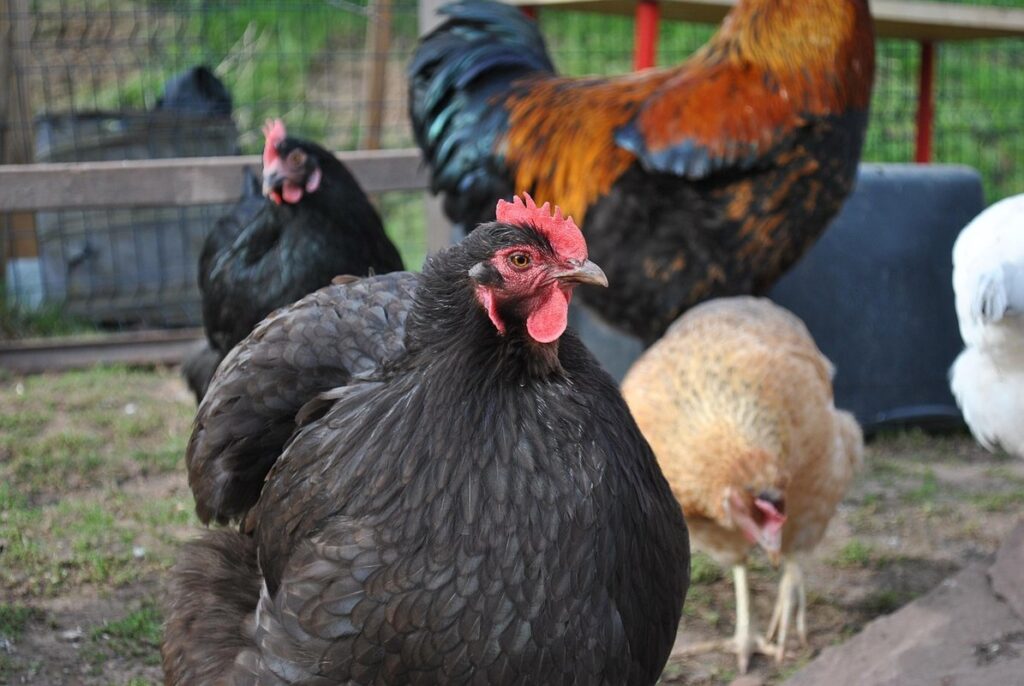
Introduction to the Breed
If you’re new to the wonderful world of Chocolate Orpingtons, let’s start at the beginning and explore what makes this breed so unique and lovable. Get ready to fall head over heels for their charming personalities!
History and Origins
The Chocolate Orpington breed has its roots in the early 20th century when poultry enthusiasts began experimenting with color varieties. The original gold and white Orpingtons were developed in England by William Cook, a breeder who aimed to create a friendly and docile bird for the farm. To achieve this, he crossed the White Dorking with the Old English Game Fowl.
Over time, breeders continued to experiment with color variations, introducing new hues into the Orpington family. The Chocolate variety emerged as one of the most sought-after, prized for its rich, dark coat and friendly nature. In the 1900s, the first American-bred Chocolate Orpington was exhibited at the Chicago World’s Fair, marking a significant milestone in the breed’s history.
Today, the Chocolate Orpington remains a beloved favorite among backyard chicken keepers, prized not only for its stunning appearance but also for its gentle disposition and exceptional egg-laying abilities. If you’re considering adding this delightful breed to your flock, look for birds that exhibit the characteristic chocolate-brown plumage and aim for a temperament that’s friendly, docile, and outgoing.
Key Characteristics
One of the most significant draws to the Chocolate Orpington breed is their exceptional temperament. Known for being gentle and docile, these birds make excellent additions to family farms or backyard flocks. They are friendly, social creatures that thrive on interaction and can even become quite affectionate with regular handling.
When it comes to egg-laying abilities, the Chocolate Orpington does not disappoint. As a heritage breed, they have a strong inclination towards producing high-quality eggs, typically laying around 200-220 brown eggs per year. This is significantly more than some other popular breeds on the market, making them an excellent choice for those seeking to supplement their family’s egg needs.
As for growth rates, Chocolate Orpingtons tend to mature relatively quickly, reaching full size within about 20 weeks. This makes them a great option for backyard chicken keepers who want to start enjoying fresh eggs and interacting with their birds sooner rather than later. With proper care and attention, these lovely birds will reward you with years of companionship and productivity.
Choosing the Right Chocolate Orpington
When choosing a new addition to your flock, it’s essential to pick a chicken breed that fits your lifestyle and living situation. This section will help you decide if the lovable Chocolate Orpington is right for you.
Factors to Consider Before Buying
When selecting a healthy Chocolate Orpington chick or adult bird, there are several essential factors to consider. First and foremost, research the breeder’s reputation and experience with this specific breed. Look for breeders who have achieved recognition from top poultry associations, such as the American Bantam Association (ABA) or the American Poultry Association (APA). This ensures that the birds are bred according to high standards of quality and genetics.
Additionally, consider the bloodlines of the parents. A reputable breeder will be able to provide you with information on the ancestry of your chick’s parents, including any notable achievements or awards they may have received in shows. This can give you an idea of what characteristics your bird may inherit.
Health clearances are also crucial. Ensure that the breeder has had the parents tested for common health issues specific to this breed, such as hypothyroidism or obesity. You want to ensure that your new feathered friend is not only beautiful but also healthy and disease-free.
Where to Buy Chocolate Orpingtons
When it comes to acquiring your very own Chocolate Orpington, you have several options to consider. Reputable sources for purchasing these lovable birds are abundant, and with a little research, you can find the perfect fit for your flock.
One of the best places to start is by searching for local breeders in your area. These dedicated individuals often raise their own flocks and can provide you with healthy, well-socialized chicks or adults. You’ll not only be supporting local agriculture but also get the benefit of direct communication and personalized advice from an expert breeder.
Another option is to explore online hatcheries that specialize in selling rare breeds like the Chocolate Orpington. These websites usually have extensive knowledge about the breed’s characteristics, temperaments, and requirements, making it easier for you to make an informed decision. Some popular online marketplaces also carry a variety of chicken breeds, including the Chocolate Orpington.
Before making a purchase, ensure that you’re buying from a reputable source by researching reviews, checking certifications (such as American Poultry Association or APA), and asking plenty of questions about the bird’s health, origin, and ancestry.
Caring for Your Chocolate Orpingtons
Taking good care of your chocolate Orpingtons is crucial, so let’s dive into the essential tips and tricks you need to keep them happy and healthy. From nutrition to grooming, we’ve got it covered!
Housing and Environment
When it comes to housing and environment, you’ll want to create a space that’s tailored specifically to your Chocolate Orpingtons’ needs. A good rule of thumb is to provide at least 4-5 square feet of indoor coop space per chicken, with plenty of vertical space for them to roost comfortably. This may seem like a lot, but trust us – your girls will appreciate the extra room to stretch their wings and move around.
In terms of ventilation, it’s essential to ensure good airflow within the coop to prevent ammonia buildup from droppings. You can achieve this by installing windows or vents that allow for cross-ventilation, as well as ensuring there are no gaps in the walls or floor where damp air can collect. Outdoor runs should also be spacious, with a minimum of 8-10 square feet per chicken. This will give your girls room to exercise and engage in natural behaviors like scratching and dust bathing.
Remember, happy chickens make for healthy and contented lives! By prioritizing their housing needs, you’ll set them up for success – and that’s what it’s all about when caring for these lovely birds.
Nutrition and Health Considerations
When it comes to caring for your Chocolate Orpingtons, providing them with the right nutrition is crucial. These beautiful birds have a unique genetic makeup that makes them prone to certain health issues if their dietary needs aren’t met.
A balanced diet for Chocolate Orpingtons should include high-quality layers pellets as the main staple, supplemented with fresh vegetables and fruits. Leafy greens like kale and spinach are rich in calcium, essential for strong bones. Fruits like berries and apples provide a tasty treat while aiding digestion. However, be mindful of overfeeding, as obesity can lead to respiratory problems.
Some potential health issues to watch out for include fatty liver disease, which can be caused by overeating or poor diet quality. Monitor your bird’s weight and adjust food portions accordingly. Also, keep an eye out for signs of internal parasites like worms, which can cause lethargy and loss of appetite. Regular health checks with a veterinarian will help prevent these issues from arising.
To maintain optimal health, ensure access to clean water and a balanced diet rich in nutrients. A well-planned feeding schedule and regular check-ups will help keep your Chocolate Orpingtons happy and healthy for years to come.
Raising Chocolate Orpington Chicks
Congratulations on bringing home those adorable little bundles of fluff! This section will guide you through the essentials of raising healthy and happy Chocolate Orpington chicks from day one.
Brooding and Startup Costs
When it comes to raising Chocolate Orpington chicks, one of the most critical periods is during brooding. This is the stage where you’ll need to provide a safe and nurturing environment for your chicks to grow and develop. A good brooder setup will ensure they receive adequate ventilation, heat, and protection from predators.
For a small flock, a 2×4 foot brooder with a heat lamp or ceramic heat emitter is ideal. Place the feeder and waterer in easy-to-reach locations to prevent competition among chicks. Provide a shallow dish for grit, oyster shells, and calcium supplements to support their growth. The temperature in the brooder should be around 90-100°F for the first week, gradually decreasing by 5°F each week until it reaches ambient temperatures.
As your chicks grow, they’ll need to transition from chick starter feed to layer feed. Typically, you can start introducing layer feed at around 18-20 weeks of age. Consult with a veterinarian or poultry expert to determine the best vaccination schedule for your area and flock size.
Growing Your Chickens: Tips and Tricks
Growing your chicks into healthy, thriving adult birds requires careful consideration and planning. When integrating new Chocolate Orpington chicks with an existing flock, it’s essential to introduce them gradually to prevent stress and potential conflicts. Start by keeping the chicks separated from the adults for a few days, allowing them to get used to their surroundings without feeling overwhelmed.
Once they seem comfortable, begin supervised interactions between the two groups. You can do this by bringing the chicks into the coop with the adult birds for short periods under close observation. Reward calm behavior and intervene promptly if you notice any signs of aggression or stress.
Remember that every flock is different, so be prepared to adapt your introduction strategy as needed. For example, if you have a particularly dominant bird in the existing flock, it may require extra time and patience to ensure they accept the new additions.
Showing and Breeding Chocolate Orpingtons
If you’re interested in sharing your beautiful birds with others, learn how to show and breed Chocolate Orpingtons for success in the poultry world. It’s easier than you think!
The Process of Show Preparation
Preparing your Chocolate Orpington for show day requires careful planning and attention to detail. The key is to socialize and train your bird from an early age to make handling and showing a positive experience. Start by getting your chick used to being handled, begin with short sessions, gradually increasing the time as they grow more confident.
Developing good handling skills takes patience and consistency. Make sure to gently lift your Orpington under its wings, not just by the legs, to encourage calm behavior. Reward quiet behavior with treats and praise to create a positive association with being handled.
Introduce your bird to the show environment early on, taking them to poultry shows or letting them explore the coop of an experienced breeder. This helps your Orpington become accustomed to new sights and sounds, reducing stress on competition day.
By starting early and using positive reinforcement techniques, you’ll create a well-adjusted and confident show bird that will shine in the ring. Practice makes perfect, so make sure to handle your Orpington regularly leading up to the event. With persistence and patience, you’ll be well-prepared for show day.
Principles of Breeding a Healthy Flock
Breeding a healthy flock is essential for maintaining the integrity and quality of your Chocolate Orpingtons. To achieve this, you’ll need to understand the principles of linebreeding, which involves breeding birds that are closely related but not identical twins. This technique helps preserve the breed’s unique characteristics while minimizing genetic disorders.
When selecting birds for breeding, it’s crucial to choose individuals with desirable traits such as excellent egg-laying abilities, friendly temperament, and robust health. You should also consider factors like fertility, broodiness, and growth rate. To make informed decisions, keep detailed records of your birds’ performance, including their egg production, hatch rates, and overall well-being.
To avoid genetic disorders, it’s essential to select breeding stock from a diverse gene pool. This can be achieved by introducing new bloodlines or incorporating genetics from reputable breeders. Regular health checks and genetic testing can also help identify potential issues early on. By implementing these strategies, you’ll be able to build a healthy flock with the desired characteristics and traits that will excel in shows.
Benefits of Keeping Chocolate Orpingtons
If you’re considering adding some loveliness to your flock, here are just a few of the wonderful benefits of keeping Chocolate Orpingtons as pets.
Enjoying Their Companionship
One of the greatest joys of owning Chocolate Orpingtons is enjoying their companionship. These gentle giants are known for their affectionate personalities and love being around people. They make wonderful pets for families, as they are often described as “lap chickens” due to their fondness for snuggling up close.
If you’re lucky enough to have a Chocolate Orpington in your flock, be prepared to receive plenty of attention and affection from them. They’ll follow you around the yard, nudge their heads against your leg, and even climb onto your lap if given the opportunity. This is especially true for hens that are handled regularly from a young age.
To foster this bond, it’s essential to spend quality time with your Chocolate Orpingtons. Engage in activities like feeding them by hand, letting them explore new areas of the yard, or simply sitting together under a tree. By doing so, you’ll strengthen their trust and affection for you, making them even more loving companions.
In return, they’ll reward you with loyalty, playfulness, and a lifelong friendship that’s hard to find in other pets.
Eggs from Happy Hens: The Benefits of Fresh Eggs
When you’re raising Chocolate Orpingtons, it’s likely that you’ll want to enjoy the fresh eggs they produce. Not only are these eggs a delicious addition to your breakfast plate, but they also come with a host of nutritional benefits. Fresh eggs from happy hens are higher in omega-3 fatty acids and vitamins A and E than their store-bought counterparts.
But the advantages don’t stop at nutrition. The health and well-being of your flock directly impacts the health of your backyard ecosystem. By raising healthy hens, you’re creating a balanced environment that fosters biodiversity. Your Chocolate Orpingtons will help control pests, aerate soil through their scratching, and even contribute to nutrient cycling.
To get the most out of your eggs and promote a thriving ecosystem, consider implementing sustainable practices in your backyard chicken-keeping routine. This might include rotating pastures, supplementing with probiotics or omega-rich foods, or providing regular access to fresh water and sunlight. By making these simple adjustments, you’ll be supporting not only the health of your flock but also that of your entire yard.
Conclusion: Bringing Home Your Own Chocolate Orpington
Now that you’ve fallen head over heels for the charming Chocolate Orpington, it’s time to bring one home and learn how to raise this sweet breed successfully. This section will walk you through the final steps of welcoming a Chocolate Orpington into your flock.
Final Tips for Success
As you prepare to bring home your very own Chocolate Orpingtons, it’s essential to keep in mind a few key takeaways that will set you and your flock up for success. First and foremost, be prepared to fall head over heels in love with these lovable ladies – they have a way of winning hearts with their sweet temperaments and affectionate nature.
Before bringing your new girls home, make sure you’re adequately equipped with the right housing, feed, and care supplies. Chocolate Orpingtons are not picky eaters but do require high-quality feed that’s rich in nutrients to support their robust growth and egg-laying abilities. Don’t forget to invest in a secure coop with ample space for your girls to roam – they love to exercise and socialize.
In addition, it’s crucial to research local regulations regarding backyard chickens, including any necessary permits or zoning restrictions. This may seem like a minor detail, but it could save you from unnecessary stress down the line.
To ensure a smooth transition for both you and your new flock, establish a routine that includes regular health checks, egg collection, and playtime. By doing so, you’ll not only build trust with your girls but also create a sense of order and predictability in their daily lives.
Lastly, don’t underestimate the importance of patience and flexibility when it comes to caring for Chocolate Orpingtons. They can be prone to certain health issues, such as broodiness and molting, so being prepared to adapt to changing circumstances is essential.
By following these final tips, you’ll be well on your way to creating a happy and harmonious home for your new feathered friends – and yourself!
Frequently Asked Questions
How do I ensure the best egg-laying performance from my Chocolate Orpingtons?
To maximize your flock’s egg production, provide a balanced diet rich in calcium, ensure adequate lighting (14 hours of daylight or artificial light), and maintain a clean and stress-free environment. Also, make sure to separate hens that are nearing their peak laying age to give younger birds room to develop.
Can I raise Chocolate Orpingtons indoors as pets?
Yes, you can keep Chocolate Orpingtons as indoor pets, but they require regular exercise and space to move around. A large coop or enclosed area will suffice for this purpose. Remember that these birds still need some outdoor time and fresh air to stay healthy.
How often should I collect eggs from my flock to prevent breakage?
It’s recommended to collect eggs daily to avoid breakage and maintain cleanliness in the coop. Also, be sure to inspect your eggs regularly for any signs of damage or disease. Regular collection will also encourage hens to continue laying eggs freely.
Can Chocolate Orpingtons thrive in small backyards with limited space?
Yes, Chocolate Orpingtons are relatively low-maintenance birds and can adapt well to smaller spaces as long as they receive adequate food, water, and shelter. However, ensure your coop provides enough space for perching, roosting, and exercise.
What are the most common health issues affecting Chocolate Orpingtons, and how do I prevent them?
Respiratory issues, mites, and lice are some of the common health problems that can affect Chocolate Orpingtons. Regular cleaning of their coop, dust-free bedding, and maintaining a healthy environment will help minimize these risks. Monitor your birds regularly for signs of disease or discomfort.