
Are you getting ready to welcome some new feathered friends into your home? If so, you’re likely thinking about all the essentials for raising happy and healthy chicks. One crucial decision is choosing the right bedding for their brooder – but what are your options? From natural materials like wood shavings and straw to synthetic alternatives like paper-based products, there’s a lot to consider when it comes to chick brooder bedding.
In this article, we’ll break down the pros and cons of both natural and synthetic beddings, show you how to make your own cost-effective solutions, and explore some game-changing ideas for a budget-friendly yet effective brooder setup. Whether you’re a seasoned chicken keeper or just starting out, we’ve got you covered with expert advice on choosing the best bedding for your chicks’ comfort, safety, and well-being.
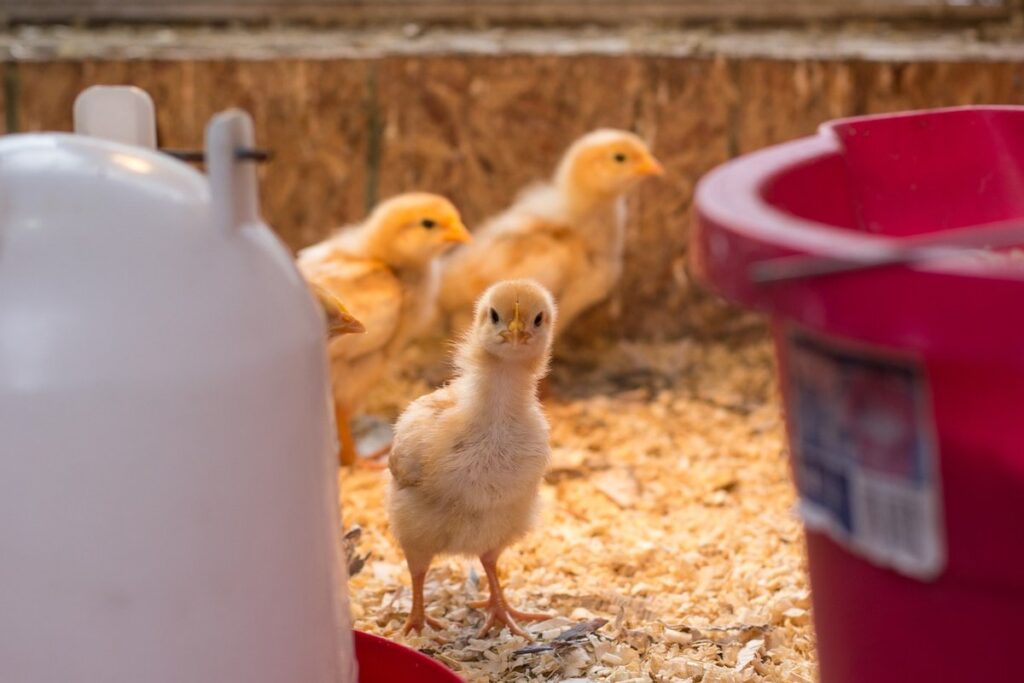
Benefits of Proper Brooder Bedding
When it comes to creating a healthy and thriving environment for your chicks, the right brooder bedding can make all the difference. In this next part, we’ll explore its numerous benefits in detail.
Importance of Cleanliness and Hygiene
When it comes to raising healthy chicks, maintaining cleanliness and hygiene in the brooder is crucial. Proper brooder bedding plays a significant role in preventing disease and promoting a clean environment for your chicks to grow.
Diseases such as coccidiosis, respiratory infections, and wet litter syndrome are common issues in chick rearing. These diseases can be caused by unsanitary conditions, poor ventilation, and inadequate cleaning of the brooder. By choosing the right brooder bedding material, you can help prevent these problems from arising.
The American Association of Avian Practitioners recommends using absorbent materials that stay dry under wet conditions to reduce the risk of disease transmission. Materials like pine shavings or straw are good options for maintaining cleanliness and hygiene in the brooder. Regularly changing the bedding every 7-10 days can also help prevent ammonia buildup, which can be toxic to chicks.
In addition to choosing the right material, it’s essential to maintain a clean brooder environment by removing soiled bedding, cleaning feeders and waterers daily, and ensuring adequate ventilation.
Types of Bedding and Their Effects on Health
When choosing the best chick brooder bedding options, it’s essential to consider the type of material and its potential impact on your chicks’ health. Different types of beddings can have varying effects on respiratory issues, cleanliness, and overall well-being.
Pine shavings, a popular choice among chicken keepers, can cause respiratory problems in chicks due to their high acidity level. This is particularly concerning for young birds, as they are more susceptible to respiratory infections. On the other hand, straw is a natural, breathable option that promotes airflow and reduces the risk of ammonia buildup.
Recycled paper bedding is another eco-friendly alternative that’s gaining popularity. It’s absorbent, easy to clean, and free from chemicals, making it an excellent choice for backyard chicken keepers. However, some recycled papers may contain high levels of dust, which can exacerbate respiratory issues.
To minimize the risk of health problems, ensure you choose a bedding material that’s specifically designed for chick brooders. Regularly cleaning and maintaining your brooder is also crucial in preventing the buildup of bacteria and moisture.
Natural vs. Synthetic Brooder Beddings
When it comes to choosing a brooder bedding, one of the biggest decisions is whether to go natural or synthetic – each has its own set of benefits and drawbacks.
Pros and Cons of Pine Shavings as a Brooder Bedding
When it comes to choosing brooder bedding, pine shavings are a popular option. One of the main advantages of using pine shavings is their affordability – they’re often cheaper than other natural beddings like straw or hay. Additionally, pine shavings are easy to use: simply sprinkle them in the brooder and change them out as needed.
However, there are some potential downsides to consider. For one thing, pine shavings can create a dust problem – if the chicks inhale too much of this fine powder, it can cause respiratory issues. To minimize this risk, make sure to choose low-dust pine shavings or use a deep layer (about 2-3 inches) to reduce the amount of dust that becomes airborne.
In terms of alternative natural materials, you might consider using recycled paper products or even shredded newspaper. These options tend to be less expensive than other natural beddings and can help minimize waste in your household. Just be sure to choose a product that’s free from chemicals and dyes – you don’t want any potential toxins leaching into the brooder!
Synthetic Options: Pros and Cons
Synthetic brooder beddings, such as plastic pellets and fabric, offer some advantages over natural options. For instance, they tend to be easier to clean and maintain, resulting in reduced odor buildup. The smooth surface of these synthetic materials also makes it simpler for chicks to stand and move around without getting their feathers dirty.
However, there are several drawbacks associated with using synthetic beddings. One significant con is the higher cost compared to natural alternatives like straw or pine shavings. Additionally, some studies have raised concerns about potential health risks linked to inhaling particles from these materials. Furthermore, chicks may be more likely to ingest small pieces of plastic pellets, which can lead to intestinal blockages and other complications.
Before opting for synthetic beddings, it’s essential to weigh the pros against the cons. If you prioritize ease of cleaning and reduced odor, synthetic options might be worth considering. Nevertheless, carefully evaluate the potential health risks and costs involved in using these materials.
Considerations for Small-Scale Brooder Operations
When setting up a small-scale brooder operation, it’s essential to consider factors such as space constraints and heating requirements for your chicks’ comfort and safety. This affects your bedding choices significantly.
Cost-Effective Bedding Solutions
For backyard chicken keepers on a budget, finding cost-effective brooder bedding solutions can be a challenge. However, it’s essential to provide a clean and safe environment for your chicks to grow and thrive. One option is to use recycled materials like shredded newspaper or cardboard boxes. These materials are eco-friendly, inexpensive, and can be easily replaced when soiled.
Another affordable option is wood shavings made from sustainably sourced wood products. They absorb waste well and are easy to clean. A 4-cubic-foot bag of wood shavings can cost between $10-$15. You can also consider using hay or straw as a bedding material, which can be purchased in bulk at a lower cost.
To make the most of your budget, consider reusing materials from other areas of your home or garden. For example, you can use old towels or cloth scraps to line the brooder or create a nesting box. By getting creative with your brooder bedding choices, you can provide a healthy environment for your chicks without breaking the bank.
Easy-to-Clean Bedding Options
In small-scale brooder operations, ease of cleaning is crucial to maintain optimal health and hygiene for your chicks. With limited space and resources, it’s essential to choose bedding that minimizes maintenance efforts while ensuring a safe environment for your birds.
Consider using pine shavings or recycled paper products as they are easy to clean and absorbent, making them ideal for small-scale operations. These materials can be simply scooped out with a shovel or broom, reducing the risk of spreading disease and bacteria. Wood pellets are another great option, as they are dry and dense, allowing for quick and efficient removal.
To simplify cleaning even further, look for beddings with built-in antimicrobial properties. Some products contain natural additives that inhibit bacterial growth, making them perfect for small-scale operations where thorough disinfection may be challenging. By choosing the right bedding, you’ll save time, reduce stress, and create a healthy environment for your chicks to thrive.
DIY vs. Commercial Brooder Beddings
When it comes to choosing a brooder bedding, many backyard chicken keepers wonder whether they should opt for a DIY or commercial solution. Let’s weigh the pros and cons of each approach.
Making Your Own Brooder Bedding
Creating homemade brooder bedding can be a cost-effective and customizable solution for chicken keepers. One of the primary benefits is the potential to save money, as natural materials like straw, hay, and wood shavings are often cheaper than commercial options.
To get started, gather the following materials: a large container or bin, a pitchfork or shovel, and your chosen natural material. Fill the container with 2-3 inches of bedding material, depending on the depth you prefer. Next, add a layer of absorbent material like coconut coir or paper-based products to help control moisture.
Customize your homemade brooder bedding by experimenting with different materials and ratios. For example, combining straw and hay can provide excellent insulation and odor control. Be sure to clean and disinfect your brooder regularly to maintain a healthy environment for your chicks. By making your own brooder bedding, you’ll have complete control over the ingredients and quality, ensuring a safe and comfortable space for your young chickens to grow and thrive.
Commercial Options: Pros and Cons
Commercial brooder beddings offer a convenient and consistent option for poultry farmers. These products are widely available in various forms, such as paper-based, fiber-based, or absorbent materials. One of the main advantages is that they provide a uniform quality and texture, which can be beneficial for large-scale operations. However, this convenience comes at a cost – commercial brooder beddings tend to be more expensive than their DIY counterparts.
Another potential drawback is the presence of additives in some commercial products. While these additives may promote cleanliness or reduce odors, they can also pose health risks to your chicks if not properly managed. Furthermore, some commercial products may contain chemicals or dyes that you wouldn’t want in your poultry environment.
When evaluating commercial brooder beddings, it’s essential to consider your specific needs and operation size. If you have a large flock or limited time for maintenance, commercial options might be the best choice. However, if budget is a concern or you prefer a more natural approach, exploring DIY alternatives could be a better fit. Always read labels carefully and look for products that are free from harsh chemicals and additives to ensure a healthy environment for your chicks.
Long-Term Considerations for Brooder Bedding
When choosing a brooder bedding, it’s essential to think beyond the immediate needs of your chicks and consider how each option will perform over the long haul. Will it be easy to clean and maintain?
Maintenance and Replacement Schedules
Maintaining and replacing brooder bedding is crucial to ensure a healthy environment for chicks. Over time, brooder bedding accumulates waste, moisture, and ammonia from chick urine, which can lead to respiratory issues and stress on the chicks. To address this, develop a regular maintenance schedule.
Replace brooder bedding completely every 7-10 days, or sooner if it becomes wet or soiled. Remove all bedding material, disinfect the area with a pet-safe cleaner, and then replenish with fresh, dry bedding. Regularly check for signs of moisture, such as damp spots or musty odors.
For optimal results, establish a rotation plan where you dedicate specific days to maintenance tasks. For example, one day may be designated for changing bedding, while the next is used for cleaning feeders and waterers. By sticking to this routine, you’ll create a clean and safe environment for your chicks to grow and thrive.
Environmental Impact and Sustainability
When it comes to choosing chick brooder bedding, it’s essential to consider the environmental implications of our choices. The impact of our decisions can be significant, affecting not only our flocks’ health but also the planet.
Wood shavings and pine pellets are popular options, but they come with their own set of environmental concerns. Wood shavings can contribute to deforestation and wood waste, while pine pellets are often made from slash lumber that could otherwise be used for energy production or mulch. On the other hand, natural bedding materials like straw and hay are biodegradable and renewable resources.
To promote sustainable practices in backyard chicken keeping, consider these tips:
* Opt for locally sourced materials to reduce transportation emissions.
* Choose bedding materials with a low carbon footprint, such as recycled paper products or coconut husk.
* Use the “3Rs” principle: Reduce, Reuse, Recycle. Reuse your brooder bedding material whenever possible, and recycle any non-organic materials.
* Rotate your bedding frequently to prevent waste buildup and minimize odors.
Conclusion: Choosing the Right Brooder Bedding
In conclusion, choosing the right brooder bedding is crucial for your chicks’ health and well-being. After reviewing the various options available, it’s essential to consider factors such as absorbency, ease of cleaning, and safety. Don’t be swayed by cheap alternatives that may seem appealing at first but can end up causing more problems in the long run. For example, pine shavings are a popular choice due to their affordability, but they can release oils into the air that may cause respiratory issues.
When selecting a brooder bedding, take a moment to consider your specific needs and circumstances. Ask yourself questions like: What is my budget? Do I have space for frequent cleaning and maintenance? Will I be able to provide regular changes to prevent ammonia buildup? By taking these factors into account, you’ll be well on your way to choosing the right brooder bedding for your chicks.
Frequently Asked Questions
Can I use the same brooder bedding for all my flock cycles, or do I need to change it frequently?
You can reuse some brooder beddings like paper-based products, but natural materials like wood shavings and straw may not be suitable for long-term use due to hygiene concerns. It’s generally recommended to replace brooder bedding every 1-2 weeks, depending on the size of your flock and the type of bedding used.
What are some signs that my chicks’ brooder bedding needs immediate attention?
Keep an eye out for strong odors, wet spots, or a dirty appearance. If you notice any of these issues, it’s essential to clean the brooder thoroughly to prevent disease and maintain a healthy environment for your chicks. Check for dampness, as this can lead to ammonia buildup, which is toxic to chicks.
How do I maintain cleanliness in my small-scale brooder operation with limited space?
Incorporate easy-to-clean features like sloping floors or removable trays to simplify cleaning. Regularly inspect the brooder for signs of wear and tear, and consider implementing a rotation schedule for cleaning tasks. This will help prevent disease transmission and ensure a clean environment for your chicks.
Can I mix different types of brooder beddings, such as natural and synthetic options?
While it’s technically possible to combine different beddings, it may not be the most effective approach. Mixing materials can lead to inconsistent results in terms of cleanliness, hygiene, and comfort for your chicks. Stick to a single type of bedding or consider using a layered approach with different materials serving specific purposes (e.g., bottom layer for absorbency, top layer for comfort).
What are some eco-friendly options for brooder bedding that also minimize costs?
Consider repurposing materials like old towels, cloth rags, or even newspaper as cost-effective and sustainable alternatives. These options can help reduce waste and lower your environmental impact while maintaining a clean and healthy environment for your chicks. Just ensure you choose materials that are safe for your flock’s health and well-being.