
Are you ready to learn the secrets to creating an optimal environment for your beloved quails? A well-designed quail cage is crucial for their health, happiness, and productivity. When it comes to setting up a quail cage, many owners are unsure about what size to choose or how to maintain a healthy balance between space and functionality.
In this ultimate guide, we’ll walk you through the essential steps of selecting the right quail cage, from determining the perfect size for your flock to ensuring optimal health and productivity. We’ll cover everything you need to know, including tips on ventilation, cleaning, and enrichment. By the end of this article, you’ll be equipped with expert advice to set up the best quail cage possible, giving your feathered friends a happy and thriving home.
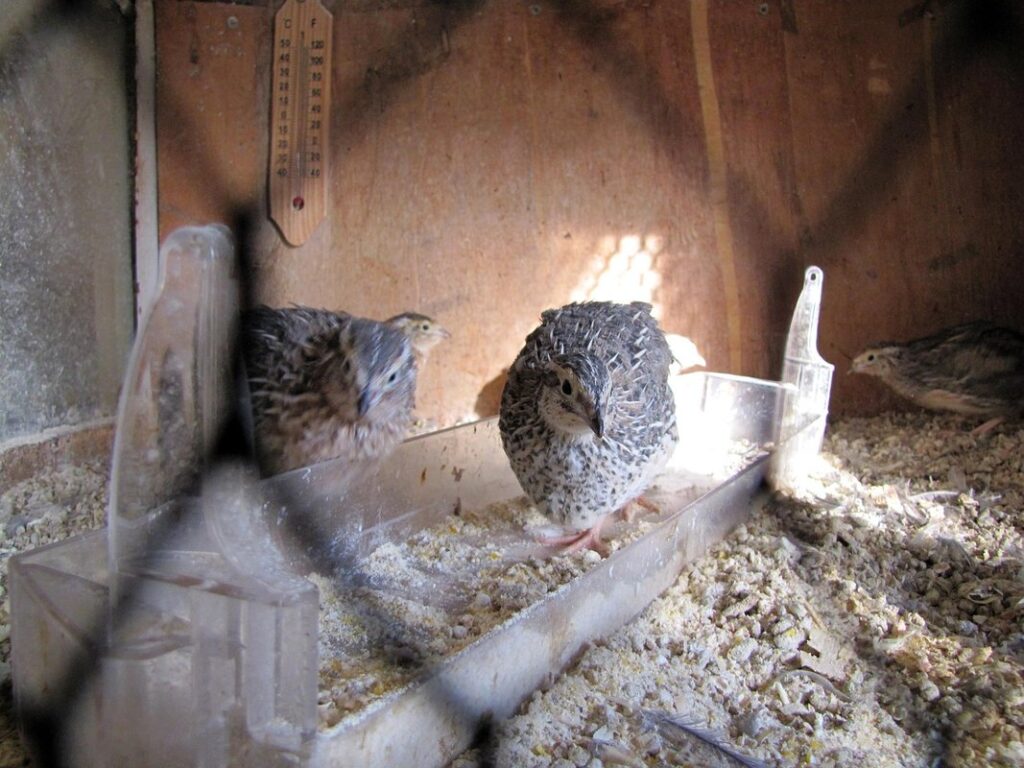
Introduction to Quail Cages
If you’re new to raising quails, getting familiar with their living space is essential. Let’s start by covering the basics of a quail cage, its purpose, and what to consider when choosing one.
Types of Quail Cages
When it comes to choosing the right quail cage for your feathered friends, one of the most important decisions you’ll need to make is selecting from the various types of cages available. The good news is that there’s a wide range of options to suit different needs and preferences.
Let’s start with cage size. Quails come in varying sizes, so it’s essential to choose a cage that provides ample space for your birds to move around comfortably. A general rule of thumb is to provide at least 2-3 square feet of floor space per bird. Larger cages are also available, ideal for bigger quail flocks or for those who want to offer their birds plenty of room to roam.
Cage materials are another crucial consideration. You can choose from durable plastic cages, sturdy metal enclosures, or even elegant wooden aviaries. Some cages come with a combination of materials for added strength and durability.
Some designs also cater specifically to the needs of quail breeders or keepers who want to prioritize egg-laying or chick-rearing. These specialized cages often feature additional features like nesting boxes, perches, and easy-clean layouts.
Benefits of a Good Quail Cage
A good quail cage can have a profound impact on the well-being of your birds. When designed and built with their needs in mind, these enclosures can significantly improve the health, happiness, and productivity of your quails.
First and foremost, a good quail cage ensures the physical safety and security of your birds. With secure latches and sturdy construction, you can rest assured that they won’t be able to escape or get injured while trying to fly out. This peace of mind allows them to relax and focus on their natural behaviors, such as foraging and socializing.
Proper ventilation in a quail cage is also essential for maintaining optimal health. A well-designed cage will have adequate airflow, preventing the buildup of ammonia from their droppings and reducing the risk of respiratory problems. Furthermore, a clean environment contributes to reduced stress levels, which in turn promotes healthier plumage and a stronger immune system.
In addition to improved health and happiness, a good quail cage can also boost productivity. When birds have ample space to move around, forage, and engage in natural behaviors, they are more likely to lay eggs regularly and maintain their overall well-being.
Choosing the Right Size for Your Quail Cage
When it comes to setting up your quails’ home, choosing the right size cage is crucial to ensure their health and happiness. Let’s dive into the factors that will help you make this important decision.
Measuring Your Quail Flock
When it comes to housing your quail flock, determining the ideal cage size is crucial for their health and well-being. To ensure you’re providing enough space for your birds, you’ll need to measure your quail flock carefully. Start by counting the number of quails you plan to keep in the cage, as a general rule, 1-2 square feet per bird is recommended.
Next, consider the growth rate of your quails. Baby quails, in particular, require more space as they grow and mature, so factor this into your calculations. For example, if you’re keeping 10 baby quails in the cage, you’ll need a minimum of 20-40 square feet to accommodate them.
It’s also essential to consider the breed of your quails. Some breeds, such as button quails, are more compact and require less space than others. Be sure to research specific space requirements for your breed. With these factors in mind, you can create a plan for the ideal cage size for your flock, ensuring they have ample room to roam and thrive.
Factors Affecting Cage Size Requirements
When choosing the right cage size for your quail flock, it’s essential to consider factors beyond mere square footage. The breed, age, and activity level of your birds can significantly impact their spatial needs.
For instance, some breeds are naturally more active or territorial than others. For example, if you have a group of Szechuan quails, which are known for their high energy levels, you’ll need to provide them with ample space to roam and exercise. On the other hand, older birds may require less space due to decreased mobility.
Age is another critical factor. Young quails, especially those under six months old, need plenty of room to grow and move around freely. A cage that’s too small can hinder their development and lead to behavioral issues. As your quails mature, you’ll need to reassess the cage size to ensure it remains adequate.
Assessing your birds’ activity levels is also crucial. Quails with high energy will require more space than those with lower activity levels. Observe your flock’s behavior, taking note of how much time they spend foraging, flying, and engaging in other activities. This will help you determine the minimum cage size required to keep them happy and healthy.
Cage Materials: What to Consider
When choosing materials for your quail cage, there are a few things to consider that will ensure it’s safe and comfortable for your birds. Let’s take a closer look at some of these key factors.
Pros and Cons of Different Materials
When choosing materials for your quail cage, it’s essential to consider the pros and cons of each option. Wire mesh cages are a popular choice due to their durability and ease of cleaning. However, they can be noisy and may require more space to accommodate the necessary ventilation.
On the other hand, plastic cages offer a sleek and modern design but can retain heat and humidity, making them less suitable for quail keeping. Wood cages provide a natural look and feel but can be prone to warping or rotting if not properly treated.
Some key considerations when selecting materials include ease of cleaning, durability, ventilation, and the overall health and well-being of your quails. You’ll also want to think about the space constraints in your home and whether you have enough room for adequate ventilation and airflow. Ultimately, the right material will depend on your specific needs and preferences.
In terms of practical advice, it’s a good idea to consider materials that are easy to clean and sanitize, such as wire mesh or plastic cages with removable parts. Regular cleaning is crucial to maintaining a healthy environment for your quails.
Durability and Maintenance Considerations
When choosing a quail cage material, it’s essential to consider not only the initial cost but also its durability and maintenance requirements. Different materials can significantly impact how often you need to clean, replace parts, and perform repairs.
For instance, wire cages are easy to clean and maintain but may rust over time, requiring periodic painting or replacement of rusty sections. On the other hand, plastic cages are generally more durable but can crack or break if dropped. Wooden cages offer a natural look but may require frequent sanding and staining to prevent rotting.
To minimize maintenance, opt for cage materials that are easy to clean, such as those with removable trays or smooth surfaces. Also, consider using rust-resistant wire or powder-coated finishes to extend the life of your quail cage. Regular inspections can help identify potential issues before they become major problems. Always keep in mind the lifespan of your chosen material and plan for replacements accordingly.
Setting Up Your Quail Cage
To create a safe and happy home for your quails, you’ll need to set up their cage carefully. This involves selecting the right size and equipment for your birds.
Essential Equipment for Your Quail Cage
When it comes to setting up your quail cage, having the right equipment is essential for keeping your feathered friends happy and healthy. A nesting box is a must-have for your quails, as they will need a safe place to lay their eggs. Choose a nesting box that’s specifically designed for quails, with a small entrance hole to prevent them from getting stuck. Place it in a quiet, secluded area of the cage where your quails can retreat when needed.
Perches are also crucial for your quail’s overall health and well-being. Quails need regular exercise to stay healthy, so providing perches at different levels will encourage them to climb and stretch their wings. Use sturdy perches made from wood or plastic that won’t splinter or break easily.
Don’t forget about feeders! Choose a feeder that’s specifically designed for quails, with small holes to prevent food from spilling out. You can also consider using multiple feeders at different levels of the cage to encourage your quails to move around and get some exercise while eating.
Tips for Cleaning and Maintaining Your Quail Cage
When it comes to keeping your quail cage clean and well-maintained, regular cleaning is essential. Start by removing all the quails from their cage and placing them in a safe, enclosed area such as a carrier or a separate room. This will prevent them from escaping while you clean the cage.
Begin by removing soiled bedding material, such as wood shavings or paper-based products, and replacing it with fresh ones. Clean any food and water dishes thoroughly and refill them with fresh supplies. Use a mild detergent to scrub away any stubborn stains on the walls of the cage.
Next, disinfect all surfaces with a pet-safe cleaning solution, paying particular attention to areas around food and water sources. Rinse everything thoroughly to remove any soap residue. To prevent pest infestations, sprinkle diatomaceous earth or activated charcoal in the bedding material.
Regular maintenance is just as crucial as deep cleaning. Set aside time each day to spot-clean the cage by removing any droppings or uneaten food. This will keep the quails healthy and happy.
Common Mistakes to Avoid When Building or Choosing a Quail Cage
When it comes to building or choosing a quail cage, there are several pitfalls to watch out for that can compromise your birds’ health and happiness. Don’t let these common mistakes hold you back from raising happy, healthy quails.
Understanding Local Regulations and Zoning Laws
Before bringing home your adorable quail chicks, it’s essential to familiarize yourself with local regulations and zoning laws regarding backyard chicken-keeping. These may seem like minor details, but they can significantly impact your quail-raising experience. To avoid unexpected surprises or fines, start by researching the specific ordinances in your area.
Check if your city or county has any regulations on keeping birds, including quails, as pets. Some areas might have restrictions on the number of quails you can keep, while others may require special permits or licenses. For instance, some neighborhoods might have noise ordinances that could be triggered by your quail’s loud chirping.
You should also review zoning laws to ensure that your backyard is zoned for keeping animals. If not, you might need to explore other options, such as consulting with local authorities or seeking out a suitable location elsewhere.
To get started, contact your local government office or visit their website to learn more about backyard chicken-keeping regulations in your area.
Red Flags for Potential Health Risks
When it comes to building or choosing a quail cage, there are several red flags that can indicate potential health risks for your birds. One common issue is inadequate ventilation, which can lead to respiratory problems and stress. A poorly designed cage may not provide enough space for the birds to move around, resulting in frustration and aggression.
Another crucial aspect is cleanliness. Failing to clean the cage regularly can lead to the buildup of bacteria and ammonia, causing harm to your quails. In fact, studies have shown that quails are highly sensitive to environmental stressors, and even a small amount of ammonia can be toxic to them.
To avoid these issues, make sure to prioritize proper ventilation and regular cleaning schedules. Ensure that the cage has adequate airflow and is designed with easy-access areas for quick cleanups. Consider using materials like metal or plastic that are easy to sanitize and resistant to bacterial growth. By being mindful of these potential red flags, you can create a safe and healthy environment for your quails to thrive.
Tips for Maximizing Egg Production in Your Quail Cage
To maximize egg production in your quail cage, you’ll want to focus on providing a nutritious diet and ensuring optimal living conditions. This includes making some crucial adjustments.
Creating an Optimal Environment for Egg Laying
Creating an optimal environment for egg laying is crucial to maximize production and ensure the overall health of your quails. To encourage a stress-free environment that stimulates egg laying, you’ll want to consider factors such as temperature, humidity, lighting, and nesting boxes.
First, make sure the cage’s temperature range falls between 60°F and 80°F (15°C and 27°C), which is ideal for most breeds of quails. Avoid placing your quail cage near drafty areas or heating vents to prevent sudden changes in temperature that can stress the birds.
Next, ensure adequate ventilation by providing one square foot of space per quail. Proper air circulation will help maintain a suitable humidity level between 50-60%. This will also reduce the risk of respiratory problems and keep your quails comfortable.
Finally, don’t forget about lighting. Quails need UVB light to synthesize vitamin D3, which is essential for calcium absorption and strong eggshell production. Install a low-wattage LED or fluorescent light specifically designed for poultry. Also, make sure nesting boxes are well-ventilated and provide enough space for your quails to comfortably lay their eggs. Aim for one box per 5-7 birds.
Nutritional Needs of Quails for Optimal Health and Productivity
When it comes to maximizing egg production in your quail cage, providing a balanced diet is crucial for optimal health and productivity. Quails have specific nutritional needs that must be met to ensure they stay healthy and produce eggs regularly. A well-planned diet should include a mix of proteins, carbohydrates, fats, vitamins, and minerals.
Quails require a high protein diet, with a minimum of 18% protein content in their feed. You can provide them with commercial quail feed or a homemade mix of grains, seeds, and vegetables like alfalfa, oats, and sunflower seeds. Fresh fruits like berries, apples, and carrots are also nutritious treats.
In addition to these basic nutrients, quails need calcium for strong eggshell production. You can supplement their diet with crushed oyster shells or dark leafy greens like kale and spinach. A balanced diet is essential for maintaining a healthy digestive system, preventing diseases, and promoting optimal egg production. Always ensure fresh water is available at all times to support the quail’s overall health.
To further enhance your quails’ nutritional intake, consider incorporating probiotics into their diet. Probiotics help maintain a healthy gut microbiome, which is essential for immune function and nutrient absorption.
Troubleshooting Common Issues with Your Quail Cage
Quails can be sensitive birds, and issues with their cage can quickly lead to stress and discomfort. Let’s tackle some common problems and find solutions to create a happy home for your feathered friends.
Identifying and Fixing Common Problems
One of the most frustrating problems you may encounter with your quail cage is an escape attempt by one or more birds. This can happen due to various reasons such as a loose door latch, inadequate cage size, or even boredom. To prevent this issue, ensure that your quail cage has a secure and sturdy door latch that cannot be easily opened. You should also consider adding some weight or obstacles around the door to make it harder for the birds to escape.
Another common problem is egg laying issues. Some owners may experience difficulty in collecting eggs due to their location within the cage, while others might face challenges related to egg health and fertility. To resolve this issue, ensure that your quail cage has enough nesting boxes with proper ventilation and adequate egg-laying space for each bird. Regularly clean the nesting boxes to prevent the buildup of bacteria and odors.
If you’re experiencing any issues with your quail cage, inspect it thoroughly and check if there’s any damage or wear and tear on the components that could be contributing to the problem. Address these issues promptly to maintain a healthy environment for your birds.
How to Improve Ventilation and Air Quality in Your Quail Cage
Quail health issues related to poor ventilation can be prevented with proper air circulation. One crucial aspect is ensuring adequate airflow within the cage. This can be achieved by providing a sufficient amount of space for each quail, usually about 4-5 square inches per bird.
Another effective method is adding some physical features such as ventilation windows or raised mesh flooring to promote cross-airflow and remove stagnant air. These components should be well-maintained and regularly cleaned to prevent dust buildup.
Air quality can also be improved by providing a clean bedding material, like wood shavings or shredded paper. Keep in mind that avoid using pine or cedar shavings as they release chemicals harmful to quails. It’s also essential to maintain humidity levels within the cage by ensuring it is not overcrowded and there are sufficient feeding and watering areas.
Some signs of poor ventilation include lethargy, difficulty breathing, and a dusty environment. Regularly inspect your quail’s health and adjust their living conditions accordingly.
Frequently Asked Questions
How Do I Determine If My Quail Cage is Ventilated Enough?
A well-ventilated quail cage is crucial for maintaining a healthy environment. Check the airflow by placing your hand near the ventilation openings or using a smoke pen to see if air moves through easily. Also, consider adding additional ventilation methods like mesh panels or vents to ensure optimal airflow.
Can I Use a Quail Cage That’s Too Small for My Flock Size?
No, it’s not recommended to use a quail cage that’s too small for your flock size. This can lead to stress and health issues in your birds due to overcrowding. Always measure your quail flock accurately before choosing or building a cage to ensure ample space for movement and comfort.
What Are Some Red Flags I Should Watch Out For When Setting Up My Quail Cage?
When setting up your quail cage, be on the lookout for potential health risks like sharp edges, toxic materials, or inadequate ventilation. Also, ensure that the cage is secure and won’t tip over easily to prevent accidents.
How Often Should I Clean and Disinfect My Quail Cage?
Regular cleaning and disinfection of your quail cage are essential for maintaining a healthy environment. Aim to clean the cage at least once a week, removing soiled bedding, cleaning food and water dishes, and disinfecting all surfaces with a pet-safe solution.
Can I Use a Pre-Existing Chicken Coop for Quails or Do I Need a Special Quail Cage?
While it’s tempting to repurpose a chicken coop for quails, these birds have different needs. A quail cage requires specific ventilation, temperature control, and nesting boxes to accommodate their unique requirements. It’s recommended to invest in a purpose-built quail cage designed with their needs in mind.