
As a quail enthusiast, you know that providing the right nutrition is crucial for your feathered friends to grow strong and healthy. But with so many game bird starter feeds on the market, it can be overwhelming to choose the one that meets their unique needs. Quails require a balanced diet rich in protein, vitamins, and minerals to thrive – but what are the key nutrients they need, and how do you know if your feed is providing them? In this article, we’ll break down the importance of selecting a nutritious game bird starter feed for quail and guide you through the process of choosing the right formula for healthy development. Whether you’re a seasoned breeder or just starting out, this post will help you make informed decisions about your quails’ diet.
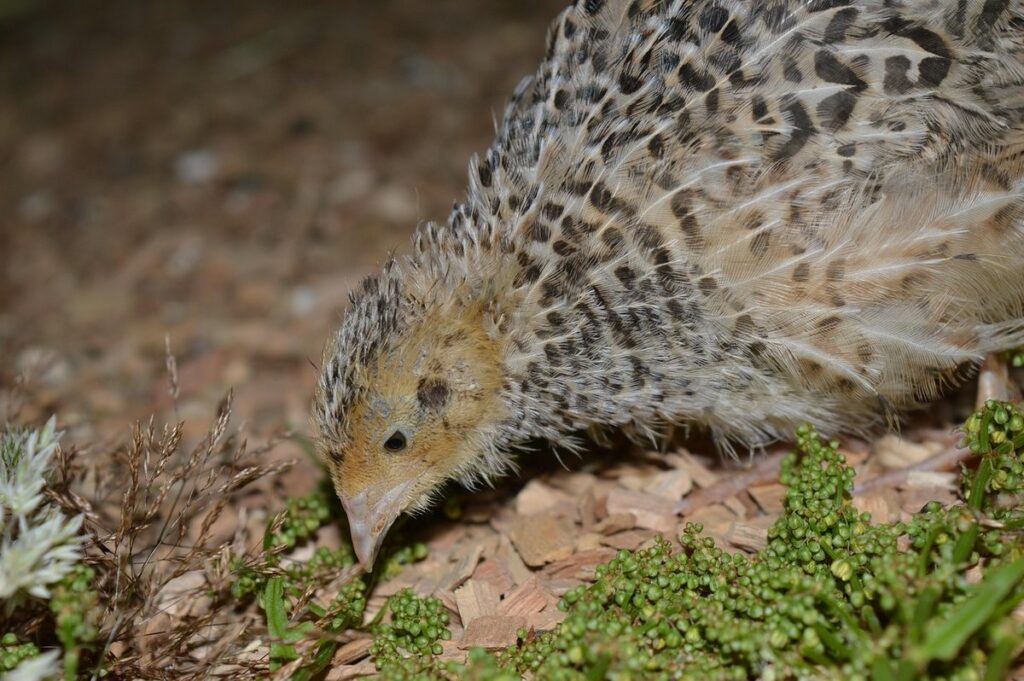
Understanding Quail Nutrition Needs
To ensure you’re providing the best care for your quail, it’s essential to understand their specific nutritional needs and how they differ from other birds. Let’s dive into what your quail require to thrive.
Quail Nutritional Requirements at Different Stages of Growth
Quails have distinct nutritional requirements that change as they grow from hatch to maturity. At hatching, quail chicks require a nutrient-rich starter feed that’s high in protein (20-22%) and fat content (10-12%). This helps them develop rapidly during their first week of life.
As they transition into the growth phase, around 4-6 weeks old, quails need a feed with slightly lower protein levels (18-20%) but higher energy content to support their accelerated growth. It’s essential to switch to a starter feed formulated specifically for game birds like quails during this stage.
During the finisher phase, typically between 8-12 weeks, quails require less protein (16-18%) and more energy to promote optimal weight gain. Feeds with added calcium and phosphorus support strong bone development in older quails.
Choosing a starter feed that meets these specific growth stages is crucial for healthy growth and optimal production in your quail flock.
Importance of a Balanced Diet for Healthy Quail Development
A balanced diet is crucial for quails to develop strong immune systems and grow into healthy birds. When it comes to their nutritional needs, quails require a mix of protein, carbohydrates, fats, vitamins, and minerals that are often lacking in their natural environment. A well-planned diet can prevent health issues such as poor feather growth, weak legs, and respiratory problems.
To ensure your quail gets the necessary nutrients, focus on providing a balanced feed that includes:
* High-quality proteins from sources like insects or seeds
* A mix of vitamins (A, D3, E, K) and minerals (calcium, phosphorus)
* Adequate fiber for healthy digestion
* Essential fatty acids to support growth and development
You can also supplement their diet with fresh fruits and vegetables, but make sure not to overdo it. A good rule of thumb is to provide about 5-10% of their daily ration as treats. By providing a balanced diet, you’ll set your quail up for optimal health and development, which will make them more resilient to diseases and better equipped to thrive in captivity.
Types of Game Bird Starter Feed Available
When it comes to selecting a starter feed for your quail, you’ll find various types available, each catering to different nutritional needs and ages. Let’s explore these options in more detail below.
Commercial Starter Feeds vs. Homemade Mixes
When it comes to game bird starter feed for quail, two popular options are commercial feeds and homemade mixes. While both have their advantages and disadvantages, understanding the pros and cons of each can help you make an informed decision.
Commercial game bird starter feeds are widely available and offer a convenient solution for small-scale and large-scale operations alike. They are formulated to meet the nutritional needs of quail from hatch to weaning, ensuring they grow strong and healthy. Additionally, commercial feeds often contain added nutrients like probiotics, vitamins, and minerals that support immune function and overall well-being. However, some critics argue that these feeds may be too expensive for small-scale operations or those on a tight budget.
On the other hand, homemade mixes offer an affordable alternative to commercial feeds. By mixing your own grains and supplements, you can create a feed tailored to your quail’s specific needs. This approach allows for greater flexibility and customization, making it ideal for small-scale operations or backyard breeders. However, creating a balanced homemade mix requires careful attention to detail and expertise in nutritional formulation.
Ultimately, the choice between commercial feeds and homemade mixes depends on your specific operation’s needs and resources. If you value convenience and don’t mind investing in high-quality feed, commercial options may be the best fit. But if you’re on a tight budget or prefer a more hands-on approach, creating your own homemade mix can provide significant cost savings and flexibility.
Organic, Non-GMO, and Specialty Feeds
When it comes to choosing a game bird starter feed for your quails, you may come across terms like organic, non-GMO, and specialty feeds. These options can be appealing, but it’s essential to understand their benefits and drawbacks.
Organic feeds are made from crops grown without synthetic pesticides, herbicides, or fertilizers. While they may seem like a healthier option for your quails, the truth is that organic feed can be more expensive than conventional feed. However, if you’re raising quails for eggs or meat and want to avoid using chemical-based products on your land, organic feed might be worth the investment.
Non-GMO feeds, on the other hand, are made from crops that haven’t been genetically modified. This option is a good choice if you’re concerned about the long-term effects of GMOs on animal health. However, some non-GMO feeds may still contain additives and preservatives that you might not want to expose your quails to.
Specialty feeds often cater to specific nutritional needs or lifestyle requirements, such as free-range or pasture-raised quails. These feeds can be more expensive than standard game bird starter feed but offer tailored nutrition for unique living situations.
Ultimately, the choice between organic, non-GMO, and specialty feeds depends on your individual circumstances and priorities. If cost is a major concern, conventional feed might still provide adequate nutrition for your quails. However, if you’re willing to invest in healthier options or cater to specific nutritional needs, these alternatives can be a good choice.
Factors to Consider When Selecting a Game Bird Starter Feed
When selecting a game bird starter feed for your quail, there are several key factors to consider that will ensure your birds receive the right nutrition from the start. Let’s break down what matters most.
Quail Species-Specific Needs
When selecting a game bird starter feed for quails, it’s essential to consider the unique nutritional requirements of different species. Button quails, for example, have a higher protein requirement than Chinese painted quails. A diet rich in protein is crucial for button quails as they grow rapidly and need energy for muscle development.
On the other hand, Chinese painted quails require more calcium due to their larger egg size. A balanced feed with sufficient calcium content will support their reproductive health and ensure strong eggshell production. It’s also worth noting that some quail species may have specific vitamin or mineral requirements that need to be met.
To choose the right starter feed for your quails, research the nutritional needs of your specific breed. Consult with a veterinarian or experienced breeder if necessary. Look for feeds specifically formulated for your quail species and follow the manufacturer’s feeding guidelines carefully. By considering these unique requirements, you can provide optimal nutrition for your quails’ growth and health.
Environmental and Climate Considerations
When selecting a game bird starter feed for quail, it’s essential to consider the environmental and climate factors that can impact their nutrition needs. Temperature and humidity levels can significantly affect quails’ energy requirements, digestive efficiency, and overall health.
In hot and humid environments, quails may require more energy to maintain body temperature, making them more susceptible to heat stress. Feeds formulated with higher protein levels or specific nutrient profiles can help mitigate these effects. On the other hand, in cooler temperatures, quails may need less energy for thermoregulation, allowing them to allocate resources towards growth and development.
To choose a suitable starter feed, consider the average temperature range of your region during the growing season. If you’re raising quail in an extremely hot climate, look for feeds with built-in heat stress management or high-protein formulas. Conversely, if you’re in a milder climate, opt for a standard starter feed that balances growth and energy needs. Additionally, ensure the feed is formulated to accommodate varying humidity levels to prevent digestive issues.
Key Nutrients to Look for in a Game Bird Starter Feed
When selecting a game bird starter feed for your quail, it’s essential to look for key nutrients that will fuel their growth and development during this critical phase. These nutrients include protein, calcium, and vitamins crucial for optimal health.
Protein Content and Sources
When it comes to selecting a game bird starter feed for quail, protein content is one of the most critical factors to consider. Quails require a diet rich in protein to support their rapid growth and development. As a general rule, quails need at least 16% protein in their feed during the first few weeks of life.
Common sources of protein in game bird starter feeds for quail include insects, grains, and plant-based ingredients like soybean meal. Insects such as crickets, mealworms, or black soldier flies are excellent protein sources, providing a nutrient-rich diet that is easy to digest. Grains like wheat, oats, and barley also contribute to the overall protein content of the feed.
When evaluating the protein content of a game bird starter feed, look for feeds with a high concentration of protein from whole grains and plant-based ingredients. These feeds are often labeled as “high-protein” or “performance” feeds. Additionally, consider feeds that contain added amino acids like lysine and methionine to ensure your quails receive a balanced diet.
Vitamin and Mineral Requirements
When it comes to choosing a game bird starter feed for quails, ensuring that it contains the right vitamins and minerals is crucial. These essential nutrients play a vital role in supporting the growth and development of young quails.
Vitamin A is particularly important as it promotes healthy vision, immune function, and skin integrity. Quails require around 1,500 IU (International Units) per kilogram of feed to prevent vitamin A deficiency. Calcium is another critical component, responsible for building strong bones and beaks. The recommended level should be at least 2% calcium content in the starter feed.
Phosphorus is also essential for bone development, while vitamin D3 helps with calcium absorption. Quails require around 1,000 IU of vitamin D3 per kilogram of feed to maintain optimal health. Magnesium and potassium are also crucial for energy production and nerve function. A well-balanced game bird starter feed should contain these essential vitamins and minerals in the correct proportions to ensure healthy growth and development of young quails. Consult with a poultry expert or veterinarian to determine the specific requirements for your flock.
Tips for Transitioning Quail to Game Bird Starter Feed
When transitioning your quail from starter feed to game bird starter feed, it’s essential to do so gradually to avoid digestive upset. A step-by-step approach will help ensure a smooth transition for your flock.
Gradual Introduction of New Feed
When introducing new feed to quails, it’s crucial to do so gradually to prevent digestive upset and other health issues. A sudden change in diet can be stressful for the birds, leading to a range of problems including diarrhea, lethargy, and even weight loss.
To avoid these complications, start by mixing a small amount of the new feed with their existing starter feed. For example, you could begin by adding 25% of the new feed to their usual diet and gradually increase this proportion over time. This approach allows your quails’ digestive system to adjust to the new ingredients without causing any undue stress.
Monitor your birds closely during this transition period, watching for signs of discomfort or illness such as changes in droppings, appetite, or behavior. If you notice any adverse reactions, slow down the introduction process and reassess your approach.
Typically, it’s best to introduce new feed over a period of 7-10 days, allowing your quails to adapt gradually. This will help ensure a smooth transition and minimize the risk of digestive upset or other health issues. Remember, patience is key when introducing new food sources to your quail flock!
Monitoring Quail Health and Adjusting Feed as Needed
Monitoring quail health closely is crucial when transitioning them to game bird starter feed. Keep an eye on your birds’ individual needs and adjust their feed accordingly. Look for changes in behavior, such as increased lethargy or lack of appetite, which can indicate that something is off.
Weight gain should be steady, but not rapid. A slow and steady increase in weight is ideal. If you notice a bird struggling to keep up with its peers, it may need more feed or a different mix. Consult your feed supplier for advice on adjusting the formula.
Regularly check water intake as well – quail need access to clean, fresh water at all times. A general rule of thumb is to provide 1-2% of body weight in water per day. Make sure the quails’ living quarters are draft-free and well ventilated to prevent respiratory issues.
Adjusting feed can be done by mixing it with the current feed or switching entirely to a different formula. Monitor your birds closely after making changes, watching for signs that they’re thriving on their new diet.
Frequently Asked Questions
Can I use a game bird starter feed for quail that’s formulated for other birds, like chickens?
Yes, you can use a starter feed formulated for chickens as a temporary solution, but it’s not the best choice for quails. Chickens and quails have different nutritional requirements, so using a feed specifically designed for quails is essential to ensure they receive the necessary nutrients for optimal growth.
How long does it take for quail chicks to adapt to new game bird starter feed?
Quail chicks typically take around 24-48 hours to adjust to a new game bird starter feed. Gradually introducing the new feed, as discussed in our article, is crucial to prevent digestive upset and ensure a smooth transition.
What if I notice health issues in my quails despite using a high-quality game bird starter feed?
If you notice any adverse reactions or health issues in your quails after switching to a game bird starter feed, reassess the feed’s quality, nutrient content, and manufacturing process. Consult with a veterinarian for guidance on addressing specific health concerns.
Are there specific environmental factors that affect the nutritional needs of quail birds?
Yes, environmental conditions such as temperature, humidity, and exposure to sunlight can impact the nutritional requirements of your quails. For example, in hot climates, you may need to provide more energy-rich feed to compensate for increased heat stress.
Can I mix my own game bird starter feed using individual ingredients or supplements?
While it’s technically possible to create a custom game bird starter feed, this approach requires extensive knowledge and experience in poultry nutrition. It’s generally recommended to rely on commercial feeds that have been formulated by experts to ensure your quails receive a balanced and complete diet.