
If you’re considering adding some feathered friends to your backyard farm, choosing the right breed can be a daunting task. Two popular options for beginners and experienced farmers alike are the Barred Rock and Plymouth Rock chickens. But how do these two breeds compare? While they share some similarities in terms of their gentle nature and high egg production, there are also some key differences when it comes to their history, characteristics, and management needs. In this article, we’ll delve into the world of Barred Rocks and Plymouth Rocks, exploring their unique traits, health considerations, and tips for successfully raising either breed in your backyard farm. By the end of this post, you’ll have a better understanding of which breed is right for you and your flock.
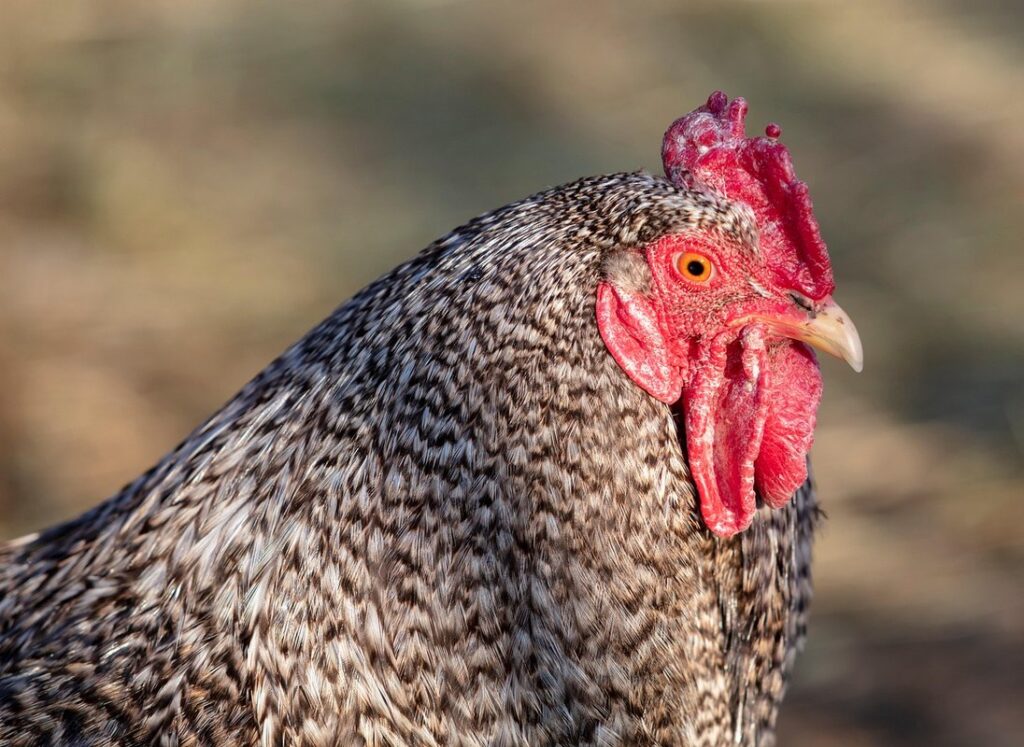
History of Both Breeds
To truly appreciate these beloved breeds, let’s take a step back and explore how they came to be, tracing their origins from humble beginnings in New England.
Origins of Barred Rocks
The Barred Rock breed has its roots in the United States, where it was developed from English Orpingtons and other breeds. In the early 20th century, farmers sought to create a hardy, egg-laying chicken that could thrive in a variety of environments. The resulting bird, the Barred Rock, quickly gained popularity due to its striking appearance and impressive egg production.
One of the key characteristics of the Barred Rock is its calm temperament, making it an excellent choice for backyard farmers with families or those new to raising chickens. Early breeders selectively bred the Barred Rocks to emphasize these friendly traits, which have remained a hallmark of the breed to this day.
Today, the Barred Rock remains a popular choice for many chicken enthusiasts due in part to its robust constitution and adaptability. As a result, they can be found on small farms and homesteads across the country. If you’re considering adding a flock of Barred Rocks to your backyard, look for birds from reputable breeders who prioritize the breed’s original characteristics and temperament.
Early Development of Plymouth Rocks
The early development of Plymouth Rock chickens dates back to the late 19th century in the United States. These dual-purpose birds were bred specifically for their ability to produce both high-quality meat and a significant number of eggs. The original goal was to create a hardy, adaptable bird that could thrive on small farms and homesteads.
The development of Plymouth Rock chickens can be attributed to William Youndale, who first introduced the breed in 1844. However, it wasn’t until the late 1800s that the breed gained widespread popularity. The American Poultry Association officially recognized the Plymouth Rock as a distinct breed in 1888.
One key milestone in the development of Plymouth Rocks was their ability to withstand cold temperatures and harsh weather conditions. This made them an ideal choice for farmers who lived in areas with extreme climates. Additionally, their friendly and docile nature made them suitable for backyard flocks.
The original Plymouth Rock breed was a result of crossing various breeds such as the Cochin, Brahma, and Dominique. This combination of genetics enabled the breed to excel in both meat and egg production, making it a valuable asset to many small-scale farmers.
Breed Characteristics: Physical and Temperament
When it comes to choosing a chicken breed, understanding their physical characteristics and temperament is crucial for both beginners and seasoned backyard farmers. In this next part of our guide, we’ll delve into these essential aspects of Barred Rocks and Plymouth Rocks.
Size and Weight Variations
When it comes to size and weight variations between Barred Rock and Plymouth Rock chickens, there are some notable differences. On average, a mature male Barred Rock can weigh anywhere from 8-12 pounds (3.6-5.4 kg), while the female typically weighs around 6-9 pounds (2.7-4 kg). In contrast, a mature male Plymouth Rock is slightly smaller, weighing between 6-10 pounds (2.7-4.5 kg), with females weighing approximately 5-8 pounds (2.3-3.6 kg).
These weight variations can impact their utility for various farming needs. For instance, if you’re looking to raise chickens for meat production, the larger Barred Rock males may be a better choice due to their greater weight and muscle mass. However, if you prioritize egg-laying capacity and want a more manageable size for your flock, the smaller Plymouth Rock females might be a better fit.
It’s worth noting that individual birds can vary significantly from these averages, so it’s essential to consider factors beyond just weight when selecting a breed for your farm or backyard flock.
Egg-Laying Capacities
When it comes to egg-laying capacities, both Barred Rock and Plymouth Rock breeds have their own unique strengths and weaknesses. On average, a healthy Barred Rock hen will lay around 200-220 brown eggs per year, with some individuals producing up to 280 eggs in ideal conditions. Their eggs are known for being large and rich in color.
In contrast, Plymouth Rock hens tend to be slightly more prolific, laying an average of 250-280 brown eggs per year. However, their egg size can vary depending on factors such as diet and nutrition.
One thing to note is that both breeds have a relatively high fertility rate, with around 90% of fertile eggs coming from these birds. However, Plymouth Rock hens may require slightly more coaxing to produce the same number of eggs per year. As a general rule, it’s essential to provide both breeds with adequate nutrition, fresh water, and proper care to ensure optimal egg production.
It’s also worth considering that both breeds are prone to broodiness, meaning they may stop laying eggs if they become too focused on mothering their chicks.
Health Considerations for Both Breeds
When choosing between Barred Rocks and Plymouth Rocks, it’s essential to consider the potential health concerns of each breed. This section will explore the common health issues associated with both breeds.
Common Health Issues
Both Barred Rock and Plymouth Rock chickens are prone to several health issues that farmers should be aware of. One common problem is obesity, which can lead to a range of complications including heart disease, diabetes, and reduced egg production. To prevent this, ensure your birds have access to plenty of space for exercise and provide them with a balanced diet that’s not over-reliant on high-energy foods.
Another issue that affects these breeds is egg binding, where the hen experiences difficulty laying eggs due to various factors such as poor calcium intake or stress. Monitor their behavior closely, and ensure they have adequate access to fresh water and a calcium-rich diet to minimize this risk. Feather pecking is also a problem in both breeds, often caused by boredom or stress. To mitigate this, provide plenty of enrichment activities and rotate your flock’s environment regularly.
It’s essential to implement regular health checks for your flock, including monitoring their egg-laying habits, weight, and behavior. Regular exercise and mental stimulation can go a long way in preventing these issues, so make sure you’re providing an engaging and stimulating environment for your birds.
Nutritional Requirements
When it comes to feeding your Barred Rock and Plymouth Rock chickens, understanding their nutritional requirements is crucial for their overall health and well-being. Both breeds have unique needs based on their size, energy expenditure, and life stages.
Plymouth Rocks are larger than Barred Rocks, requiring more protein and calories to support their growth and production. A starter diet rich in calcium (1.2-1.5%) is essential for developing strong bones during the first 16 weeks of age. As they mature, a laying hen’s diet should be formulated with around 15-17% protein to maintain egg production.
Barred Rocks, being smaller, still require adequate nutrition but at lower levels. A balanced starter feed containing 1.0-1.2% calcium is suitable for their growth phase. Later, as they mature into layers, a diet rich in vitamins and minerals, along with 14-16% protein, will support their egg-laying needs.
It’s essential to provide a balanced diet that meets the specific nutritional requirements of each breed at different life stages. For example, a laying hen needs more calcium than a grower to maintain strong eggshell production.
Housing and Management Considerations
When it comes to raising Barred Rocks and Plymouth Rocks on your homestead, understanding their housing needs is crucial for a harmonious and healthy flock. Let’s dive into some essential considerations.
Space and Comfort Needs
When it comes to housing and managing Barred Rock and Plymouth Rock chickens, their space and comfort needs are crucial considerations. Both breeds are known for their friendly and docile nature, but they still require adequate space to roam and engage in natural behaviors.
A good rule of thumb is to provide at least 2-3 square feet of floor space per bird inside the coop, with additional outdoor run space for exercise. For Barred Rock chickens, which can grow quite large, you may need to allocate more space to accommodate their size. A minimum of 8-10 hours of daylight exposure per day is also essential for these breeds, so consider the orientation and location of your backyard farm or coop.
In terms of comfort requirements, both breeds appreciate quiet spaces with adequate ventilation and protection from harsh weather conditions. Consider adding features like nesting boxes, roosting bars, and windows to provide visual stimulation and natural light. By meeting their space and comfort needs, you can help create a happy and healthy environment for your Barred Rock or Plymouth Rock chickens.
Environmental Adaptability
When it comes to environmental adaptability, both Barred Rock and Plymouth Rock chickens have shown remarkable resilience in various conditions. However, their ability to thrive in challenging environments is not entirely the same.
Barred Rocks are more tolerant of extreme temperatures, particularly heat. They can handle temperatures up to 90°F (32°C) without showing signs of distress. On the other hand, they may struggle with prolonged exposure to cold temperatures below 20°F (-7°C). To create a comfortable environment for your Barred Rock flock during cold snaps, consider providing a windbreak or insulating their coop.
In contrast, Plymouth Rocks are more sensitive to temperature fluctuations but can adapt better to humid environments. They prefer temperatures between 40°F (4°C) and 80°F (27°C) with moderate humidity levels. If you live in an area with high humidity, Plymouth Rock chickens might be a better choice for your flock.
To create a resilient flock that can thrive in challenging situations, consider the following tips:
* Provide adequate shelter and ventilation to protect your flock from extreme temperatures and weather conditions.
* Ensure access to fresh water and nutritious food at all times.
* Offer shade or cover during hot periods and windbreaks during cold snaps.
* Monitor your flock’s behavior and adjust their environment accordingly.
Flock Management Strategies for Success
Effectively managing your flock is crucial to their health and happiness, so let’s dive into some practical strategies for a stress-free coop. We’ll cover tips on space planning, feeding, and monitoring for optimal results.
Breeding Programs
Effective breeding programs are crucial for maintaining the health and quality of Barred Rock and Plymouth Rock chickens. When it comes to selecting suitable roosters for these breeds, look for individuals with desirable traits such as strong egg-laying abilities, friendly temperaments, and robust health. It’s essential to consider genetic diversity when choosing roosters to avoid inbreeding and maintain the overall fitness of your flock.
To ensure a comprehensive breeding plan, start by identifying your goals – whether it’s improving egg production or enhancing plumage quality. Develop a selection criteria based on these objectives and prioritize traits that align with them. Implement a rotation system for breeding, allowing you to evaluate multiple roosters and hens each year. Regularly monitor the performance of your breeding stock and make adjustments as needed.
Maintaining genetic diversity can be achieved through outbreeding or introducing new genetics from reputable breeders. This will help prevent the loss of desirable traits and minimize the risk of genetic disorders. By prioritizing a well-planned breeding program, you’ll be able to produce high-quality chicks that meet your needs while also preserving the integrity of these popular breeds.
Integrated Health and Nutrition Planning
When it comes to managing your Barred Rock and Plymouth Rock flock, incorporating integrated health and nutrition planning is essential for maintaining bird well-being and optimizing production efficiency. This proactive approach ensures your chickens remain healthy, productive, and happy.
To start, focus on providing a balanced diet that meets the unique nutritional needs of your birds. Consider consulting with a poultry expert or veterinarian to determine the best feed options for your flock. A well-formulated feed will help support optimal health, energy levels, and egg production. For example, adding supplements like oyster shells can provide essential calcium for strong eggshells.
Regular monitoring of your flock’s health is also crucial. Keep an eye out for signs of illness, such as changes in droppings, appetite, or behavior. Implement a regular vaccination schedule to protect against common diseases. Additionally, maintain clean and well-ventilated living quarters to prevent the spread of pathogens.
Implementing these integrated health and nutrition planning measures will not only boost your flock’s overall health but also lead to increased egg production and reduced stress levels for both you and your birds.
Choosing Between the Two Breeds
Now that you’ve learned about each breed’s unique characteristics, it’s time to decide which one is right for your backyard flock. This next step will help you weigh the pros and cons of each breed.
Key Differences to Consider
When deciding between Barred Rock and Plymouth Rock chickens, there are several key differences to consider. One of the most significant factors is egg-laying capacity. While both breeds are known for their high productivity, Plymouth Rocks tend to lay slightly more eggs per year than Barred Rocks. On average, a Plymouth Rock hen will produce around 200-220 eggs annually, while a Barred Rock will produce around 180-200.
Another consideration is meat quality. Both breeds can be used for meat production, but the flavor and texture of the meat differ slightly. Plymouth Rock chickens tend to have a milder flavor and leaner meat than Barred Rocks, which are known for their rich, gamey taste. If you’re looking to raise chickens specifically for meat, this might be an important factor.
In terms of overall durability, both breeds are relatively hardy and long-lived. However, Plymouth Rocks tend to be slightly more resistant to heat stress and disease, making them a good choice for hot climates or large flocks. Ultimately, the decision between these two breeds will depend on your specific needs and goals as a farmer.
Decision-Making Factors for Backyard Farmers
When deciding between Barred Rock and Plymouth Rock chickens for your backyard farm, several decision-making factors come into play. As a backyard farmer, you need to consider the unique characteristics of each breed and how they align with your specific needs and goals.
Barred Rocks are generally more energetic and require regular exercise to stay happy and healthy. They’re also known for their high egg production, laying an average of 200-220 eggs per year. However, this comes at a cost: Barreds can be noisy, which may not be suitable for backyard farmers with noise restrictions or living in close proximity to neighbors.
On the other hand, Plymouth Rocks are slightly more docile and laid-back, making them a great choice for families or those new to chicken keeping. They’re also relatively quiet compared to Barreds, producing around 200 eggs per year. However, they do require regular grooming due to their single comb, which can be prone to frostbite in colder climates.
When choosing between these breeds, consider your available space and ability to provide the necessary exercise and attention. If you have a large backyard or are willing to invest time in regular feeding and cleaning, Barreds may be a great fit. But if you’re looking for a more low-maintenance option, Plymouth Rocks could be the better choice.
Ultimately, it’s essential to weigh your specific needs against the characteristics of each breed to make an informed decision that suits your lifestyle and goals. With proper care and attention, both breeds can thrive in your backyard farm, providing you with a steady supply of fresh eggs and entertainment for years to come.
Frequently Asked Questions
How Do I Choose Between Barred Rock and Plymouth Rock Chickens?
Both breeds are excellent choices for backyard farmers, but consider your specific needs: do you need a smaller or larger flock, or are you looking for a breed with specific egg-laying capacities? Think about the space you have available, as well as any health considerations you may need to address. Both breeds have their pros and cons; weighing these factors will help you make an informed decision.
What Are Some Common Challenges When Raising Either Breed?
Both Barred Rock and Plymouth Rock chickens can be prone to certain health issues, such as mites or respiratory problems. Regular check-ups with a veterinarian, along with proper housing and nutrition, can go a long way in preventing these issues. Make sure you have a good understanding of their nutritional requirements, and consider integrating natural methods for pest control into your management strategy.
Can I Raise Both Breeds Together in the Same Flock?
Yes, many backyard farmers successfully raise both Barred Rock and Plymouth Rock chickens together. However, be aware that introducing new birds to an existing flock can sometimes lead to conflict or dominance issues. Introduce them slowly and under close supervision to ensure a harmonious integration.
How Do I Ensure My Chickens Have Adequate Space and Comfort?
Providing enough space for your chickens is crucial, especially as they grow and become more active. Consider the breed’s average adult size (Barred Rocks can reach up to 6 pounds) and plan accordingly, ensuring you have sufficient room for them to move around comfortably. Also, make sure their coop has adequate ventilation and protection from harsh weather conditions.
What Additional Health Measures Should I Take?
Regular health checks are essential, but also consider implementing a preventative care routine that includes vaccinations and parasite control measures. Ensure your flock has access to fresh water and nutritious feed at all times, and keep an eye out for any signs of illness or stress in individual birds.