
When it comes to fertilizing your garden or farm, you’ve likely heard about the benefits of using chicken manure. But did you know there are two types: hot and cold? Understanding the difference between these two can make a big impact on your yields and soil health. Hot chicken manure is rich in nitrogen, but also high in ammonia content, which can be detrimental if not handled properly. On the other hand, cold chicken manure is lower in nutrients, but safer to use and more gentle on plants. As you consider adding this natural fertilizer to your gardening or farming routine, it’s essential to know how to safely handle and apply both hot and cold chicken manure to reap its benefits without causing harm. In this article, we’ll break down the characteristics, benefits, and safe handling practices of both types.
Understanding Chicken Manure
Let’s dive into understanding chicken manure, starting with its composition and nutritional value, which is crucial for making informed decisions about composting.
What is Chicken Manure?
So you’re wondering what chicken manure is and what it’s used for? Chicken manure, also known as chicken waste or broiler litter, is the excrement produced by chickens, usually layer hens or broilers. It’s a valuable resource for farmers, gardeners, and eco-conscious individuals alike.
Chicken manure is high in nitrogen, phosphorus, and potassium, making it an excellent natural fertilizer. In fact, its nutrient content can be up to 20% higher than that of other organic fertilizers like cow or horse manure. This makes it a popular choice for gardeners looking to improve soil health without relying on synthetic fertilizers.
One of the most significant advantages of using chicken manure is its versatility. It can be used fresh, composted, or dried and processed into pellets or powder. Composting chicken manure creates a rich humus that retains moisture, suppresses weeds, and promotes healthy microbial activity in soil. When applied correctly, it can increase crop yields by up to 20% while reducing the need for synthetic fertilizers.
Types of Chicken Manure
When it comes to chicken manure, not all types are created equal. Understanding the differences between hot and cold varieties can make a significant impact on how you utilize this valuable resource on your farm. There are two primary categories of chicken manure: hot and cold.
Hot manure refers to the type produced by birds that have been fed high-protein feed or other nutrient-rich diets. This results in a more concentrated, higher-nitrogen output. Hot manure is typically darker in color, with a more pungent odor, and has a moisture content of around 30-40%. Examples of hot manure-producing birds include turkeys, game birds, and broiler chickens.
In contrast, cold manure comes from birds that have been fed standard-layer feed. This type of manure is lighter in color, with less odor, and has a higher moisture content – typically around 50-60%. Laying hens and breeder flocks are examples of birds producing cold manure.
When choosing between hot and cold manure for your needs, consider the specific requirements of your crops. Hot manure is often better suited for high-value crops that require intense nutrient loads, while cold manure can be used on a wider range of crops with less emphasis on nitrogen content.
Benefits of Using Chicken Manure
Using chicken manure as a natural fertilizer offers numerous benefits for gardeners and farmers. Not only is it an eco-friendly alternative to synthetic fertilizers, but it’s also rich in essential nutrients that promote healthy plant growth.
One of the primary advantages of using chicken manure is its high nitrogen content, which helps to boost crop yields. A single ton of dried chicken manure can contain up to 8-10% nitrogen, making it an excellent fertilizer for crops like corn and wheat. Additionally, chicken manure is also rich in phosphorus and potassium, two essential macronutrients that support plant development.
When using chicken manure as a fertilizer, it’s essential to note that it must be aged and composted before application. This process not only reduces the risk of over-fertilization but also makes the nutrients more readily available for plants. To apply chicken manure effectively, mix 2-3 inches of the compost into the soil before planting or use it as a mulch around established crops.
When done correctly, using chicken manure can significantly reduce reliance on synthetic fertilizers and promote sustainable agricultural practices.
Hot vs Cold Chicken Manure
When it comes to using chicken manure, you’re likely wondering whether hot or cold is better. In this next part of our guide, we’ll break down the differences between these two types of manure.
Characteristics of Hot Chicken Manure
Hot chicken manure is characterized by its high nitrogen content, typically above 20%, which makes it a valuable resource for farmers and gardeners. This type of manure is often rich in carbon and phosphorus as well, making it an excellent soil amendment for crop growth. One key distinction between hot and cold chicken manure lies in their nutrient profiles – hot manure tends to have more potassium and less calcium than its cold counterpart.
Another notable feature of hot chicken manure is its high pH level, often above 8. This can make it challenging to mix with other organic matter or use as a fertilizer without proper dilution. However, when properly managed, the nutrients in hot chicken manure can lead to significant increases in crop yields and improved soil health.
To effectively utilize hot chicken manure, it’s essential to balance its high nitrogen levels with sufficient carbon-rich materials to avoid over-ammonia production. A general rule of thumb is to mix one part hot manure with two parts dry, carbon-rich matter like straw or wood shavings. This helps mitigate potential environmental concerns while maximizing the benefits of this valuable resource.
Characteristics of Cold Chicken Manure
Cold chicken manure is characterized by its lower temperature and moisture content compared to hot manure. This is typically achieved through drying or composting processes that reduce the water content and minimize bacterial activity. The reduced moisture content makes it more convenient for storage and transportation, as it takes up less space and weighs less.
One of the key differences between cold and hot chicken manure is its pH level. Cold chicken manure tends to have a higher pH level due to the presence of ammonia and other nitrogen compounds that break down over time. This can affect plant growth and soil health if not managed properly.
Cold chicken manure also has a different nutrient profile compared to hot manure. It typically contains more potassium and less nitrogen, making it suitable for plants that require these nutrients in specific ratios. However, its low carbon-to-nitrogen ratio may lead to nitrogen deficiencies in some crops.
When handling cold chicken manure, it’s essential to ensure proper storage and application to avoid any adverse effects on soil health or plant growth. This includes regular monitoring of pH levels and nutrient content to adjust application rates accordingly. By understanding the characteristics of cold chicken manure, you can make informed decisions about its use in your garden or farm.
Comparison of Hot and Cold Chicken Manure
When it comes to using chicken manure on your garden or farm, you’re likely wondering whether hot or cold manure is better. The truth is, both types have their own set of benefits and drawbacks.
Hot chicken manure, which has not been composted yet, is typically used immediately after collection from the coop. It’s rich in nitrogen, phosphorus, and potassium (NPK), making it an excellent fertilizer for plants that require a lot of nutrients to grow quickly. However, hot manure can burn your plants if applied directly to the soil, so be sure to mix it with other compost materials or use it at the right dilution rate.
Cold chicken manure, on the other hand, has been allowed to sit and decompose for several months, reducing its ammonia content and making it safer to handle. It’s an excellent choice for adding organic matter to your soil, improving its structure, and supporting beneficial microbial activity. Cold manure is also a good option if you’re looking to reduce odors and pests associated with hot manure.
Ultimately, the decision between hot and cold chicken manure comes down to your specific needs and preferences. If you have plants that require rapid growth and high nutrient levels, hot manure may be the better choice. But if you’re looking for a more balanced fertilizer or want to improve soil health over time, cold manure is likely a better fit.
Preparing Chicken Manure for Use
Before using chicken manure as fertilizer, you’ll need to prepare it properly by following a few essential steps to ensure safety and effectiveness. This process is relatively straightforward.
Collecting and Storing Hot Chicken Manure
When it comes to collecting and storing hot chicken manure safely, there are several key steps you need to follow. First, it’s essential to understand that hot chicken manure is a valuable fertilizer due to its high nutrient content, but handling it improperly can lead to ammonia burn risks.
To collect hot chicken manure, use a dedicated collection point or area near the coop where droppings fall. Regularly scoop up the waste and place it in a separate container for storage. Avoid mixing hot and cold manures as this can reduce the fertilizer value of both.
Store collected hot chicken manure in a well-ventilated area to prevent ammonia buildup, which can cause respiratory issues. Consider using a covered bin with slats or holes to facilitate airflow while keeping pests out. Covering the manure will also help retain heat and moisture for optimal decomposition.
When handling hot chicken manure, always wear gloves to protect your skin from potential burn risks and wash hands thoroughly afterwards. Regularly inspect stored manure for signs of overheating or mold growth, taking immediate action if you notice any concerning changes.
Collecting and Storing Cold Chicken Manure
Collecting and storing cold chicken manure requires careful planning to maintain its quality and usability. When collecting, it’s essential to scoop up as much of the solid material as possible while leaving some moisture behind. This will help prevent ammonia gas from being released during storage.
Cold chicken manure can be stored in a variety of containers, including wooden pallets or bins with lids. However, ensure that these containers are well-ventilated and kept away from direct sunlight to prevent overheating. Aeration is crucial; consider using fans or drills with paddle attachments to periodically mix the material.
For efficient storage, keep the area where you collect and store cold chicken manure clean and dry. This will help minimize the risk of contamination and pest infestations. You can also implement a layering system by separating wet from dry materials. Remember, proper collection and storage are key to maintaining the quality of your cold chicken manure for use in gardens or as a fertilizer.
Applying Chicken Manure to Your Garden
When applying chicken manure to your garden, it’s essential to do so correctly to avoid damaging your plants and soil. One key consideration is the temperature of the manure. Hot manure can be applied as a top dressing or worked into the soil, but it’s crucial to ensure it has cooled down to at least 131°F (55°C) to prevent burning your plants’ roots.
A general rule of thumb is to mix 1-2 inches of hot compost into the top 6-8 inches of soil. This will allow the heat to dissipate and the nutrients to be released slowly, reducing the risk of over-fertilization. If you’re using cold manure, it’s best to incorporate it deeper into the soil to take advantage of its slow-release properties.
When applying chicken manure, also consider the following:
• Mix it with other organic matter like straw or compost to reduce odors and prevent over-fertilization.
• Apply it in thin layers, allowing each layer to break down before adding more to avoid creating anaerobic conditions.
• Avoid over-applying, as this can lead to nutrient imbalances and potential soil degradation.
Safety Precautions When Handling Chicken Manure
When handling chicken manure, it’s essential to take necessary precautions to avoid accidents and health risks. This includes proper disposal, protective gear, and safe storage techniques.
Health Risks Associated with Chicken Manure
Handling chicken manure can pose serious health risks due to its potential to harbor pathogens and other contaminants. One of the primary concerns is the presence of bacteria like Salmonella and E. coli, which can cause food poisoning if ingested. These microorganisms can also be airborne, making it easy for them to contaminate clothing, skin, and eyes.
According to the Centers for Disease Control and Prevention (CDC), improper handling of chicken manure has led to numerous outbreaks of salmonellosis in humans. This is often a result of inadequate personal protective equipment (PPE) or lack of proper training on safe handling practices.
To minimize the risk of infection, it’s essential to wear PPE, including gloves and masks, when handling chicken manure. Regular washing of hands with soap and water, as well as thorough cleaning of equipment and surfaces, can also help prevent the spread of pathogens. Always ensure that the manure is stored in a well-ventilated area to reduce the concentration of airborne contaminants.
When working with hot or cold chicken manure, it’s crucial to follow these basic safety precautions to avoid exposure to potential health risks.
Equipment Needed for Safe Handling
When handling chicken manure, it’s essential to have the right equipment to ensure safe and efficient processing. This includes both hot and cold manure handling systems.
For hot manure, you’ll need specialized equipment designed to handle high temperatures. This may include:
* A thermal dryer or heat exchanger to reduce the moisture content and kill pathogens
* Insulated containers or storage tanks to store hot manure safely
* Personal protective equipment (PPE) such as gloves, face masks, and eye protection to prevent burns and exposure to toxic fumes
For cold manure, you’ll need equipment that can handle lower temperatures. This may include:
* Aeration systems to speed up the composting process and reduce odors
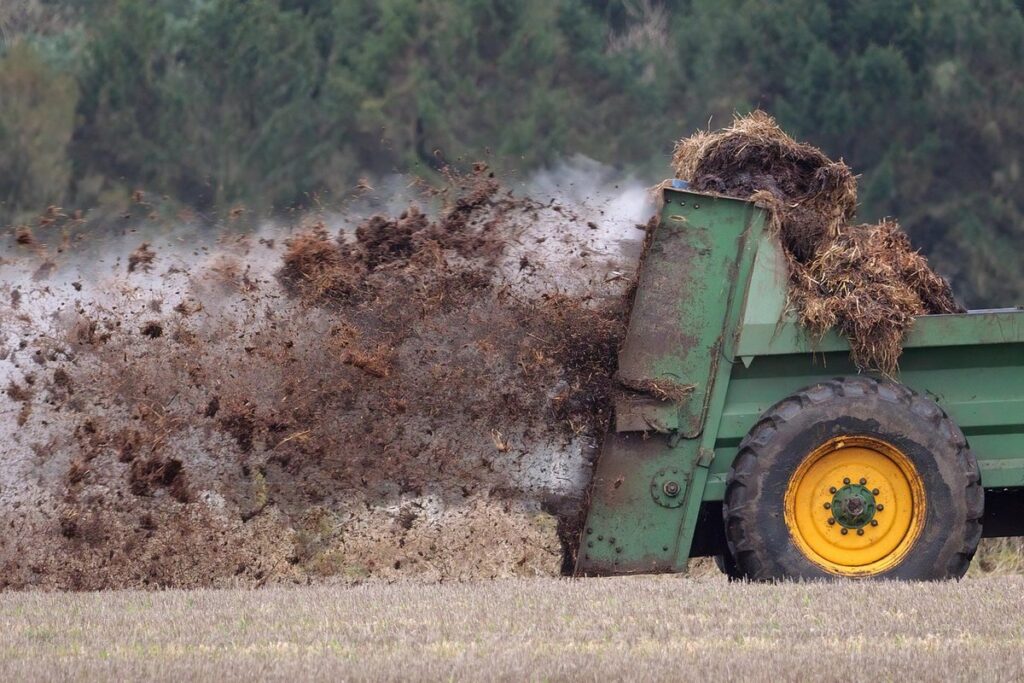
* Trenchers or spreaders for even distribution of the manure
* PPE such as gloves and face masks to prevent exposure to pathogens
Regardless of whether you’re handling hot or cold manure, it’s crucial to follow proper safety protocols. This includes wearing protective gear, working in well-ventilated areas, and following established procedures for handling and storage.
When selecting equipment, consider factors like durability, ease of use, and maintenance requirements. Investing in the right equipment can save you time, reduce labor costs, and ensure a safe working environment.
Best Practices for Safe Application
When applying chicken manure to your land, it’s essential to follow best practices to minimize the risk of accidents and contamination. This not only protects you but also ensures that the nutrients are efficiently absorbed by the soil.
Before application, ensure you’re wearing protective gear such as gloves, safety glasses, and a face mask. This will shield you from potential pathogens like E. coli and Salmonella that can be present in chicken manure. Always follow local guidelines for handling and applying animal waste.
To minimize risks, spread the manure evenly across your land to avoid creating piles or mounds that could create standing water, which fosters bacterial growth. A minimum of 3-4 inches of space between applications is recommended to prevent overloading the soil with excess nutrients.
Additionally, consider the time of application and weather conditions. Applying during dry seasons or when the soil is moist can help prevent dust storms or mudslides.
Environmental Impact of Chicken Manure
When it comes to chicken manure, its environmental impact is a crucial consideration that affects not just your farm’s bottom line but also the health of our planet. Let’s explore how hot and cold composting options can mitigate this impact.
Nutrient Content in Chicken Manure
When it comes to nutrient content, chicken manure is an excellent addition to your garden. Both hot and cold chicken manure are rich in essential nutrients like nitrogen, phosphorus, and potassium, which are vital for plant growth. Hot chicken manure, as the name suggests, has a higher concentration of these nutrients due to the high temperatures used during processing.
A 1-ton batch of hot chicken manure can contain around 30-40 pounds of nitrogen, 20-30 pounds of phosphorus, and 10-20 pounds of potassium. Cold chicken manure, on the other hand, has a lower nutrient content but is still an excellent natural fertilizer. A 1-ton batch of cold chicken manure may have around 5-10 pounds of nitrogen, 2-5 pounds of phosphorus, and 1-3 pounds of potassium.
When using either hot or cold chicken manure as a fertilizer, it’s essential to follow proper application rates to avoid over-fertilization. This can be achieved by composting the manure before applying it to your garden. Composting breaks down the nutrient-rich compounds into a more bioavailable form that plants can easily absorb.
Potential Environmental Risks
When it comes to managing chicken manure, there’s a fine line between utilizing its nutrients and causing environmental harm. The overuse or misuse of this valuable resource can have severe consequences on our planet.
One of the primary concerns is water pollution. Chicken manure contains high levels of nitrogen and phosphorus, which can leach into nearby water sources if not properly managed. This can lead to eutrophication, a process where excess nutrients stimulate an overgrowth of algae, depleting oxygen levels and harming aquatic life.
Another issue is soil degradation. Excessive application of chicken manure can alter soil pH, reducing its fertility and making it less suitable for crops. This can result in decreased crop yields, reduced biodiversity, and increased erosion.
To mitigate these risks, it’s essential to adopt sustainable management practices. These include using cover crops to absorb excess nutrients, incorporating organic matter into the soil, and implementing efficient irrigation systems. By taking a thoughtful approach to chicken manure utilization, we can minimize its environmental impact while still reaping its benefits.
Sustainable Use of Chicken Manure
Proper management of chicken manure is crucial to minimize its environmental impact. When it comes to utilizing this nutrient-rich resource sustainably, composting stands out as a top strategy. Composting involves aerating the manure to speed up decomposition, reducing pathogens and odors. By incorporating organic matter like straw or wood chips, you can create a balanced carbon-to-nitrogen ratio, promoting efficient microbial activity.
For responsible application, apply chicken manure at rates not exceeding 10 tons per hectare. This approach prevents excessive nitrogen accumulation in the soil. Moreover, consider incorporating it into crop rotation cycles to optimize nutrient availability and minimize leaching risks. For instance, using chicken manure as a fertilizer for vegetable gardens or orchards can significantly enhance yields while reducing synthetic fertilizers’ reliance.
By adopting these sustainable practices, you not only conserve resources but also create a more balanced ecosystem. Remember that thorough composting and controlled application rates will greatly reduce the environmental impact of your chicken farm’s manure management.
Frequently Asked Questions
Can I use chicken manure on my vegetable garden if it’s not certified organic?
Yes, you can still use chicken manure on your vegetable garden even if it’s not certified organic. However, ensure that the source is free of contaminants and disease-causing pathogens. Also, consider testing the nutrient content to avoid over-fertilizing.
How do I store hot chicken manure safely to prevent ammonia release?
To store hot chicken manure safely, keep it in a well-ventilated area away from direct sunlight and heat sources. Consider covering it with a tarp or plastic sheeting to reduce evaporation and ammonia release. Regularly monitor temperature (it should be below 140°F) and moisture levels.
What’s the recommended ratio of chicken manure to soil when applying as fertilizer?
The ideal ratio varies depending on soil type, nutrient content, and crop requirements. Generally, mix 1-2 pounds of dry chicken manure per square foot of garden bed for hot applications. For cold applications, start with smaller amounts (0.5-1 pound) and adjust based on soil analysis results.
Can I compost chicken manure in a small space like an apartment balcony?
Yes, you can compost chicken manure even in a small space like an apartment balcony. Use a compact compost bin or worm composter to manage the process efficiently. Regularly turn and monitor moisture levels to prevent odors and pests.
How often should I reapply chicken manure to maintain optimal soil health?
Reapplication frequency depends on crop requirements, nutrient cycling rates, and environmental conditions. Typically, apply hot chicken manure every 1-3 months for heavy feeders like tomatoes, while cold applications can be made every 6-12 weeks. Monitor soil tests to adjust application schedules accordingly.
Can I use chicken manure as a mulch or should it be buried?
It’s generally recommended to bury or incorporate chicken manure into the soil rather than using it as a surface mulch due to potential ammonia release and nutrient burn risks. However, if you choose to use it as a mulch, ensure proper ventilation and monitoring of temperature and moisture levels.
Can I mix chicken manure with other fertilizers like fish emulsion or bone meal?
Yes, you can combine chicken manure with other natural fertilizers like fish emulsion or bone meal to create a balanced blend. However, be cautious not to over-fertilize by following recommended application rates for each product and monitoring soil nutrient levels regularly.
How long does it take for chicken manure to break down in the soil?
Breakdown time varies depending on factors such as temperature, moisture, and microbial activity. Generally, cold chicken manure breaks down faster (1-3 months) than hot applications (6-12 months). Monitor soil tests to determine when nutrient levels return to normal.
What are some potential health risks associated with handling hot chicken manure?
Hot chicken manure can pose health risks if not handled properly due to high ammonia content and pathogen presence. Wearing protective gear, including gloves and masks, is essential when handling this type of material. Regularly clean equipment and work areas to minimize exposure risks.
Can I use cold chicken manure as a fertilizer for acid-loving plants?
Yes, you can use cold chicken manure as a fertilizer for acid-loving plants like azaleas or blueberries. However, be cautious not to over-fertilize by following recommended application rates and monitoring soil pH levels regularly to avoid nutrient imbalances.
How do I choose between hot and cold chicken manure based on my specific garden needs?
Choose the type of chicken manure that best matches your specific garden requirements, taking into account factors such as crop preferences, soil type, and nutrient content. Hot chicken manure is better suited for high-yielding crops like vegetables or fruit trees, while cold applications are more suitable for slower-growing plants like perennials.
Can I use chicken manure tea as a foliar spray or should it be applied directly to the soil?
Chicken manure tea can be used as a foliar spray, but ensure proper dilution and application rates to avoid burning leaves or over-fertilizing. It’s generally recommended to apply 1-2% solution of liquid fertilizer (10:20:10 NPK) every 7-14 days for optimal results.
How do I incorporate chicken manure into a permaculture design?
When incorporating chicken manure into a permaculture design, consider factors like nutrient cycling rates, crop rotation plans, and soil health goals. Use hot or cold applications based on specific plant requirements and monitor nutrient levels regularly to maintain optimal soil fertility.