
Are you thinking of adding some feathered friends to your backyard flock? When it comes to raising chickens, understanding the difference between pullets and hens is crucial for a successful operation. But what exactly sets these two types apart? For starters, pullets are immature female chickens that have yet to reach their full reproductive potential, while hens are mature females that are capable of laying eggs. As a chicken keeper, it’s essential to know which type you’re dealing with, as their nutritional needs and egg production capabilities differ significantly. In this article, we’ll delve into the key differences between pullets and hens, helping you make informed decisions about your backyard flock and ensuring you get the most out of your chickens.
Understanding the Basics
Let’s start at the beginning by understanding what pullets and hens are, so you can make an informed decision when choosing for your flock.
Defining Pullets and Hens
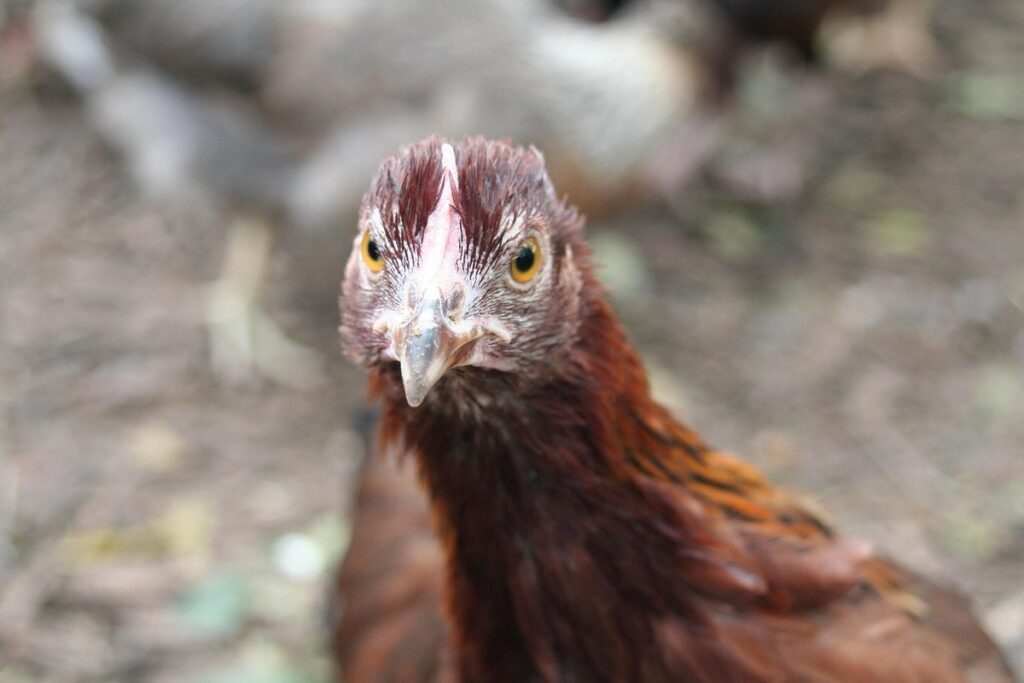
When it comes to raising chickens, understanding the difference between pullets and hens is crucial for farm management. Pullets are young female chickens that have not yet reached maturity, typically between 16 to 24 weeks of age. They’re a great choice if you want a bird that’s still growing and developing its egg-laying abilities. Hens, on the other hand, are mature females that have reached their full physical and reproductive capabilities.
One key difference between pullets and hens is egg production. Pullets will start laying eggs around 18-20 weeks of age, but their egg count will be lower compared to mature hens. A hen’s egg-laying capacity peaks at about one year of age and can continue for several years with proper care.
In terms of meat quality, pullets are often preferred due to their smaller size and tender flesh. However, if you’re looking for a bird that’s ready for the table sooner rather than later, pullets may be the better choice. If you’re focused on egg production, mature hens are likely your best bet.
When deciding between pullets and hens, consider your farm’s specific needs and goals. If you’re just starting out or have limited space, a flock of young pullets can be a great way to get started. However, if you’re looking for a steady supply of eggs, mature hens are the better choice.
Importance of Breeding Stock
When it comes to building a thriving backyard chicken operation, selecting high-quality breeding stock is crucial for long-term success. This decision can significantly impact not only the health and well-being of your flock but also their productivity and profitability.
To put this into perspective, consider that top-performing breeds are bred specifically for desirable traits such as egg-laying capacity, meat production, or feather quality. They have been carefully selected over generations to excel in these areas, making them ideal candidates for backyard flocks looking to establish a strong foundation.
Think of it like buying a car: you wouldn’t purchase a low-performance model if your goal is speed and efficiency. Similarly, choosing low-quality breeding stock can lead to mediocre performance, reduced egg production, or increased susceptibility to disease in your flock. In contrast, investing in reputable, high-performing birds will yield better results over time, ensuring the overall health and productivity of your backyard chicken operation.
Pullets: The Pros and Cons
When deciding between pullets and hens, it’s essential to weigh the pros and cons of each option to make an informed decision for your flock. Let’s explore the advantages and disadvantages of raising pullets.
Advantages of Raising Pullets
Raising pullets can be a game-changer for backyard chicken enthusiasts. Not only do they mature faster than hens, but they’re also easier to manage and cost-effective. One of the primary advantages of raising pullets is their accelerated growth rate. Pullets will reach laying age in about 16-18 weeks, compared to 24-30 weeks for some breeds of hens. This means you’ll start enjoying fresh eggs from your flock sooner.
Another benefit of pullets is that they’re relatively low-maintenance. Younger birds are less likely to develop health problems and require less food and water management than older hens. Additionally, pullets are more adaptable to changes in their environment, making them ideal for beginners or those new to backyard chicken-keeping. From a cost perspective, raising pullets is also the way to go – they’re often cheaper to purchase than hens due to their shorter lifespan.
If you’re looking to start your flock on a budget, consider purchasing pullet chicks from reputable breeders. With proper care and nutrition, your pullets will thrive and provide a steady supply of fresh eggs for years to come.
Challenges with Pullets
When it comes to raising pullets, there are some potential downsides to consider. One of the main challenges is that they tend to have lower egg production in their early years compared to hens. This means you can expect fewer eggs from your flock for at least a year or two after introducing pullets.
As your pullets grow and go through growth spurts, they require more nutrients than they do as adults. This can be challenging if you’re not used to adjusting your feeding routine accordingly. A general rule of thumb is to provide a starter ration that’s higher in protein (around 20%) during the first six months after arrival. You’ll also want to make sure they have access to plenty of fresh water and calcium-rich feed to support strong bone growth.
It’s essential to remember that pullets will eventually reach their full potential, producing eggs regularly once they mature. By understanding these challenges ahead of time, you can better prepare your flock for success and enjoy a bountiful harvest of eggs in the long run.
Hens: The Pros and Cons
When it comes to deciding between a pullet and a hen for your flock, understanding the pros and cons of each is essential. Let’s break down the advantages and disadvantages of keeping hens in your backyard.
Advantages of Raising Hens
Raising hens can be an incredibly rewarding experience, and one of the main advantages is their established laying patterns. Unlike pullets, which are still developing their reproductive systems, hens have already reached maturity and are ready to start laying eggs regularly. This means you can expect a consistent supply of fresh eggs from your hens, making them a great choice for families or individuals who rely on backyard eggs as a source of food.
Another benefit of raising hens is the lower maintenance costs associated with their care. Hens have already gone through the initial growth stage and are less prone to health issues that can arise in younger birds. This means you’ll spend less time and money on feed, veterinary care, and other expenses. Additionally, hens are more efficient layers, producing a high number of eggs per year compared to pullets.
In terms of increased productivity, hens have already honed their laying skills and are capable of producing an impressive number of eggs annually. This can be especially beneficial for backyard farmers or homesteaders who rely on their egg production as a source of income. By choosing hens over pullets, you’ll get more bang for your buck – literally!
Challenges with Hens
Raising hens can be an incredibly rewarding experience, but like with anything else, there are some potential drawbacks to consider. One of the main challenges is the higher initial investment required to set up a coop and establish a healthy flock. This can be a significant upfront cost, especially for beginners who may not have all the necessary equipment or knowledge.
Another challenge that comes with raising hens is the greater management complexity involved in caring for mature birds. Hens require regular vaccinations, monitoring of their health, and more frequent egg collection, which can be time-consuming and labor-intensive. This increased management also means you’ll need to plan for longer-term commitments, as hens typically live 5-7 years.
To mitigate these challenges, it’s essential to do your research before bringing home a new flock member. Understand the specific needs of mature hens and prepare yourself for the long-term responsibilities involved in caring for them. Additionally, consider starting with younger pullets, which may require less initial investment and management complexity.
Culling and Replacement Strategies
When it comes time to manage your flock, having a strategy for culling and replacement is crucial. Let’s dive into some effective methods for keeping your birds healthy and thriving.
Pullet vs. Hen Culling Methods
When it’s time to cull birds from your flock, choosing the right method is crucial for maintaining animal welfare and ensuring efficiency. Two primary methods of culling are gas stunning followed by exsanguination, which is often used on large-scale farms, and cervical dislocation or neck dislocation, typically employed in smaller backyard flocks.
The choice between these two methods ultimately comes down to factors like cost, resource availability, and personal preference. However, if you’re concerned about animal welfare, the more humane method of cervical dislocation may be the better option. This involves swiftly and carefully breaking the bird’s neck, resulting in instantaneous loss of consciousness and death.
While this method is generally considered more expensive due to the need for specialized training and equipment, it offers several advantages over gas stunning, including reduced risk of injury to handlers and improved animal welfare.
Managing Flock Dynamics
Maintaining a balanced flock ratio is crucial to prevent stress and disease outbreaks. An imbalance can lead to aggressive behavior, reduced egg production, and even death of birds. To avoid this, monitor your flock’s dynamics closely.
When introducing new birds, consider factors like age, breed, and temperament. Gradually integrating them into the existing flock helps minimize conflicts. Start by keeping the new birds in a separate enclosure for a few days to allow them to get used to their surroundings before releasing them into the main coop.
Culling, or selectively removing older or less productive hens, can also help maintain balance. Regularly assess your flock’s age distribution and remove any birds that are no longer contributing significantly. This will prevent overcrowding and create space for younger birds to grow and thrive.
To promote social harmony, ensure adequate space (at least 2-4 square feet per bird) and provide plenty of nesting boxes (one box per three hens). A balanced diet, regular health checks, and proper veterinary care also contribute to a healthy and harmonious flock.
Health Considerations
When bringing new birds into your flock, it’s essential to consider their age and health implications on your existing flock. We’ll discuss potential health concerns and tips for integrating pullets and hens safely.
Nutritional Needs of Pullets vs. Hens
When it comes to the nutritional needs of pullets and hens, there are distinct differences that require attention. Pullets, which are young female chickens typically between 16 and 20 weeks old, have unique nutritional requirements as they approach laying age.
At this stage, pullets require a balanced diet rich in protein (around 18-20%) to support their rapid growth and development. A layer feed with added calcium will also help strengthen their bones and prepare them for egg production. For example, adding oyster shells or crushed eggshells to their feed can provide an extra boost of calcium.
As pullets mature into hens, their nutritional needs shift slightly. At around 20-24 weeks old, hens require a diet with slightly lower protein levels (around 16-18%) and higher calcium content (1-2% more than layer feed) to support egg production. Maintaining adequate nutrition is crucial during this transition period to ensure optimal health and performance.
A good rule of thumb is to gradually introduce layer feed at around 20 weeks old, replacing pullet starter feed completely by 24 weeks. This will help prevent any digestive upset or shock from sudden changes in their diet.
Disease Prevention and Management
When it comes to managing your flock’s health, understanding common issues affecting pullets and hens is crucial. Marek’s disease, a viral condition, can cause symptoms such as paralysis, tremors, and swollen lymph nodes. Fowl cholera, on the other hand, leads to diarrhea, lethargy, and death if left untreated. These conditions often stem from poor sanitation, inadequate ventilation, or contaminated feed.
To prevent these issues, maintain a clean coop by removing soiled bedding regularly. Implement proper waste disposal and provide enough space for your birds to move around. Keep in mind that overcrowding can exacerbate the risk of disease transmission. Additionally, ensure access to fresh water and feed at all times. Vaccination programs can also play a significant role in protecting against Marek’s disease.
Monitoring your flock regularly is essential; look out for any unusual behavior or physical changes. If you suspect an issue, consult with a veterinarian promptly. Keeping your birds healthy through proper management and prevention strategies will not only reduce the risk of disease but also contribute to their overall well-being and productivity in the long run.
Breeds and Characteristics
Let’s take a closer look at some popular breeds of chickens, such as Leghorns, Orpingtons, and Rhode Island Reds, to see what they have to offer. Each breed has its unique characteristics and traits that will help you choose the right bird for your flock.
Popular Pullet/Hen Breeds
When selecting pullets or hens for your flock, it’s essential to consider breeds that fit your specific needs and preferences. Here are some popular options:
Rhode Island Reds are a classic choice, known for their high egg production (280-300 eggs per year) and friendly, docile nature. Their rich brown eggs are a favorite among backyard chicken keepers.
Leghorns, on the other hand, are renowned for their prolific egg-laying abilities (300-320 eggs per year), with a high percentage of large, white eggs. However, they can be more skittish and may require additional handling to become tame.
Barred Plymouth Rocks are another popular breed, prized for their gentle disposition and moderate egg production (200-220 eggs per year). Their dark brown eggs have a distinctive barred pattern, adding visual interest to your collection.
Consider factors like climate, feed availability, and desired egg color when choosing breeds. It’s also crucial to ensure that any new additions fit in harmoniously with existing flock dynamics.
Considerations for Small-Scale Operations
If you’re running a small-scale or backyard chicken operation, choosing the right breed can be overwhelming. When it comes to pullets and hens, considerations for space, climate, and resource availability are crucial.
For small spaces, such as urban backyards or tiny farms, look for breeds that are compact in size, like the Silkie or Bantam Polish. These birds weigh less and produce smaller eggs but are still efficient layers. On the other hand, if you have a larger area to dedicate to your flock, consider heritage breeds like Leghorns or Rhode Island Reds.
Climate is also an essential factor when selecting a breed. For hot climates, opt for breeds with dark plumage, such as Orpingtons or Wyandottes, which can regulate their body temperature better than light-feathered birds. In colder climates, prioritize breeds with thick feathers and insulation, like the Australorp or Barred Plymouth Rock.
In terms of resource availability, consider breeds that are low-maintenance and hardy, requiring less feed and water. Some examples include Marans, which lay dark eggs without needing a lot of food, and Brahma, which are relatively disease-resistant and can tolerate poorer living conditions.
Frequently Asked Questions
How can I identify pullets versus hens in my existing flock?
Identifying pullets versus hens requires observation of their behavior, plumage, and egg-laying abilities. Pullets typically have a more slender build, less prominent comb, and will start laying eggs at around 18-24 weeks of age. Hens are fully mature with a fuller build, larger comb, and established egg-laying patterns.
Can I mix pullets and hens in the same flock?
Yes, you can mix pullets and hens in the same flock, but it’s essential to ensure compatibility and manage their differing nutritional needs and social dynamics. Pullets may learn from experienced hens, while hens may benefit from having younger companions.
How do I determine which breed is best suited for my backyard operation?
Selecting the right breed depends on factors such as climate, space, and egg-laying requirements. Research popular pullet/hen breeds suitable for small-scale operations and consider characteristics like egg production, temperaments, and adaptability to local conditions.
Can I raise both pullets and hens together from chicks?
While it’s possible to raise both pullets and hens from chicks, managing their differing nutritional needs and growth rates can be challenging. It may be more practical to separate them at around 16 weeks of age or focus on raising one type at a time.
What are the key differences in feeding pullets versus hens?
Pullets require higher protein diets (18-20% protein) during their growth phase, whereas mature hens can tolerate lower protein levels (15-16% protein). Ensure you’re providing the correct nutritional profile for your flock based on their age and reproductive status.