
If you’re considering bringing home both dogs and chickens to your backyard, you’re not alone. Many pet owners dream of creating a harmonious coexistence between these two beloved animals. However, the reality is that some dog breeds are more compatible with chickens than others.
In this article, we’ll explore the best dog breeds for living with chickens, from compact companions like the Cavalier King Charles Spaniel to gentle giants like the Great Pyrenees. We’ll also discuss which breeds to avoid due to their high energy levels or prey drive. Whether you’re an experienced poultry keeper or a newcomer to backyard farming, we’ll cover the essential tips and tricks for creating a peaceful coexistence zone between your furry friends and feathered flock.
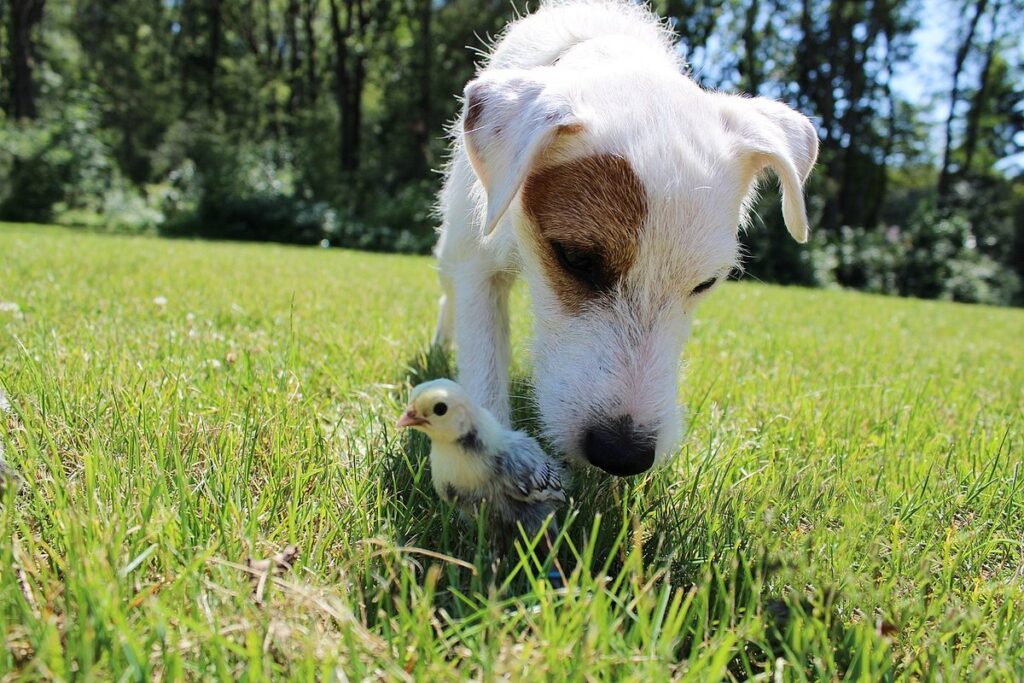
Choosing the Right Breed for a Harmonious Coexistence
When introducing your dog and chickens, choosing the right breed is crucial to ensure harmonious coexistence. Let’s explore some breeds that are naturally compatible with backyard flock management.
Factors to Consider Before Introducing Dogs and Chickens
When introducing dogs and chickens to each other, it’s essential to consider their unique characteristics, needs, and personalities. Energy levels are a crucial factor, as high-energy dogs may inadvertently chase or harass chickens, while low-energy breeds can be more laid-back and gentle.
Size is another critical consideration; large breeds, such as Great Danes or Mastiffs, may unintentionally harm chickens with their size and strength, whereas smaller breeds like Chihuahuas or Poodles are less likely to pose a threat. Temperament also plays a significant role; some dogs are naturally more protective of their flock (or family), while others are friendly and outgoing.
Socialization needs should also be taken into account; both dogs and chickens require socialization from an early age to ensure they coexist peacefully. Introduce them gradually, starting with visual introductions and progressing to supervised interactions under close observation.
For example, a high-energy breed like the Australian Shepherd may thrive in a backyard with chickens if properly trained and exercised beforehand. On the other hand, a laid-back breed like the Bulldog might be an excellent choice for a smaller flock or even apartment living.
Understanding Canine Behavioral Traits Relevant to Chicken Keeping
When selecting a dog breed to share a home with chickens, it’s essential to consider their inherent behavioral traits that may affect chicken safety. Not all breeds are created equal when it comes to living harmoniously alongside poultry.
Some breeds, like pointers and retrievers, possess strong hunting instincts, which can be triggered by the sight or sound of chickens. These dogs may view the chickens as prey, leading to potential attacks. On the other hand, herding breeds such as Border Collies and Australian Shepherds might see the chickens as part of their flock and instinctively try to gather them.
Protective breeds like Rottweilers and Doberman Pinschers can be a concern due to their strong guarding instincts. While they may defend the chickens from potential threats, they may also view strangers or other animals as threats, leading to aggression towards humans.
When introducing a dog breed with hunting or herding tendencies to a flock of chickens, it’s crucial to provide separate areas for both the dogs and chickens to roam freely, reducing the likelihood of conflicts. With patience, consistency, and proper training, some breeds can learn to coexist peacefully with their feathered friends.
Breeds Suited for Small Flocks (1-5 Hens)
If you’re planning a small flock, there are several dog breeds that can complement your hens and become valued additions to your backyard. These breeds tend to be more laid-back.
Compact Breeds with Low Exercise Needs
If you’re living in a small space and have a limited yard for exercising your dog, don’t worry – there are many breeds that thrive in compact environments with low exercise needs. When it comes to small flocks (1-5 hens), you’ll want a companion dog breed that doesn’t require too much physical activity.
The Bichon Frise is an excellent choice, weighing around 12-18 pounds and requiring only short, gentle walks daily. Their playful yet adaptable nature makes them perfect for apartment living or small homes with tiny yards. Another low-maintenance option is the Cavalier King Charles Spaniel, which needs regular walks but doesn’t require extensive exercise sessions.
For a more laid-back lifestyle, consider breeds like the Shih Tzu or the Poodle (Toy or Miniature varieties). These dogs are well-suited for indoor living and need minimal physical activity. However, keep in mind that these breeds still benefit from occasional playtime and socialization to prevent behavioral issues. By choosing a compact breed with low exercise needs, you can enjoy a harmonious relationship between your dog and chickens without sacrificing space or lifestyle.
Gentle Giant Breeds for Small Flocks
When it comes to adding a larger breed dog to a small chicken flock, many people assume that such a combination is impractical. However, some gentle giant breeds can be an excellent match for smaller groups of hens. One popular example is the Labrador Retriever. Known for their friendly and outgoing nature, Labs are often used as therapy dogs due to their calm demeanor around children and other animals.
Newfoundlands are another large breed that can thrive in small flock environments. These massive dogs have a natural instinct to care for young or vulnerable creatures, which makes them an excellent match for chickens. Both breeds require regular exercise and training to ensure they don’t view the hens as playthings, but with proper socialization, they can become valued members of your backyard farm.
When introducing either breed to your flock, be sure to supervise interactions closely and reward calm behavior around the chickens. With patience and consistency, you may find that your larger breed dog becomes a loyal protector of your small flock.
Large Breed Dogs and Their Compatibility with Chickens
If you’re a large breed dog owner thinking of bringing home some feathered friends, it’s essential to consider their compatibility with chickens. Some breeds are naturally more suited to sharing space than others.
Suitable Breeds for Active Families with Medium to Large Chicken Flocks
If you’re an active family with a medium to large chicken flock, you’ll want dog breeds that can keep up with your lifestyle. German Shepherds are a popular choice for their high energy levels and protective nature. They excel at herding chickens and will keep predators away from your coop.
Australian Cattle Dogs (also known as Blue Heelers) are another excellent option for families who enjoy outdoor activities. Their strong work ethic and agility make them perfect for chasing after loose chickens or monitoring the perimeter of your property.
In addition to these breeds, you may also consider other high-energy dogs like Border Collies or Siberian Huskies. While they require regular exercise and training, their intelligence and loyalty make them great companions for families with larger chicken flocks.
When introducing a new dog to your flock, be sure to supervise interactions closely and provide separate areas for eating and sleeping to prevent stress on both the dogs and chickens. With proper introduction and training, these breeds can thrive in households with multiple animals, creating a harmonious and happy home environment.
Managing Larger Breeds in Shared Spaces with Chickens
When introducing large breed dogs to households with multiple chickens, it’s essential to consider their unique needs and personalities. Large breeds like Labradors, German Shepherds, and Rottweilers can be wonderful companions for chicken keepers, but they require special attention when sharing space with feathered friends.
To ensure a harmonious coexistence, establish clear rules and boundaries early on. For instance, designate specific areas where chickens are off-limits to your dog, such as the coop or feeding areas. Also, supervise interactions closely, especially during peak energy periods like exercise time or mealtime.
Provide separate spaces for your dog’s rest and relaxation, away from chicken runs or enclosures. This will help prevent territorial behaviors and reduce stress on both species. Regular training sessions can also help your dog learn to respect the chickens’ space and boundaries.
By implementing these strategies, you can create a peaceful coexistence between your large breed dog and multiple chickens, fostering a happy and thriving household for all its inhabitants.
Breeds That Should Be Avoided with Chickens
While many breeds make great chicken companions, some dogs are simply too high-strung or energetic for harmonious coexistence with backyard birds. Here are a few breeds you might want to think twice about introducing to your flock.
High-Predation Instincts: Breeds to Steer Clear Of
When it comes to introducing dogs and chickens into the same living space, there are certain breeds that should be avoided at all costs. These high-predation instincts can lead to serious harm or even death for the chickens.
Breeds like Greyhounds and Whippets are notorious for their strong prey drive and speed. Their instinct is to chase and catch small animals, making them a ticking time bomb in a backyard with chickens. In fact, many experts recommend keeping these breeds indoors or in a separate area from the coop at all times.
Other breeds that may not be suitable for households with chickens include sight hounds like Salukis and Borzois. These dogs have an intense prey drive and can see the chickens as nothing more than small prey to be caught.
If you’re considering getting either of these breeds, it’s essential to weigh the risks carefully. If you do decide to bring a high-predation breed into your household, consider investing in some serious hardware like chicken runs or pens with secure enclosures to prevent any potential conflicts.
Incompatible Temperaments: When Dogs and Chickens Don’t Mix
While many dog breeds are compatible with chickens, there are some temperaments that may not mix well. If you’re considering bringing home a dog breed known for its independent nature, anxiety, or aggression issues, it’s essential to reconsider having chickens as part of the household.
Dogs like German Shepherds and Australian Shepherds are highly intelligent but can be wary of strangers and other animals. This natural wariness may lead them to become protective of their territory, including their yard where chickens roam. Their independent nature means they require consistent training and socialization to get along with other pets.
Some breeds, such as Chihuahuas and Pomeranians, are prone to anxiety and can become stressed around loud noises like clucking chickens. Similarly, breeds like Pit Bulls and Rottweilers have a reputation for aggression issues, which may lead them to view chickens as prey.
If you’re set on having both dogs and chickens, it’s crucial to introduce them slowly and under controlled circumstances. Start by keeping the dog and chickens separated at first and gradually increase their interactions under close supervision.
Integrating Dogs and Chickens in the Same Enclosure
When it comes to keeping your dog and chickens together, it’s crucial to create a harmonious environment that minimizes stress for both species. This section will explore the key considerations for integrating dogs and chickens in the same enclosure successfully.
Safety Precautions and Physical Barriers
When integrating dogs and chickens into the same enclosure, safety precautions are paramount to prevent conflicts and injuries. The first step is to design a secure coexistence zone that separates the two species without creating undue stress.
A sturdy fence with a height of at least 3 feet and topped with barbed wire or chicken wire can be an effective barrier between dogs and chickens. Ensure that all openings, such as gates and doors, are securely fastened to prevent escape or unauthorized entry.
In addition to physical barriers, proper enclosure design is crucial. Incorporate separate areas for feeding, nesting, and roosting to minimize competition and reduce stress on both animals. Adequate shelter and hiding spots for chickens should be provided, while dogs need designated spaces for rest and relaxation.
When creating a shared space, prioritize visual separation between the two species using plants or dividers to reduce aggression triggers. Finally, supervise interactions closely and intervene promptly if you notice signs of tension or stress in either animal.
Positive Reinforcement Training for Harmonious Coexistence
When integrating dogs and chickens into the same enclosure, it’s essential to focus on harmonious coexistence through positive reinforcement training. This approach encourages desired behaviors while avoiding punishment or negative associations.
By teaching both species to peacefully interact, you’ll create a stress-free environment where they can thrive together. Start by introducing them gradually, allowing each animal to become comfortable with the presence of the other. Reward calm behavior in both dogs and chickens using treats, praise, and affection.
A simple yet effective technique is “look” training for your dog. Hold a treat near your dog’s nose and say “look.” When they gaze at you, reward them with the treat. This exercise helps your dog focus on you instead of the chickens, reducing stress and aggression.
Next, train your chicken to calmly move away from your dog when approached. Offer treats while gently guiding your chicken towards a safe area or enclosure. Repeat this process several times until your chicken learns to associate moving away from your dog with positive reinforcement.
Frequently Asked Questions
How can I ensure my dog’s high energy levels don’t harm my chickens?
If your dog has a high energy level, it’s essential to provide enough exercise before introducing them to the chicken coop. A tired dog is less likely to chase or harass your chickens. Consider investing in a securely fenced area for off-leash playtime and daily walks.
What if I already have a large breed dog that’s not suitable for living with chickens?
If you’re unsure about your dog’s compatibility with chickens, consider consulting with a professional dog trainer or behaviorist who can assess the situation and provide personalized guidance. With patience, consistency, and proper training, it may be possible to introduce dogs of various breeds to each other.
Can I safely integrate my dog into an existing chicken flock?
When introducing your dog to an established chicken flock, start by keeping them separated and allowing them to become familiar with each other’s scents and sounds. Gradually increase their interaction time under close supervision, ensuring a smooth transition for both animals.
How can I maintain harmony between my compact breed dog and small chicken flock?
Compact breeds like Cavalier King Charles Spaniels often get along well with chickens due to their gentle nature. To ensure harmony, provide your dog with plenty of attention, exercise, and mental stimulation to prevent boredom or resource guarding behaviors that may harm the chickens.
What safety precautions should I take when introducing dogs and chickens?
Always supervise interactions between dogs and chickens, especially during the initial introduction phase. Keep a safe distance between their enclosures to prevent escape attempts or conflicts. Ensure proper fencing and enclosure design to prevent your dog from accessing your chicken coop or run.