
If you’re looking to add some warm sunshine to your backyard or boost your commercial farm’s egg production, light brown egg-laying chicken breeds are definitely worth considering. These stunning birds not only bring a touch of golden warmth with their beautiful plumage but also lay a respectable number of eggs per year. Whether you’re a seasoned farmer or a beginner chicken keeper, understanding the best light brown egg-laying chicken breeds is essential for creating a thriving and productive flock.
In this article, we’ll delve into the history and characteristics of some top-performing light brown egg-laying chickens, including their nutritional needs, health considerations, and breed-specific traits. By the end of this read, you’ll have a solid understanding of which breeds to choose for your backyard or commercial farm, ensuring you get the most out of your investment while providing happy and healthy birds for years to come.
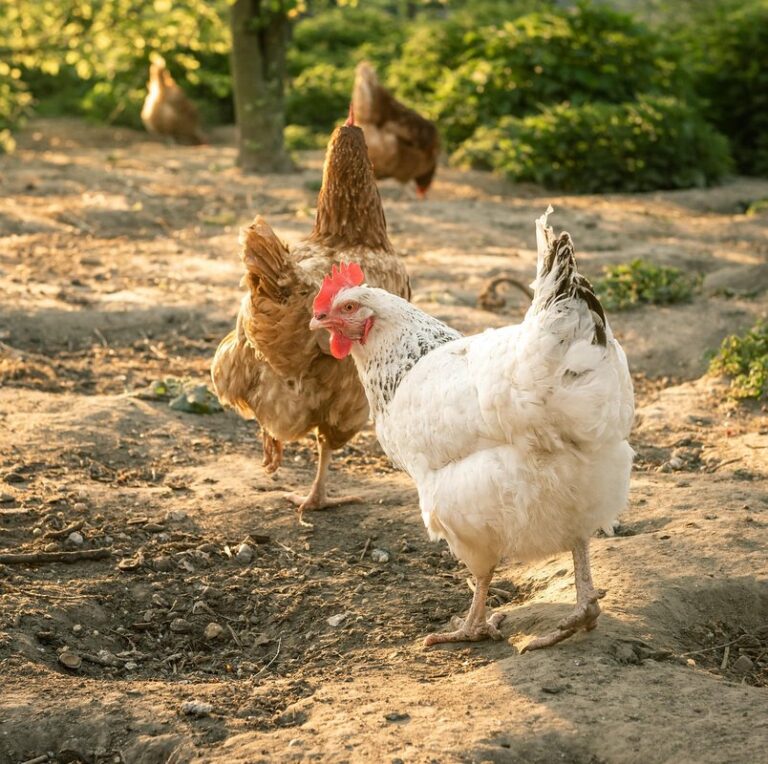
Understanding the Characteristics of Light Brown Egg-Laying Chickens
To make informed decisions, it’s essential to understand what makes a light brown egg-laying chicken breed truly special and well-suited for your backyard flock. Let’s dive into their unique characteristics.
Origin and History of Light Brown Egg Layers
Light brown egg-laying breeds have a rich history that spans centuries. Originating from Europe, these birds were selectively bred for their desirable traits, including light-colored eggs and docile temperaments. One of the earliest recorded examples is the Barnevelder breed from the Netherlands, which dates back to the late 19th century.
As European poultry farmers sought to improve egg production, they crossed various breeds, resulting in the development of distinct light brown egg-laying types. The Marans breed from France, with its characteristic dark, chocolate-brown eggs, is another notable example. These birds were prized for their rich, reddish-brown eggs and robust constitution.
Through careful breeding and selection, poultry farmers have been able to refine these breeds over time, emphasizing characteristics such as egg size, shell quality, and overall hardiness. Today, light brown egg-laying breeds are popular among backyard chicken keepers due to their friendly nature, adaptability, and moderate egg production. By understanding the origins of these breeds, you can make informed decisions when choosing the perfect birds for your flock.
Genetic Traits Influencing Egg Color and Size
When it comes to light brown egg-laying chickens, their genetic traits play a significant role in determining not only the color of their eggs but also their size. The OCA2 gene, for instance, is responsible for controlling pigmentation in these birds. This gene helps determine how much melanin is produced in the skin and feathers, which in turn affects the eggshell’s color.
In light brown egg layers, the amount of eumelanin (the dark pigment) and pheomelanin (the red/yellow pigment) present in the skin influences the final eggshell color. The interaction between these two pigments is what produces the characteristic light brown hue we see in many breeds. It’s worth noting that genetic variations can also affect egg size, with some breeds laying larger eggs due to their larger body size.
For backyard chicken keepers looking to introduce light brown egg layers into their flock, understanding the role of genetics in determining egg color and size is crucial for making informed decisions about which breed to choose.
Selecting the Right Light Brown Egg-Laying Breed for Your Flock
Choosing the right light brown egg-laying breed can be a daunting task, but don’t worry, we’ve got you covered with some essential factors to consider. Let’s dive into the key characteristics of these breeds to make your decision easier.
Considerations for Small-Scale Backyard Flocks
When it comes to small-scale backyard flocks, not all breeds are created equal. Some breeds excel at thriving in smaller spaces with minimal equipment and care. When choosing a breed for your light brown egg-laying flock, consider the following characteristics that make them suitable for small-scale backyard flocks.
One excellent option is the Easter Egger, a cross between an Ameraucana or Araucana and another breed. These birds are known for their high egg production, friendly temperaments, and adaptability to small spaces. Their eggs will be light brown in color due to the breed’s genetic makeup.
Another great choice is the Marans, which originated from France and are prized for their dark chocolate-brown eggs. They’re relatively quiet, docile, and can thrive in small areas with minimal space requirements.
Lastly, the Welsummer, a Dutch breed, also lays light brown eggs and is well-suited for small flocks. They’re active birds but don’t require an excessive amount of space to roam. All three breeds are relatively low-maintenance compared to other large or high-strung breeds.
Large-Scale Commercial Farming Requirements
When it comes to large-scale commercial farming, selecting the right light brown egg-laying breed is crucial for maximizing productivity and profitability. To ensure a successful operation, you’ll want to consider breeds that excel in disease resistance, as well as those that are relatively easy to manage.
A good starting point is to look for breeds like Leghorns or Marans, which are known for their high egg production rates of up to 300 eggs per year. However, it’s essential to balance productivity with disease susceptibility. Breeds like Australorps and Barred Rocks offer a better trade-off between egg production and resistance to diseases like Marek’s and avian influenza.
In addition to breed selection, large-scale commercial farms must also consider the infrastructure required for efficient management. This includes adequate ventilation systems, nesting boxes, and sanitation facilities to prevent disease outbreaks. Effective biosecurity measures should be implemented, including regular vaccination programs, disinfection protocols, and quarantining new birds before integrating them into the flock. By carefully evaluating these factors, you can establish a thriving and profitable commercial egg-laying operation.
Nutritional Needs of Light Brown Egg-Laying Chickens
To ensure your light brown egg-laying chickens thrive, it’s essential to provide them with a balanced diet that meets their unique nutritional needs. This includes understanding their specific dietary requirements.
Understanding the Importance of a Balanced Diet
A well-balanced diet is vital for maintaining the health and productivity of your light brown egg-laying chickens. When it comes to these birds, their dietary needs are crucial in ensuring they produce high-quality eggs consistently.
Essential nutrients such as protein, calcium, phosphorus, vitamin A, D3, and E play a significant role in their optimal performance. Protein is necessary for building and repairing muscles, while calcium helps develop strong eggshells. Phosphorus, on the other hand, aids in energy production and supports bone growth.
To provide your light brown egg layers with an ideal diet, consider offering a mix of grains like oats, barley, and wheat, along with fresh vegetables and fruits. Laying hens also require access to clean water at all times. Make sure their feeders are always filled, and the water source is kept clean and free from contamination.
It’s also essential to avoid overfeeding your chickens as this can lead to obesity and related health issues. A general rule of thumb is to offer 1-2 cups of layer pellets per chicken daily, adjusted according to their size and activity level.
Dietary Recommendations for Different Life Stages
As you plan to raise light brown egg-laying chickens, it’s essential to provide them with a balanced diet tailored to their life stage. Starting from the initial stages, young chicks require a starter feed that is high in protein (around 20%) and calcium to support rapid growth and development of their bones.
For growers, which typically range from 6-18 weeks old, you can transition them to a grower feed with a moderate protein content of around 16%. This feed will help promote muscle growth and feather development. Around 18-24 weeks, the birds enter the layer stage where egg production becomes more prominent. A layer feed with around 15% protein is suitable for this phase, providing the necessary nutrients for eggshell formation.
For breeding birds, it’s crucial to provide a nutrient-rich feed that supports reproductive health. Look for feeds containing additional nutrients like vitamins and minerals essential for fertility. As light brown egg-laying chickens have specific genetic requirements, research breed-specific nutritional recommendations to ensure you’re meeting their unique needs.
Health Considerations for Light Brown Egg-Laying Chickens
When choosing light brown egg-laying chickens, it’s essential to consider their health needs and potential vulnerabilities to ensure a thriving flock. This section explores common health considerations for these birds.
Common Health Issues Affecting Light Brown Egg Layers
As you care for your light brown egg-laying chickens, it’s essential to be aware of common health issues that may affect them. Respiratory problems are a prevalent concern, often caused by dust, mold, or viruses in the coop environment. Symptoms can range from labored breathing to lethargy and loss of appetite. To prevent respiratory issues, ensure good ventilation in your coop and maintain a clean living space.
Parasites like mites, lice, and internal worms are another common problem for light brown egg layers. These unwanted critters can lead to anemia, weight loss, and even death if left unchecked. Regular cleaning of the coop, dust baths, and administering deworming medication as needed will help mitigate parasite infestations.
Reproductive disorders like egg-binding, where a chicken’s reproductive tract becomes blocked, or reproductive tumors can also affect light brown egg layers. Early detection through regular monitoring of your flock’s egg production and overall health is crucial in addressing these issues promptly. Keep an eye out for unusual behaviors, such as straining during egg-laying or changes in appetite, and consult with a veterinarian if you suspect any complications.
Disease Prevention and Control Measures
As you’ve taken the step to welcome light brown egg-laying chickens into your flock, it’s essential to ensure their health and well-being. Disease prevention and control measures are crucial to maintain a healthy and thriving flock. Start by implementing vaccination programs that target common chicken diseases such as Marek’s disease, infectious bronchitis, and Newcastle disease. Consult with a veterinarian to determine the best vaccination schedule for your flock.
Maintaining excellent sanitation practices is also vital in preventing diseases. This includes regularly cleaning coops, feeding areas, and watering systems. Implement biosecurity protocols by restricting access to the coop, keeping visitors’ gear outside, and disinfecting any equipment brought into the coop. Regularly monitor your flock’s health, watching for signs of illness or stress. Keep a record of vaccinations, medications, and treatments given to each bird.
To further prevent diseases, consider implementing measures such as culling weak or sick birds, rotating pastures, and providing adequate ventilation in the coop. By prioritizing these disease prevention and control measures, you’ll create an environment where your light brown egg-laying chickens can thrive.
Breeding and Raising Light Brown Egg-Laying Chickens
When it comes to breeding and raising light brown egg-laying chickens, understanding their specific needs is crucial for success. You’ll learn how to provide optimal care for these birds in this section.
Breeding Objectives for Improved Productivity
When breeding light brown egg-layers, breeders focus on improving productivity by selecting for specific traits. The primary goal is to increase egg production while maintaining a healthy and robust flock. Improved egg size and quality are also essential objectives, as they directly impact the nutritional value and marketability of eggs.
Breeders prioritize characteristics like high fertility rates, early maturation, and superior feed conversion efficiency to achieve these objectives. Enhanced disease resistance is another critical trait, allowing flocks to better withstand common health issues such as respiratory diseases and parasites.
Incorporating genetic selection programs that emphasize these traits can significantly boost overall productivity. For instance, some breeding programs prioritize the ‘Sex-Link’ method, where male and female chicks are distinguished by color, ensuring optimal pairing for improved egg production.
To replicate this approach in your own flock, consult with reputable breeders or conduct thorough research on the specific breeding program you’re interested in implementing. It’s also essential to maintain a well-organized record of your flock’s performance and progress to track the effectiveness of your breeding objectives.
Rearing Practices for Healthy Chicks
When it comes to rearing healthy light brown egg-laying chicks, proper brooding is crucial. This period, from hatch to 6-8 weeks of age, sets the stage for their future growth and development. Ensure a safe temperature range between 90-100°F (32-38°C) during this time, with a gradual decrease as they mature.
Feed high-quality starter feed specifically formulated for light brown egg-laying breeds. These chicks require around 20% protein in their first few weeks of life to support rapid growth. Monitor feeding closely to avoid overeating, which can lead to leg problems and other health issues.
Proper management strategies include keeping the brooder clean, providing adequate ventilation, and maintaining a dust-free environment. Light brown egg-laying breeds are relatively low-maintenance but may require extra attention during extreme weather conditions. Consider breed-specific requirements, such as the Barred Plymouth Rock’s tendency to grow rapidly in the first few weeks.
For optimal results, aim for around 12-15 chicks per square foot of brooder space, ensuring each chick has enough room to move and exercise. Monitor your flock closely during this critical period to identify any potential issues early on, allowing you to make necessary adjustments before they become major problems.
Integrating Light Brown Egg-Laying Chickens into Your Existing Flock
If you’re already established a flock, integrating new light brown egg-layers requires careful consideration to ensure harmony and healthy coexistence among all birds. We’ll explore key factors for successful integration in this section.
Acclimation Strategies for Introducing New Birds
When introducing new light brown egg layers to your existing flock, it’s essential to acclimate them gradually to ensure a smooth transition. Start by keeping the newcomers separate from the main flock for a few days to allow them to get accustomed to their new environment without the stress of integrating.
Once they seem comfortable in their temporary enclosure, begin supervised introductions under close observation. This can be done through visual interactions or scent exchanges where birds can see and smell each other without direct contact. If you’re introducing multiple new birds at once, ensure they have enough space to move around freely and reduce potential stress.
Monitor body language closely during the introduction process; if any bird appears aggressive or fearful, intervene promptly by separating them temporarily. Provide separate feeding and watering stations for a few days to prevent competition among birds.
When integrating the flock, start with short interactions (10-15 minutes) under close supervision before gradually increasing time spent together over several hours or even days. Be prepared to adjust your approach based on individual bird personalities and the dynamics of your existing flock.
Management Tips for a Harmonious Flock Dynamic
When integrating new light brown egg-laying chickens into your existing flock, it’s essential to prioritize the well-being and harmony of all birds. A harmonious flock dynamic is crucial for a stress-free and healthy environment. To establish a balanced hierarchy, introduce new birds gradually, allowing them to get familiar with their surroundings, food, and water sources before being released into the main coop. Monitor their behavior closely during this period, as establishing a pecking order can take time.
To prevent stress, ensure each bird has adequate space, fresh air, and access to resources like food and water. A general rule of thumb is to provide at least 2-3 square feet of space per chicken inside the coop and 8-10 square feet outside in the run. Introducing enrichment activities, such as foraging toys or scratching posts, can also help reduce stress and boredom.
Regularly observe your flock’s behavior and make adjustments accordingly. By creating a harmonious environment and establishing a balanced hierarchy, you’ll be well on your way to raising happy, healthy light brown egg-laying chickens.
Frequently Asked Questions
What are the ideal living conditions for light brown egg-laying chickens, especially during hot summer months?
Light brown egg-laying chickens require adequate ventilation, shade, and cool water to stay healthy during extreme heat. Consider adding misting systems or providing a shaded area with plenty of fresh water to keep your birds comfortable.
How can I ensure the integration of new light brown egg-laying chickens into my existing flock goes smoothly?
To prevent stress and potential aggression, introduce new birds gradually by allowing them to see and smell each other before full introduction. Monitor their behavior closely during acclimation and be prepared to separate them if necessary to maintain a harmonious flock dynamic.
What’s the recommended ratio of light brown egg-laying chickens to humans in a small-scale backyard flock?
A general rule of thumb is 3-4 hens per person, allowing for about 1/4 acre of space. This ensures each bird has enough room to roam and reduces competition for resources like food and water.
Can I breed my own light brown egg-laying chickens, or should I purchase from a reputable breeder?
Breeding your own birds can be rewarding but requires significant expertise in genetics, nutrition, and disease control. Consider starting with high-quality chicks from a trusted breeder to ensure the health and productivity of your flock.
How do I determine the optimal age for light brown egg-laying chickens to begin laying eggs?
Light brown egg-laying breeds typically start producing eggs between 18-24 weeks of age, depending on factors like nutrition, genetics, and overall health. Monitor their development closely, and be prepared to adjust feeding schedules or other management practices as needed.