
Are you considering raising chickens in your backyard but worried about disturbing your neighbors? Choosing the right breed is crucial to ensure harmony with your community. Some chicken breeds can be quite vocal and energetic, while others are quiet and docile. In this article, we’ll explore the top neighbor-friendly chicken breeds that are perfect for small yards or residential areas. We’ll also provide tips on how to choose the right breed for you and share expert advice on keeping your coop clean and odor-free. Whether you’re a seasoned chicken owner or just starting out, this guide will help you learn which breeds are most suitable for your needs.
Introduction to Backyard Chickens
When considering a backyard flock, it’s essential to choose chicken breeds that are quiet and won’t disturb neighbors. Let’s start with the basics of what makes a breed neighbor-friendly.
The Benefits of Keeping Chickens in Your Yard
Keeping chickens in your yard is a popular trend for good reason. Not only are they entertaining to watch and interact with, but they also provide a range of benefits that can enhance your lifestyle and the health of your garden. One of the most obvious advantages is fresh eggs straight from your own backyard! Imagine collecting your daily dose of omega-3 rich eggs, free from added preservatives or chemicals found in store-bought options.
Beyond the delicious benefits, chickens also play a crucial role in maintaining a balanced ecosystem. They are natural pest controllers, helping to keep unwanted insects and weeds at bay. By introducing chickens into your garden, you can reduce the need for pesticides and other chemicals that harm the environment. For example, a flock of 3-4 chickens can eat up to 1/2 pound of pests per day, making them an effective natural deterrent.
Regularly caring for your chickens also encourages physical activity and mindfulness, as you learn to manage their coop, feed, and health. This connection with nature fosters a sense of responsibility and well-being that’s hard to find in our increasingly urban lives.
Setting Up a Backyard Chicken Coop
When setting up a backyard chicken coop for your new feathered friends, there are several things to consider. First and foremost, think about the size of the coop. A good rule of thumb is to provide at least 3-4 square feet of space per chicken inside the coop, not including any outdoor run or enclosed area. This will give them enough room to move around comfortably.
When it comes to location, choose a spot that’s well away from your neighbors’ homes and windows. You don’t want to be disturbing anyone with early morning noise or late-night pecking sounds! Consider placing the coop in a quiet corner of your yard, such as near a fence line or under a shaded area.
In terms of safety features, make sure to include sturdy roofing and walls that can withstand harsh weather conditions. You’ll also want to secure any gaps or holes with wire mesh or hardware cloth to prevent predators from getting inside. And don’t forget about ventilation! Your chickens need fresh air just like we do, so install some windows or vents to keep the coop well-ventilated.
Remember to check local regulations before building your coop, as some municipalities have specific requirements for backyard chicken coops. With a little planning and creativity, you can create a safe and happy home for your new feathered friends.
Factors to Consider When Choosing a Breed
When choosing a breed that fits your neighborhood’s needs, several factors come into play, including noise level, egg production, and size. Let’s break down these key considerations together.
Temperament and Noise Level
When it comes to choosing a neighbor-friendly chicken breed, temperament and noise level are crucial factors to consider. Some breeds are naturally more docile and quiet than others, making them ideal for small yards or neighborhoods with noise restrictions.
For instance, the Silkie breed is known for its gentle nature and soft clucking sound, which makes it an excellent choice for urban settings. On the other hand, some breeds like the Ameraucana can be quite vocal and require more space to roam freely.
Another factor to consider is the breed’s ability to adapt to small spaces. Bantam breeds, such as the Dutch Bantam or the Japanese Bantam, are perfect for tiny yards due to their compact size and quiet nature. However, it’s essential to remember that even quiet breeds will still make some noise, so if you live in a particularly noisy neighborhood, you may want to consider investing in sound-dampening equipment.
To ensure your chicken breed is suitable for your living situation, research the breed thoroughly and read reviews from other owners. With the right breed choice, you can enjoy the benefits of backyard chickens while being a considerate neighbor.
Egg Production and Size
When choosing a breed of chicken for your backyard flock, it’s essential to consider their egg-laying abilities. Not only will you want to know how many eggs to expect each week, but also the size and type of eggs they’ll produce.
Let’s take a look at some popular breeds known for being neighbor-friendly: Leghorns, Rhode Island Reds, and Barred Rocks. These breeds are known for their high egg production, with Leghorns producing an average of 280-300 large white eggs per year, while Rhode Island Reds lay around 200-220 brown eggs annually. Barred Rocks, on the other hand, produce about 200-220 brown eggs per year.
When it comes to egg size, consider what you prefer: larger, showier eggs or smaller, more compact ones. If you’re looking for a mix of both, consider breeds like Australorps or Orpingtons, which lay around 180-200 large brown eggs each year.
It’s also worth noting that some breeds are better suited to backyard flocks due to their noise level and temperament. For example, Plymouth Rock chickens are known for being quiet and docile, making them an excellent choice for urban settings.
Top Neighbor Friendly Chicken Breeds
If you’re looking for chicken breeds that won’t disturb your neighbors, we’ve got you covered. Here are our top picks for low-key, neighbor-friendly birds.
1. Australorp: A Quiet and Docile Breed
The Australorp is one of the most popular and sought-after breeds for backyard chicken keepers, especially those living in urban areas. This breed’s quiet nature makes it an ideal choice for neighbors who may be noise-sensitive or live in close proximity to other homes.
One of the standout features of the Australorp breed is its docile temperament. They are known to be calm and gentle, making them a great fit for families with children or for those who want to interact with their chickens regularly. This breed is also relatively easy-going when it comes to handling and can be tamed quite easily.
In terms of egg production, the Australorp breed excels, laying around 200-220 large brown eggs per year. Their high productivity makes them a great choice for backyard chicken keepers who want a reliable source of fresh eggs without having to worry about noise levels or aggressive behavior.
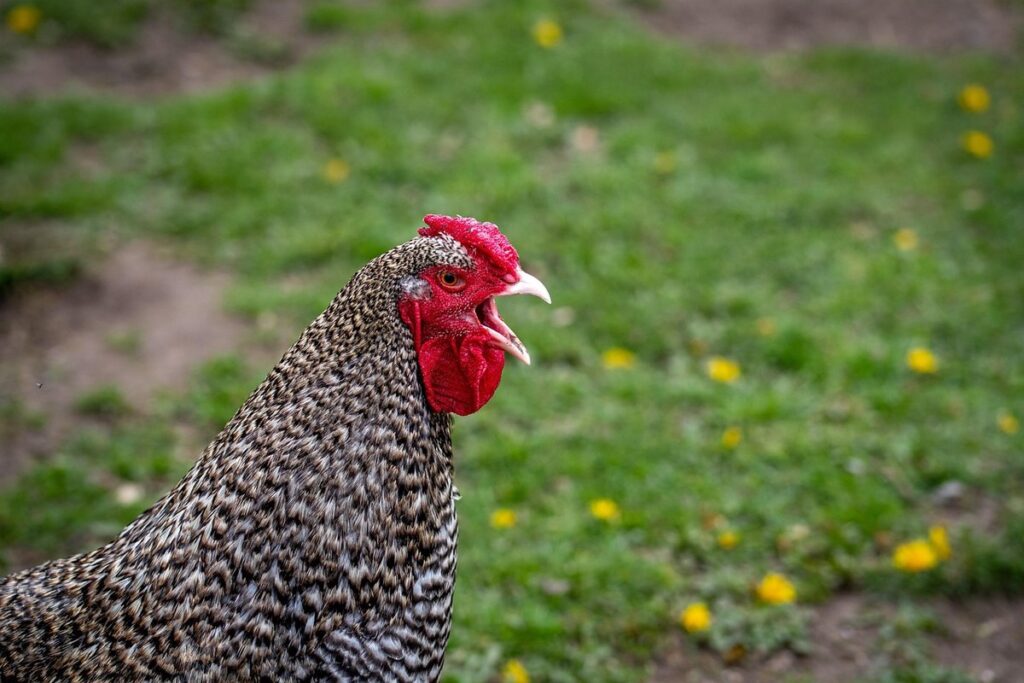
2. Barred Plymouth Rock: A Friendly and Hardy Breed
The Barred Plymouth Rock is a popular choice for backyard chicken keepers, and it’s easy to see why. This breed is known for its friendly demeanor, making them an excellent option if you’re looking to raise chickens that will get along well with both children and other pets.
One of the standout characteristics of the Barred Plymouth Rock is their hardiness. They are relatively low maintenance compared to some other breeds and can thrive in a variety of environments. This makes them perfect for backyard flocks where resources may be limited.
In terms of egg production, the Barred Plymouth Rock falls somewhere in the middle. Hens will typically produce around 200-220 brown eggs per year, which is a moderate amount for a dual-purpose breed. While they won’t break any records for egg-laying, their friendly nature and hardiness make up for it.
If you’re new to raising chickens or looking to add some friendly faces to your flock, the Barred Plymouth Rock is definitely worth considering.
3. Brahma: A Gentle Giant
The Brahma is a majestic breed that not only makes for an impressive addition to your backyard flock but also earns its place as one of our top neighbor-friendly picks. One of the most notable characteristics of this gentle giant is its calm and docile nature, making it an excellent choice for families with children or those who want a stress-free chicken-keeping experience.
Reaching up to 17 pounds in weight and standing at over two feet tall, the Brahma is undoubtedly one of the largest breeds out there. However, despite their size, these birds are surprisingly quiet, producing only about half the amount of noise as some other large breeds. This relatively low noise level makes them an ideal choice for backyard chicken keepers who live in close proximity to their neighbors.
If you’re looking for a breed that’s both impressive in appearance and easy on the ears, the Brahma is definitely worth considering. Not only will they provide you with a steady supply of fresh eggs, but they’ll also become beloved members of your family – all without disrupting the peace and quiet of your neighborhood.
Breeds to Avoid in Residential Areas
While some breeds can thrive in residential areas, others are better suited for farms and rural settings, posing potential problems for nearby neighbors. Let’s explore these less-than-ideal breeds together.
1. Game Fowl: Aggressive and Noisy
If you’re looking for neighbor-friendly chicken breeds, it’s essential to avoid game fowl. These birds are known for their aggressive behavior and high noise levels, making them a poor choice for residential areas.
Game fowl breeds, such as the Modern Game and Old English Game, were originally bred for fighting, which explains their feisty nature. They’re naturally more territorial and prone to defending themselves against other chickens or even humans if they feel threatened. Imagine coming home from work only to find your usually docile chicken chasing you around the yard – it’s not a pleasant experience.
Their high-pitched squawking is another reason game fowl breeds aren’t suitable for residential areas. They have a tendency to vocalize loudly, especially in the early morning and evening hours when they’re most active. If you live close to your neighbors or are a light sleeper, the constant noise may become unbearable. For instance, a study by the University of California found that loud animal noises can lead to stress and anxiety in humans.
2. Silkies: While Friendly, May Not be Suitable for All Backyard Settings
Silkies are undeniably one of the friendliest chicken breeds out there. They’re often described as “lap chickens” due to their affectionate nature and tendency to follow their owners around. This is a major plus if you have kids who love interacting with animals or if you want a breed that will entertain you in the backyard. However, despite their gentle disposition, Silkies may not be the best fit for every residential setting.
One concern with keeping Silkies is their potential health issues. They’re prone to respiratory problems and can be sensitive to extreme temperatures, which means they require extra care during hot summer months or cold winters. If you live in an area with harsh weather conditions, it’s essential to provide them with a well-ventilated coop and plenty of shade. Furthermore, Silkies are also known to be prolific egg-layers, but their eggs are relatively small compared to other breeds.
If you’re still interested in keeping Silkies despite these considerations, make sure to research local breeders who specialize in healthy stock. With proper care and attention, Silkies can thrive and bring immense joy to your backyard.
Tips for Raising Neighbor Friendly Chickens
Now that you’ve chosen your ideal breed, let’s focus on how to raise them to be good neighbors. We’ll cover some simple tips for keeping harmony between you and those who live nearby.
Establishing a Good Relationship with Your Neighbors
Building trust and establishing a positive relationship with your neighbors is crucial when raising chickens in your backyard. It’s essential to be considerate of their concerns and feelings about the noise, mess, and potential health issues associated with chicken-keeping.
Before introducing chickens into your yard, take the initiative to talk to your neighbors about your plans. Explain how you intend to manage the space, noise levels, and waste disposal. This open communication will help set expectations and alleviate any concerns they may have. Offer to answer any questions or address their worries directly.
To maintain a good relationship with your neighbors, consider implementing some simple strategies:
* Regularly clean up droppings from the yard
* Use noise-reducing measures such as sound-absorbing materials in the coop or a chicken tractor
* Keep the coop and surrounding area well-maintained to minimize odors and pests
* Offer to share eggs or other benefits of having chickens with your neighbors, making them feel more invested in the endeavor
By being proactive and considerate, you can establish a positive relationship with your neighbors and enjoy raising neighbor-friendly chicken breeds without any issues.
Keeping Your Coop Clean and Odor-Free
Maintaining a clean and odor-free coop is crucial for raising neighbor-friendly chickens. A dirty coop can lead to unpleasant odors that may annoy those living nearby, while also posing health risks to both humans and birds. To keep your coop clean, establish a regular cleaning schedule, dedicating at least 30 minutes each week to this task.
Start by removing soiled bedding materials like sawdust or straw and replacing them with fresh ones. Clean the nesting boxes thoroughly, making sure to scrub away any stubborn stains. Don’t forget to disinfect food and water containers regularly. Consider implementing a roost cleaning system where you can easily remove droppings without disturbing your birds.
Additionally, invest in good ventilation systems for your coop, allowing air to circulate freely and reducing moisture buildup that fosters odor-causing bacteria. You can also explore alternative bedding options like pine shavings or recycled paper products that help absorb waste more efficiently than traditional materials. By incorporating these simple practices into your daily routine, you’ll be well on your way to a clean and odor-free coop, ensuring your chickens remain a delight for neighbors rather than a nuisance.
Conclusion
So, you’ve made it to the end of our guide and now it’s time to tie up loose ends, reviewing what we’ve covered and providing a final thought on choosing neighbor-friendly chicken breeds.
Recap of Key Points
As we conclude our discussion on choosing neighbor-friendly chicken breeds, let’s take a moment to recap the key points that will help you make an informed decision when selecting the perfect breed for your backyard flock. Choosing the right breed is crucial not only for your chickens’ well-being but also for maintaining positive relationships with your neighbors.
One of the most critical factors to consider is noise levels. Some breeds, such as Silkies and Polish, are naturally quieter than others, making them an excellent choice if you live in a residential area or have close proximity to neighboring homes. On the other hand, breeds like Rhode Island Reds and Plymouth Rocks are known for their loud squawking.
Another essential aspect is egg production and management. Some breeds are prolific layers, but this can sometimes lead to noise complaints from neighbors. For example, Leghorns are renowned for their high egg-laying abilities but also tend to be quite vocal.
Furthermore, it’s vital to consider the space requirements of your chosen breed. Larger breeds like Orpingtons and Australorps require more room to roam, which can be a concern if you have limited yard space or shared fences with neighbors.
To ensure harmony between you and your neighbors, it’s also essential to establish clear communication channels. Introduce yourself and your flock, offer to share resources or expertise, and show genuine interest in their concerns.
Incorporating these key points into your decision-making process will not only lead to a harmonious coexistence with your neighbors but also ensure the health and happiness of your backyard chickens. By being considerate of both your birds’ needs and those around you, you’ll be well on your way to building strong relationships within your community.
Frequently Asked Questions
How do I introduce my new chickens to the neighborhood?
Introducing your new flock to the neighborhood requires patience and careful planning. Start by letting your neighbors know about the arrival of your chickens, and consider hosting a chicken-keeping workshop or informational session to educate them on the benefits of backyard chickens. This will help build trust and familiarity with your chickens.
Can I keep multiple breeds together in the same coop?
While it’s possible to keep multiple breeds together, it’s essential to choose breeds that are compatible and have similar temperaments. Mixing breeds can lead to conflicts and stress for both the birds and you as a chicken owner. Research breeds thoroughly before mixing them and consider factors like noise level, aggression, and space requirements.
How often should I clean my coop to keep odors under control?
Cleaning your coop regularly is crucial in maintaining a healthy environment for both your chickens and neighbors. Aim to clean the coop at least once a week, removing soiled bedding, disinfecting surfaces, and replacing fresh bedding. This will help minimize odors and prevent health issues.
What are some creative ways to reuse chicken waste?
Chicken waste can be repurposed in various ways, reducing waste and creating nutrient-rich compost for your garden. Consider using it as fertilizer for plants, adding it to your compost pile, or even using it as a natural pest repellent. Get creative and find innovative ways to reuse this valuable resource.
Can I raise chickens in a small urban space with limited yard area?
While traditional backyard chicken-keeping often requires a significant amount of space, there are many breeds that thrive in smaller spaces. Consider breeds like the Australorp or Barred Plymouth Rock, which are quiet, docile, and adapt well to compact living areas. With proper planning and design, it’s entirely possible to raise happy and healthy chickens even in small urban spaces.