
When it comes to raising healthy ducklings, one crucial aspect often gets overlooked: their bedding. Providing the right environment for your feathered friends is essential for their growth and well-being. But with so many options available, from natural fibers like straw and hay to synthetic materials like plastic mats, it can be overwhelming to make a decision.
In this ultimate guide to duckling bedding, we’ll break down the pros and cons of each material type, discussing safety considerations, cleanliness tips, and more. Whether you’re a seasoned poultry keeper or just starting out, our comprehensive overview will help you choose the best bedding for your ducklings’ needs. From natural and eco-friendly options to practical and low-maintenance solutions, we’ll cover everything you need to know to create a healthy and happy environment for your young ducks.
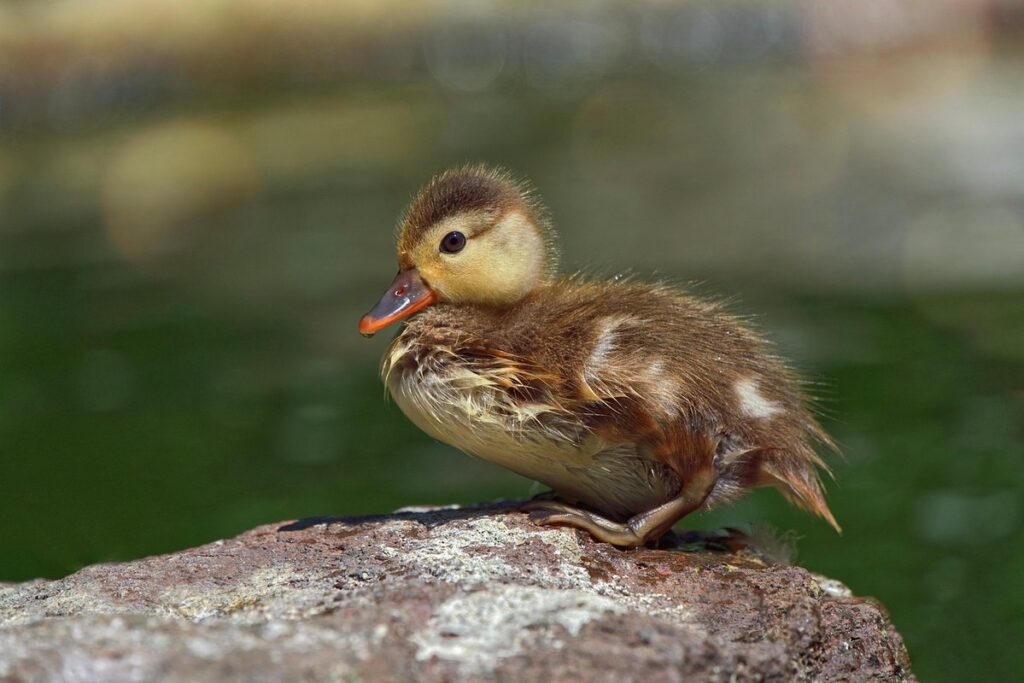
Understanding Duckling Development
As a duck breeder, it’s essential to understand how your ducklings develop and grow, so you can provide them with the best bedding options that meet their unique needs. This section breaks down the key stages of duckling development.
Stages of Duckling Growth
As you start raising ducklings, it’s essential to understand their growth stages and adapt their bedding accordingly. From hatching to 12 weeks old, ducklings undergo significant physical changes that impact their needs.
At birth (0-1 week), ducklings are fragile and vulnerable to cold temperatures. They require a warm and draft-free environment with a temperature range of around 90°F (32°C). Their nesting box bedding should be soft and absorbent, such as cotton or wool, to prevent chilling. Keep the brooder clean by removing soiled bedding daily.
Between 1-4 weeks, ducklings grow rapidly, and their bedding needs change. They require a slightly cooler environment (around 80°F/27°C) with adequate ventilation. Switch to a deeper litter like straw or shredded paper, which can be easily removed for cleaning. Make sure the brooder is spacious enough to accommodate their increasing movement.
Between 4-8 weeks, ducklings are more energetic and messy. Their bedding should still be easy to clean but also provide some traction to prevent slipping. Consider using a mix of deep litter and some straw bales for comfort.
At 9-12 weeks, ducklings are almost fully grown and require less attention to their bedding. However, it’s still essential to maintain cleanliness and provide adequate ventilation to prevent ammonia buildup. This stage is also an excellent opportunity to introduce the flock to new environments and train them on litter box use.
Importance of Proper Bedding
Proper bedding is not just a luxury for ducklings; it’s an essential component of their health and development. As they grow and mature, ducklings need a clean and comfortable environment to thrive. Hygiene plays a significant role here – dirty or contaminated bedding can spread diseases and cause infections that are detrimental to the flock.
Comfort is another critical aspect of duckling bedding. Ducklings spend most of their time on the floor, so it’s essential to provide them with soft, warm, and dry bedding. A layer of clean straw or shavings can make all the difference in keeping them cozy and relaxed. This comfort also translates to better sleep quality, which is vital for growth and development.
Furthermore, safety is a top concern when it comes to duckling bedding. Avoid using bedding materials that can cause respiratory problems or lead to entanglement. For instance, cotton balls or small pieces of cloth can be a choking hazard if ingested by the ducklings. Instead, opt for breathable, loose-fitting materials like straw or hay that allow for good airflow and prevent moisture buildup.
Ultimately, investing in proper bedding is an investment in your duckling’s health and well-being. By choosing the right materials and maintaining cleanliness, you can create a safe and nurturing environment for them to grow strong and healthy.
Types of Duckling Bedding Materials
When it comes to creating a cozy and safe environment for your ducklings, choosing the right bedding materials is crucial. Let’s explore some popular options to consider.
Natural Options: Hay, Straw, and Grass
When it comes to natural options for duckling bedding, three popular choices are hay, straw, and grass. Each of these materials has its benefits and drawbacks.
Hay is a popular choice for ducklings due to its soft texture and ability to retain heat. However, it can be more expensive than other bedding materials, and may harbor mites or ticks if not stored properly. On the other hand, straw is a cost-effective option that’s easy to clean and dry, but it can be prone to mold and mildew if not changed frequently enough.
Grass, on the other hand, is a less common choice for duckling bedding, but it has its advantages. It’s highly absorbent and can help reduce odors in the coop. However, it may require more frequent changing than hay or straw due to its tendency to break down quickly.
Regardless of which natural option you choose, make sure to store it dry and out of direct sunlight to prevent mold growth. Regularly change your duckling bedding material to keep their living space clean and hygienic. A general rule of thumb is to change the bedding completely every 1-2 weeks, depending on the size of your flock and the climate you live in.
Synthetic Alternatives: Paper-based and Plastic Bedding
When it comes to synthetic alternatives for duckling bedding, there are two primary options: paper-based and plastic. While they may seem like a convenient solution, it’s essential to weigh their advantages against the potential environmental impact.
Paper-based bedding, often made from recycled fibers or wood pulp, is a popular choice among farmers due to its affordability and ease of use. It provides good insulation and can be composted at the end of its life cycle, reducing waste. However, some paper products may contain chemicals like bleach, which can harm ducklings if ingested.
On the other hand, plastic bedding is often more durable and resistant to moisture than its paper-based counterparts. However, it’s less breathable, which can lead to respiratory issues in ducklings. Moreover, plastic takes hundreds of years to decompose, contributing significantly to waste and pollution.
Consider using a paper-based bedding made from natural fibers like cotton or hemp, which are biodegradable and gentle on your feathered friends’ skin. When disposing of synthetic bedding, make sure to follow local regulations regarding composting and recycling to minimize environmental harm.
Safety Considerations for Duckling Bedding
When it comes to choosing the right bedding for your ducklings, safety is top of mind. This section will cover essential considerations to ensure your little ones stay safe and healthy in their cozy nesting boxes.
Heat Sources: Heating Mats and Brooders
When it comes to keeping ducklings warm and cozy, heat sources like heating mats and brooders can be lifesavers. However, they also come with risks if not used properly. To ensure your feathered friends stay safe and sound, let’s dive into the world of heat sources.
Heating mats are a popular choice for small batches of ducklings or in emergency situations. They’re easy to use: simply place them under the bedding, set the temperature, and adjust as needed. However, it’s crucial to follow the manufacturer’s guidelines to avoid burns. A safe rule of thumb is to keep the heat source at least 6 inches away from the ducks’ bedding.
Brooders are another option for keeping ducklings warm. These enclosed units can be heated with thermostats or ceramic heat emitters and provide a controlled environment for your growing ducklings. When choosing a brooder, look for one with good ventilation to prevent carbon monoxide buildup and a thermostat that allows you to set the ideal temperature range (around 90-100°F) to promote healthy growth.
When using either heating mats or brooders, remember to monitor your ducklings’ behavior closely. If they appear stressed, lethargic, or huddled together, it may be a sign that the heat source is too intense. Also, never leave a heat source unattended, and ensure it’s placed on a heat-resistant surface to prevent fires. By following these guidelines, you’ll be able to keep your ducklings warm and safe until they’re ready to venture out into their new surroundings.
Ventilation and Humidity Control
Maintaining adequate ventilation and controlling humidity levels is crucial for creating a healthy environment for your ducklings. When ducklings are too hot or humid, they’re more susceptible to respiratory problems like pneumonia. You can achieve good airflow by ensuring there’s enough space between the bedding and any walls or dividers in their enclosure. Keep the area clean and tidy by removing any soiled bedding material and replacing it with fresh litter.
Some effective ways to control humidity include using a dehumidifier, increasing ventilation through windows or vents, and incorporating materials that absorb moisture like silica gel or activated charcoal into your bedding mix. For example, you can add a small amount of sand or sawdust to help draw out excess moisture from the air. Monitor temperature levels closely by placing thermometers in the enclosure. Aim for a range between 60°F and 80°F (15°C to 27°C) to promote optimal health and growth.
By prioritizing proper ventilation and humidity control, you’ll create a safe space for your ducklings to thrive and reduce the risk of preventable illnesses.
Maintaining Cleanliness and Hygiene
To keep your duckling bedding clean and hygienic, it’s essential to establish a regular cleaning routine that includes daily maintenance tasks and deeper cleaning sessions. Regular cleaning will help prevent bacterial growth and diseases.
Bedding Disposal and Replacement
When it comes to maintaining cleanliness and hygiene with duckling bedding, proper disposal of soiled bedding is crucial. Soiled bedding can harbor bacteria, fungi, and other pathogens that can cause respiratory infections and other health issues in your ducklings. To dispose of soiled bedding effectively:
* Remove the ducklings from the area before disposing of the bedding to prevent them from getting wet or stressed.
* Bag the soiled bedding immediately and dispose of it in a sealed trash bag to prevent any potential health risks.
Regularly inspecting the bedding for signs of wear and tear is essential. Check for mold, mildew, and ammonia smells, which can indicate the need for replacement. As a general rule, change duckling bedding completely every 1-2 weeks, or more frequently if it becomes visibly dirty or contaminated.
Don’t neglect cleanliness! Failing to replace soiled bedding regularly can lead to the buildup of bacteria and other pathogens that can cause serious health issues in your ducklings.
Preventing Pests and Diseases
As you set up a safe and comfortable environment for your ducklings, it’s essential to consider preventing pests and diseases that can spread through contaminated bedding. Regular cleaning schedules and monitoring are key to maintaining a healthy environment.
Firstly, clean the bedding at least once a week, removing any soiled or wet areas immediately. Replace wet bedding with dry material to prevent bacterial growth. For smaller duckling groups, aim for daily cleaning of individual nesting boxes.
Monitor your ducklings’ behavior and physical condition regularly. Keep an eye out for signs of stress, lethargy, or unusual droppings, which can be indicative of health issues related to contaminated bedding. Wash hands thoroughly before handling the ducklings to prevent cross-contamination.
Regularly inspect bedding materials for signs of wear or damage, replacing them as needed to maintain cleanliness and hygiene standards. Consider implementing a 24-hour rotation for bedding material, where one set is cleaned while the other is in use, further reducing risk.
Tips for Choosing the Right Duckling Bedding
When it comes to choosing bedding for your ducklings, selecting the right material is crucial to ensure their health and happiness. We’ll share our expert tips on what to look out for.
Budget-Friendly Options vs. Premium Materials
When it comes to choosing duckling bedding, one of the most important decisions you’ll make is selecting materials that balance cost with performance. On one hand, budget-friendly options can be appealing, especially for large flocks or frequent replacements. However, these cheaper alternatives may not provide the same level of comfort and hygiene as premium materials.
Consider a scenario where a duckling bedding made from recycled paper is used in a small backyard flock. While it’s a cost-effective option at first glance, it may need to be replaced more frequently due to its lower durability and potential for mold growth. In contrast, premium materials like bamboo or cotton may be pricier upfront but offer longer-lasting benefits and better health outcomes for your ducklings.
To make an informed decision, weigh the costs against the benefits of each material. Assess factors such as lifespan, ease of cleaning, and impact on your ducklings’ health before making a choice that suits your needs and budget.
Personal Preferences and Lifestyle Considerations
When it comes to choosing duckling bedding, personal preferences and lifestyle considerations can play a significant role. For instance, if you’re living in a small apartment with limited space, you’ll want to opt for compact, foldable bedding that won’t take up too much room. This not only makes it easier to manage but also ensures your ducklings have enough space to move around comfortably.
On the other hand, if you’re an eco-conscious individual, you might prefer bedding made from natural materials like bamboo or cotton, which are biodegradable and gentle on the environment. Some people may also be concerned about dust mites or allergies, in which case hypoallergenic bedding is a great option. Whatever your concerns, consider them when selecting duckling bedding.
Ultimately, think about what matters most to you as a duck owner – whether it’s saving space, reducing waste, or ensuring the health and well-being of your feathered friends. By taking these factors into account, you can choose the perfect bedding for your ducklings that meets both their needs and yours.
Troubleshooting Common Issues with Duckling Bedding
We all know that ducklings can be messy, so it’s essential to troubleshoot common issues with their bedding to keep them healthy and happy. Let’s tackle some of the most common problems together.
Addressing Wetness and Odors
Wet bedding can be a real challenge when caring for ducklings. Not only does it create an uncomfortable environment for them, but it also harbors bacteria and fungi that can cause respiratory issues. To address this issue, ensure the bedding is absorbent enough to handle waste production. Consider using materials like wood shavings or straw, which are effective at controlling moisture levels.
Another common problem is unpleasant odors emanating from the duckling’s bedding. This is often due to inadequate ventilation and buildup of ammonia-rich urine. To prevent this, implement a regular cleaning schedule and replace bedding entirely every week or two, depending on the number of ducklings you’re caring for.
Some practical tips include monitoring your ducklings’ waste output closely and adjusting their diet to reduce excessive urination. You can also consider adding odor-absorbing products like baking soda or diatomaceous earth to the bedding to help minimize unpleasant smells.
Overcoming Challenges with Specific Breeds
When it comes to duckling bedding, some breeds can be more challenging than others. For instance, Muscovy ducks are known for their strong instinct to forage and dig, which can easily ruin a bed of wood shavings or straw if not properly secured. To overcome this challenge, you can consider using a weighted down bedding material that’s less likely to get disturbed by the ducklings’ natural behavior.
Bantam ducks, on the other hand, are notorious for their messy eating habits and tendency to kick up litter in search of dropped food. In these cases, it’s essential to choose a bedding material that’s not only absorbent but also easy to clean. A blend of recycled paper and natural fibers can work well here, as it’s designed to wick away moisture and odors while minimizing mess.
Khaki Campbell ducks are another breed that requires special attention when it comes to bedding. Due to their high energy levels and love for water play, they tend to make a huge mess in their enclosure. To keep up with their demands, you can use a combination of absorbent bedding like hay or pine shavings, along with a waterproof underlayment to protect the surrounding area from spills.
No matter which breed you’re working with, it’s crucial to remember that consistency is key when it comes to duckling bedding. Changing materials frequently or introducing new textures can be overwhelming for your ducks and may lead to stress or even health issues. Stick to what works best for each individual flock and make adjustments as needed to ensure a clean, dry, and comfortable environment for all.
Frequently Asked Questions
Can I use the same bedding material for my ducklings throughout their entire growth stage?
No, it’s essential to switch to a more absorbent and durable material as your ducklings grow from 12 weeks old onwards. Younger ducklings require softer and warmer bedding materials like hay or straw.
How often should I change the bedding in my duckling enclosure?
Change the bedding completely every 1-2 weeks, depending on factors like humidity, temperature, and the number of ducklings. You may need to replace it more frequently if you notice wetness, odors, or pest infestations.
What’s a good way to prevent pests from being attracted to my duckling bedding?
To minimize pest issues, choose a bedding material that’s resistant to moisture, such as paper-based products. Also, keep your enclosure clean and well-ventilated, and dispose of soiled bedding promptly.
Can I use my existing cat or dog bedding for my ducklings?
No, it’s not recommended to reuse pet bedding for ducklings due to potential health risks from lingering bacteria, parasites, and allergens. Instead, opt for materials specifically designed for poultry.
How do I know if the bedding material I’ve chosen is suitable for my specific climate and region?
Consider factors like humidity levels, temperature fluctuations, and local pest populations when selecting a bedding material. For example, regions with high humidity may prefer more absorbent bedding, while areas with dry climates can opt for less absorbent options.
What’s the best way to clean and disinfect duckling bedding materials?
Follow manufacturer guidelines for cleaning and disinfecting specific bedding types. Generally, mix a solution of 1 part white vinegar to 9 parts water and spray it onto the bedding before rinsing thoroughly with clean water.