
When it comes to raising chickens for meat, choosing the right breed can make all the difference. With so many options available, selecting a high-quality chicken that meets your needs and preferences can be overwhelming. Whether you’re a seasoned farmer or just starting out in backyard chicken-keeping, knowing which breeds are best suited for meat production is essential.
In this article, we’ll explore the top chicken breeds for meat, covering both heritage and commercial options as well as specialty varieties. We’ll discuss important factors to consider when selecting a breed, including growth rate, feed efficiency, and disease resistance. You’ll also learn about breed characteristics, such as temperament and egg production (or lack thereof), and get expert advice on best practices for raising and processing your meat birds. By the end of this article, you’ll be well-equipped to make informed decisions when selecting the perfect chicken breed for your needs.
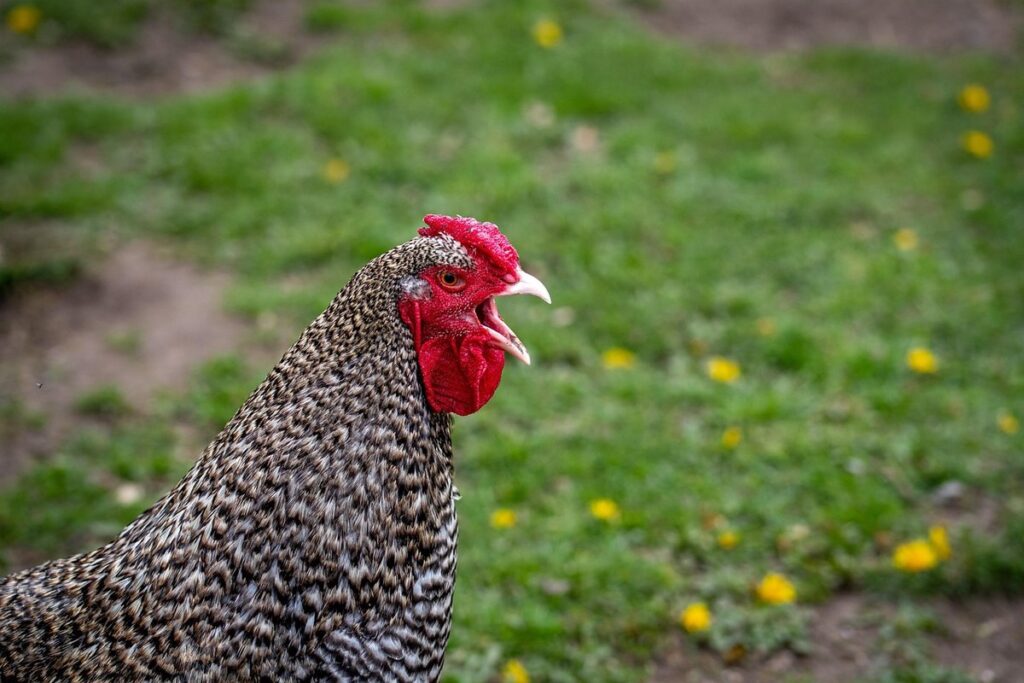
Choosing the Right Breed for Your Needs
When selecting a chicken breed for meat, it’s essential to consider your specific needs and preferences, such as space and egg production. You want birds that thrive in your environment and meet your expectations.
Factors to Consider When Selecting a Meat Chicken Breed
When selecting a meat chicken breed, it’s easy to get caught up in the excitement of choosing the right bird for your flock. However, there are several key factors to consider that can make all the difference in the quality and quantity of meat you’ll be producing.
First and foremost, consider the growth rate of the breed. A faster-growing breed will typically produce larger birds with a higher yield of meat, but may come at the cost of increased feed consumption and potential health issues. For example, some popular fast-growing breeds like the Cornish Cross can grow to market weight in as little as 5-6 weeks, but their rapid growth rate can lead to issues with leg problems and reduced egg production.
Egg production is another crucial factor to consider. While most meat chickens are not expected to produce eggs regularly, some breeds may still lay a few eggs per week. This can be beneficial for small-scale producers who want to maximize the efficiency of their operation.
Temperament is also an important consideration when choosing a meat chicken breed. Some breeds, such as the Brahma or Cochin, are known for being docile and easy-going, while others like the Leghorn or Plymouth Rock may be more skittish or aggressive. Knowing how your birds will behave in different situations can help you make informed decisions about their care and handling.
Ultimately, it’s essential to research each breed thoroughly and consider factors such as growth rate, egg production, and temperament before making a final decision. This will ensure that you’re selecting the best bird for your specific needs and goals.
Understanding the Different Types of Meat Chicken Breeds
When it comes to selecting meat chicken breeds, you’ll typically come across three main categories: heritage, commercial, and specialty breeds. Each type has its unique characteristics, advantages, and purposes.
Heritage breeds are a great choice for those looking for high-quality, flavorful meat. These breeds have been around for centuries and are often raised on small farms or homesteads. They’re prized for their rich flavor profiles and can command a higher price due to their rarity. For example, the Plymouth Rock is a popular heritage breed known for its robust growth rate and delicious dark meat.
Commercial breeds, on the other hand, are bred specifically for efficiency and productivity. These birds are designed to thrive in large-scale operations and are often used by commercial farms to meet high demand. The Cornish Cross is a well-known commercial breed that’s fast-growing and cheap to produce. While they may not have the same flavor profile as heritage breeds, they’re an affordable option for those looking to raise meat chickens on a larger scale.
Specialty breeds cater to specific needs or preferences, such as egg production or ornamental value. Some popular specialty breeds include the Silkie and the Polish. However, these birds often require specialized care and can be more expensive than other options. When choosing between heritage, commercial, and specialty breeds, consider your goals, resources, and personal preferences to make an informed decision.
Heritage Meat Chicken Breeds
Let’s dive into some of the best heritage meat chicken breeds that offer a unique flavor and texture experience, prized by chefs and home cooks alike. These breeds are renowned for their rich, complex taste profiles.
Characteristics of Heritage Breeds for Meat Production
When it comes to heritage breeds for meat production, there are several unique characteristics that set them apart from commercial breeds. For one, heritage breeds typically have a slower growth rate, which means they may take longer to mature and reach market weight. However, this slower growth rate is actually a benefit when it comes to flavor and nutritional value.
Heritage breeds are renowned for their rich, complex flavor profiles that are often described as more “chicken-like” compared to the mass-produced meat of commercial breeds. This is due in part to their diverse genetic makeup and ability to forage and roam freely outdoors. Additionally, heritage breeds tend to have higher levels of omega-3 fatty acids and other essential nutrients, making them a healthier choice for consumers.
By raising heritage breeds for meat production, you can tap into these benefits and provide your customers with a truly unique product that stands out from the rest. With careful management and attention to detail, you can help preserve these valuable genetics while also earning a premium price for your products.
Popular Heritage Breeds for Meat: A Closer Look
If you’re looking to raise heritage breeds for meat production, you’ll want to consider the Plymouth Rock and Australorp. These two breeds are renowned for their exceptional meat quality and have been a staple in many small-scale farms.
The Plymouth Rock is a popular choice among heritage breed enthusiasts due to its hardiness, fast growth rate, and exceptional flavor profile. This breed can reach maturity in as little as 16-18 weeks, making it an ideal option for farmers looking to harvest their flock quickly. With a rich, meaty flavor and tender texture, the Plymouth Rock is sure to impress even the most discerning palates.
The Australorp, on the other hand, is prized for its high-yielding carcass and buttery, tender meat. This breed has a slower growth rate compared to the Plymouth Rock but makes up for it with its exceptional flavor and tenderness. With proper care and management, the Australorp can reach maturity in 20-24 weeks, providing farmers with a reliable source of premium meat.
When raising either of these breeds, be sure to provide adequate space, nutrition, and veterinary care to ensure optimal growth and health. By doing so, you’ll be rewarded with a bountiful harvest of delicious, heritage-bred chicken meat that’s sure to delight your customers or family dinner table.
Commercial Meat Chicken Breeds
For those looking to raise meat chickens on a larger scale, commercial breeds offer efficiency and high yields, making them ideal for farmers and producers. Let’s take a closer look at some popular options.
Characteristics of Commercial Breeds for Efficient Meat Production
Commercial breeds have become the go-to choice for efficient meat production due to their exceptional characteristics. One of the primary advantages of commercial breeds is their fast growth rate, which can range from 35-45 days to market weight. This accelerated growth enables farmers to produce more birds per cycle, resulting in higher yields and increased profitability.
Commercial breeds are bred specifically for certain traits through a process called selection breeding. Breeders choose individuals that exhibit desirable characteristics, such as rapid growth, improved feed conversion efficiency, or enhanced meat quality. By selecting and breeding these birds over generations, breeders can amplify the desired traits, leading to more efficient and productive flocks.
As an example, the Ross 308 broiler is a popular commercial breed known for its exceptional growth rate and high yield. To get started with commercial breeds, it’s essential to choose a reputable supplier that offers disease-free birds, proper nutrition, and adequate space. With careful management and attention to detail, farmers can reap the benefits of commercial breeds and produce high-quality meat while minimizing labor costs and environmental impact.
Popular Commercial Breeds for Meat: A Comparison
When it comes to commercial meat chicken breeds, there are several popular options that stand out from the rest. The Cornish Cross and Ross 308 are two of the most widely used breeds in the industry.
The Cornish Cross is known for its rapid growth rate, reaching maturity in just 5-6 weeks. This breed excels at feed efficiency, with some farms reporting up to a 20% increase in production compared to other breeds. However, its meat quality can be variable, and it may require additional processing steps to achieve optimal tenderness.
On the other hand, the Ross 308 is another popular choice among commercial chicken farmers. This breed has a slightly slower growth rate than the Cornish Cross, taking around 7-8 weeks to mature. However, it offers improved meat quality and is often preferred for its more consistent texture and flavor.
When choosing between these two breeds, consider your farm’s specific needs and priorities. If you’re looking for rapid growth and high feed efficiency, the Cornish Cross may be the better choice. But if you prioritize meat quality and consistency, the Ross 308 could be the way to go.
Specialty Meat Chicken Breeds
If you’re looking for a unique twist on traditional chicken meat, consider specialty breeds that pack big flavor into smaller packages. These breeds offer distinct characteristics that elevate your meals.
Characteristics of Specialty Breeds for Unique Meat Production
When it comes to specialty meat chicken breeds, there are several options that stand out for their unique characteristics and exceptional flavor. One such breed is the Capon, a game bird known for its tender and juicy meat. Capons are castrated roosters, which results in a more docile nature and faster growth rate, making them an ideal choice for commercial producers.
Another specialty breed worth mentioning is the guineafowl, a tropical bird native to Africa. Guineafowl have a distinctive flavor profile, often described as a cross between chicken and game meat. They are also known for their hardiness and ability to thrive in diverse environments, making them a popular choice among small-scale farmers.
In terms of processing, specialty breeds like the Capon and guineafowl require special handling to bring out their unique characteristics. For example, Capons should be raised on a diet rich in fruits and vegetables to enhance their natural sweetness. Guineafowl, on the other hand, benefit from dry-aging to concentrate their flavors.
If you’re considering raising specialty breeds for meat production, it’s essential to research specific handling and processing requirements to ensure optimal flavor and texture. With proper care and attention, these unique birds can provide a truly exceptional culinary experience for consumers.
Raising Specialty Breeds: Challenges and Opportunities
Raising specialty breeds can be both challenging and rewarding. These unique breeds are often sought after by chefs and consumers who value their distinct flavor profiles and textures. However, finding a market for these birds can be difficult, as they may not fit into the traditional meat chicken category.
Market demand is one of the biggest challenges facing specialty breed farmers. Unless you have a strong network of buyers or a direct-to-consumer sales model, it can be hard to find customers who are willing to pay a premium for these breeds. This can make it difficult to justify the higher costs associated with raising specialty breeds.
On the other hand, niche markets such as farm-to-table restaurants and high-end butcher shops can provide opportunities for specialty breed farmers to connect with customers who value unique products. By developing relationships with chefs and butchers who are interested in carrying these products, you can create a loyal customer base and generate revenue.
Health Considerations for Meat Chicken Production
When raising meat chickens, it’s essential to consider their health and well-being, from disease prevention to nutritional needs, to ensure a healthy flock. Proper care is crucial for optimal growth and quality meat production.
Importance of Biosecurity and Disease Management
Maintaining biosecurity and disease management practices is crucial when raising chickens for meat. The consequences of neglecting these measures can be severe, including financial losses and even the loss of an entire flock. Common health issues in meat chicken flocks include respiratory diseases such as Avian Influenza, Infectious Bronchitis, and Newcastle Disease. These conditions can spread quickly through contaminated feed, water, or equipment.
To minimize the risk of disease transmission, it’s essential to implement strict biosecurity protocols. This includes:
* Regularly cleaning and disinfecting living areas, feeders, and waterers
* Isolating new birds from existing flocks for a minimum of 30 days
* Monitoring bird health daily, looking out for signs of illness or stress
* Keeping accurate records of vaccinations and treatments administered
Effective disease management also requires monitoring for pests like rodents, mites, and lice that can transmit diseases. By staying vigilant and taking proactive measures to prevent the spread of disease, you can protect your flock’s health and ensure a successful meat chicken operation.
Nutritional Needs and Feed Options for Meat Chicken Breeds
Meat chicken breeds have distinct nutritional needs that impact their growth rate and meat quality. For example, slow-growing breeds like Orpingtons require more energy and protein-rich feed to sustain their slower metabolism. On the other hand, fast-growing breeds like Cornish Cross need a diet rich in amino acids, vitamins, and minerals to support rapid muscle growth.
It’s essential to provide your flock with nutrient-dense feed that meets their specific needs. Choose commercial feeds formulated for meat production or consider using organic feed options. Organic feed is made from natural ingredients, free from synthetic additives and pesticides. However, its higher price point may not be feasible for large-scale operations.
Consider the following factors when selecting a feed option: protein content, energy sources (e.g., grains, soybean meal), and inclusion rates of essential nutrients like calcium and phosphorus. Ensure that your flock has access to fresh water at all times to prevent dehydration. Proper nutrition sets the foundation for high-quality meat production. Monitor your flock’s performance and adjust their feed as needed to optimize growth rates and meat quality.
Raising Meat Chickens: Tips and Best Practices
When it comes to raising meat chickens, there are several key considerations to keep in mind as you work towards a successful harvest. We’ll walk through some essential tips and best practices here.
Starters and Grow-out Strategies for Meat Chicken Production
When it comes to raising meat chickens from hatch to market weight, having a solid plan in place is crucial. This includes choosing the right breed for your needs, but also knowing how to manage their health and growth.
For brooding, which typically lasts around 4-6 weeks, providing a warm and safe environment is essential. A heat source of about 90-100°F (32-38°C) is recommended during this period. You’ll also want to ensure access to clean water and feed, as well as proper ventilation to prevent ammonia buildup.
Vaccinations are another critical aspect of meat chicken production. Schedule your chicks for vaccinations at the right age to protect them against diseases such as Newcastle disease and Marek’s disease. Consult with a veterinarian or experienced breeder to determine the best vaccination schedule for your flock.
As your chickens grow, keep a close eye on their health. Monitor for signs of illness or stress, such as labored breathing or lethargy. Regularly inspect their living conditions, ensuring they have enough space to move around and exercise.
Remember, proper management practices can make all the difference in achieving optimal growth rates and healthy birds at market weight. With a solid understanding of brooding and health management techniques, you’ll be well on your way to raising top-notch meat chickens.
Processing and Marketing Meat Chickens: A Guide
When it’s time to process and market your meat chickens, several key considerations come into play. Butchering is a crucial step that requires attention to detail and proper technique to ensure the meat remains safe for consumption. Start by selecting a suitable location for butchering, ideally one with easy access to water and electricity. Next, prepare your equipment, including a sharp knife, poultry shears, and a clean workspace.
When it comes to packaging, prioritize cleanliness and labeling. Use breathable bags or containers to store the meat, and be sure to include essential details such as breed, processing date, and any relevant certifications. Labeling is critical in marketing your product; consider incorporating labels that highlight the unique characteristics of your chicken breed, such as heritage status or grass-fed practices.
Effective marketing strategies can help you stand out in a crowded market. Focus on highlighting the nutritional benefits and taste profile of your meat chickens. Consider partnering with local restaurants or farmers’ markets to increase visibility and drive sales. By paying attention to these key considerations, you’ll be well-equipped to process and market your meat chickens successfully.
Conclusion
As you’ve now got a solid understanding of the best chicken breeds for meat, it’s time to wrap up our comprehensive guide and share some final thoughts.
Recap of Key Takeaways and Final Thoughts
As you’ve made it to the end of this comprehensive guide on the best chicken breeds for meat, we hope you feel informed and ready to start raising your own backyard chickens. In this final section, we’ll recap the key takeaways from our discussion.
We started by highlighting the importance of selecting a breed that suits your needs and climate. Some breeds excel in hot or cold temperatures, while others require more space or specialized care. Our top recommendations included Leghorn, Plymouth Rock, Rhode Island Red, and Australorp – each with their unique characteristics and advantages.
For backyard chicken keepers on a smaller scale, we suggested breeds like Golden Comet, Buff Orpington, and Barred Plymouth Rock. These birds are not only delicious but also relatively low-maintenance and gentle. For those looking for more exotic options or heritage breeds, we explored the likes of Ayam Cemani, Java, and Silkies – each with their own unique flavor profiles.
Throughout this guide, we’ve emphasized the importance of considering factors beyond just taste and tenderness. From egg-laying capabilities to noise levels and temperament, there’s much to consider when selecting a breed for meat production. We hope our recommendations have provided you with valuable insights and inspiration for your own backyard chicken endeavors.
As you begin or continue on your poultry-keeping journey, remember that every flock is unique. Be sure to research local regulations, plan for feed and healthcare costs, and always prioritize animal welfare. With the right breed selection and care, you’ll be well on your way to raising delicious, healthy chickens – and enjoying the many rewards of backyard chicken keeping!
Frequently Asked Questions
What are some common mistakes to avoid when raising meat chickens for the first time?
When starting with meat chicken production, it’s easy to overlook essential details that can impact your flock’s health and productivity. Avoid overstocking, ensure adequate space per bird, and prioritize proper biosecurity measures to prevent disease outbreaks. Don’t skimp on nutritional feed options or fail to establish a robust starter and grow-out strategy.
Can I raise meat chickens in a small backyard setting?
Yes, you can successfully raise meat chickens in a small backyard setting with careful planning and attention to detail. Consider breeds like the Silkie or Cornish Cross, which are well-suited for smaller spaces and have moderate growth rates. Ensure proper ventilation, adequate feed storage, and implement efficient processing and marketing strategies to make the most of your space.
How do I handle disease outbreaks in my meat chicken flock?
To manage disease effectively, prioritize proactive measures like regular vaccination programs, strict biosecurity protocols, and robust sanitation practices. Monitor your birds closely for signs of illness and consult with a veterinarian if you suspect an outbreak. Isolate affected birds immediately, and take steps to prevent further spread by cleaning and disinfecting the coop and run.
Can I raise meat chickens without antibiotics?
Yes, it’s possible to raise meat chickens without relying on antibiotics. Focus on selecting breeds that are naturally resistant to disease, implement robust biosecurity measures, and prioritize proper nutrition through balanced feed options. Consider using probiotics or other natural health supplements to promote gut health in your birds.
How do I process and market my home-raised meat chicken?
Processing and marketing home-raised meat chickens require attention to detail and compliance with local regulations. Research guidelines for humane slaughter, processing, and packaging procedures. Develop a clear marketing strategy that highlights the benefits of locally sourced, sustainably raised meat products, such as reduced environmental impact and improved animal welfare. Consider partnering with local restaurants or consumers who value your unique offerings.