
Are you thinking of adding some sweet treats to your flock? Chocolate egg laying breeds are a popular choice for backyard chicken keepers, but with so many options available, it can be hard to decide which one is right for you. These special birds lay eggs with a rich, dark brown color that’s perfect for baking and cooking. But chocolate egg laying breeds aren’t just about looks – they also have unique characteristics and needs that are essential to consider before bringing them home.
In this article, we’ll take a closer look at the benefits and requirements of different chocolate egg laying breeds, including their egg-laying abilities, temperament, and specific needs when it comes to nutrition and housing. Whether you’re a seasoned chicken keeper or just starting out, our guide will help you make an informed decision and choose the right breed for your flock’s unique requirements.
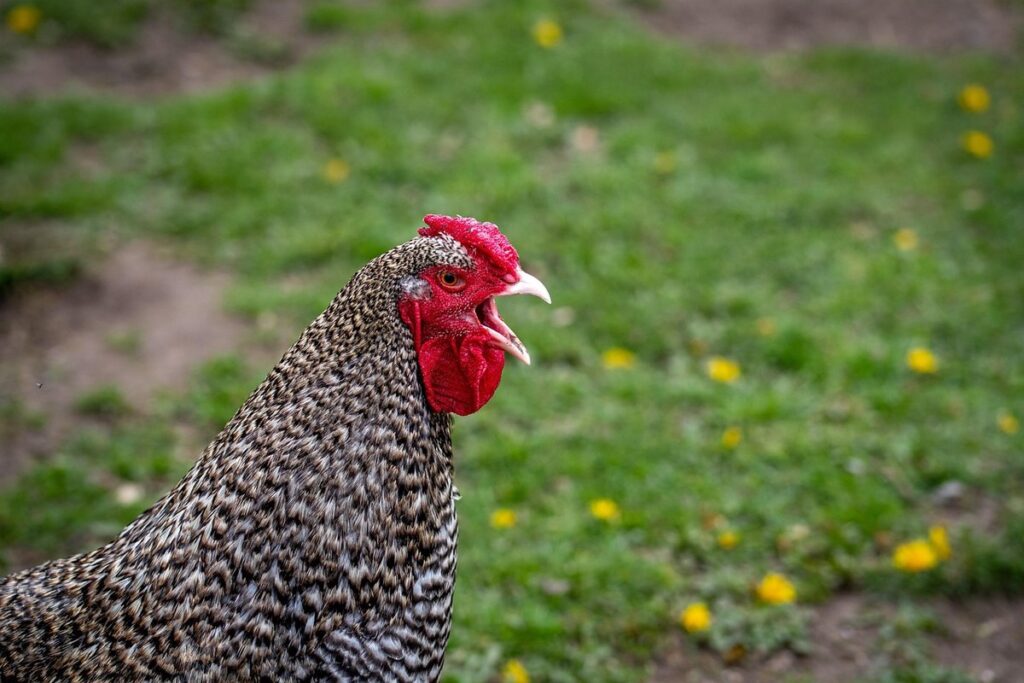
Characteristics and Benefits
Now that you’ve learned about the different breeds, let’s dive into what makes chocolate egg layers special, including their unique characteristics. We’ll explore the benefits of owning one.
Unique Physical Traits of Chicken Breeds
When it comes to identifying unique physical traits of chicken breeds, particularly those that lay chocolate eggs, several characteristics stand out. One key distinction is beak shape and size. Some breeds, like the Marans, have a distinctive “V” shaped beak, which is better suited for pecking at dirt and foraging. Others, such as the Barnevelder, have a slightly larger beak that’s more robust for breaking through seed husks.
In terms of feather patterns and plumage colors, breeds like the Marans and Welsummer are renowned for their dark, mottled feathers and rich brown eggs. The silkie breed boasts soft, fluffy plumage and small, pale brown eggs. These traits not only contribute to the breed’s unique appearance but also provide insulation in colder climates.
These physical characteristics play a significant role in a breed’s adaptability in different environments. For instance, breeds with heavier, more robust beaks are better suited for foraging on rocky or hard soil. Those with softer, lighter plumage may require more protection from the elements.
Nutritional Needs and Requirements
When it comes to meeting the nutritional needs of chocolate egg-laying breeds, you’ll want to focus on providing a balanced diet that supports optimal health and reproductive function. These hens require a mix of protein, calcium, and other essential vitamins and minerals to produce high-quality eggs and maintain strong bones.
A good starting point is to provide a layer feed specifically formulated for egg-laying breeds. Look for feeds that contain around 16-18% protein, which will help support muscle growth and maintenance. Calcium is also crucial for eggshell production, so ensure your chosen feed contains sufficient levels (around 3-4%).
In addition to commercial layer feed, consider supplementing with fresh fruits, vegetables, and whole grains. Leafy greens like kale and spinach are packed with calcium, while foods high in omega-3 fatty acids like flaxseed can help reduce inflammation.
To keep things simple, aim to provide your chocolate egg-laying hens with around 75-80% of their diet as commercial layer feed, supplemented with fresh produce (10-15%) and whole grains (5%). Remember to always provide clean water at all times, and consider offering a calcium-rich mineral block or grit to help support strong bones.
History and Origins
The chocolate egg laying breed has a fascinating history, dating back centuries to ancient civilizations where such extraordinary birds were highly prized for their unique ability. Let’s dive into how they first emerged.
The Evolution of Egg-Laying Breeds
The history of chocolate egg-laying breeds is deeply rooted in their development for high egg production. These birds owe their existence to selective breeding programs that aimed to create hens capable of producing an abundance of eggs, while also possessing desirable traits such as docility and strong eggshell quality.
In the early 20th century, poultry farmers began experimenting with different breeds to create hybrids that would excel in both egg-laying and other characteristics. The introduction of the Leghorn breed is particularly notable, as it laid the foundation for modern-day chocolate egg-layers. The original goal was to produce hens with high productivity and strong disease resistance.
Over time, through careful selection and cross-breeding, farmers developed breeds like the Barred Plymouth Rock, Rhode Island Red, and Buff Orpington, which have since become synonymous with prolific egg production. Today’s chocolate egg-laying breeds are direct descendants of these early experiments, demonstrating impressive advancements in both egg quantity and quality.
Notable Bloodlines and Pedigrees
When it comes to chocolate egg laying breeds, some bloodlines stand out for their exceptional performance and egg production. Take, for example, the Barred Plymouth Rock breed. This breed has been a staple in many backyard flocks due to its hardiness, high egg production, and ability to thrive in a variety of environments.
In terms of specific accomplishments, one notable Barred Plymouth Rock bloodline produced an astonishing 300 eggs per year on average. Another notable example is the Brahma breed, which can lay up to 240 large eggs per year. These breeds are not only impressive for their egg production but also for their gentle nature, making them a great choice for families and backyard flock owners.
If you’re looking to build a strong foundation in your flock, consider introducing one of these renowned bloodlines into your breeding program. With careful selection and management, you can unlock the full potential of your birds and achieve impressive egg production numbers.
Breed Profiles: In-Depth Overview
Let’s dive into the fascinating world of chocolate egg laying breeds, where we’ll explore their unique characteristics and traits. This section will give you an in-depth look at each breed’s history and temperament.
Leghorn Breeds
The Leghorn breed is one of the most popular and sought-after chicken breeds among backyard flock owners and commercial producers alike. As a high-quality egg-laying bird, Leghorns are known for their exceptional production capabilities, with some hens laying up to 300 large brown eggs per year. This impressive feat makes them an ideal choice for those seeking a reliable source of fresh eggs.
One of the key characteristics that set Leghorns apart is their lean build and muscular legs, which enable them to move quickly and efficiently around the farm. Their light feathering also helps to reduce heat stress during hot summer months. However, it’s worth noting that Leghorns can be skittish and may require some extra attention when handling.
In terms of egg-laying performance, Leghorns are generally considered a high-risk breed, meaning they lay more eggs in the early stages of their production cycle but tend to slow down as they age. This is due in part to their fast growth rate and maturation period. As such, it’s essential to prioritize nutrition, health, and management practices to ensure these birds reach their full egg-laying potential.
Leghorns are also a relatively low-maintenance breed, requiring less space and feed compared to other high-egg producers. However, they can be prone to health issues like respiratory problems and parasites if not properly managed. With proper care and attention, however, Leghorns can provide an abundance of fresh eggs for years to come.
It’s worth noting that while Leghorns are often associated with white or light-colored plumage, there is a chocolate-brown variety available for those seeking this specific coloration.
Other Popular Egg-Laying Breeds
In addition to the Chocolate Marans and Chocolate Legbar breeds, there are several other popular egg-laying breeds worth considering. One such breed is the Easter Egger, a hybrid chicken known for its high egg production and unique characteristics.
Easter Eggers can lay up to 300 large brown eggs per year, making them an excellent choice for backyard farmers looking to increase their egg supply. However, they are not as consistent in their egg-laying abilities as some other breeds, so it’s essential to keep this in mind when considering bringing them home.
Another breed worth mentioning is the Ameraucana, a hardy and reliable chicken known for its blue eggs and high egg production. They can lay up to 200 large brown eggs per year and are relatively low-maintenance compared to some other breeds.
If you’re looking for a more exotic breed with impressive egg-laying abilities, consider the Cream Legbar. These chickens are known for their stunning golden feathers and ability to produce up to 280 large white or light-brown eggs per year.
When choosing any of these breeds, it’s essential to research their specific needs and characteristics to ensure they fit your lifestyle and farming goals.
Health Considerations and Precautions
When working with these unique breeds, it’s essential to consider potential health risks and take necessary precautions to ensure a safe and healthy experience for both you and your new pet.
Managing Stress to Optimize Performance
Managing stress is crucial for maintaining optimal egg production in chocolate egg laying breeds. Just like us, chickens can feel anxious and stressed due to various factors such as poor living conditions, inadequate nutrition, and improper handling. Chronic stress can lead to a decline in egg production, so it’s essential to create a stress-free environment for your flock.
Firstly, provide proper housing for your chickens. Ensure their coop is spacious, well-ventilated, and protected from harsh weather conditions. Consider adding perches, nesting boxes, and scratching posts to keep them engaged and active. A clean and comfortable living space will go a long way in reducing stress levels.
A balanced diet is also vital for maintaining egg production. Feed your chickens a nutrient-rich layer feed that meets their specific needs. Provide fresh fruits and vegetables as treats to supplement their diet. Avoid overfeeding, as this can lead to obesity and other health issues.
When handling your chickens, be gentle and calm. Avoid sudden movements or loud noises, which can startle them. Instead, move slowly and speak softly to reassure them. Regularly cleaning the coop and changing the bedding will also help reduce stress caused by unsanitary conditions.
Common Health Issues and Solutions
As an owner of a chocolate egg-laying breed, it’s essential to be aware of common health issues that can affect these birds. Egg-laying breeds are prone to reproductive problems due to selective breeding for high egg production. Some common health concerns include:
* Respiratory infections: These can be caused by bacteria or viruses and can lead to symptoms such as coughing, sneezing, and labored breathing.
* Ovarian cysts: These growths on the ovaries can cause pain, infertility, and even life-threatening complications if left untreated.
* Egg binding: This occurs when an egg becomes lodged in the oviduct or vent and can cause severe abdominal pain, vomiting, and death.
To prevent these issues, make sure to provide your bird with a balanced diet rich in vitamins and minerals. Ensure she has access to clean water at all times and maintain good hygiene practices in her enclosure. Regular veterinary check-ups can also help detect potential health problems early on. If you do encounter any of these issues, consult with a veterinarian experienced in treating egg-laying breeds for proper diagnosis and treatment.
Tips for Selecting the Right Breed
When selecting a chocolate egg laying breed, you’ll want to consider several key factors to ensure you find the perfect feathered companion for your family. Let’s explore some essential tips to get started.
Assessing Individual Needs and Expectations
When selecting a chocolate egg laying breed, it’s essential to consider individual needs and expectations. Whether you’re raising a small backyard flock for personal eggs or planning for commercial purposes, understanding what suits your lifestyle is crucial.
Consider the space and resources available. For those with limited yard space, breeds like the Chocolate Legbar or the Barred Plymouth Rock are suitable options as they require minimal space to roam. On the other hand, if you have a larger property, you might prefer breeds that can forage freely, such as the Chocolate Orpington.
Think about your desired egg production level and the time commitment required to manage your flock. Some breeds, like the Chocolate Marans, are known for their high egg production but may require more attention and care. Others, like the Chocolate Australorp, produce fewer eggs but are generally easier to maintain.
Ultimately, research the specific needs of each breed and weigh them against your individual circumstances before making a decision.
Balancing Desirable Traits with Practicality
When selecting a chocolate egg laying breed, it’s essential to balance desirable traits with practicality. Many breeders and owners prioritize characteristics like high egg production, large egg size, and rich brown color. While these traits are certainly attractive, they may not be feasible or sustainable for every operation.
For example, some breeds produce an abundance of eggs, but at the cost of increased stress on the hens and potential health issues. Similarly, larger eggs may require more space and resources to accommodate. It’s crucial to weigh these factors against your specific needs and goals.
Consider what matters most to you: do you prioritize egg quantity or quality? Do you have limited space for a large flock? Answering these questions will help you determine which breed is right for you. Don’t be swayed by the allure of high egg production if it means compromising on other essential factors, such as bird health and welfare. By balancing desirable traits with practicality, you’ll find a chocolate egg laying breed that meets your needs and thrives in your care.
Conclusion and Final Thoughts
Now that we’ve explored the world of chocolate egg laying breeds, let’s recap what you’ve learned and summarize our key takeaways.
Recap of Key Points and Recommendations
Incorporating chocolate egg-laying breeds into your flock can be a rewarding experience for chicken keepers. To ensure success, it’s essential to remember the key points discussed throughout this comprehensive guide.
Firstly, research and selection are crucial steps when choosing a breed that suits your needs. Consider factors such as climate, space, and desired egg production levels. For example, if you live in an area with harsh winters, breeds like the Chocolate Legbar or Chocolate Orpington may be more suitable due to their hardiness.
Another vital aspect is providing a balanced diet and optimal living conditions for your flock. This includes access to fresh water, nutritious feed, and adequate space for exercise. A well-planned coop design can help maintain a clean and stress-free environment for both humans and animals.
In terms of health considerations, it’s essential to implement regular check-ups with a veterinarian and monitor for signs of disease or parasites. Keeping your flock up-to-date on vaccinations and maintaining good biosecurity practices will help prevent the spread of illness.
To further ensure the success of your chocolate egg-laying breeds, remember to provide plenty of opportunities for enrichment activities and social interaction. This can be achieved through providing scratching posts, perches, and toys, as well as rotating pasture access or introducing new flock members.
By following these key recommendations and incorporating them into your daily chicken-keeping routine, you’ll be well on your way to successfully raising a thriving flock of chocolate egg-laying breeds.
Frequently Asked Questions
How do I determine the best chocolate egg laying breed for my small backyard flock?
When selecting a breed, consider factors such as climate, available space, and your desired level of maintenance. Research breeds with similar characteristics to ensure you’re choosing a breed that thrives in your specific environment.
Can any chicken coop be suitable for chocolate egg laying breeds?
While a standard coop can work, it’s essential to consider the unique needs of these breeds. Provide adequate ventilation, nesting boxes, and space for foraging or scratching posts. Consult with local experts or online resources for breed-specific recommendations.
How often should I collect eggs from my chocolate egg laying hens?
To maintain their health and productivity, collect eggs daily to prevent over-stimulation and stress. This also helps you monitor their reproductive cycle and detect any potential issues early on.
Can I keep multiple breeds together in the same flock if I want to raise chocolate egg layers?
Yes, many chicken keepers successfully integrate multiple breeds into one flock. However, ensure compatibility by considering factors like temperament, size, and energy levels. Provide enough space, food, and water for each breed’s unique needs.
How long do chocolate egg laying hens typically live compared to other breeds?
Chocolate egg layers tend to have a lifespan similar to that of other breeds, around 5-7 years. Proper care, nutrition, and regular health checks can significantly contribute to their overall well-being and longevity.