
Are you an aspiring bird breeder or a seasoned hobbyist looking to successfully hatch your own eggs? Choosing the right equipment is crucial, but with so many options available, it can be overwhelming. One essential piece of kit for any serious poultry enthusiast is an egg hatching incubator. Not only does it provide optimal conditions for embryonic development, but it also ensures a safe and healthy start to life for your new chicks.
In this ultimate guide, we’ll walk you through the process of selecting the perfect automatic or manual incubator for your needs. We’ll explore key features to look out for, including temperature control, humidity management, and more. By the end of this article, you’ll be equipped with the knowledge necessary to set up your incubator correctly and optimize your chances of successful hatching. Whether you’re a beginner or experienced breeder, get ready to crack open the secrets to hatching healthy chicks!
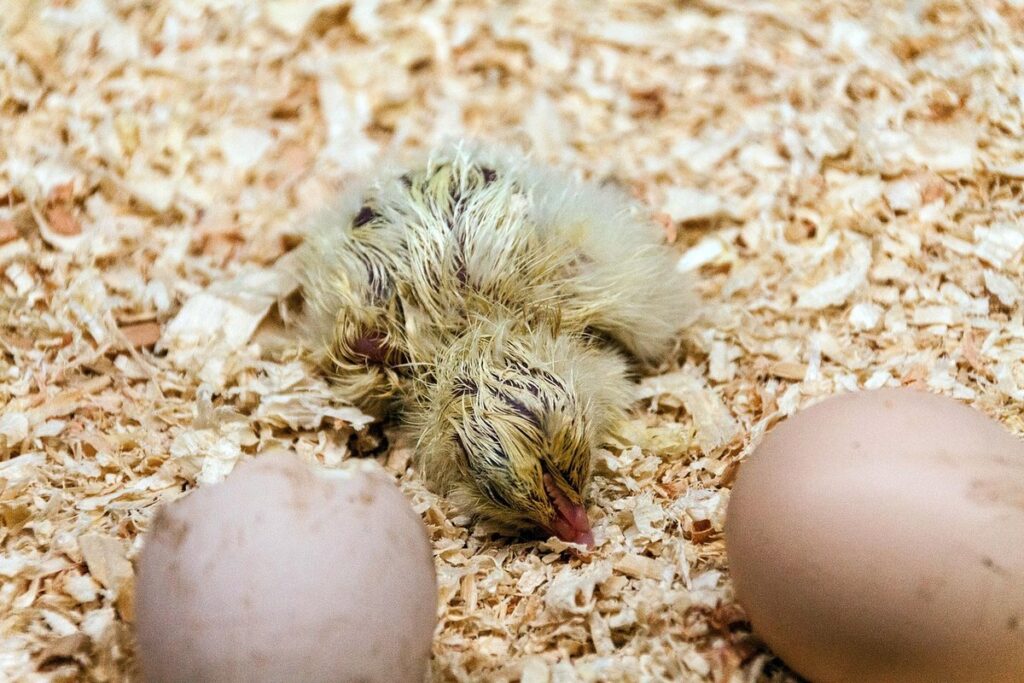
Choosing the Right Incubator for You
With so many incubators on the market, it can be overwhelming to choose one that meets your needs. In this section, we’ll break down key factors to consider when selecting an ideal egg hatching incubator for you.
Types of Incubators: Automatic and Manual
When it comes to choosing an egg hatching incubator, one of the most critical decisions you’ll make is whether to opt for an automatic or manual incubator. Both types have their unique benefits and drawbacks, which are essential to understand before making a decision.
Automatic incubators are perfect for beginners who want to minimize the risk of temperature fluctuations and humidity levels. These incubators come equipped with advanced sensors that monitor temperature, humidity, and egg turning, ensuring optimal conditions for your eggs to hatch successfully. With automatic incubators, you can set the desired parameters, and the machine will take care of the rest. However, they tend to be more expensive than manual incubators and require a power source.
On the other hand, manual incubators are ideal for experienced breeders who want more control over the hatching process. These incubators allow you to adjust temperature and humidity levels manually, providing a more hands-on approach to egg hatching. Manual incubators are generally less expensive than automatic ones but require more effort and attention from the user.
Ultimately, the choice between an automatic or manual incubator depends on your level of experience, available resources, and desired level of control over the hatching process. Consider your needs carefully before making a decision to ensure you choose the right type of incubator for your specific situation.
Key Features to Consider When Selecting an Incubator
When selecting an egg hatching incubator, there are several key features to consider. Temperature control is crucial for successful hatching, as most birds require a precise temperature range to develop properly. Look for an incubator with adjustable temperature settings and the ability to maintain a consistent temperature within 0.1-0.2°C. Humidity management is also essential, as excessive or inadequate moisture can lead to poor egg development or even mold growth.
Some incubators come equipped with built-in humidistats that allow you to adjust humidity levels automatically, while others may require manual monitoring and adjustment. Monitoring systems are another important feature to consider. Many modern incubators come with digital displays, temperature graphs, and alarms that alert you to any deviations from the set parameters.
It’s also worth considering the type of monitoring system used – some incubators use sensors to track temperature and humidity levels, while others may rely on manual readings. When evaluating an incubator’s monitoring system, look for features like data logging capabilities and customizable alerts to ensure you stay informed about your eggs’ progress.
Incubator Capacity: Small, Medium, or Large-Scale Operations
When selecting an egg hatching incubator, it’s essential to consider the capacity of the unit, as it will determine whether it suits small backyard flock owners, hobbyists, or large commercial operations. Small-scale incubators are ideal for those who only need to hatch a few eggs at a time. These units typically have capacities ranging from 5-20 eggs and are often more affordable.
For medium-scale operators, such as small poultry farms or breeders, a mid-range incubator with a capacity of around 50-100 eggs may be more suitable. These units offer a balance between cost and performance, making them an excellent choice for those who need to hatch larger quantities of eggs.
Large-scale commercial operations require high-capacity incubators that can handle hundreds of eggs at once. These units are often equipped with advanced features such as automated temperature control, humidity management, and data logging capabilities. When choosing the right capacity for your needs, consider factors such as your egg-laying flock size, hatching frequency, and desired output.
Setting Up Your Egg Hatching Incubator
Before you start hatching your first eggs, it’s crucial to set up your incubator correctly to ensure a safe and successful environment for your chicks. In this section, we’ll walk you through the essential steps to get started.
Preparing Your Eggs for Incubation
When collecting eggs from your flock, it’s essential to handle them gently and carefully to avoid any potential damage. Start by placing a clean towel or cloth on the surface where you will be picking up the eggs. This provides a non-slip surface and prevents eggs from getting scratched.
Next, gently pick up each egg with both hands, making sure to support the entire weight of the egg rather than just your fingertips. Place the egg in a carton or container specifically designed for egg transport, taking care not to roll or tilt the egg excessively.
For optimal incubation results, it’s also crucial to monitor and record egg temperature immediately after collection. This helps ensure that eggs are at their optimal storage temperature prior to being introduced into your hatching incubator.
Temperature Control: The Critical Factor in Successful Incubation
Temperature control is the backbone of successful incubation. A stable temperature environment is crucial for healthy embryo development and successful hatching. Most poultry species require a precise temperature range to hatch successfully.
For example, chicken embryos thrive between 99°F (37°C) and 100°F (38°C), while duck embryos need a slightly cooler temperature around 98°F (36.7°C). Failing to maintain the optimal temperature can lead to reduced fertility rates, increased mortality, and poor hatch quality.
To set up and maintain a stable temperature environment:
* Ensure your incubator is placed in a draft-free area with minimal disturbance.
* Use an accurate thermometer to monitor temperature fluctuations.
* Set the temperature control dial to the recommended setting for your species.
* Regularly check and adjust the temperature as needed, making small adjustments (0.1-0.2°F or 0.05-0.1°C) every few hours.
A consistent temperature also helps regulate other incubation parameters like humidity levels, ensuring a healthy environment for your eggs to hatch successfully.
Humidity Management: A Key Component of Healthy Incubation
Maintaining optimal humidity levels is crucial for successful incubation. Humidity plays a vital role in the development of embryos by preventing moisture loss and promoting healthy growth. Ideally, humidity should be maintained between 50-60% during the first stages of incubation, increasing to around 70-80% as the chicks develop.
To manage humidity effectively, it’s essential to monitor the incubator regularly. Use a hygrometer to track temperature and humidity levels, making adjustments as needed. A simple way to increase humidity is by placing a damp cloth or towel in the incubator. However, be cautious not to overdo it – excessive moisture can lead to mold growth.
For optimal results, aim for a slight decline in humidity as the chicks near hatching. This helps prevent respiratory issues and promotes healthy lungs development. Monitor your eggs closely during this period and make adjustments accordingly. A good rule of thumb is to decrease humidity by 5-10% over the final 24 hours before hatch.
Effective humidity management can mean the difference between successful incubation and disappointment. By understanding the importance of humidity and taking steps to maintain optimal levels, you’ll be well on your way to hatching healthy chicks.
Monitoring and Troubleshooting Your Incubator
Now that you’ve successfully hatched your eggs, it’s time to ensure everything runs smoothly – learn how to monitor and troubleshoot common issues with your incubator.
Understanding Incubator Readings and Alerts
When you’re monitoring your incubator’s performance, you’ll likely come across various readings and alerts that can be confusing at first. Let’s break down what these mean so you can take corrective action to ensure a successful hatch.
Temperature fluctuations are one of the most critical factors to monitor. If the temperature deviates from the set point by more than 1-2°F, it can significantly impact embryo development. Look for alerts or notifications when this happens and adjust your settings accordingly. For example, if you notice the temperature dropping too low, you may need to increase the heat output of your incubator.
Another common alert is related to egg turning issues. Most modern incubators come equipped with automatic turners that rotate eggs at regular intervals to prevent sticking. However, if an egg gets stuck or the turner fails, it can cause damage to the embryo. Check for alerts indicating a problem with the turner and troubleshoot as soon as possible.
It’s also essential to understand what different readings on your incubator’s display mean. For instance, a high humidity reading may indicate that the ventilation system is not functioning correctly, while low readings might suggest inadequate moisture levels in the incubator. By paying attention to these alerts and taking corrective action, you can prevent problems and ensure a healthy hatch.
Common Issues and Solutions: Tips for Troubleshooting Your Incubator
When issues arise during incubation, it’s essential to troubleshoot promptly to avoid further complications. One common problem is egg cracking, which can be caused by incorrect temperature settings, improper egg handling, or even the type of eggs being used. To resolve this issue, check that the temperature is within the optimal range (37-38°C) and ensure the eggs are not too close together in the incubator.
Another potential issue is embryo rejection, often resulting from contamination or poor incubation conditions. To prevent this, maintain strict hygiene practices when handling eggs and regularly clean the incubator with a gentle disinfectant solution. Additionally, monitor temperature fluctuations closely, as sudden drops can be detrimental to developing embryos.
If your incubator’s equipment starts malfunctioning, don’t panic – most issues are easily resolved by checking simple connections or replacing worn-out parts. Consult your user manual for troubleshooting guidelines specific to your model. In the event of a more complex problem, contact the manufacturer’s support team for assistance. By addressing common issues promptly and taking preventative measures, you can ensure a healthy incubation environment for your eggs.
The Science Behind Egg Hatching: Understanding the Process
Let’s take a closer look at what happens inside an egg to initiate hatching, and understand the intricate process of embryonic development that leads to this amazing moment.
Embryonic Development: A Journey from Fertilization to Hatching
As we delve into the world of egg hatching incubators, it’s essential to understand the incredible process that occurs inside those tiny eggs. The journey from fertilization to hatching is a remarkable one, and it all begins with the fusion of sperm and egg cells.
During this initial stage, known as fertilization, a single sperm penetrates the outer layer of the egg, releasing its genetic material into the egg’s cytoplasm. This event triggers a series of rapid cell divisions, resulting in the formation of a tiny ball of cells called a blastocyst. The blastocyst will eventually give rise to the embryo’s major tissues and organs.
As the embryo develops, it undergoes several crucial stages, including gastrulation, where the three primary germ layers – ectoderm, mesoderm, and endoderm – begin to form. These layers will eventually give rise to all of the embryo’s organs and tissues, including its circulatory, nervous, and digestive systems.
Within 24-48 hours after fertilization, the embryo has begun to develop its major organs, such as the heart, lungs, and liver. This is a critical period, as any disruptions or abnormalities during this time can impact the chick’s chances of survival.
The development of the chick’s nervous system, including the brain and spinal cord, occurs around 36-40 hours after fertilization. By this stage, the embryo has also begun to develop its sense organs, such as eyes and ears.
As you set up your egg hatching incubator, keep in mind that the temperature and humidity levels inside will significantly impact the developing embryo’s chances of survival. Make sure to maintain a consistent temperature between 99°F and 100°F (37°C – 38°C) and a relative humidity of 50-60%.
The formation of feathers, beak, and claws begins around day 5-6 of incubation, while the chick’s internal organs continue to mature.
As you monitor your eggs through the hatching process, remember that it takes approximately 21 days for chicken embryos to develop fully. Keeping a close eye on temperature, humidity levels, and turning times is crucial in ensuring that your chicks hatch healthy and strong.
Environmental Factors Affecting Embryo Development and Survival
When it comes to egg hatching incubators, understanding the environmental factors that affect embryo development and survival is crucial for successful hatching. One of the most critical factors is temperature, which should be maintained within a narrow range to prevent embryonic death or developmental delays. A slight drop in temperature can slow down growth, while an increase can cause serious damage.
Humidity levels also play a significant role, as embryos require a moist environment to develop properly. Aim for a humidity level between 50-60% to replicate the natural conditions of a nesting site. However, if you’re incubating poultry eggs, you may need to adjust the temperature and humidity settings accordingly.
Regular incubator maintenance is another essential aspect that cannot be overlooked. This includes cleaning the incubator regularly, checking for any signs of wear or tear, and ensuring proper airflow. A well-maintained incubator not only helps prevent contamination but also ensures optimal conditions for embryo development.
Advanced Techniques for Optimizing Egg Hatching Success
As you’ve mastered the basics of egg hatching incubators, it’s time to take your skills to the next level with advanced techniques for optimizing egg hatching success. Let’s dive into expert tips and strategies that will help you boost hatch rates and ensure healthy chicks every time.
Implementing Rotation and Turning Protocols for Healthy Development
Implementing rotation and turning protocols is crucial for healthy embryonic development during the incubation process. As an egg hatching incubator user, you’re likely aware that a lack of movement can lead to embryo malformation, lethargy, or even death. To promote optimal growth, incorporate a systematic rotation and turning protocol into your daily routine.
Aim to rotate your eggs 3-5 times per day, ideally at 6-hour intervals. This ensures that the embryo doesn’t become accustomed to one particular position, reducing the risk of developmental abnormalities. Consider using an automated egg turner or manually rotating your eggs by hand – both methods are effective when done consistently.
To further enhance embryonic development, consider implementing a turning protocol based on age:
• 3-4 times per day for the first week
• 5-6 times per day from days 7-14
• Reduce turns to 2-3 times per day after day 14
Remember, consistency is key. Stick to your chosen rotation and turning schedule to provide a healthy environment for your eggs to develop. By incorporating these advanced techniques into your incubation routine, you’ll increase the chances of successful hatching and promote overall chick health.
Monitoring Embryo Development with Modern Technology: The Future of Incubation
As we continue on our journey to optimize egg hatching success, let’s dive into the exciting realm of modern incubator technology. The latest advancements have brought about a new era of remote monitoring systems, data analytics, and predictive maintenance tools that are revolutionizing the way we care for our eggs.
With remote monitoring systems, you can now track your embryo development from anywhere in the world, receiving real-time updates on temperature, humidity, and egg turning status. This means no more worrying about whether your incubator is running smoothly or not – you can simply check your phone app to see everything is functioning as it should. For example, some popular remote monitoring systems like Hatcher’s Monitor allow you to track up to 50 eggs at a time, ensuring that each and every one receives the perfect conditions for healthy development.
Data analytics tools also come into play here, providing invaluable insights on incubation parameters such as temperature fluctuations, egg weight, and embryonic growth rates. By analyzing this data, you can pinpoint areas where your incubation process could be improved, making adjustments to optimize hatching success. Predictive maintenance tools are another game-changer, alerting you when a component is about to fail or requires attention – preventing costly downtime and ensuring that your eggs receive continuous care.
These cutting-edge technologies not only enhance the health of your embryos but also minimize manual labor, freeing up time for more important tasks. By embracing modern incubator technology, you’ll be able to track progress like never before and make informed decisions to boost hatching rates. So why wait? Start exploring these game-changing features today and experience the future of incubation!
Frequently Asked Questions
Can I use a manual incubator for large-scale operations?
No, manual incubators are generally suitable for small to medium-sized operations due to their limited capacity and the need for frequent monitoring. For larger operations, it’s recommended to opt for an automatic incubator that can handle multiple eggs and provide consistent temperature control.
How do I ensure proper humidity management in my incubator?
Proper humidity management is crucial for healthy incubation. To achieve this, maintain a consistent relative humidity (RH) level of 50-60% during the first 18 days and increase it to 70-80% on the last two days before hatching. You can use a hygrometer to monitor RH levels and adjust the incubator’s settings accordingly.
What are some common issues I might encounter with my incubator, and how can I troubleshoot them?
Common issues include temperature fluctuations, humidity imbalances, and poor egg handling. To troubleshoot these problems, refer to your incubator’s user manual or consult online resources for troubleshooting guides. Regularly clean and maintain your incubator, monitor temperature and humidity levels closely, and ensure proper egg handling practices.
Can I rotate the eggs myself, or is it better to use a motorized rotation system?
While you can rotate the eggs manually, using a motorized rotation system ensures consistent and precise rotation, which is essential for healthy development. This system also saves time and effort, allowing you to focus on other aspects of incubation.
How do I know when my chicks are ready to hatch, and what signs should I look out for?
Chicks typically pip (break through the eggshell) 24-48 hours before hatching. Look for signs such as pipping, beak protrusion, or movement within the egg. If you notice these indicators, prepare your brooder by ensuring it’s warm, draft-free, and equipped with a heat source and adequate ventilation.