
When you’re raising ducks on your farm or backyard, providing clean drinking water is essential for their health and happiness. But did you know that choosing the right duck waterer can make all the difference? From keeping them hydrated to preventing waterborne diseases, a good waterer is crucial for your flock’s well-being.
As we explore the world of duck waterers in this article, we’ll delve into the various types available – from simple and affordable options to more elaborate systems. We’ll also discuss the importance of using durable materials that can withstand the elements and frequent use. Plus, if you’re a DIY enthusiast, don’t worry – we’ve got you covered with some creative and budget-friendly ideas for building your own duck waterer. Whether you’re an experienced duck breeder or just starting out, this guide will help you choose the best waterer for your flock’s needs and keep their drinking water clean and fresh.
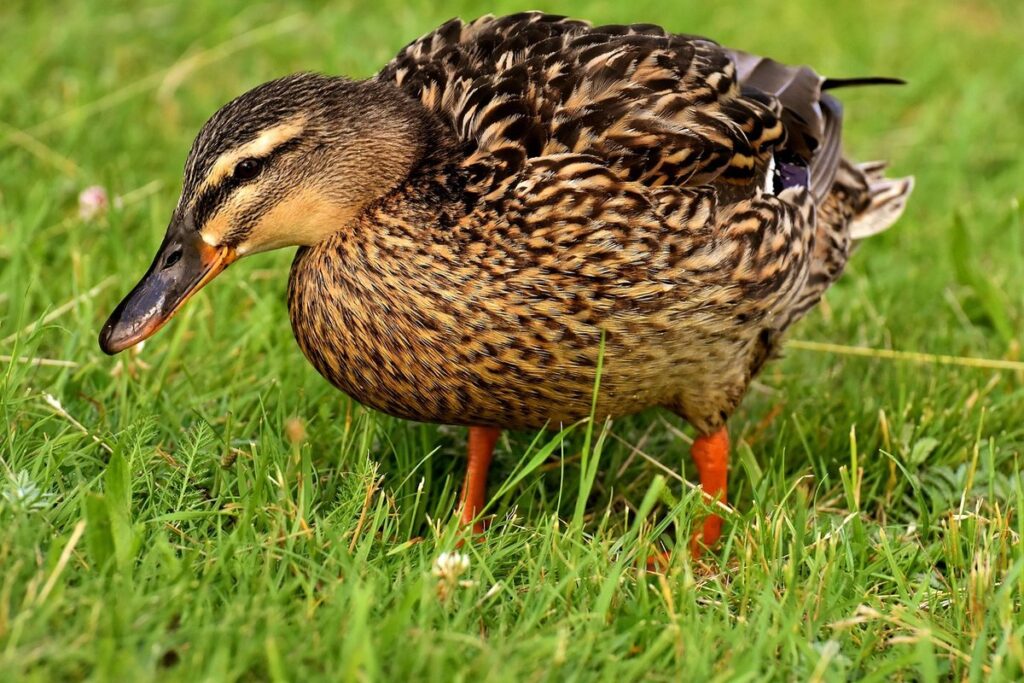
Importance of Proper Hydration in Ducks
As a duck owner, it’s crucial to understand how hydration impacts your feathered friends’ overall health and well-being, especially when choosing the right waterer for their needs. Proper hydration is essential for ducks to stay healthy and happy.
Understanding Duck Water Needs
When it comes to keeping your ducks happy and healthy, ensuring they have access to clean, fresh water at all times is crucial. Ducks need a constant supply of water not just for drinking, but also for bathing and preening their feathers. In fact, ducks can drink up to 2-3 gallons of water per day, depending on the breed and climate.
Dehydration in ducks can have serious consequences, including lethargy, decreased egg production, and even death. When a duck’s body is lacking in moisture, its organs begin to shut down, leading to a range of health problems. This is why it’s so essential to provide your flock with an unlimited supply of fresh water.
To ensure your ducks are getting the hydration they need, it’s not just about filling up a waterer and calling it a day. You’ll want to change out the water frequently to prevent bacterial growth and contamination. A good rule of thumb is to change the water at least once a day, or more often if you notice algae starting to form or the water becoming cloudy.
Common Problems with Traditional Duck Waterers
Traditional duck waterers often fall short of providing optimal hydration for your flock. One major issue is contamination, which can be caused by dirty or improperly cleaned water containers. This not only poses a health risk to your ducks but also makes them more susceptible to diseases. For instance, if you’re using a plastic waterer with a narrow spout, it’s easy for debris and dirt to accumulate in the bowl, contaminating the water.
Another problem is freezing, particularly during harsh winters. If the water container is not designed to withstand extreme temperatures or lacks adequate insulation, the water can freeze, leaving your ducks without access to fresh water. Moreover, evaporation can also be a significant issue, especially in hot climates or when the waterer is exposed to direct sunlight.
To mitigate these problems, consider using a duck waterer that’s specifically designed with features like wide-mouth bowls for easy cleaning, insulated materials to prevent freezing, and built-in covers to reduce evaporation. Regularly cleaning and maintaining your waterer is also essential in preventing contamination and ensuring the health of your flock.
Benefits of Using a High-Quality Duck Waterer
Investing in a high-quality duck waterer is one of the most crucial decisions you’ll make as a duck owner. Not only will it provide your feathered friends with a constant supply of fresh water, but it will also save you time and effort in the long run.
A good duck waterer should be easy to clean and maintain, reducing the risk of bacterial growth and contamination. This means fewer health issues for your ducks and less hassle for you when it comes to cleaning up after them. For instance, a float-activated valve allows for automatic shut-off, ensuring that your ducks don’t splash around in dirty water.
Regular maintenance is also minimized with high-quality duck waterers. Most models are made from durable materials like stainless steel or plastic, which can withstand the elements and resist rusting. This means you won’t have to replace your waterer frequently, saving you money in the long term. By choosing a reliable waterer, you’ll enjoy peace of mind knowing that your ducks always have access to clean, fresh drinking water.
Types of Duck Waterers: A Comprehensive Guide
When it comes to keeping your feathered friends hydrated, having the right type of waterer is crucial. Let’s dive into the various options available for duck waterers.
Floating Water Feeders
Floating water feeders are an innovative solution for keeping duck water clean and accessible. These feeders work on the principle of buoyancy, where a floating device holds the water above the reach of the ducks’ beaks, preventing them from accessing the water with their dirty beaks.
The design typically features a floating tray or platform that cradles a water container, usually made of plastic or metal. This setup allows for easy cleaning and maintenance, as the water can be drained and refilled without having to touch the dirty water. Moreover, floating feeders often come equipped with built-in filters or skimmers that help keep debris and contaminants at bay.
For example, if you’re housing a large flock of ducks in a pond or lake, a floating feeder can be an excellent choice, as it allows for easy access to clean water without disturbing the aquatic ecosystem. Simply place the feeder on the water’s surface, and the ducks will enjoy a clean drinking experience while minimizing the risk of waterborne diseases.
Automatic Duck Waterers
Automatic duck waterers are a game-changer for busy duck owners. These innovative systems dispense fresh water to your flock automatically, reducing maintenance and increasing convenience. One of the main benefits of automatic duck waterers is that they eliminate the need for daily refills, allowing you to focus on other important tasks.
These waterers usually come equipped with sensors or float valves that detect when the water level drops, triggering a refill cycle. This ensures that your ducks always have access to clean drinking water. Some models even allow you to set timers and schedules, giving you complete control over the watering process.
By investing in an automatic duck waterer, you can enjoy significant peace of mind knowing that your flock’s hydration needs are being met consistently. Plus, these systems often require less cleaning than traditional waterers, reducing the risk of bacterial growth and contamination. With automatic duck waterers, you can trust that your ducks will always have fresh water at their beaks.
Frozen Water Dispersers
Frozen water dispersers are an essential component of traditional duck waterers that help prevent ice formation during cold weather. These devices work by breaking up ice that forms on the surface of the water, ensuring that your ducks always have access to unfrozen water.
In colder climates or during prolonged periods of freezing temperatures, frozen water dispersers can be a lifesaver for your flock. Without them, traditional duck waterers can become useless as the ice builds up, leaving your ducks thirsty and vulnerable to dehydration.
To install a frozen water disperser, simply place it above the water line in your duck waterer. The device will then float on top of the water, breaking up any ice that forms and allowing it to resurface without clogging the system. This simple yet effective solution can be especially useful for backyard farmers or those living in areas with harsh winters.
By investing in a frozen water disperser, you can rest assured that your ducks will always have access to fresh, unfrozen water – even during the coldest months of the year.
Materials Used in Duck Waterer Construction
When building a duck waterer, it’s essential to use durable and safe materials that can withstand the elements and your flock’s unique needs. We’ll explore some popular options for creating a long-lasting waterer.
Plastic vs. Metal: Which is Best for Your Flock?
When it comes to constructing a duck waterer, one of the most critical decisions you’ll make is choosing between plastic and metal. Both materials have their pros and cons, which we’ll delve into below.
Plastic duck waterers are often more affordable upfront and come in a variety of shapes and sizes. However, they tend to be less durable than metal options and may become brittle or discolored over time. Moreover, plastic can harbor bacteria and algae growth, posing health risks to your flock if not properly cleaned and maintained. For instance, a study by the USDA found that plastic waterers were more prone to bacterial contamination than their metal counterparts.
On the other hand, metal duck waterers are generally more durable and resistant to wear and tear. They can withstand extreme temperatures and are less likely to harbor bacteria. However, they may be heavier and more expensive upfront. Metal also requires a certain level of maintenance to prevent rust and corrosion. It’s essential to regularly clean and dry your metal waterer to ensure it remains in good condition.
Ultimately, the choice between plastic and metal comes down to your specific needs and preferences. If you’re on a tight budget or have limited space, plastic might be a suitable option. However, if you prioritize durability and ease of maintenance, metal is likely a better bet. Regardless of which material you choose, make sure to clean and disinfect your waterer regularly to prevent health issues in your flock.
Stainless Steel vs. Galvanized Metal: What’s the Difference?
When it comes to choosing the right materials for your duck waterer, two popular options are stainless steel and galvanized metal. While both types have their advantages, there are some key differences between them that you should consider.
Stainless steel is a popular choice for waterers due to its exceptional corrosion resistance and durability. This means it can withstand the constant exposure to water and won’t degrade over time. In fact, stainless steel is often used in food processing and medical equipment due to its high-quality standards. When shopping for a stainless steel duck waterer, look for one made from 304 or 316 grade stainless steel, as these are more resistant to corrosion than lower-grade options.
Galvanized metal, on the other hand, is also durable but may require more maintenance than stainless steel. The zinc coating that gives galvanized metal its rust-resistant properties can wear off over time, exposing the underlying metal to corrosion. However, galvanized metal is often cheaper than stainless steel and can still provide years of service with proper care.
When deciding between stainless steel and galvanized metal for your duck waterer, consider the long-term costs and maintenance requirements. If you want a low-maintenance option that will last for decades, stainless steel may be the better choice. However, if budget is a concern, a well-maintained galvanized metal waterer can still provide reliable service for many years.
DIY Duck Waterer Options
Don’t want to break the bank on a fancy waterer? No problem! We’ll explore some affordable and creative DIY duck waterer options that you can make yourself.
Upcycling Old Containers
Upcycling old containers is an excellent way to create functional duck waterers without breaking the bank. With a little creativity and some basic materials, you can breathe new life into discarded containers and provide your flock with a clean and safe drinking source.
To get started, gather the following materials: an old plastic container (such as a large tub or bucket), a drill, a hammer, a saw (optional), some wire mesh, a waterproof liner, and a few screws. Begin by thoroughly cleaning the container to ensure it’s free of any debris or contaminants. Next, cut out a hole in one side of the container for easy access and attach a small tray or dish underneath using wire mesh and screws.
This will allow you to add a layer of protection between the waterer and your flock’s feet, preventing slipping hazards and making cleaning a breeze. Line the container with a waterproof liner to prevent leaks and spills. Finally, place the upcycled waterer in a shaded area where it can’t be knocked over or tampered with by other animals. With these simple steps, you’ll have a fully functional duck waterer that’s not only eco-friendly but also budget-friendly.
Building a Simple Floating Water Feeder
Building a simple floating water feeder is a great DIY project to provide your ducks with a clean and accessible source of water. To start, you’ll need some basic materials such as PVC pipes, fittings, and a pump (optional). The goal is to create a system where the water level remains constant, allowing your ducks to drink comfortably.
First, cut two pieces of PVC pipe to fit inside each other, leaving about an inch of space in between. This will serve as the main chamber for the water. Next, attach two more pipes to the top and bottom of this assembly, creating a U-shaped design that will allow the water to flow smoothly. If you want to add a pump to the system, now’s the time to do it – simply connect the pump to one end of the pipe and ensure the other end is secured.
The key to keeping the water level constant lies in the angle at which the pipes are attached. Ensure that the top pipe is slightly lower than the bottom one, allowing gravity to pull the water downwards. This simple design will keep your ducks’ water fresh and accessible for hours on end, without taking up too much space in your yard.
Maintenance and Cleaning Tips for Duck Waterers
To keep your duck waterer clean and hygienic, it’s essential to establish a regular maintenance routine that ensures optimal health for your feathered friends. This includes daily cleaning and occasional deep cleans.
Regular Cleaning Schedule
Developing a regular cleaning schedule is crucial to prevent bacterial growth and maintain water quality in duck waterers. As a responsible duck owner, it’s essential to establish a routine that ensures the waterer remains clean and hygienic at all times.
The frequency of cleaning depends on several factors, including the number of ducks using the waterer, their health status, and the environment they are kept in. As a general rule, it’s recommended to change the water completely every 8-12 hours for small flocks (less than 5 ducks) and every 4-6 hours for larger flocks.
When cleaning the waterer, always start by scrubbing the entire surface with a non-abrasive brush to remove any debris or bacterial growth. Rinse thoroughly with clean water and dry the area completely before refilling it. Additionally, disinfect the waterer at least once a week using a solution of 1 part white vinegar to 9 parts water.
By following this cleaning schedule, you’ll be able to maintain healthy water quality for your ducks, reducing the risk of waterborne diseases and ensuring their overall well-being.
Troubleshooting Common Issues
One of the most frustrating issues with duck waterers is leaks. If you notice that your waterer is leaking, first check the connections between the water reservoir and the drinking tube. Make sure they are securely tightened. Next, inspect the waterer for any cracks or damage. If you find any damage, it’s best to replace the entire unit.
Another common issue with duck waterers is clogs. If your ducks are having trouble getting a drink because their waterer won’t dispense water, try cleaning out the debris that may be causing the blockage. Remove any leftover food particles or debris from the drinking tube and water reservoir. Regular cleaning will prevent these issues.
Frozen components can also be a problem during cold weather. If you live in an area with freezing temperatures, consider using a duck waterer specifically designed for outdoor use. These units are usually made of heavy-duty materials that won’t crack or break easily when exposed to the elements.
Frequently Asked Questions
Can I use a duck waterer for other types of poultry, such as chickens or turkeys?
While ducks have specific needs when it comes to water quality and accessibility, many of the principles outlined in this article can be applied to other birds. However, you’ll want to research and choose a waterer that’s specifically designed for the size and type of bird you’re raising.
How often should I clean my duck waterer to prevent waterborne diseases?
Regular cleaning is crucial to preventing waterborne diseases in ducks. We recommend cleaning your waterer at least once a week, or more frequently if you notice any signs of contamination or algae growth. Be sure to scrub all surfaces with soap and water, and rinse thoroughly before refilling.
What’s the best way to position my duck waterer to prevent splashing and mess?
Positioning your duck waterer strategically can help minimize messes and splashing. Place it in a shaded area to reduce evaporation, and consider using a splash guard or other containment system to catch spills. You may also want to elevate the waterer slightly to promote healthy drinking habits.
Can I use a frozen water disperser during extremely cold weather?
While frozen water dispersers can be effective for distributing water on hot days, they’re not designed for extreme cold weather. In very cold temperatures, your ducks may struggle to access the water or may experience discomfort from the cold water itself. Consider using an alternative method, such as a heated waterer or a different type of water dispenser.
How do I troubleshoot common issues with my duck waterer, such as leaks or clogs?
Troubleshooting common issues with your duck waterer can be straightforward if you know what to look for. Check the manufacturer’s instructions for troubleshooting tips, and pay attention to any signs of wear or damage on your waterer’s components. If you’re still experiencing problems, consider reaching out to a veterinarian or experienced breeder for advice.