
When it comes to raising backyard chickens, choosing the right breed can be a daunting task. With so many unique hen breeds to choose from, it’s essential to find one that fits your lifestyle and goals. Are you looking for a docile family favorite, or perhaps a high-egg producer to meet your household needs? Maybe you’re interested in raising meat chickens, but want to know which breed is the most efficient? Whatever your reason for raising backyard chickens, this article aims to help you navigate the world of hen breeds and find the perfect fit. We’ve compiled a list of over 20 unique breeds that cater to different needs, from egg production to meat quality. By exploring these various breeds, you’ll be well on your way to creating a thriving and productive flock.
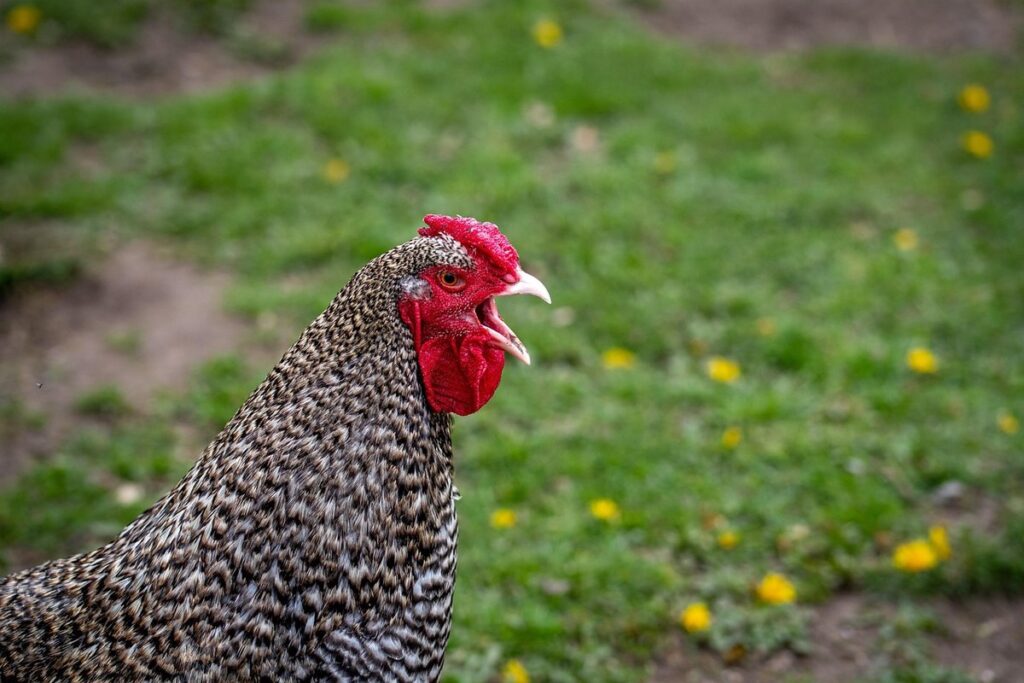
Introduction to Hen Breeds
When it comes to choosing the perfect hen breed for your backyard flock, understanding the different types is crucial. Let’s start by exploring some of the most popular and unique breeds out there.
Brief History of Hen Breeds
The evolution of hen breeds is a story that spans thousands of years, with early farmers playing a crucial role in shaping the diverse range of birds we see today. The first evidence of selective breeding dates back to around 2000 BC in ancient Egypt, where farmers were known to breed birds for their egg-laying capacity and temperament.
As civilizations rose and fell, so did the demand for specific characteristics in hens. In medieval Europe, for example, bantam hens were prized for their small size and hardiness, while larger breeds like Orpingtons and Sussexes were bred for their meat production. The introduction of new species from Asia and Africa further expanded the genetic pool, allowing farmers to create an astonishing array of hen breeds.
Over time, breeders have continued to refine and specialize specific traits, resulting in over 300 recognized breeds worldwide. From the tiny Leghorn to the massive Jersey Giant, each breed has been carefully crafted to meet the needs of its intended use – whether it’s egg production, meat, or exhibition purposes.
Importance of Hen Breed Selection
When it comes to raising chickens, choosing the right breed is crucial for backyard farmers and commercial producers alike. Selecting the ideal breed ensures that you meet specific needs and goals, whether that’s high egg production, meat quality, or low-maintenance care.
Consider a large-scale farm aiming to produce 20 dozen eggs per day. A breed like Leghorn or Rhode Island Red would be an excellent choice due to their impressive egg-laying capabilities. However, for a small backyard flock focused on providing eggs for family consumption, a breed like Golden Comet or Barred Plymouth Rock might be more suitable due to their docile nature and moderate egg production.
Ultimately, the right breed selection boils down to understanding your specific needs, climate, and available space. By choosing a breed that fits these factors, you’ll not only ensure a successful and stress-free experience but also reap the rewards of your hard work – in this case, fresh eggs or quality meat.
Temperament-Based Hen Breeds
If you’re new to raising hens, understanding their temperament is crucial for a harmonious flock and a stress-free experience. This section explores different hen breeds based on their personalities.
Docile Breeds Suitable for Families
When it comes to choosing a breed that’s perfect for families with children or those who want a low-stress flock, docile breeds are an excellent choice. These hens are known for their friendly and gentle nature, making them an ideal addition to any backyard flock.
One popular docile breed is the Leghorn. Known for their light weight and high egg production, Leghorns are often used in commercial egg farms. However, they also make great pets due to their calm and affectionate personalities. They are relatively small in size, which makes them a great fit for smaller backyards or coops.
Another breed worth considering is the Orpington. These hens are known for their gentle nature and are often described as “mama” birds due to their strong maternal instincts. They are also large enough to provide plenty of eggs, but not so big that they take up too much space in your coop.
Plymouth Rocks are yet another breed that’s perfect for families. They’re friendly, social, and relatively quiet, making them an excellent choice for those who live in close proximity to their neighbors.
Assertive Breeds for Experienced Farmers
If you’re an experienced farmer looking to establish a robust and active flock, assertive breeds are an excellent choice. These birds are known for their confidence and bold nature, making them well-suited for a dynamic farm environment.
One breed that stands out is the Brahma, a giant among hens with impressive size and strength. Brahmas are fiercely protective of their flock and territory, but they’re also known to be friendly and affectionate with their owners. With proper care and management, these birds can thrive in a variety of settings, from small backyard flocks to larger commercial farms.
Another breed worth considering is the Cochin, a popular choice for its gentle yet assertive nature. Cochins are easy-going but will not hesitate to defend themselves or their flock if necessary. They’re also prolific layers, producing an average of 200-220 brown eggs per year.
For those looking for a more laid-back yet still assertive breed, the Sussex is an excellent option. Sussexx are known for their gentle disposition and high egg production, laying around 200-250 light-brown eggs annually. They’re also relatively low-maintenance compared to other breeds, making them ideal for experienced farmers who want to establish a robust flock without too much fuss.
Egg-Laying Capacity Hen Breeds
If you’re looking for a breed that can provide a steady supply of eggs, you’ll want to consider these top-performing hens. We’ve got some of the best egg-laying breeds right here.
High-Egg Production Breeds (300+ Eggs/Year)
If you’re looking for hens that can deliver high egg production, you’ll want to consider breeds like Leghorns, Rhode Island Reds, and Barred Rocks. These birds are known for their prolific laying capabilities, producing over 300 eggs per year.
Leghorns, in particular, are one of the most popular choices among backyard chicken keepers due to their exceptional egg-laying abilities. They can produce up to 320 eggs annually, with an average of five eggs per week. However, it’s worth noting that Leghorns have a relatively high feed-to-egg ratio, meaning they require more food to maintain their egg production.
Rhode Island Reds and Barred Rocks are also excellent choices for farmers seeking high egg production. Rhode Island Reds can lay around 300-320 eggs per year, while Barred Rocks produce around 280-300 eggs annually. Both breeds are known for their friendly temperaments and are relatively low-maintenance compared to Leghorns.
When selecting a breed for high egg production, consider factors like climate, feed availability, and the amount of space you have available for your flock. With proper care and management, these breeds can thrive in a variety of settings, delivering the high egg yields you’re looking for.
Medium to Low Egg Production Breeds
If you’re looking for hen breeds that won’t break the bank when it comes to egg production but excel in other areas, we’ve got you covered. Medium to low egg-producing breeds are perfect for small farms, backyard flock owners, or those who prioritize meat quality over high egg yields.
Silkies, for instance, produce around 100-120 eggs per year, which is significantly lower than the commercial egg-laying hens. However, their soft, fluffy feathers make them a delight to handle and watch. Polish chickens are another example, producing about 200 eggs annually while boasting stunning crested heads that add a touch of elegance to your flock.
Houdans are yet another breed worth considering, laying around 150-170 eggs per year. While they may not be as prolific egg layers as other breeds, their distinctive beard and feathering make them stand out in the coop. If you’re short on space or have limited resources, these medium to low egg-producing breeds can provide you with a steady supply of fresh eggs while also offering unique characteristics that’ll enhance your backyard flock’s diversity.
Meat-Producing Hen Breeds
If you’re looking for hens that’ll deliver high-quality meat, we’ve got just the breeds for you: our top picks for meat-producing hen breeds are sure to satisfy your needs.
Dual-Purpose Breeds for Both Eggs and Meat
When it comes to raising hens for both eggs and meat, dual-purpose breeds offer an unbeatable combination of productivity and versatility. Among these breeds, Brahmas, Orpingtons, and Australorps stand out as exemplary models.
One of the primary benefits of these breeds is their impressive egg-laying capacity. For instance, a mature Brahma hen can lay up to 200 brown eggs per year, while an Orpington can produce around 280 large white or light-brown eggs annually. These numbers make them ideal for small-scale farmers who need a consistent supply of fresh eggs without breaking the bank on feed and resources.
In terms of meat quality, these breeds also excel. Their slow growth rate ensures that they reach maturity gradually, which means their flesh is more tender and flavorful. What’s more, dual-purpose breeds like Brahmas are known for their robust constitution, which enables them to thrive in a variety of environments and adapt to changing weather conditions.
If you’re considering raising these breeds, make sure to provide them with ample space, proper nutrition, and regular care. With the right attention and management, you can expect a high-yielding flock that will reward your efforts with both delicious eggs and succulent meat.
Purebred Meat Chicken Breeds
When it comes to meat-producing hen breeds, purebreds are a popular choice among chicken enthusiasts and commercial farmers alike. Two well-known purebred meat chicken breeds are the Cornish Cross and the Plymouth Rock.
The Cornish Cross is a hybrid breed that excels at rapid growth rate, reaching maturity in just 5-6 weeks. This makes them an ideal choice for large-scale commercial farms looking to produce meat quickly. Their compact frame and high-yielding capabilities also make them a favorite among farmers who value efficiency.
On the other hand, the Plymouth Rock is a heritage breed known for its exceptional flavor and hardiness. They have a slower growth rate compared to the Cornish Cross but are prized for their rich, gamey taste. This breed is often sought after by smaller farms and backyard chicken keepers looking for a more old-fashioned approach to meat production.
If you’re considering raising either of these breeds, it’s essential to provide them with adequate space, nutrition, and care to ensure optimal growth and flavor development. With proper management, both the Cornish Cross and Plymouth Rock can thrive in various settings, from large commercial farms to smaller backyard flocks.
Cold Hardiness Hen Breeds
If you live in a chilly climate, choosing hens that can withstand the cold is crucial. In this section, we’ll explore some of the hardiest hen breeds for frosty regions.
Arctic-Adapted Breeds for Harsh Climates
When it comes to keeping hens in areas with harsh winters, it’s essential to choose breeds that can withstand the extreme cold snaps. Arctic-adapted breeds have been specifically bred for their ability to thrive in these conditions.
Take the Icelandic Chicken, for example. This hardy breed has been raised on the island of Iceland for centuries and is well-suited to the country’s harsh climate. They are known for their thick feathering, which helps to insulate them from the cold, as well as their robust build and small combs, which reduce heat loss.
Other breeds that are well-suited to harsh climates include Chanteclers and Polish chickens. These birds have been developed in Canada and Europe respectively, where they have had to adapt to long, cold winters. They too have thick feathering and robust builds, making them ideal for farmers living in areas with extreme cold snaps.
When selecting breeds for your farm, consider the local climate and choose breeds that are specifically adapted to these conditions. This will help ensure that your hens stay healthy and thrive in even the coldest of winters.
Tropical Adapted Breeds for Warmer Climates
If you’re living in an area with minimal chill hours or extreme heat, don’t worry – there are plenty of hardy hen breeds that can thrive in these conditions. Breeds like Silkies, Houdans, and Marans are specifically adapted to warmer climates and will do just fine in areas with high temperatures.
These tropical adapted breeds have evolved to withstand the heat, often relying on natural behaviors such as foraging and dust bathing to regulate their body temperature. For example, Silkies’ fluffy feathers provide excellent insulation against heat, while Houdans’ calm nature helps them conserve energy in hot environments.
Marans, with their dark plumage, can handle intense sunlight without getting scorched. In fact, Marans are known for producing eggs that retain a reddish-brown color even when exposed to direct sunlight – a testament to their hardiness.
When choosing a breed for warmer climates, consider the following factors: high egg production, heat tolerance, and disease resistance. Silkies and Houdans can lay around 200-220 eggs per year, while Marans produce slightly fewer but still impressive numbers.
Health Considerations and Disease Resistance
When choosing a breed, it’s essential to consider their health and disease resistance, as some breeds are more prone to certain issues than others. Let’s take a look at what you need to know about each breed’s health profile.
Immune System-Boosting Breeds
When selecting breeds for your backyard flock, it’s essential to consider their immune system robustness. Some breeds are naturally more resistant to diseases, reducing the risk of illness transmission within your flock.
Breeds like Australorps and Wyandottes are known for their excellent health records. They have strong immune systems that help fight off common poultry diseases such as Marek’s disease and infectious bronchitis. In fact, a study found that AustraLites (an Australian version of the Australorp) had a significantly lower incidence rate of Marek’s disease compared to other breeds.
Rhode Island Reds are another breed with impressive immune system strength. They have a robust defense mechanism that helps them withstand diseases like Avian influenza and E. coli. This makes them an excellent choice for backyard flocks, especially in areas prone to disease outbreaks.
When integrating these breeds into your flock, it’s crucial to maintain proper biosecurity measures to further minimize the risk of disease transmission. This includes regular cleaning and disinfection of coops and runs, proper nutrition, and adequate vaccination protocols. By choosing breeds with robust immune systems and implementing good husbandry practices, you can enjoy a healthier and more thriving flock.
Genetic Diversity for a Healthy Flock
When it comes to creating a healthy and resilient flock, genetic diversity is a crucial factor to consider. A diverse gene pool can help mitigate disease risks by introducing beneficial traits that may not be present in a single breed. This means that even if one breed falls ill, others with different genetic makeup will still be able to resist the disease.
In essence, a genetically diverse flock acts as an insurance policy against disease outbreaks. For instance, if you’re raising a specific breed known for its susceptibility to a particular disease, introducing other breeds with natural immunity can help prevent the spread of the disease.
To achieve genetic diversity in your flock, start by selecting breeds that are well-suited to your climate and region. Then, introduce new breeds periodically to avoid over-reliance on a single strain. This will not only enhance your flock’s overall health but also improve egg production and quality. By fostering a diverse gene pool, you’ll be better equipped to handle disease outbreaks and maintain a thriving flock.
Aim for a mix of 10-15 different breeds in your flock to reap the benefits of genetic diversity.
Conclusion: Choosing the Right Hen Breed
Now that you’ve narrowed down your options, it’s time to think about which breed is right for you and your backyard flock. Let’s explore how to choose the perfect hen breed for your needs.
Recap of Key Considerations
When selecting a hen breed for your backyard flock or farm, there are several key factors to consider. Temperament is one of the most critical aspects to think about. Some breeds, such as Silkies and Polish, are known for their friendly and docile nature, making them ideal for families with children. On the other hand, some breeds like Leghorns can be more flighty and may not tolerate handling well.
Egg-laying capacity is also a crucial consideration. If you’re looking to collect eggs regularly, choose breeds that are prolific layers such as Leghorns, Rhode Island Reds, or Barred Rocks. These breeds can produce upwards of 280-300 brown or white eggs per year. However, if you prioritize meat quality over egg production, consider heritage breeds like Plymouth Rock or Wyandotte.
Cold hardiness is another important factor to think about. If you live in an area with harsh winters, choose breeds that are adapted to withstand cold temperatures such as Orpingtons, Brahma, or Cochin. These breeds have thick feathers and robust bodies that enable them to survive in freezing conditions.
In addition to these factors, health considerations should also be a top priority. Some breeds are more prone to certain health issues, such as respiratory problems or obesity. Research the specific needs of the breed you’re interested in and take steps to prevent common health issues.
To recap, when selecting a hen breed, consider temperament, egg-laying capacity, meat quality, cold hardiness, and health considerations. Be sure to research each breed thoroughly and weigh your priorities before making a decision.
Frequently Asked Questions
What’s the best way to introduce new breeds to my existing flock?
Introducing new breeds to your existing flock can be challenging, especially if they have different temperaments or egg-laying capacities. To minimize disruptions, start by introducing one or two new birds at a time and monitor their behavior closely. Keep them separate from the rest of the flock for a few days before integrating them fully.
How do I prioritize breeding goals when choosing between breeds?
When selecting hen breeds, it’s essential to consider your primary goals – whether it’s egg production, meat quality, or temperament. Make a list of your top priorities and match them with breed characteristics. This will help you narrow down your options and choose the best breed for your needs.
What are some common health concerns I should be aware of in different breeds?
Different breeds have varying levels of resistance to diseases such as Marek’s, Newcastle disease, or coccidiosis. Research specific breeds and their known health issues to take preventative measures. Keep a clean environment, provide vaccinations when necessary, and ensure proper nutrition to minimize the risk of these diseases.
Can I raise multiple breeds together in a single flock?
Raising multiple breeds together can be done successfully if you choose breeds with compatible temperaments and egg-laying capacities. However, it’s essential to consider factors such as feeding habits, space requirements, and potential conflicts. Mixing breeds can create an interesting and diverse flock but may require more attention and management.
How do I know which breed is right for my specific climate or region?
Choosing a breed that thrives in your local climate is crucial. Research cold-hardy breeds if you live in areas with harsh winters, or tropical-adapted breeds if you’re in warmer climates. This will help minimize health issues and ensure the well-being of your flock throughout different seasons.