
As a new parent to your adorable chicks, you want to give them the best possible start in life. That includes ensuring their brooder is at the perfect temperature for optimal growth and development. But have you ever wondered how to choose the right brooder thermometer? With so many types on the market, it can be overwhelming to make a decision. Calibration and maintenance are also crucial to ensure accurate temperature readings. In this article, we’ll take a closer look at different types of brooder thermometers, discuss calibration best practices, and provide tips for maintaining your chosen thermometer. By the end of this guide, you’ll have all the knowledge needed to select the perfect brooder thermometer for your chicks’ specific needs.
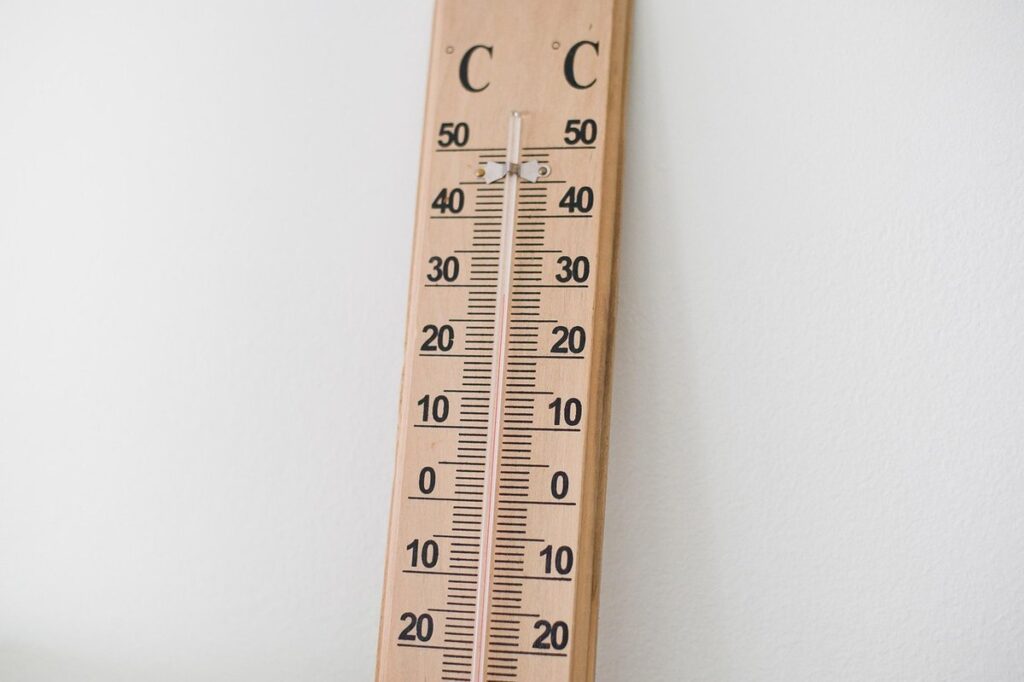
Importance of Accurate Temperature Control
Accurately monitoring temperature is crucial for your chicks’ health and well-being, especially during their first few weeks of life. In this next part, we’ll explore why it’s so important to get it right.
Understanding the Needs of Chicks at Different Ages
Chicks have unique temperature requirements that change as they grow and develop. From hatch to point-of-lay, their temperature needs fluctuate significantly.
At hatching, chicks rely on the warmth of their mother’s feathers for about 24 hours before needing supplemental heat. During this initial stage, it’s crucial to maintain a temperature of around 99-100°F (37-38°C) in the brooder. As they grow and mature, chicks need slightly lower temperatures.
By one week old, the ideal temperature drops to around 95-98°F (35-36°C). By three weeks, the temperature should be lowered even further to about 90-94°F (32-34°C). It’s essential to monitor and adjust the temperature regularly as your chicks grow. A general rule of thumb is to lower the temperature by 5-10°F (3-6°C) every week until they reach point-of-lay.
Remember, precise temperature control is vital during this growth phase. Underheating can lead to stunted growth, while overheating can cause stress and even mortality. By providing the right temperatures at different stages, you’ll help your chicks develop healthily and thrive in their environment.
Risks Associated with Incorrect Temperature Levels
When you’re raising chicks, accurate temperature control is crucial to ensure their health and well-being. But what happens if you get it wrong? The risks associated with incorrect temperature levels can be severe and far-reaching.
For instance, temperatures that are too high or too low can decrease growth rates significantly. Chicks need a specific range of temperatures (around 90-95°F) for optimal growth and development. If the brooder is too hot, they may become lethargic, stop eating, and even experience heat stress. On the other hand, if it’s too cold, they may not be able to regulate their body temperature properly, leading to weakness and reduced immune function.
Increased mortality rates are another potential consequence of incorrect temperature control. Even a small deviation from the optimal range can lead to a higher risk of death among chicks. And if you’re raising laying hens, a stable brooder temperature is also crucial for maintaining egg production. A fluctuating or unsuitable temperature environment can reduce egg production and even affect the quality of eggs laid.
It’s essential to monitor your brooder’s temperature closely and adjust it as needed to prevent these risks. Regularly check the thermometer to ensure accuracy and consider investing in a digital thermometer that provides precise readings. By taking control of your brooder’s temperature, you can minimize the risk of decreased growth rates, increased mortality, and reduced egg production.
Types of Brooder Thermometers Available
When choosing a brooder thermometer, you’ll find several options available that cater to different needs and preferences, from analog to digital models. Let’s take a closer look at these variations together!
Digital Thermometers
Digital thermometers are an excellent choice for monitoring the temperature in your brooder. One of their most significant advantages is accuracy – they provide precise readings, usually within a margin of 0.1-0.5 degrees Fahrenheit. This ensures that you’re able to maintain a stable environment for your chicks.
In terms of ease of use, digital thermometers often have simple, intuitive interfaces. Many models come with large displays and clear buttons, making it easy to take readings and adjust the temperature as needed. Some digital thermometers even allow for wireless connectivity, enabling you to monitor temperatures remotely using a smartphone app.
Digital thermometers are also generally more affordable than their analog counterparts, although prices can vary depending on features and quality. For example, a basic digital thermometer might cost around $10-$20, while a high-end model with advanced features could cost upwards of $50-$70. Regardless of budget, digital thermometers offer an excellent balance of accuracy, ease of use, and affordability.
Analog Thermometers
When it comes to monitoring the temperature of your chicks’ brooder, analog thermometers are a popular choice among poultry keepers. These traditional thermometers use a mercury column to indicate the temperature, making them easy to read and understand.
One of the advantages of analog thermometers is their reliability in harsh environments. They can withstand extreme temperatures, humidity, and vibrations without compromising their accuracy. This makes them ideal for brooders that are exposed to the elements or have limited protection from the outside environment. For example, if you’re raising chicks in a backyard coop with minimal insulation, an analog thermometer will continue to provide accurate readings even in cold or hot conditions.
However, there is a potential drawback to using analog thermometers – human error. Since they require manual reading of the mercury column, it’s easy to misinterpret the temperature or forget to check on it regularly. This can lead to fluctuations in brooder temperatures that may stress your chicks. To mitigate this risk, consider setting up a regular checking schedule and double-checking the temperature readings against other methods, such as digital thermometers. By weighing the pros and cons of analog thermometers, you’ll be better equipped to decide whether they’re right for your chick-raising needs.
Other Options: Infrared and Probe Thermometers
Infrared thermometers offer a convenient and non-contact way to monitor temperatures in larger brooder setups. These devices emit infrared radiation, which is then detected by the thermometer’s sensor to calculate the temperature of the environment. They’re often preferred for bigger operations due to their ability to quickly scan multiple areas at once.
One of the main benefits of using an infrared thermometer is its speed and accuracy. It allows you to take a temperature reading in a matter of seconds, making it ideal for monitoring large brooders or when dealing with multiple heat sources. However, keep in mind that these devices can be affected by reflective surfaces, which may skew their readings.
For smaller brooder setups or those with limited access points, probe thermometers are another viable option. These devices consist of a sensor inserted directly into the environment and connected to a display unit outside the brooder. This setup offers high accuracy and precise temperature control, making it suitable for more complex brooder designs or when requiring pinpoint temperature monitoring.
Factors to Consider When Selecting a Brooder Thermometer
When selecting a brooder thermometer, there are several key factors to consider to ensure you get one that accurately monitors temperature and keeps your chicks safe and healthy.
Accuracy and Precision
When it comes to raising healthy and thriving chicks, accurate temperature measurement is crucial. A brooder thermometer that consistently provides reliable readings can mean the difference between a flock of happy, growing birds and one plagued by stress, illness, or even death.
A high-quality sensor is essential for ensuring accurate temperature readings. Look for thermometers with durable sensors made from materials like stainless steel or ruggedized plastic, which can withstand the humid environment of a brooder. Additionally, consider thermometers that use advanced temperature-sensing technologies like digital sensors or infrared probes, which are more resistant to temperature fluctuations and interference.
Accuracy in temperature measurement is closely tied to chick health and growth. Temperature fluctuations can cause stress, weaken immune systems, and even lead to fatal conditions like hypothermia or hyperthermia. By selecting a brooder thermometer that provides accurate readings, you can maintain an optimal environment for your chicks’ growth and development. Regularly calibrate your thermometer according to the manufacturer’s instructions and ensure it is properly positioned in the brooder to guarantee reliable temperature measurements.
Ease of Use and Installation
When selecting a brooder thermometer, it’s essential to consider the ease of use and installation. A user-friendly design can make all the difference in ensuring accurate temperature readings for your chicks’ optimal growth.
Look for a thermometer with an ergonomic design that fits comfortably in the brooder, making it easy to read and calibrate. Consider a model with a clear interface and large display, allowing you to quickly check the temperature without straining your eyes. Some thermometers come with adjustable clip-on designs or magnetic attachments, which can be especially helpful for larger or more complex brooders.
Calibration is another critical aspect of brooder thermometer installation. Opt for a model that offers easy calibration through buttons or dials, rather than complicated procedures that may confuse you. Some thermometers even come with automatic calibration features or built-in sensors to simplify the process.
Regular maintenance is also crucial to ensure accuracy and longevity. Choose a thermometer with replaceable batteries or an energy-efficient design that won’t need frequent replacements. Check for models with weather-resistant casings to protect against moisture and dust in your brooder environment.
Durability and Resistance to Harsh Environments
When it comes to selecting a brooder thermometer, durability and resistance to harsh environments are crucial considerations. As you know, chicks can be messy, and the brooder is often exposed to dust, moisture, and extreme temperatures. A thermometer that can withstand these conditions is essential for accurate temperature readings.
Look for thermometers with rugged designs and materials that can resist corrosion and damage from humidity and temperature fluctuations. Stainless steel or silicone casings are great options as they are resistant to scratches, dents, and chemical exposure. Some brooder thermometers even feature waterproof or water-resistant designs, ensuring continued accuracy even in wet environments.
Consider the construction of the thermometer as well. A sturdy build with a secure mounting system will help prevent damage from accidental drops or movements. Some thermometers come with replaceable batteries, which can be especially beneficial if you’re caring for chicks in a humid environment where battery life may be compromised.
Calibration and Maintenance Best Practices
To ensure your brooder thermometer remains accurate, it’s crucial to follow calibration and maintenance best practices to keep your chicks safe and healthy. Proper care will also extend the lifespan of your equipment.
Understanding the Calibration Process
To ensure accurate temperature readings, it’s essential to calibrate your digital brooder thermometer. This process involves adjusting the thermometer to match its internal temperature with a reliable reference point. For initial setup, we recommend using an ice bath calibration method. Fill a container with crushed ice and water, stirring until the mixture reaches 32°F (0°C). Place the thermometer probe into the ice bath and wait for it to stabilize.
For digital thermometers, you’ll typically find a “hold” or “stable” button that allows you to capture the temperature reading. Press this button once the temperature stabilizes. Next, compare the displayed temperature with the actual temperature of the ice bath (32°F). If necessary, adjust the thermometer’s calibration settings according to the manufacturer’s instructions.
For periodic adjustments, use a thermocouple reference point or another reliable digital thermometer as your reference. This ensures accurate temperature readings and helps prevent over- or under-heating in your brooder, which can be detrimental to your chicks’ health.
Tips for Regular Maintenance and Cleaning
Regular maintenance and cleaning of your brooder thermometer are crucial to ensure it continues to provide accurate temperature readings. A dirty or malfunctioning thermometer can lead to overheating or underheating of the chicks, which can be detrimental to their health.
To keep your brooder thermometer clean, gently wipe it with a soft cloth after each use. For more thorough cleaning, mix 1 part white vinegar with 2 parts water in a bowl and dip a soft-bristled brush into the solution. Gently scrub the thermometer’s surface, paying extra attention to any areas with visible buildup or staining.
Once clean, store your brooder thermometer in a dry place, away from direct sunlight and moisture. Consider labeling it clearly so you can easily identify it in storage.
Regular calibration of your brooder thermometer is also vital for maintaining accuracy. Check the manufacturer’s instructions for specific calibration procedures. Typically, this involves placing the thermometer in a precise temperature-controlled environment, such as a water bath or oven, to ensure accurate readings.
Brooder Thermometer Safety Considerations
When using a brooder thermometer, it’s crucial to be aware of potential safety risks and take steps to prevent accidents around your chicks. This includes understanding proper handling and placement guidelines.
Electrical and Fire Hazards
When it comes to choosing the right brooder thermometer, safety considerations should never be overlooked. One crucial aspect is electrical and fire hazards associated with damaged components or improper connections.
Electrical malfunctions can occur when wires are frayed, stripped, or incorrectly connected. This can lead to short circuits, overheating, or even fires in your chicken coop. To avoid such risks, ensure that all electrical connections are secure and made using proper wiring techniques. Regularly inspect the thermometer’s electrical components for signs of wear, damage, or corrosion.
During installation, position the brooder thermometer away from flammable materials like bedding or curtains. Also, keep it at a safe distance from heat sources, such as heaters or lamps. Schedule regular inspections to check for loose connections, frayed wires, or other potential hazards. If you’re unsure about any aspect of your brooder thermometer’s electrical setup, consult the manufacturer’s instructions or seek professional advice. By taking these precautions, you can minimize risks and provide a safe environment for your chicks to thrive.
Hygiene and Sanitation Measures
Maintaining a clean environment is crucial when it comes to brooder thermometers and their surroundings. A dirty thermometer can lead to inaccurate readings, which may compromise the health and well-being of your chicks.
To sanitize your thermometer, immerse it in a mixture of water and white vinegar for about 10-15 minutes. This solution is gentle on most thermometer materials yet effective at eliminating bacteria and other microorganisms. Alternatively, you can also use a solution of equal parts water and bleach, but make sure to rinse the thermometer thoroughly afterward.
It’s equally important to keep the brooder area clean. Regularly sweep or vacuum the floor to prevent dust accumulation, which can interfere with temperature readings. Wash any food and water dishes frequently, and ensure that your chicks’ living quarters are well-ventilated to minimize moisture buildup.
Remember, a dirty brooder environment is not only unpleasant for humans but also unhealthy for animals. Establishing good hygiene practices from the start will help you maintain a clean and healthy environment for both your chicks and yourself.
Case Studies: Real-World Examples of Effective Brooder Thermometer Use
Let’s look at real-world examples of how effective brooder thermometer use can make a big difference in chick health and development. From hatcheries to backyard farms, we’ll explore successful implementations.
Successful Implementations in Backyard and Commercial Flocks
When it comes to implementing brooder thermometers in backyard and commercial flocks, there are many success stories to draw from. In a study conducted by the Poultry Science Association, a commercial farm achieved a 30% reduction in chick mortality rates after installing a high-precision brooder thermometer system.
Similarly, backyard flock owners have seen significant benefits from accurate temperature control. For instance, Sarah, a hobby farmer, reported that her chicks were thriving with the help of a wireless brooder thermometer she installed in their coop. “Before, I was constantly worrying about the chicks getting too cold or too hot,” she said. “But with this thermometer, I can monitor the temperature from my phone and make adjustments as needed.”
In both settings, accurate temperature control has led to improved chick health, increased growth rates, and reduced stress on the flock. By choosing the right brooder thermometer for your specific needs, you can achieve similar results in your own backyard or commercial operation.
Lessons Learned from Common Challenges and Mistakes
Let’s examine some common challenges and mistakes that can arise when using brooder thermometers for chicks. One of the most critical errors is failing to accurately calibrate the thermometer. This can lead to incorrect temperature readings, resulting in either overheating or underheating of the brood. For instance, if you’re not familiar with how your thermometer works, you might set it too high, causing your chicks to overheat and become stressed.
Another common pitfall is neglecting regular temperature checks throughout the day. Chicks require a narrow range of temperatures for optimal growth, and fluctuations can have devastating consequences on their health. Make it a habit to check the brooder thermometer multiple times daily, adjusting as needed to maintain an ideal environment.
Inadequate ventilation is another frequent mistake that can be detrimental to your chicks’ well-being. Ensure proper airflow in the brooder by installing adequate vents or using a fan to circulate air. Regularly inspecting and maintaining your thermometer and associated equipment will also help you avoid potential issues, such as faulty probes or inconsistent readings.
To ensure you don’t fall into these common traps, familiarize yourself with the manufacturer’s instructions for your specific brooder thermometer model. Practice calibrating it regularly to guarantee accurate temperature readings. Consider investing in a digital thermometer with features like automatic calibration and multiple alarm settings to minimize human error.
Frequently Asked Questions
What’s the ideal temperature range for my chicks after they’ve transitioned from their mother’s warmth?
The ideal temperature for chicks changes as they grow and mature. After leaving their mother, chicks should be kept at around 95-98°F (35-36°C) in the brooder until they’re about two weeks old.
Can I use a single thermometer for multiple brooders or areas with varying temperatures?
While it might seem convenient to share a thermometer across multiple brooders, it’s generally not recommended. Different areas may have unique temperature requirements, and using a single thermometer can lead to inaccurate readings and inadequate temperature control.
How often should I calibrate my digital brooder thermometer for optimal accuracy?
Digital thermometers usually require calibration every 6-12 months or when they’re moved to a new location. However, it’s essential to follow the manufacturer’s guidelines for specific calibration recommendations, as some models may have different requirements.
What are some common mistakes to avoid when choosing and installing a brooder thermometer?
Some common pitfalls include failing to consider factors like accuracy, precision, ease of use, and durability. It’s also crucial to ensure proper installation, avoiding electrical or fire hazards and maintaining hygiene and sanitation standards in the brooder area.
Can I use an infrared thermometer for temperature checks around the brooder, or should I stick with traditional thermometers?
Infrared thermometers can be useful for rapid temperature scans but are not a substitute for more precise traditional thermometers. They’re best used as an additional tool to supplement your primary temperature monitoring system, providing quick spot checks and helping you identify any potential issues.