
As a backyard chicken keeper, you’re probably aware that your flock’s safety and well-being depend on more than just providing them with food and water. A secure coop is essential to protect your chickens from predators like raccoons, foxes, and hawks that can wreak havoc on your poultry farm or backyard homestead. This is where chicken coop wire comes in – a crucial component of any reliable coop design. But not all wire types are created equal, and improper installation can leave your flock vulnerable to harm. In this article, we’ll explore the best chicken coop wire options, provide expert tips on how to install them safely, and discuss essential safety considerations to ensure your chickens stay healthy and happy in their home.
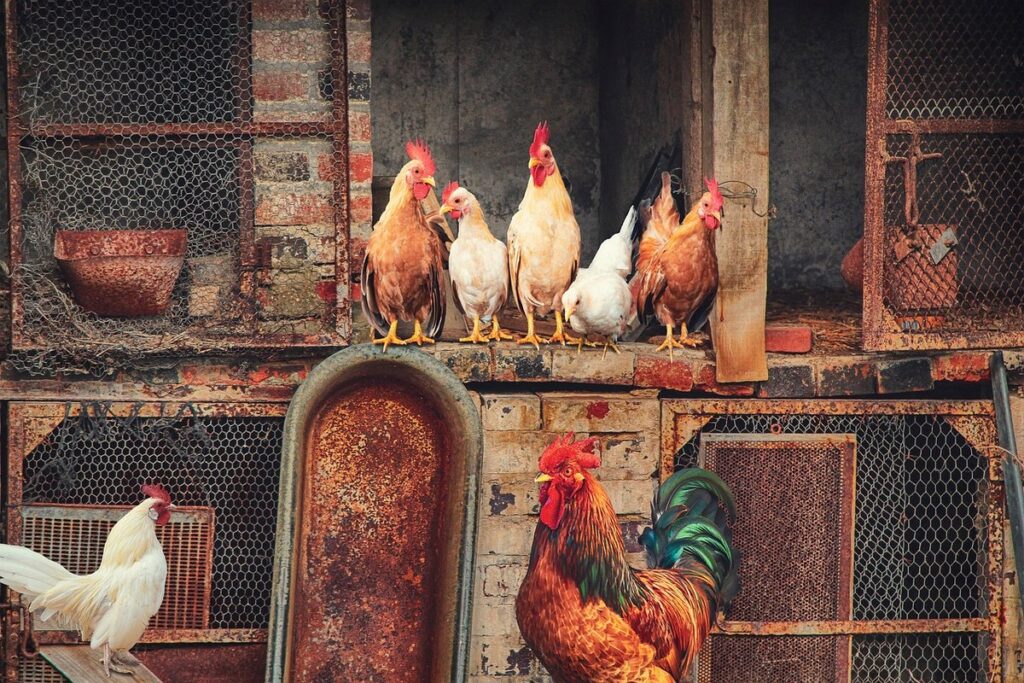
Importance of Adequate Wire Protection for Poultry
When it comes to keeping your flock safe from predators, adequate wire protection is a top priority. This section explores the critical role it plays in safeguarding your backyard birds.
Protecting Against Predators: A Top Priority
When it comes to raising backyard chickens, there’s no greater concern than protecting them from predators. Adequate wire protection is crucial in safeguarding your flock against threats that could be lurking just outside their coop. Foxes, coyotes, raccoons, and hawks are among the most common predators targeting backyard flocks.
Inadequate or poorly installed wire can put your birds at risk, allowing these predators to easily gain access. For instance, a gap as small as 1 inch can be enough for a determined raccoon to squeeze through and attack your chickens. This is why choosing the right chicken coop wire is not just about keeping costs low – it’s about ensuring the safety and well-being of your flock.
When selecting wire for your coop, consider using hardware cloth with openings of 1 inch or smaller to prevent predators from entering. Additionally, ensure that all wire edges are securely fastened to the coop frame to prevent gaps from forming over time. By prioritizing adequate wire protection, you’ll be taking a significant step towards protecting your backyard flock and giving them a safe haven in which to thrive.
Understanding Chicken Health and Safety Considerations
When it comes to raising backyard chickens, ensuring their health and safety is of utmost importance. One crucial aspect often overlooked is the quality of wire used in their coop. Weak or damaged wire can have serious consequences for your flock’s well-being. Birds may attempt to escape through holes or gaps, leading to stress, exposure to predators, and potential injury from barbed wire or other hazards.
Moreover, a poor-quality wire mesh can harbor bacteria, dust mites, and mold, creating an unhealthy environment for your chickens. A strong, sturdy wire with adequate gauge (thickness) is essential to prevent injuries caused by sharp edges or broken wires. For instance, a chicken may get its feathers caught in a loose wire, leading to painful scratches or even infection.
To mitigate these risks, choose a high-quality wire mesh specifically designed for poultry coops. Look for materials like durable galvanized steel or PVC-coated wire with openings of 1 inch (2.5 cm) or smaller to prevent escape attempts and predator entry. Regular inspections can also help identify potential issues before they become major problems.
Types of Wire Suitable for Chicken Coops
When it comes to protecting your flock from predators, choosing the right wire type is crucial. We’ll explore the best options for chicken coop wire in this section.
Galvanized Steel Wire: A Popular Choice for Backyard Flocks
When it comes to choosing wire for your chicken coop enclosure, galvanized steel wire is often a popular choice among backyard flock owners. This type of wire offers several benefits that make it an attractive option.
One major advantage of galvanized steel wire is its durability. It can withstand harsh weather conditions and heavy use, making it a long-lasting solution for coop enclosures. Additionally, galvanized steel wire is resistant to rust, which is essential in areas with high humidity or exposure to moisture. This means you won’t have to worry about the wire corroding over time.
However, there are some drawbacks to consider. Galvanized steel wire can be more expensive than other options, such as chicken wire or hog wire. It’s also worth noting that galvanized steel wire may not provide adequate protection against larger predators like foxes or coyotes. If you live in an area with high predator activity, you may need to opt for a different type of wire.
When selecting galvanized steel wire, look for products with a thick gauge (around 14-15) and a coating thickness of at least 1.2mm. This will ensure the wire provides adequate strength and rust resistance.
PVC-Coated Wire: A Safer Alternative for Poultry
When it comes to choosing the right wire for your chicken coop, safety should be top of mind. That’s where PVC-coated wire comes in – a safer alternative that can give you peace of mind as a backyard farmer. The primary advantage of PVC-coated wire is its ability to protect your flock from sharp edges and points found on traditional wires.
This coating creates a barrier between the chicken and any potential harm, reducing the risk of injury or even death. For instance, if your coop’s wiring has exposed edges, it can lead to cuts and wounds for your birds. PVC-coated wire eliminates this risk, providing a safer environment for your flock to thrive in.
However, it’s essential to consider that PVC-coated wire might have its drawbacks. One potential issue is reduced flexibility – making it more difficult to install or shape around corners and curves within the coop. But with careful planning and selection of suitable materials, you can easily overcome this limitation.
It’s also worth noting that not all PVC-coated wires are created equal. Look for high-quality options with a thick coating to ensure maximum protection for your flock. By choosing the right PVC-coated wire, you’ll be able to create a safe and healthy environment for your backyard birds to enjoy.
Considerations When Selecting Chicken Coop Wire
When choosing wire for your chicken coop, it’s essential to consider durability and predator resistance to ensure your flock’s safety. These key factors will help you select the right wire for your backyard chickens.
Measuring and Cutting Wire for a Secure Fit
Accurately measuring and cutting wire is crucial to ensure a snug fit around your coop’s structure, minimizing gaps that predators can exploit. To start, take precise measurements of the perimeter of your coop, including any corners or obstructions. Use a tape measure or ruler to record these dimensions, then add a few inches to each side to allow for any minor adjustments during installation.
When cutting the wire, use sharp pruning loppers or wire cutters to prevent frayed edges that can snag on other components. Cut in small sections, about 2-3 feet at a time, to maintain control and avoid errors. This will also help you identify any areas where the wire may be too tight or too loose.
To ensure a secure fit, overlap the wire by 1-2 inches when cutting, allowing for easy folding over and tucking under surrounding structures. Remember to cut the wire slightly tighter than needed, as it will stretch during installation and over time due to weather conditions. This attention to detail will help prevent predators from exploiting any gaps or weaknesses in your coop’s wire mesh.
Tips for Installing and Maintaining Wire Enclosures
When installing chicken coop wire, it’s crucial to ensure that it is securely anchored to prevent predators from easily breaching the enclosure. To do this, start by laying a foundation of hardware cloth or expanded metal mesh around the perimeter of the coop. This will provide a strong base for your wire enclosure and make it more difficult for critters like raccoons and coyotes to dig under.
Next, attach the wire mesh to the frame of the coop using sturdy wire or cable ties. Make sure to secure the mesh at least 6 inches below ground level to prevent burrowing predators from accessing the coop. Regular inspections are also vital in maintaining a safe and secure enclosure. Check for any signs of wear or damage to the wire, such as loose joints or torn mesh, and make repairs promptly.
Additionally, consider using corner protectors and end caps to cover sharp edges and corners, which can cause injury to your birds or other animals that may come into contact with them. By following these installation tips and performing regular maintenance checks, you can rest assured that your chicken coop wire will provide a safe and secure environment for your flock.
DIY vs. Store-Bought Chicken Coop Wire
When it comes to protecting your backyard chickens from predators, you’re likely wondering whether to use store-bought chicken coop wire or create your own DIY solution. Let’s weigh the pros and cons of each option.
Pros and Cons of Using Pre-Made Coop Kits
When it comes to building a chicken coop, many backyard flock owners are torn between using pre-made coop kits and purchasing individual components. On one hand, pre-made coop kits offer convenience and cost-effectiveness. These kits usually come with everything you need to build a complete coop, including wire mesh, framing materials, and hardware. They’re also often designed with ease of assembly in mind, saving you time and effort.
However, this convenience comes at a price – literally. Pre-made coop kits can be expensive, especially if you have a large flock or want to customize your coop’s design. Furthermore, the materials used may not be as durable or high-quality as what you could source individually.
On the other hand, purchasing individual components gives you complete control over the materials and design of your coop. You can choose from a wide range of wire mesh options, including different gauge sizes and types (e.g., chicken wire, hardware cloth). This flexibility also allows for greater customization, enabling you to create a unique coop that suits your flock’s specific needs.
In terms of cost-effectiveness, purchasing individual components can be more budget-friendly in the long run. You can buy high-quality materials in bulk and customize your design to optimize space and functionality.
Building Your Own Coop: Benefits and Drawbacks
Building your own chicken coop can be a rewarding experience, offering numerous benefits that store-bought coops often can’t match. One of the primary advantages is cost savings – by using materials you already have on hand or repurposing old ones, you can significantly reduce expenses associated with purchasing a pre-made coop. Additionally, customizing your coop allows for unparalleled design freedom, enabling you to tailor it to your specific needs and preferences.
However, there are also potential drawbacks to consider. Constructing a coop from scratch can be time-consuming, requiring a substantial investment of hours and effort. Furthermore, variable quality control is a risk when building your own coop – if not designed or constructed correctly, the coop may not provide adequate protection for your birds, leading to health issues or even losses.
When deciding whether to build your own coop or purchase one, weigh these factors carefully and consider what matters most: cost savings, design flexibility, or convenience.
Safety Considerations for Chicken Coop Wire
When it comes to choosing wire for your chicken coop, safety is a top concern. Let’s dive into some essential considerations to protect both your flock and yourself from potential hazards.
Local Regulations and Zoning Laws
Before selecting the perfect chicken coop wire, it’s essential to consider the local regulations and zoning laws that govern backyard chicken-keeping. These rules can vary significantly depending on where you live, so it’s crucial to familiarize yourself with the specific requirements in your area.
In many municipalities, there are height restrictions for chicken coops and runs, which may dictate the type of wire you choose. For instance, if your local regulations stipulate that the coop must be at least 3 feet away from any property line, you’ll need to ensure that your chosen wire can accommodate this requirement. You may also need to obtain a permit before constructing or modifying your chicken coop.
When researching local regulations, pay particular attention to sections on animal welfare and public health. Some areas may have specific requirements for predator-proofing, which could impact your choice of wire gauge or mesh size. To avoid costly fines or even having to dismantle your coop, be sure to check with your local government office or planning department before making a final decision on chicken coop wire.
Potential Hazards and Precautions for Humans
When working with chicken coop wire, it’s essential to prioritize safe handling practices to avoid human injuries. Sharp edges on the wire can cause cuts and lacerations if not handled carefully, so make sure to wear protective gloves when installing or repairing your coop’s wire mesh.
Additionally, be aware of potential electrical hazards from wires or power sources nearby that could cause shock if not properly insulated. Regularly inspect your coop’s wiring for any signs of damage or fraying, and consider consulting a licensed electrician if you’re unsure about the safety of your setup.
When handling chicken coop wire, avoid touching metal components with bare hands, as oils from your skin can conduct electricity and increase the risk of shock. Always follow manufacturer guidelines for installation, maintenance, and repair to minimize risks associated with chicken coop wire.
Frequently Asked Questions
Can I use chicken coop wire with a lower gauge rating for a smaller flock?
If you have a small flock, using wire with a higher gauge rating might seem like an option to save money. However, this can compromise the safety and security of your birds. Wire with a lower gauge rating is designed for larger flocks and may not provide adequate protection for smaller groups. Stick to the recommended gauge rating for the size of your flock to ensure their safety.
How often should I inspect and maintain my chicken coop wire?
Regular inspections are crucial to maintaining the integrity of your chicken coop wire. Check your wire at least twice a month for signs of damage, wear, or corrosion. Make sure to tighten any loose wires and replace damaged sections promptly to prevent predators from exploiting vulnerabilities in your flock’s protection.
Can I use chicken coop wire with PVC coating on trees and other outdoor structures?
While PVC-coated wire is a great option for chicken coops, it may not be suitable for direct contact with trees or other outdoor structures. The chemicals used in the coating can leach into wood and potentially harm your flock. Instead, consider using a different type of wire or taking extra precautions to prevent exposure.
How do I handle wildlife-proofing around pipes, vents, and other features?
Wildlife can exploit small openings, so it’s essential to seal any gaps around pipes, vents, and other features. Use hardware cloth or metal mesh to cover these areas and secure them with wire or zip ties. Make sure to check your coop regularly for signs of tampering or damage.
Can I use chicken coop wire in conjunction with other materials like netting or fencing?
Chicken coop wire can be used in conjunction with other materials, such as netting or fencing, to create a more robust barrier against predators. However, make sure the wire mesh is securely attached to these materials to prevent gaps and vulnerabilities. Consider using a combination of different materials to achieve maximum security for your flock.