
As a backyard chicken owner, you know how crucial it is to keep your flock safe from predators. One of the most effective ways to do this is by choosing the right chicken coop wire gauge for your enclosure. But with so many options available, it can be overwhelming to decide which one to pick.
The ideal chicken coop wire gauge not only protects your birds from potential threats but also plays a significant role in maintaining their health and well-being. In this article, we’ll guide you through the process of selecting the perfect wire gauge for your chicken coop. We’ll cover the importance of wire gauge, the different types available, and provide expert tips on how to choose the right one for your needs. By the end of this post, you’ll be confident in your ability to keep your flock safe and happy.
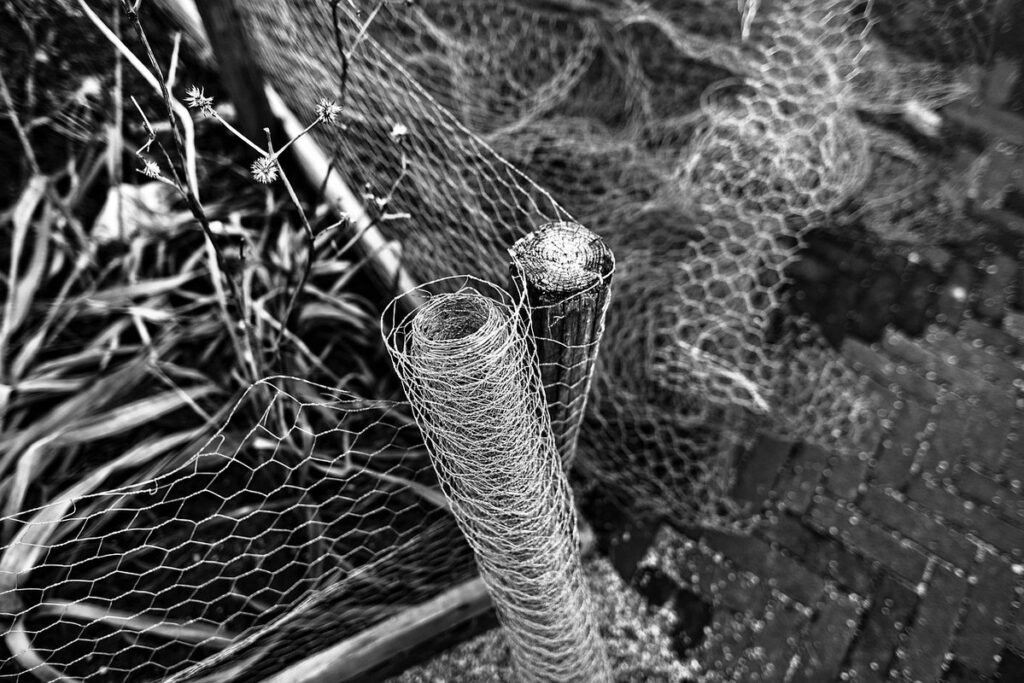
Understanding Chicken Coop Wire Gauges
When selecting wire for your chicken coop, it’s essential to understand the different gauges and their implications on durability and predator resistance. Let’s break down the key factors that influence a wire gauge’s effectiveness.
Types of Wire Gauges Used in Chicken Coops
When it comes to choosing the right wire gauge for your chicken coop, understanding the different types available is crucial. There are several common types of wire gauges used in chicken coops, each with its unique characteristics and applications.
Poultry netting is a popular choice among backyard chicken keepers due to its lightweight and easy-to-install design. It’s typically made from woven metal mesh that allows for airflow and visibility while keeping predators out. However, it may not be suitable for areas with high winds or heavy snowfall, as it can be prone to damage.
Hardware cloth, on the other hand, is a heavier-duty option often used for coop construction or repairing existing coops. Its sturdy metal mesh provides excellent protection against predators and harsh weather conditions. It’s an ideal choice for areas with high predation risks or extreme weather patterns.
Welded wire, also known as chicken wire, is another common type of wire gauge used in chicken coops. It’s a cost-effective option that’s easy to install and provides moderate protection against small predators. However, it may not be suitable for areas with large predator populations or harsh weather conditions.
When choosing the right wire gauge for your chicken coop, consider factors such as climate, predation risks, and coop design. By selecting the most suitable type of wire gauge, you can ensure a safe and secure environment for your flock while also protecting yourself from costly repairs and losses.
Importance of Wire Gauge for Chicken Safety
When it comes to choosing the right wire gauge for your chicken coop, one of the most critical factors to consider is predator deterrence. A suitable wire gauge can make all the difference between a safe and secure coop and a vulnerable one that’s susceptible to raids by predators like raccoons, foxes, and coyotes.
Different wire gauges offer varying levels of protection against these predators. For example, a 12-gauge wire is relatively weak and may not be able to withstand the force of an adult predator trying to chew or claw its way through. On the other hand, a heavier gauge like 14-gauge or 16-gauge can provide significantly better protection.
In addition to predator deterrence, choosing the right wire gauge also plays a crucial role in preventing escape attempts by your chickens. If the wire is too thin or weak, it may not be able to contain your birds, especially if they’re strong flyers or determined escapers. A heavier gauge wire can help ensure that your chickens stay safely inside the coop.
It’s worth noting that choosing the right wire gauge also has a direct impact on the overall health and well-being of your chickens. By preventing predators from accessing the coop and keeping escape attempts to a minimum, you can reduce stress levels and create a safer environment for your birds to live in.
Factors to Consider When Selecting a Wire Gauge
When it comes to choosing the right wire gauge for your chicken coop, there are several key factors to consider before making a decision. Let’s take a closer look at what to prioritize.
Climate and Weather Considerations
When it comes to selecting a wire gauge for your chicken coop, climate and weather conditions play a significant role. Extreme temperatures, precipitation, and wind can impact the durability and effectiveness of various wire gauges. In areas with high winds or severe storms, a sturdier wire gauge is essential to prevent damage and keep predators out.
For example, in regions prone to hurricanes or tornadoes, using a thicker wire gauge like 12-gauge or heavier can provide added protection against strong gusts. Similarly, in areas with heavy rainfall or snowfall, a waterproof coating on the wire gauge can help extend its lifespan.
In hot climates, you’ll want to choose a wire gauge that resists heat-related damage. Look for wires made from high-temperature-resistant materials like galvanized steel or aluminum. These materials can withstand temperatures up to 600°F without melting or deforming. By considering these climate-specific factors, you can select a wire gauge that will keep your chickens safe and secure, regardless of the weather conditions.
Predator Types and Their Impact on Coop Design
When designing a chicken coop, it’s essential to consider the types of predators that target chickens and choose the right wire gauge accordingly. Raccoons, for instance, are notorious for their dexterous hands, which allow them to easily rip through weaker wire gauges. To protect against these masked bandits, opt for a sturdy wire gauge with openings no larger than 1 inch (2.5 cm) in diameter.
Foxes and coyotes, on the other hand, pose a more significant threat due to their strength and agility. These predators can easily chew through thinner wire gauges, making it crucial to choose a thicker gauge that’s at least 12-gauge thick. You should also consider the surrounding landscape; if your coop is situated near a forest or woodland area, foxes and coyotes are more likely to be lurking nearby.
Coyotes, in particular, are skilled climbers and can easily scale fences if given the opportunity. To prevent this, ensure that your coop’s fencing is at least 6 feet tall and made from sturdy materials like chicken wire with openings no larger than 1 inch (2.5 cm) in diameter. By understanding the habits of these predators and choosing the right wire gauge, you can create a secure and safe environment for your chickens to thrive.
Measuring and Evaluating Wire Gauge Quality
When choosing wire gauge for your chicken coop, it’s essential to understand how to measure and evaluate its quality to ensure you’re getting a safe and durable product. This involves looking at factors like tensile strength and mesh density.
Understanding Gauge Measurements and Units
When choosing wire gauge for your chicken coop, it’s essential to understand the different measurements used to describe its quality. You may have come across terms like mesh size and wire thickness, but what do they mean exactly?
Mesh size refers to the distance between the wires that make up the coop’s enclosure. It’s usually measured in inches or millimeters, with smaller numbers indicating a tighter weave. For example, a 1-inch mesh size means there is one inch of space between each wire. This measurement is critical for preventing predators from reaching your chickens.
Wire thickness, on the other hand, refers to the diameter of the individual wires that make up the coop’s enclosure. It’s usually measured in gauge (more on this below) or mils. Thicker wires are more durable and resistant to damage, but they can also be heavier and more expensive.
When evaluating wire gauge for your chicken coop, consider both mesh size and wire thickness. A good rule of thumb is to choose a wire with a smaller mesh size (around 1 inch or less) and a thicker gauge (at least 14-gauge). This will provide the best balance between security and durability.
Testing and Evaluating Wire Gauge Performance
When it comes to selecting the right chicken coop wire gauge, understanding its performance and quality is crucial. To evaluate the effectiveness of various wire gauges, you can conduct a few simple tests. One way to do this is by using a predator simulator or a fake raccoon to try and penetrate the mesh.
For instance, you can purchase a predator simulator kit online that includes artificial animal parts designed to mimic real predators’ claws and teeth. These kits allow you to test your wire gauge’s strength and resistance against different types of predation attempts.
Chicken keepers also share their experiences with various wire gauges on forums and social media groups. Some recommend using galvanized or PVC-coated wires for added durability and rust-resistance, while others swear by high-carbon steel wires due to their exceptional tensile strength.
To put this into perspective, a study conducted in the UK found that chicken coops protected with 2.5mm wire mesh showed significantly reduced predator entry rates compared to those with 1.8mm mesh. This highlights the importance of choosing the right gauge when it comes to securing your flock’s safety.
Comparing Popular Chicken Coop Wire Gauges
When selecting a chicken coop wire gauge, it can be overwhelming to compare the various options. Let’s dive into a comparison of popular chicken coop wire gauges on the market.
A Comparison of Poultry Netting, Hardware Cloth, and Welded Wire
When it comes to protecting your flock from predators and securing your coop, choosing the right wire gauge is crucial. But did you know that different types of mesh and wire have their own strengths and weaknesses? In this section, we’ll dive into a comparison of poultry netting, hardware cloth, and welded wire, helping you decide which one suits your needs best.
Poultry netting is an economical option made from lightweight, woven polypropylene or nylon. Its advantages include being easy to install, flexible, and relatively inexpensive. However, its weaknesses lie in its susceptibility to wind damage, tendency to sag under heavy bird populations, and potential for rust or corrosion over time. It’s best used in areas with low predator pressure and for smaller flocks.
Hardware cloth, on the other hand, is a sturdy mesh made from galvanized steel wire. Its advantages include being durable, resistant to rust and weathering, and providing excellent security against predators like raccoons, opossums, and stray dogs. However, its weaknesses lie in its weight and rigidity, making it difficult to install for some users. Additionally, its cost can be higher compared to other options.
Welded wire, also known as chicken wire or poultry mesh, is a popular choice due to its affordability and ease of installation. Its advantages include being lightweight, easy to bend around corners, and providing good visibility into the coop. However, its weaknesses lie in its susceptibility to tearing and damage from predators like foxes, coyotes, and hawks.
Ultimately, the choice between poultry netting, hardware cloth, and welded wire depends on your specific needs, resources, and concerns. If you’re on a tight budget and have low predator pressure, poultry netting might be sufficient. However, if you prioritize durability and security, hardware cloth is likely your best bet. Remember to consider factors like wind resistance, installation ease, and cost when making your decision.
To ensure a safe and secure coop, always inspect the mesh or wire regularly for signs of damage or wear. Replace it promptly if needed, and take steps to reinforce vulnerable areas like corners and edges. By choosing the right type of wire gauge and taking proactive measures, you can keep your flock protected from predators and enjoy a peaceful coexistence with nature.
Common Mistakes to Avoid When Choosing a Chicken Coop Wire Gauge
When selecting wire gauge for your chicken coop, it’s easy to overlook some critical factors that can compromise the safety and security of your birds. Let’s explore common mistakes to watch out for.
Understanding the Role of Mesh Size and Wire Thickness
When it comes to choosing the right chicken coop wire gauge, many backyard chicken enthusiasts get caught up in misconceptions about mesh size and wire thickness. Let’s set the record straight: these two factors are not as straightforward as they seem.
One common misunderstanding is that a larger mesh size provides better ventilation for your chickens. While it’s true that chickens need fresh air to stay healthy, a larger mesh size can actually compromise security. Predators like raccoons, foxes, and hawks can easily squeeze through 2-inch or even 3-inch mesh openings. A smaller mesh size, typically around 1 inch or less, is usually recommended for optimal predator protection.
Another misconception is that thicker wire gauge provides better security than thinner wire. While it’s true that thicker wire is more durable and resistant to cuts, it’s not necessarily the best choice for chicken coop wire. Thicker wire can be heavy, making it difficult to install and maintain, and may even lead to structural issues if not properly supported.
So, how do you choose the right mesh size and wire thickness? Here are a few practical tips:
* Consider your climate: If you live in an area with high temperatures or humidity, a slightly larger mesh size (around 1.5 inches) can help improve ventilation.
* Assess local predator threats: If raccoons or other medium-sized predators are common in your area, opt for smaller mesh sizes (less than 1 inch).
* Balance security and ventilation needs: Look for wire gauges with a balance between durability and weight. A gauge of around 16 to 18 is often recommended.
Remember, the right wire gauge is just one part of creating a secure and healthy chicken coop environment. Be sure to research local building codes and regulations, as well as your specific climate and predator threats, before making a decision.
Final Considerations: A Holistic Approach to Chicken Coop Security
Now that you’ve chosen the right wire gauge for your chicken coop, let’s talk about creating a secure and protected space for your flock. This includes thinking beyond just wire strength to overall coop design.
Integrating Multiple Security Measures with Wire Gauge Choice
When it comes to protecting your chicken coop from predators, a single security measure may not be enough. Integrating multiple security measures with wire gauge choice is crucial for comprehensive protection. For instance, you might have the best wire gauge in place, but if the fencing surrounding your coop is weak or low-quality, it can easily be breached.
Consider combining high-strength fencing with an excellent locking system and surveillance cameras to create a multi-layered defense strategy. This way, even if one layer of security fails, others will remain intact. For example, you could use electric fencing around the perimeter of your property to deter predators from approaching the coop area. Meanwhile, inside the coop, install high-quality locks on all doors and windows.
Surveillance cameras can also be strategically placed around the coop to monitor activity and alert you to any potential threats. This holistic approach not only deters predators but also provides peace of mind for chicken keepers. To achieve comprehensive security, consider consulting with local experts or doing thorough research on the most effective multi-layered security systems for your specific climate and predator types.
Conclusion
In conclusion, selecting the right chicken coop wire gauge is a crucial decision that requires careful consideration of various factors. As we’ve discussed throughout this article, the wire gauge you choose will directly impact the safety and security of your flock.
It’s essential to remember that there is no one-size-fits-all solution when it comes to choosing a wire gauge. The right gauge for your coop depends on specific needs such as climate, predator threats, and personal preferences. Consider factors like galvanized vs. coated wires, mesh density, and weave patterns when making your decision.
By taking the time to evaluate these key considerations, you’ll be able to identify the most suitable wire gauge for your unique situation. Don’t hesitate to seek expert advice or consult with experienced backyard chicken keepers if needed. Remember, a secure coop is a happy flock – take the time to get it right and enjoy the rewards of raising healthy, thriving chickens. With this newfound knowledge, you’re ready to make an informed decision and create a safe haven for your feathered friends.
Frequently Asked Questions
Can I use the same wire gauge for both new and existing chicken coops?
Yes, you can reuse wire gauges from an old coop or purchase a new one with the correct gauge size. However, consider upgrading to a more durable material like hardware cloth if your current coop is made of lighter materials.
How do I measure my flock’s movement patterns to determine the ideal mesh size for my chicken coop?
Observe your birds’ behavior, noting which areas they tend to congregate or attempt to escape from. Measure these areas and calculate the required wire gauge based on the manufacturer’s recommendations for similar applications.
What are some common mistakes to avoid when selecting a wire gauge for my chicken coop?
Don’t skimp on wire gauge solely based on cost; prioritize durability and predator resistance. Avoid using poultry netting with large mesh sizes (e.g., 1 inch) as it may not provide sufficient protection from larger predators like raccoons or coyotes.
How do I maintain and inspect my chicken coop’s wire gauge for optimal performance?
Regularly check your coop’s wire for signs of wear, damage, or rust. Inspect the mesh size and ensure it remains secure to prevent predator entry points. Clean and replace damaged sections promptly to maintain the integrity of your wire gauge.
Can I mix and match different types of wire gauges in my chicken coop design?
While it’s possible to combine wire gauges, consider their compatibility and potential for gaps or weak spots that predators could exploit. Instead, choose a single type of wire gauge with suitable durability and predator resistance features for your specific climate and threat levels.
What are some additional security measures I can integrate with my chosen wire gauge?
Consider adding secure doors, latches, or locks to prevent unauthorized access. Implement lighting systems or motion-sensitive cameras to deter nocturnal predators. Also, consider using fencing around the coop’s perimeter to further enhance its overall security features.