
As a backyard duck owner, you want to ensure that your feathered friends have a safe and comfortable place to lay their eggs. But did you know that choosing the right duck nesting box size is crucial for their health and happiness? A poorly sized or designed nesting box can lead to stress, anxiety, and even egg-laying problems in ducks. In this article, we’ll explore the essential factors to consider when selecting a duck nesting box, including its size, material, installation, and maintenance. We’ll delve into what makes a duck nesting box “duck-friendly” and provide you with practical tips on how to create a haven for your backyard ducks. By the end of this article, you’ll be equipped with the knowledge to choose the perfect nesting box for your ducks.
Importance of Proper Nesting Box Size
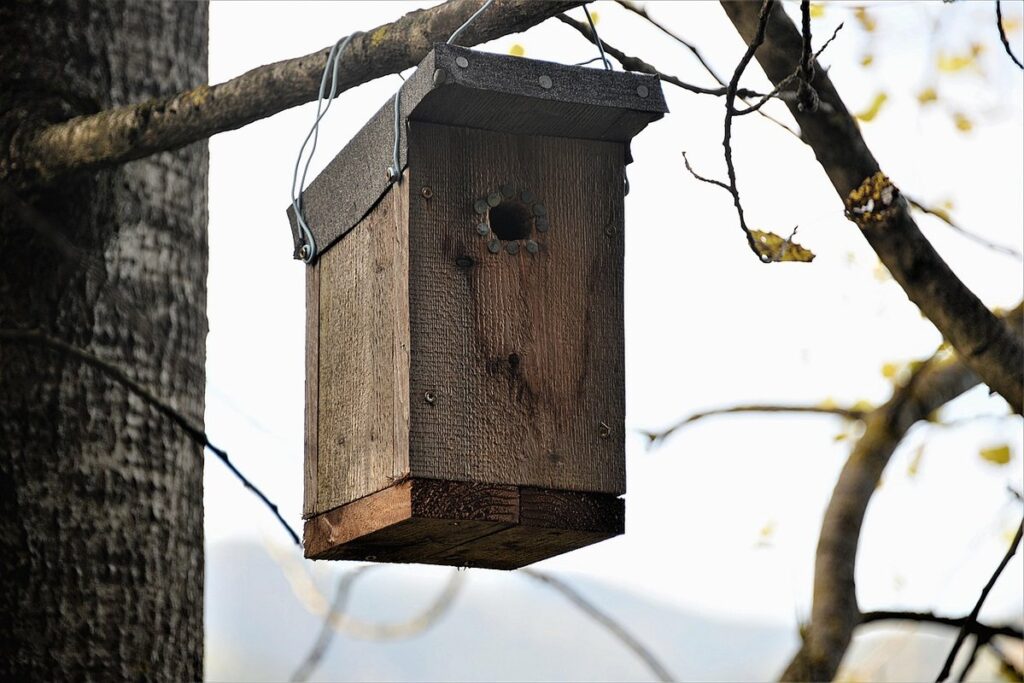
When choosing a nesting box for your backyard ducks, it’s crucial to select one that is large enough to accommodate them comfortably during breeding season. A well-sized nesting box promotes health and safety for both duck mothers and their eggs.
Factors to Consider When Selecting a Nesting Box
When selecting a nesting box for your backyard ducks, it’s essential to consider several factors beyond just the size of the box itself. The right nesting box can make all the difference in ensuring the health and well-being of your feathered friends.
First and foremost, you’ll want to think about the breed of duck you have. Different breeds have unique needs when it comes to space and comfort, so a larger nesting box may be necessary for bigger birds. For example, Muscovy ducks require more room than Khaki Campbells, so choose a box that’s at least 2-3 feet wide.
The age of your duck is also crucial. Younger ducks need more protection from the elements and predators, while older ducks tend to prefer a cozier, more secluded space. Consider installing multiple nesting boxes in a row or using a larger box with separate compartments for different ages.
Lastly, don’t forget about health factors. Ducks that are recovering from an illness or injury may require extra care and comfort when it comes to their nesting box. Look for features like easy cleaning, ventilation, and accessibility to ensure your ducks stay healthy and happy.
Understanding Duck Behavior and Space Requirements
When it comes to understanding duck behavior and space requirements, observing their natural habitats can provide valuable insights. In the wild, ducks typically nest on elevated areas like tree branches, rock crevices, or cliff ledges, often with minimal surrounding space.
To replicate this natural environment in your backyard nesting box, consider the following key aspects:
• Adequate height and perch area to mimic the natural elevation
• Minimal floor space, approximately 2-3 square feet (60 x 90 cm), allowing for easy access and egg-laying comfort
• A narrow entrance, about 6-8 inches (15-20 cm) wide, preventing predators from entering while maintaining the duck’s ability to exit
Understanding that ducks are generally solitary nesters during breeding seasons also helps inform nesting box design. By providing individual compartments within a shared nesting house, you can cater to their preference for isolation and reduce competition among females.
In addition to these considerations, don’t forget to research local regulations regarding backyard nesting boxes to ensure compliance with duck-keeping standards in your area.
Standard Nesting Box Sizes and Specifications
Now that you know what size nesting box is best for your ducks, let’s dive into the standard sizes and specifications that will ensure a safe and cozy home for them.
Box Depth and Width: What You Need to Know
When choosing a nesting box for your backyard ducks, understanding the recommended depth and width is crucial to ensure a safe and comfortable environment for your feathered friends. According to duck breed standards, the ideal nesting box dimensions vary depending on the specific breed.
For example, Khaki Campbell and Indian Runner breeds prefer a slightly larger box with an internal width of around 12-14 inches (30-35 cm) and a depth of about 18-20 inches (45-50 cm). On the other hand, smaller breeds like Muscovy ducks require a narrower box with dimensions around 10-12 inches (25-30 cm) wide by 15-17 inches (38-43 cm) deep.
It’s essential to note that these measurements are guidelines and can be adjusted based on your specific duck breed and individual needs. A good rule of thumb is to provide about 2-3 square feet (0.2-0.3 square meters) of internal space per bird, ensuring a comfortable nesting area without sacrificing too much floor space in your coop.
Keep in mind that overcrowding can lead to stress and reduced egg production, so it’s crucial to strike the right balance between box size and overall coop space.
Entrance Hole Size: A Critical Consideration for Duck Safety
When it comes to choosing the right duck nesting box size, there’s another crucial factor to consider: entrance hole size. The entrance hole is not only a matter of convenience for our feathered friends but also plays a significant role in their safety.
A large enough entrance hole ensures that your ducks can easily enter and exit the nesting box without feeling cramped or restricted. However, if the hole is too big, it poses several risks. Predators such as foxes, raccoons, and weasels might see the nesting box as an easy target for entry, putting your birds in danger.
Aim for an entrance hole size of about 6-8 inches (15-20 cm) in diameter. This allows your ducks to comfortably enter and exit while keeping unwanted visitors out. To further secure your nesting box, consider installing a roof or canopy above the entrance hole to deter predators from reaching inside. By carefully considering the entrance hole size, you’ll create a safe haven for your backyard ducks to lay their eggs without worry.
Choosing the Right Nesting Box Material
When selecting a nesting box material, you’ll want to consider durability, ease of cleaning, and whether it’s safe for your ducks. Let’s take a look at some popular options.
Plastic vs. Wood: Pros and Cons of Each Material
When it comes to choosing the right material for your duck nesting box, two popular options are plastic and wood. Both have their advantages and disadvantages, which you should consider carefully before making a decision.
Plastic nesting boxes are durable and easy to clean, making them a great choice for busy backyard duck owners. They’re also resistant to pests and rot, which can be a problem with wooden boxes. However, plastic boxes can become brittle over time and may crack or break if exposed to extreme temperatures. Additionally, they may not provide the same level of ventilation as wooden boxes, which can lead to respiratory problems in your ducks.
Wooden nesting boxes, on the other hand, are breathable and allow for good airflow, reducing the risk of respiratory issues. They’re also a more eco-friendly option than plastic, as they can be made from sustainable sources like reclaimed wood or bamboo. However, wooden boxes require more maintenance than plastic ones, as they need to be treated regularly to prevent rot and pests. Regular inspections are essential to ensure that wooden boxes remain safe and secure for your ducks.
When deciding between plastic and wood, consider the specific needs of your backyard ducks. If you live in an area with extreme weather conditions or have a large flock, a plastic nesting box may be a better option. However, if you prioritize environmental sustainability and are willing to put in the extra maintenance effort, a wooden box could be the way to go. Ultimately, choose a material that aligns with your personal values and meets the needs of your feathered friends.
Other Materials: Considerations for Innovative Options
If you’re looking for innovative options beyond traditional nesting box materials like wood and metal, consider using recycled plastic or composite materials. Recycled plastic nesting boxes are made from 100% post-consumer plastic waste, often collected from ocean cleanup initiatives. They offer durability and resistance to rot, decay, and insect damage.
Pros of recycled plastic include low maintenance requirements, ease of cleaning, and a longer lifespan compared to wood. However, cons may include higher upfront costs and potential heat buildup inside the box during hot summer months. Composite materials, on the other hand, combine recycled plastics with natural fibers like wood or bamboo, offering improved insulation properties.
When opting for composite nesting boxes, weigh their pros: reduced thermal expansion and contraction, which can help prevent box damage, against cons: higher costs compared to traditional materials and potential concerns about chemical leachates. Consider your climate and the specific needs of your backyard ducks when deciding between these innovative options.
Installing a Nesting Box in Your Backyard
To ensure a safe and successful installation, it’s essential to follow the manufacturer’s instructions for your nesting box and consider local building regulations. Choose a suitable location that meets your ducks’ specific needs.
Location, Location, Location: Tips for Optimal Placement
When choosing the perfect location for your duck nesting box, remember that location, location, location is crucial. You want to select a spot that provides optimal conditions for your ducks’ comfort and safety.
Consider the amount of sunlight your chosen location receives. A south-facing wall or a sunny spot near a tree can provide warmth and light, but be mindful of extreme temperatures that might cause the box to overheat during summer months. Similarly, consider wind protection – a sheltered area, such as behind a bush or under a canopy, will help keep your ducks dry and secure.
Predators are another factor to take into account when selecting the ideal location for your nesting box. Place it at least 10 feet away from any predator-attracting features like bird feeders or pet food dishes. Also, consider elevating the box about 3-4 feet off the ground to reduce accessibility for potential predators like raccoons, opossums, and stray dogs.
Lastly, choose a location that is easily accessible for you, so you can monitor your duck’s nesting activities without disturbing them. A spot near a fence or a gate will make it simpler for you to inspect the box regularly.
Mounting Options: Fixed vs. Portable Boxes
When it comes to installing a nesting box in your backyard, choosing the right mounting option is crucial for accessibility, maintenance, and safety. There are two primary options: fixed boxes and portable boxes.
Fixed boxes are attached securely to a tree or a fence, providing stability and protection from predators. However, this type of installation can be challenging for maintenance, as it may require climbing or specialized equipment to clean or inspect the box. For example, if you need to replace the nesting material or collect eggs, having easy access is essential.
Portable boxes, on the other hand, are freestanding and can be easily moved around the yard as needed. This option offers flexibility in terms of placement and maintenance, but it may not provide the same level of protection from predators. When choosing between these options, consider your specific needs and circumstances. If you have a small backyard or plan to move the box frequently, a portable box might be the better choice.
When deciding on a mounting option, also think about accessibility for yourself and potential visitors. A sturdy and secure installation is essential for both duck safety and human safety.
Maintenance and Upkeep of Your Duck Nesting Box
Now that you’ve got your duck nesting box installed, it’s essential to keep it clean and well-maintained to ensure a safe and healthy environment for your feathered friends. Regular upkeep will also help extend its lifespan.
Cleaning and Sanitation: Essential for Healthy Ducks
When it comes to maintaining a healthy duck nesting box, cleaning and sanitation are crucial aspects that often get overlooked. Regular cleaning is essential to prevent disease transmission among your feathered friends. Imagine if you were living in a cramped, dirty apartment – you’d be more prone to getting sick, right? It’s the same for ducks! A clean nesting box creates a healthy environment where they can lay eggs and raise their chicks without risking illness.
Here are some practical tips to keep your duck nesting box sparkling clean:
* Remove soiled bedding material (like straw or wood shavings) at least once a week and replace it with fresh, dry material.
* Scrub the interior of the nesting box with a mild detergent and warm water, paying attention to any areas where droppings may accumulate.
* Disinfect the nesting box with a 1:10 solution of white vinegar and water every month or as needed.
Remember, a clean duck nesting box is not only essential for their health but also for the longevity of your nesting box. By incorporating these simple steps into your regular maintenance routine, you’ll be creating a safe haven for your ducks to thrive in!
Repair and Replacement: Extending the Life of Your Box
As your duck nesting box approaches its maximum lifespan, it’s essential to prioritize repair and replacement to maintain a safe and comfortable environment for your feathered friends. A worn-out nesting box can lead to stress, health issues, and even egg-laying problems.
Inspect your nesting box regularly for signs of wear, such as cracked wood, rusty hinges, or droppings accumulation. Clean the box thoroughly with a mild detergent and water solution to remove any bacteria or debris. For minor repairs, use wood glue to fix loose joints, or replace worn-out hinges with new ones. If the damage is more extensive, consider replacing the entire nesting box.
When selecting a replacement box, choose one that’s similar in size and design to the original. Consider factors like material durability, ease of cleaning, and predator-proofing features. A well-maintained nesting box can extend its lifespan by several years, providing your ducks with a happy and healthy environment for egg-laying and raising their young. Regular maintenance is key to ensuring your duck nesting box remains safe and functional for years to come.
Additional Considerations for Urban Duck Keepers
If you’re raising ducks in a urban setting, there are some extra factors to think about when it comes to choosing the right nesting box size. Let’s explore these additional considerations together.
Zoning Regulations and Local Laws
Before you start choosing the perfect duck nesting box size, it’s essential to ensure that you’re complying with zoning regulations and local laws governing backyard duck keeping. These regulations vary by location, so it’s crucial to familiarize yourself with the specific rules in your area.
Typically, municipalities have ordinances regulating the number of ducks allowed per property, noise levels, and requirements for waste management and sanitation. For instance, some areas may prohibit residents from keeping certain breeds or restrict the size of backyard flocks. To avoid any potential issues, start by contacting your local government’s planning department or animal control agency to inquire about specific regulations.
Ensure you understand what is required for a compliant duck-keeping setup in your neighborhood. This includes knowing whether you need a permit, how often inspections will be conducted, and what documentation is needed to prove compliance. Knowing these details upfront will save you stress and potential fines down the line.
Noise and Nuisance Considerations
As an urban duck keeper, you’re likely aware that ducks can be quite vocal, especially when it comes to nesting. However, their loud quacking and chattering can sometimes become a nuisance for neighbors or nearby residents. When choosing the right nesting box size, it’s essential to consider noise levels and potential disturbance.
One common issue with standard-sized nesting boxes is that they often have a small entrance hole, which can lead to ducks vocalizing loudly as they try to get in or out. To mitigate this problem, consider using nesting boxes with slightly larger entrance holes or even installing an external entrance system that allows for easier access and reduced noise levels.
Another consideration is the placement of your nesting box. If it’s situated close to a residential area or shared living space, you may need to take extra precautions to minimize disturbance. A good rule of thumb is to position the nesting box in a way that directs any noise away from neighboring properties. For example, placing it near a wall or fence can help contain the noise.
Some duck breeds are naturally more vocal than others, and even with proper placement, you may still experience occasional loud quacking. In these cases, consider using sound-dampening materials around the nesting box, such as wood chips or shredded paper, to reduce echo and minimize disturbance. Additionally, if you’re concerned about noise levels, you could opt for a covered nesting box or one with a roof to help contain any noise.
Ultimately, it’s crucial to strike a balance between providing your ducks with comfortable and secure nesting boxes and being considerate of those around you. By taking these simple steps and selecting the right nesting box size, you can minimize potential noise issues and create a harmonious coexistence with your neighbors.
Frequently Asked Questions
What are some common mistakes to avoid when choosing a duck nesting box?
When selecting a nesting box, it’s easy to overlook important details that can impact the health and happiness of your ducks. Some common mistakes include ignoring entrance hole size (which can lead to stress and anxiety), neglecting box depth and width considerations, or overlooking material durability.
How often should I clean and sanitize my duck nesting box?
Cleaning and sanitation are crucial for maintaining a healthy environment for your ducks. Aim to clean the nesting box at least once a week during breeding season, and more frequently if you notice any signs of contamination or mess. Use mild detergent and warm water to scrub all surfaces.
Can I use an existing birdhouse or enclosure as a duck nesting box?
While it might be tempting to repurpose an existing structure, using an existing birdhouse or enclosure as a duck nesting box is not recommended. Duck nesting boxes have specific requirements that cannot be met by standard birdhouses. Ensure you choose a specifically designed duck nesting box for the best results.
How do I handle ducks who are having trouble navigating the entrance hole?
Ducks may struggle with certain entrance hole sizes, especially if they’re not accustomed to using them. Consider installing a smaller or adjustable entrance hole to accommodate your ducks’ needs. This can help alleviate stress and ensure safe access to their nesting box.
What should I do if my duck nesting box is damaged or requires repair?
Damage or wear on the nesting box can compromise its effectiveness. Regularly inspect the box for any signs of damage, such as holes, cracks, or rotting wood. If you notice any issues, consider replacing the box altogether to avoid health risks to your ducks.