
As a duck breeder or enthusiast, you’re probably aware that providing high-quality nutrition to your ducklings is crucial for their growth rates, overall health, and eventual productivity. But did you know that using the right feeder can make all the difference? Selecting a duckling feeder that meets their nutritional requirements and easy-to-use maintenance needs can be overwhelming with so many options available.
In this comprehensive guide, we’ll walk you through everything you need to know about selecting and using duckling feeders. We’ll cover different types of feeders, including floating feeders and feeding troughs, as well as the essential nutritional requirements for optimal growth rates. By following our expert advice on maintenance best practices, you can ensure your ducklings receive the nutrition they need to thrive. Whether you’re a seasoned breeder or just starting out, this guide will help you make informed decisions about your feathered friends’ feeding needs.
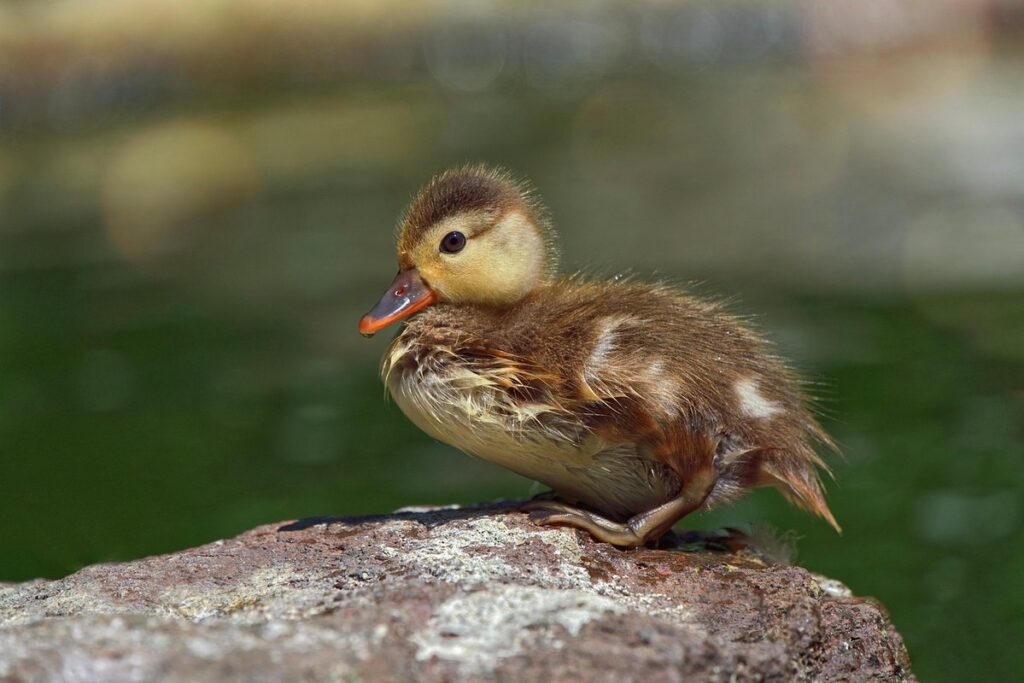
Understanding Duckling Feeding Needs
Understanding a duckling’s feeding needs is crucial to their growth and development, which is why we’re breaking down what they require in terms of nutrients and frequency. Let’s dive into these essential details!
Nutritional Requirements of Young Ducks
Proper nutrition is crucial for ducklings during their first few weeks of life. A nutrient-rich diet provides them with the energy and building blocks needed to develop strong muscles, healthy organs, and a robust immune system.
Ducklings require a diet that’s rich in protein (around 20-22% on a dry matter basis) to support rapid growth and development. They also need fat for energy, but excessive intake can lead to obesity issues later in life. Carbohydrates are an essential source of energy, but they should not be the primary component of their diet. Whole grains like oats or barley provide a balanced mix of nutrients.
Vitamins A, D3, and E are critical for ducklings’ overall health. Vitamin A supports healthy vision, immune function, and skin integrity. Vitamin D3 helps with calcium absorption, which is essential for bone development. Vitamin E acts as an antioxidant, protecting against cell damage.
When selecting a duckling feeder, ensure it’s formulated to meet these nutritional needs. Look for feeders that contain a balanced mix of protein, fat, carbohydrates, and essential vitamins. A starter feed specifically designed for young ducklings will provide the right foundation for their growth and development.
Common Health Issues Related to Poor Nutrition
Inadequate nutrition is one of the most significant threats to duckling health. When ducklings don’t receive a balanced diet, they can suffer from stunted growth, reduced immune function, and increased susceptibility to diseases. This can lead to alarming mortality rates, especially during critical periods like the first few weeks after hatching.
For instance, ducklings that are underfed or overfed may experience slower growth rates, making them more vulnerable to predators and environmental stressors. Moreover, inadequate nutrition can weaken their immune systems, leaving them susceptible to diseases such as respiratory infections, which can decimate a flock in a matter of days.
To mitigate these risks, it’s essential to choose the right duckling feeder that provides adequate nutrition and promotes healthy eating habits from an early age. Consider a feeder that dispenses food slowly, preventing overcrowding and promoting even feeding. This will not only help prevent malnutrition but also reduce competition among ducklings, leading to a healthier flock overall.
Factors Influencing Feeding Choices for Duckling Farmers
As commercial duck farmers, you’re likely aware that feeding choices can significantly impact your operation’s bottom line and sustainability. Several key factors influence these decisions, starting with production costs. The cost of feed is a major expense for duckling farmers, accounting for around 50-60% of total operational costs. Therefore, choosing affordable feeds that meet the nutritional needs of your flock is crucial.
Environmental concerns also play a significant role in feeding decisions. Many farmers are opting for sustainable feeds made from locally sourced ingredients to minimize carbon footprint and support local economies. Additionally, regulatory requirements must be taken into consideration. Compliance with local laws governing animal feed may necessitate using feeds that meet specific standards for nutritional content or ingredient sourcing.
To navigate these factors effectively, research different feed options and consult with industry experts or veterinarians to determine the most suitable choice for your operation. This approach will help you balance production costs, environmental concerns, and regulatory requirements, ultimately leading to more sustainable and profitable duckling farming practices.
Types of Duckling Feeders: Options and Considerations
When selecting a duckling feeder, you’ll want to consider various options that cater to different needs, from automated systems to simple, manual feeders. Choosing the right one is crucial for your ducks’ health and well-being.
Floating Feeders
Floating feeders are an excellent option for supplying food to ducklings, offering ease of use and cost-effectiveness. These feeders sit at the surface of the water, allowing ducklings to easily access their feed without having to dive or swim to reach it. This design makes them perfect for young ducklings that may not have developed strong swimming abilities yet.
However, there are some potential limitations to consider when using floating feeders. For instance, they can become a feeding frenzy if too many ducks are competing for the same food source. This can lead to waste and stress on your birds. Moreover, if you’re raising ducklings in a small pond or pool with poor water quality, the feeder itself can contribute to the problem by becoming a breeding ground for bacteria.
To mitigate these issues, make sure to clean and disinfect your floating feeders regularly, ideally daily, especially during peak production periods. You should also consider using multiple feeding stations or providing extra space for your ducklings to spread out while eating. By doing so, you can minimize waste and reduce stress on your birds, ensuring a healthy and thriving flock.
Hanging Feeders
When it comes to choosing the right duckling feeders, hanging feeders are an option worth considering. These feeders allow you to suspend a feeding trough or tray from a tree branch or hook, keeping it at a comfortable height for your ducklings. This design has both advantages and disadvantages.
One advantage of hanging feeders is that they can be more efficient than ground-level feeders. By placing the feeder in a location where predators are less likely to access it, you can reduce waste and ensure that your ducklings get their fill without having to compete with other birds or animals. Additionally, hanging feeders can be more durable and easier to clean than traditional feeders, as they’re often made from materials like plastic or metal that are resistant to rust and corrosion.
However, there are also some drawbacks to consider. For one thing, hanging feeders may require more maintenance than other types of feeders, particularly if you have a large flock of ducklings. You’ll need to make sure the feeder is securely attached to prevent it from swinging or toppling over in strong winds or during feeding time.
Submersible Feeders
Submersible feeders are an excellent option for duckling farmers who want to simplify their feeding operations. These feeders are designed to be submerged in water, allowing the ducklings to access food from below the surface. One of the primary benefits of submersible feeders is their ease of use. They typically come with a simple float valve system that automatically regulates the amount of food dispensed, eliminating the need for manual refills and labor-intensive feeding schedules.
In fact, studies have shown that submersible feeders can reduce labor costs by up to 30% compared to traditional feeder systems. This is especially beneficial for small-scale duckling farmers who may not have the resources to devote to extensive labor requirements. Additionally, submersible feeders can also help reduce waste and prevent spoilage by keeping the food submerged in water, which inhibits bacterial growth.
To choose the right submersible feeder for your operation, consider factors such as the size of your duckling flock, the type of feed you use, and your available space. It’s also essential to select a high-quality feeder that can withstand the demands of regular use. By doing so, you can enjoy the convenience, cost savings, and peace of mind that comes with using submersible feeders.
Selecting the Best Duckling Feeder for Your Operation
When choosing a duckling feeder, it’s essential to consider factors such as ease of use, durability, and capacity. Let’s explore how to make an informed decision for your operation.
Factors to Consider When Choosing a Feeder
When selecting a duckling feeder, there are several key factors to consider. First and foremost, you’ll want to think about the feeding capacity of the feeder. Will it be able to accommodate the number of ducklings you have on hand? For example, if you’re raising 20-30 ducklings at a time, you’ll need a feeder that can hold enough food for all of them without running out too quickly.
Durability is also crucial – a good duckling feeder should be able to withstand rough handling and exposure to the elements. Look for feeders made from high-quality materials like plastic or metal that are designed to last. You’ll also want to consider ease of maintenance, such as how easily the feeder can be cleaned and refilled.
Another important consideration is compatibility with your existing infrastructure. For instance, if you already have a watering system in place, you may want to choose a feeder that integrates seamlessly with it. Additionally, think about whether the feeder can be easily moved or rearranged to accommodate changes in your duckling’s growth and development.
Assessing Feeder Performance: Efficiency and Effectiveness
When assessing feeder performance, it’s essential to consider various factors that can impact efficiency and effectiveness. Water quality, for instance, plays a significant role in maintaining healthy ducklings. Poor water quality can lead to contamination of feed, resulting in reduced growth rates and increased health issues. Temperature also affects feeding patterns; extreme temperatures can cause ducks to become lethargic or stop eating altogether.
Monitoring the performance of your feeder is crucial to optimize duckling growth rates and overall health. Keep an eye on factors such as moisture levels, water temperature, and feed consumption. Regularly adjusting your feeding strategies will ensure that your ducklings receive the nutrients they need to thrive. Consider implementing a gradual weaning process to minimize stress on the birds. This can involve introducing new feeds in small increments or varying the timing of feed availability.
By acknowledging the impact of these factors and making adjustments accordingly, you can optimize feeder performance and support healthy growth in your ducklings.
Integrating Duckling Feeders into Your Farm’s Management System
When selecting a duckling feeder for your operation, it’s essential to consider how it will integrate with your existing farm management system. A well-integrated feeder can help you streamline processes, reduce labor costs, and improve overall efficiency.
To start, think about inventory tracking. Can the feeder provide real-time data on feed usage and consumption? This information can be used to adjust feed orders and optimize stock levels. For example, if your duckling feeder is equipped with sensors that track feed weight loss, you can use this data to anticipate when you’ll need to restock.
Next, consider nutrient management. Can the feeder help you ensure that your ducks are receiving the right balance of nutrients? Look for feeders that allow you to program specific feeding schedules and amounts. This will not only promote healthy growth but also reduce waste by minimizing overfeeding.
Finally, think about waste reduction strategies. Can the feeder be designed or integrated with other systems to minimize spills and messes? For instance, some feeders come with built-in aprons or trays that catch any excess feed, reducing waste and cleaning time.
By choosing a duckling feeder that integrates seamlessly with your existing management system, you can take a major step towards improving efficiency, reducing costs, and promoting healthy growth in your flock.
Tips for Maintaining and Repairing Duckling Feeders
To ensure your duckling feeder remains in good condition, follow these essential tips for maintenance and repair to keep it functioning properly throughout the breeding season.
Regular Maintenance Schedule
To keep your duckling feeder running smoothly and ensure the health of your young ducks, it’s essential to establish a regular maintenance schedule. Set aside time each week for these tasks:
* Cleaning: Remove any blockages, debris, or leftover feed from the feeder. Use mild soap and water to scrub away stubborn stains.
* Lubricating moving parts: Apply a few drops of silicone-based lubricant to hinges, gears, and other joints to keep them running smoothly.
* Inspecting for wear: Regularly check the feeder’s components for signs of wear or damage. Replace any worn-out parts, such as rubber seals or metal rods, to prevent further issues.
For example, you might dedicate 10-15 minutes each week to maintenance tasks, depending on the size and complexity of your feeder. During this time, also take note of any potential issues that may arise, so you can address them promptly. By following a regular maintenance schedule, you’ll extend the life of your duckling feeder and ensure a healthy environment for your young ducks to thrive in. Remember to adapt your maintenance routine based on the specific needs of your feeder and flock.
Troubleshooting Common Issues with Duckling Feeders
Clogged feeding ports can be frustrating to deal with, especially when ducklings are hungry and waiting. First, turn off the feeder immediately to avoid any further issues. Next, inspect the clogged port closely for any blockages or debris. Use a small brush or a toothpick to gently clean out the obstruction.
If the problem persists, check if the feed is too fine or too large for the feeding ports. Switching to a different type of feed might resolve the issue. For more stubborn cases, try soaking the feeder parts in warm soapy water to loosen any dried-on food residue.
Jammed gears are another common problem that can cause duckling feeders to malfunction. Check if the gears are lubricated regularly and properly aligned. If you suspect worn-out or damaged gears, replace them as soon as possible to prevent further damage.
Electrical issues, such as a faulty power cord or malfunctioning sensor, can also be problematic. Inspect the wiring and connections for any signs of wear or damage. Consult your feeder’s manual or contact the manufacturer for assistance with troubleshooting electrical problems.
Keep in mind that regular maintenance is key to preventing these common issues from arising in the first place.
Future Developments in Duckling Feeder Technology
As you’re setting up your duckling-keeping operation, it’s exciting to think about the advancements that will make feeding time easier and more efficient in the future. We’ll explore some of these innovations next.
Emerging Trends and Innovations
As we look to the future of duckling feeder technology, several emerging trends and innovations are poised to revolutionize the way we care for these young waterfowl. One exciting development is the integration of precision feeding systems, which use advanced algorithms and sensors to deliver exactly the right amount of feed at the optimal time. This not only reduces waste but also ensures that ducklings receive a balanced diet tailored to their specific needs.
Another innovative trend gaining traction is the implementation of automated monitoring and control systems. These sophisticated technologies enable farmers to track feeding schedules, monitor feed levels, and even detect early signs of health issues in individual ducklings. Novel materials are also being explored for improved durability and efficiency, such as lightweight yet robust composites that minimize maintenance requirements.
For example, some manufacturers are now incorporating IoT sensors into their feeder designs, allowing real-time data analysis and automated decision-making. This can help prevent overfeeding or underfeeding, which is critical in the first few weeks of a duckling’s life when growth rates are rapid. By embracing these cutting-edge technologies, you’ll be better equipped to provide your flock with optimal nutrition and care.
Potential Impact on the Poultry Industry
The potential impact of advancements in duckling feeder technology on the poultry industry is multifaceted and far-reaching. One key area where we can expect to see significant changes is in the focus on sustainability. As consumers become increasingly environmentally conscious, poultry producers will be under pressure to adopt more eco-friendly practices. Improved duckling feeders that reduce waste and optimize nutrient delivery could play a crucial role in this shift.
Reduced production costs are also likely to follow from these advancements. By streamlining feeding processes and minimizing losses due to disease or nutritional deficiencies, farmers can expect to see a decrease in their operational expenses. This, in turn, will enable them to invest more in areas such as animal welfare and sustainability initiatives.
Furthermore, enhanced duckling feeders could contribute to better animal welfare standards by reducing stress on the birds during feeding. By providing a more natural and efficient feeding experience, producers can promote healthier and happier ducks, which is essential for maintaining high-quality produce and meeting consumer expectations.
Conclusion: Optimizing Duckling Growth with the Right Feeder Choice
In conclusion, choosing the right duckling feeder is crucial for ensuring optimal growth and health of your young ducks. By considering factors such as ease of cleaning, durability, and accessibility, you can select a feeder that meets their needs. Remember to also factor in the age and breed of your ducklings when selecting a feeder, as different ages and breeds may require specialized feeders. For instance, ducklings under 4 weeks old need shallow feeders to prevent drowning, while older ducklings can use deeper feeders with less risk. By taking these considerations into account, you’ll be well on your way to raising healthy and thriving ducklings that will bring joy to your backyard flock.
Frequently Asked Questions
How do I maintain my duckling feeder’s cleanliness to prevent contamination?
Maintaining a clean duckling feeder is crucial for preventing the growth of bacteria and other pathogens that can harm your ducklings’ health. Regularly inspect your feeder, removing any debris or mold buildup. Clean the feeder with mild soap and warm water, making sure to rinse thoroughly before refilling.
Can I use a single type of feeder for all ages of ducklings?
No, it’s recommended to switch to feeders designed specifically for older ducklings as they grow. Young ducklings require feeders that can handle their specific nutritional needs and prevent drowning risks.
How often should I inspect my duckling feeder for signs of wear or damage?
Regular inspections are crucial to ensure your duckling feeder remains functional and safe for use. Set aside time each week to check the feeder’s condition, looking for signs of wear such as cracks, rust spots, or loose parts that could compromise the feeder’s performance.
What if I notice my ducklings are not using their new feeder? How can I encourage them?
If you notice your ducklings are avoiding a specific feeder, consider whether it’s due to the type of food being offered or issues with the feeder itself. You may need to adjust your feeding routine or investigate potential problems with the feeder’s design.
Are duckling feeders suitable for outdoor use in extreme weather conditions?
Yes, many modern duckling feeders are designed with durability and weather resistance in mind. However, when selecting an outdoor feeder, ensure it is specifically labeled as “weather-resistant” and made from materials that can withstand various temperatures, humidity levels, and exposure to the elements.