
Are you looking to start or expand your backyard chicken flock? Perhaps you’re seeking a breed that’s not only beautiful but also prolific in its egg-laying abilities. If so, white egg laying breeds might just be the perfect fit for you. Not all chicken breeds are created equal when it comes to egg production, and some excel at producing clean, white eggs. But with so many options available, choosing the right breed can be overwhelming.
In this article, we’ll take a closer look at the best white egg laying breeds, including popular large-scale breeds that thrive in commercial settings. We’ll also cover essential factors to consider when selecting a breed, such as climate adaptability and nutritional needs. Our expert tips will help you provide your flock with the care they need to stay happy and healthy, ensuring a bountiful supply of fresh eggs for years to come.
Choosing the Right Breed for Your Needs
When selecting a white egg laying breed, it’s essential to consider your lifestyle, available space, and personal preferences to ensure you find the perfect fit. This section will walk you through key factors to keep in mind.
Factors to Consider When Selecting a Breed
When selecting a white egg-laying breed, there are several essential factors to consider. Climate adaptation is a crucial aspect, as some breeds thrive in hot and humid environments, while others prefer cooler temperatures. For instance, the Leghorn breed excels in warm climates, producing high egg yields despite the heat, whereas the Polish breed prefers milder temperatures.
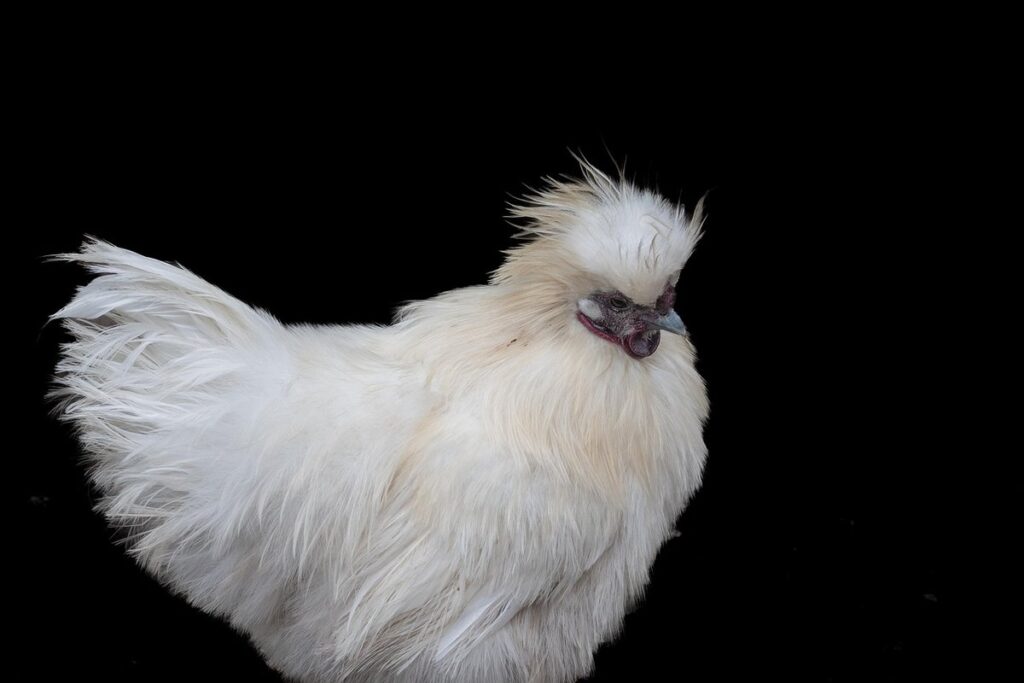
Another important consideration is noise level. If you live in an urban area or have noise restrictions, it’s essential to choose a breed that is relatively quiet. The Silkie breed, for example, is known for its gentle clucking and soft noises, making them an ideal choice for city dwellers. On the other hand, some breeds like the Plymouth Rock can be quite vocal.
Temperament is also a vital factor in selecting a white egg-laying breed. Some breeds are friendly and docile, while others can be more aggressive or skittish. If you have children or plan to handle your chickens frequently, it’s best to choose a breed with a calm temperament, such as the Easter Egger.
Ultimately, considering these factors will help you find a white egg-laying breed that fits your lifestyle and needs.
Popular Large-Scale Breeds for High Egg Production
If you’re looking to maximize egg production on a large scale, there are several breeds that excel in this area. Among them, Leghorns and Cornish hens stand out for their impressive egg-laying capabilities.
Leghorns are perhaps the most well-known breed for high egg production, capable of laying up to 320 eggs per year. This Italian origin breed has been selectively bred over centuries to prioritize egg size and quantity, making them an ideal choice for large-scale commercial operations.
Cornish hens, on the other hand, may not be as prolific in terms of sheer numbers, but they more than make up for it with their exceptional laying consistency. They typically lay around 200-250 eggs per year and are known for their friendly temperament, making them a popular choice among farmers who value ease of management.
To get the most out of these breeds, focus on providing optimal living conditions, including adequate space, nutrition, and healthcare.
Understanding the Genetics of White Egg Laying
So you want to know what makes a chicken lay white eggs? The genetics behind it are pretty fascinating, and we’re about to dive into the details.
The Science Behind Egg Coloration
When it comes to egg coloration, it’s not just about aesthetics – there are some fascinating genetic factors at play. The color of an eggshell is determined by the presence or absence of two main pigments: melanin and oocyanin.
Melanin is a well-known pigment responsible for skin and hair color in humans, but it also plays a crucial role in determining eggshell color. In birds, melanin comes from the diet and is stored in specialized cells called melanosomes. If there’s an abundance of melanin, it can produce shades of brown or even black on the eggshell.
On the other hand, oocyanin is responsible for producing blue and green pigments. However, white eggs owe their color to the absence of both melanin and oocyanin. This means that white-egg laying breeds lack these pigment-producing cells altogether.
To achieve white eggs in your own flock, focus on feeding a balanced diet rich in antioxidants and providing adequate calcium supplements. Avoid introducing too many new foods at once, as this can stress your birds and potentially cause changes in eggshell coloration. Regular health checks and proper breeding practices will also contribute to maintaining the desired egg color in your white-egg laying breed.
Breeds with High Consequences for Eggshell Color Genes
When it comes to white egg laying breeds, some have a higher concentration of eggshell color genes that can impact their ability to lay white eggs consistently. Breeds such as the Leghorn, Polish, and Campine are known to have a greater influence from these genes.
The Leghorn breed, for instance, has a dominant gene that contributes to a range of eggshell colors, including light brown and pink. While some Leghorns will produce pure white eggs, many others will lay eggs with a tint or speckles due to the interaction between this gene and other genetic factors. To minimize the occurrence of colored eggs in your flock, it’s essential to ensure you’re breeding from birds that consistently produce white eggs.
Polish and Campine breeds also exhibit similar traits, making them more prone to producing eggs with imperfections such as pink or brown tints. If you’re looking to establish a pure white egg laying breed, carefully selecting your breeding stock and focusing on genetics can help mitigate the effects of these dominant genes. Consider conducting genetic testing to identify birds that carry the recessive genes responsible for pure white egg production.
History and Origins of White Egg Laying Breeds
Let’s take a step back in time and explore how white egg laying breeds came to be, tracing their history from ancient origins to modern-day favorites.
Ancient Origins of Egg-Laying Fowl
The earliest evidence of domesticated fowl dates back to around 6000 BC in Southeast Asia. Archaeologists have discovered that these early birds were likely jungle fowl and red jungle fowl, which are the ancestors of many modern-day egg-laying breeds. These primitive birds would lay eggs in various colors, including white, but it’s believed that selective breeding over time led to a higher concentration of white eggs.
One of the key factors contributing to the development of white egg-laying breeds was the introduction of new fowl from the Middle East and Europe. The Egyptian and Roman empires prized these birds for their meat and eggs, further accelerating selective breeding. As trade routes expanded, different breeds were crossed, resulting in the creation of various strains with desirable traits.
The modern-day white Leghorn breed is a direct descendant of one such strain, developed in Italy from the 19th century. The Leghorn’s high egg production, combined with its light weight and energetic nature, made it an ideal choice for commercial farming. Today, many other breeds have been developed using similar selective breeding techniques, resulting in the diverse array of white egg-laying breeds we see today.
European Breeds Influencing Modern-Day Production
European breeds have had a profound impact on modern-day production of white egg-laying strains. One notable example is the Leghorn, which originated in Italy and has since become a staple in many commercial flocks around the world. These birds were selectively bred for their high egg production, with some hens laying up to 300 eggs per year.
Their influence can be seen in breeds such as the Hy-Line and the Isa Brown, both of which are hybrids developed from Leghorn stock. These modern strains have built upon the foundational traits of the original breed, resulting in higher egg numbers and improved feed efficiency.
The introduction of European breeds has also driven innovation in breeding programs, with many commercial producers now prioritizing selection for desirable traits such as eggshell strength and size. This focus on genetic improvement has led to a significant increase in productivity, allowing farmers to meet growing demand for white eggs while minimizing costs.
By incorporating the best qualities from European breeds into their own flocks, producers can tap into this rich history and drive continued success in modern-day production.
Hybrid and Crossbreeding Techniques for Enhanced Productivity
To further boost productivity, we’ll explore innovative hybrid and crossbreeding techniques that can be applied to your white egg laying flock. These methods can yield impressive results when done correctly.
The Science Behind Creating High-Yielding Hybrids
When it comes to commercial poultry farming, hybridization techniques play a crucial role in enhancing productivity in white egg-laying breeds. By crossbreeding high-performance parent lines, farmers can create hybrids that excel in areas such as egg production, size, and quality. This process involves selecting the best traits from each parent line and combining them to create a superior offspring.
One common method used is the double-cross breeding technique, where two high-yielding breeds are crossed to produce a first-generation hybrid (F1), which is then backcrossed with another breed to produce a second-generation hybrid (F2). This technique has been successful in increasing egg production by up to 20% compared to single-breed flocks.
Farmers can also use embryo transfer technology to enhance hybrid vigor. By transferring embryos from high-performing parent birds into surrogate hens, farmers can increase the chances of producing high-quality offspring with desirable traits such as large eggs and improved fertility rates.
Examples of Successful Breeds Resulting from Crossbreeding
Crossbreeding has played a significant role in the development of many high-performing egg-laying breeds. One notable example is the Leghorn-Muscovy crossbreed, which combines the prolific egg-laying abilities of Leghorns with the hardiness and cold tolerance of Muscovy ducks. This hybrid breed can lay up to 300 large white eggs per year.
Another successful crossbreed is the Plymouth Rock-Barred Plymouth Rock, known for its robust constitution and impressive egg production. By crossing two popular breeds, farmers have created a high-yielding bird that lays an average of 280-290 brown or white eggs per year.
The Leghorn-Coturnix crossbreed has also proven to be a successful combination, yielding birds that are incredibly prolific egg-layers. With the right care and management, these hybrid chickens can lay up to 320 large white eggs annually. These examples demonstrate how carefully selected breeding programs can enhance desirable traits in chickens, ultimately leading to improved productivity and profitability for farmers.
Raising White Egg Laying Breeds for Beginners
If you’re just starting out with white egg laying breeds, don’t worry – we’ll walk you through everything you need to know to raise happy and healthy hens. Let’s start with some breed basics.
Essential Care and Nutrition Requirements
When it comes to raising white egg-laying breeds, providing the right care and nutrition is crucial for optimal health and productivity. A well-balanced diet will ensure that your birds are producing high-quality eggs while also maintaining their overall health.
First and foremost, provide your flock with a high-protein layer feed specifically formulated for egg production. This should account for around 16-18% of the feed’s protein content. Supplementing with fresh fruits and vegetables daily can add essential vitamins and minerals to their diet. Some great options include leafy greens like kale or spinach, as well as juicy berries such as strawberries or blueberries.
In addition to a nutritious diet, make sure your birds have access to fresh water at all times. A clean and well-maintained coop is also vital in keeping your flock healthy. Ensure that the coop has adequate ventilation to prevent ammonia buildup from droppings and urine. Regular cleaning of the coop and equipment will help maintain optimal health and reduce the risk of disease.
Aim for a minimum of 14-16 hours of light per day, as some breeds require additional lighting during winter months to promote egg production.
Tips for Building a Thriving Flock
Building a thriving flock of white egg laying breeds requires careful consideration and attention to several key factors. First and foremost, disease prevention is crucial to maintaining the health and well-being of your birds. Regular vaccinations, a balanced diet, and plenty of clean water will go a long way in keeping diseases at bay.
In terms of habitat considerations, make sure your coop provides ample space for your hens to roam and exercise. Aim for at least 3-4 square feet per bird inside the coop, and an additional 8-10 square feet in the run. Don’t forget to provide plenty of ventilation and natural light to promote happy and healthy birds.
Monitoring techniques are also essential in building a thriving flock. Regularly check your hens’ feed consumption, egg production, and overall health. Keep an eye out for signs of stress or illness, such as changes in appetite or droppings. By staying on top of these factors, you’ll be well-equipped to identify and address any potential issues before they become major problems.
Challenges Facing Commercial White Egg Laying Breeds
While white egg laying breeds are popular among backyard chicken keepers, commercial producers face unique challenges when raising these birds for mass production. This can impact egg quality and availability in stores.
Environmental Factors Affecting Productivity
Commercial white egg-laying breeds are susceptible to environmental factors that can significantly impact their productivity. Temperature fluctuations, for instance, can have a profound effect on the birds’ ability to lay eggs efficiently. High temperatures above 28°C (82°F) can lead to reduced egg production, increased stress levels, and even heat-related illnesses in some cases.
On the other hand, humidity levels also play a crucial role in maintaining optimal productivity. Excessive moisture can lead to respiratory problems and create an ideal environment for diseases like respiratory infections. Conversely, low humidity can cause dehydration, which can negatively affect egg-laying performance.
Farmers should monitor temperature and humidity levels closely to ensure they remain within the recommended range of 18-24°C (64-75°F) and 50-60% relative humidity respectively. By doing so, they can create an optimal environment that supports peak productivity in their white egg-laying breeds. Additionally, providing adequate ventilation, shade, and access to fresh water can further contribute to maintaining a healthy and productive flock.
Emerging Trends in Poultry Farming and Their Impact on White Egg Laying Breeds
As the poultry farming industry continues to evolve, several emerging trends are gaining traction and may significantly impact white egg-laying breeds. One such trend is the growing demand for free-range and organic eggs. As consumers increasingly prioritize animal welfare and environmental sustainability, more farmers are shifting towards these production methods.
This shift can have far-reaching effects on white egg-laying breeds. For instance, free-range systems often require larger spaces, which could lead to changes in breed selection and management practices. Producers may opt for breeds that are better suited to free-range conditions, potentially altering the genetic makeup of commercial flocks.
Another trend is the adoption of precision agriculture technologies, such as data analytics and AI-driven monitoring systems. These tools can optimize feeding strategies, health management, and breeding programs. However, they also require significant investments in infrastructure and training, which may not be feasible for smaller-scale producers.
Frequently Asked Questions
How do I introduce a new white egg laying breed to my existing flock?
Introducing new breeds to your flock requires patience and careful planning. Start by keeping the new birds separated from the rest of the flock for a few days, allowing them to adjust to their new environment before introducing them together under close supervision. Monitor body language and ensure there are no signs of aggression or stress.
What’s the average lifespan of white egg laying breeds?
The average lifespan of white egg laying breeds is around 5-7 years, although some breeds can live up to 10 years with proper care. Factors like nutrition, health conditions, and environmental factors can impact their overall lifespan.
How do I identify a healthy white egg laying breed at a farm or pet store?
Look for birds that appear alert, active, and have bright eyes. Check for clean living conditions, adequate ventilation, and access to fresh food and water. Inspect the birds’ feathers, beak, and legs for any signs of disease or parasites.
Can I raise white egg laying breeds in a small backyard setting?
Yes, with proper planning and care, you can successfully raise white egg laying breeds in a small backyard setting. Research breed-specific requirements, such as space needs and nutrition, to ensure you’re providing the best possible environment for your birds.
What are some common health issues affecting white egg laying breeds?
Common health issues include respiratory problems, mites, lice, and parasites. Regular vaccinations, good hygiene practices, and a balanced diet can help prevent many of these issues. Consult with a veterinarian or experienced poultry breeder to determine the best approach for your flock.