
Cleaning your chickens’ feeders and waterers might not be the most glamorous task, but trust us, it’s crucial for their health and well-being. A dirty feeder or waterer can harbor bacteria and germs that can spread diseases among your flock. If you’re a backyard chicken keeper, you know how important it is to keep your girls healthy and happy. In this article, we’ll show you the simple steps to clean your chicken feeders and waterers properly, using eco-friendly cleaning options that are safe for both you and your birds. We’ll also share some valuable tips on regular maintenance schedules to ensure your chickens stay healthy and productive. By following these easy-to-implement practices, you can prevent diseases, boost egg production, and enjoy a happy and thriving flock.
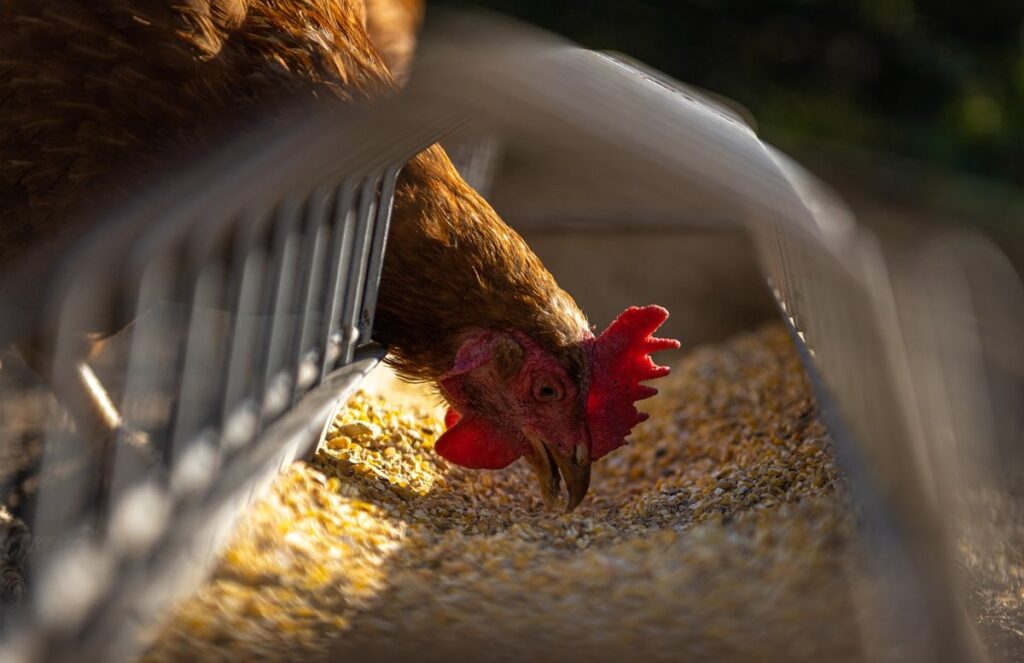
Importance of Clean Feeders and Waterers
Cleaning chicken feeders and waterers is crucial for maintaining a healthy flock, so let’s dive into the importance of these often-overlooked tasks. This section will explore the reasons why cleanliness matters when it comes to your birds’ food and water sources.
Health Risks Associated with Dirty Feeders and Waterers
Dirty feeders and waterers can pose significant health risks to your chickens. One of the most serious diseases associated with unclean feeding and watering equipment is coccidiosis. This parasitic infection can cause diarrhea, weight loss, and even death in severe cases. If left unchecked, coccidiosis can spread rapidly through a flock, making it essential to clean feeders and waterers regularly.
Respiratory infections are another common health issue linked to dirty feeding and watering equipment. Dust and bacteria accumulated on surfaces can irritate your chickens’ lungs, causing chronic coughing, sneezing, and difficulty breathing. Regular cleaning of feeders and waterers can help prevent these problems by removing debris and bacteria that can exacerbate respiratory issues.
To maintain a healthy flock, it’s crucial to prioritize regular cleaning of feeding and watering equipment. This involves daily inspection and removal of any debris or food residue, followed by a thorough sanitizing with soap and water. By taking these simple steps, you can protect your chickens from the health risks associated with dirty feeders and waterers.
Benefits of Regular Cleaning
When you regularly clean your chicken feeders and waterers, you’re not just keeping them tidy – you’re also giving your birds a healthy environment to thrive in. Improved bird health is one of the most significant benefits of regular cleaning. When feeders and waterers are dirty, bacteria and other pathogens can multiply rapidly, putting your chickens at risk of disease. By keeping these areas clean, you reduce the likelihood of illness spreading through your flock.
Regular cleaning also has a direct impact on egg production. When hens are healthy and happy, they’re more likely to lay eggs consistently. In fact, studies have shown that even small improvements in cleanliness can lead to significant increases in egg production. For example, one study found that when feeders and waterers were cleaned regularly, egg production increased by up to 10% within just a few weeks.
In addition to improved health and egg production, regular cleaning also helps prevent pests and rodents from taking over your coop. By keeping feeders and waterers clean, you’re making it harder for unwanted critters to find food and shelter – which means less stress for you and your birds!
Choosing the Right Cleaning Supplies
To effectively clean chicken feeders and waterers, you need the right cleaning supplies on hand. This includes a variety of essential tools and products to get the job done efficiently.
Types of Cleaning Products for Feeders and Waterers
When it comes to cleaning chicken feeders and waterers, you’ll want to choose a cleaning product that’s safe for use around poultry while effectively removing dirt, grime, and bacteria. There are several types of cleaning products available, each with its own pros and cons.
Natural cleaning products are a popular choice among backyard chicken keepers. These options typically feature plant-based ingredients like vinegar or baking soda, which are gentle on surfaces yet tough on stains. For example, a mixture of equal parts water and white vinegar can help dissolve mineral deposits and sanitize the feeder or waterer. However, natural products may not provide long-lasting protection against bacterial growth.
Chemical-based cleaning products offer more potent disinfectant properties but require caution to avoid harming your chickens or contaminating their food and water. Always read labels carefully and follow instructions for use to minimize risks.
You can also create your own homemade cleaning solutions using common household ingredients like bleach, dish soap, or essential oils. However, be sure to test a small area first to ensure the solution doesn’t damage the feeder or waterer material.
Eco-Friendly and Natural Cleaning Options
When it comes to cleaning chicken feeders and waterers, using eco-friendly and natural options is not only good for the environment but also safe for your feathered friends. One of the most effective and affordable natural cleaners is baking soda. Mix 1-2 tablespoons of baking soda with warm water to create a paste that can tackle tough stains and odors. Apply the paste to the feeder or waterer, let it sit for 15-30 minutes, and then scrub with a soft brush and rinse thoroughly.
Another great option is white vinegar. This natural disinfectant can help remove mineral deposits and kill bacteria that can cause health issues in chickens. Mix equal parts water and vinegar in the feeder or waterer and let it sit for 10-15 minutes before rinsing with clean water. You can also add a few drops of essential oils like tea tree oil or lemon oil to the mixture for added antimicrobial properties.
Remember to always spot test any cleaning solution on an inconspicuous area first to ensure your chickens won’t have any adverse reactions. By using these eco-friendly and natural cleaners, you’ll be creating a healthier environment for your flock while reducing your carbon footprint.
Pre-Cleaning Preparation and Safety Measures
Before you start cleaning, it’s essential to prepare yourself and your workspace to avoid any potential risks or messes. This includes taking a few simple precautions to ensure a safe and effective cleaning process.
Preparing the Feeder or Waterer for Cleaning
Before you start cleaning your chicken feeder or waterer, it’s essential to prepare them properly. Remove any remaining feed, debris, or waste from the equipment by dumping out the contents and giving it a quick shake to loosen any stuck-on particles.
Next, inspect the feeder or waterer for stubborn stains or buildup. If you notice any tough spots, mix baking soda and water to create a paste, and apply it directly to the affected area. Let it sit for about 15-20 minutes to allow the mixture to penetrate and break down the grime. Scrub away the stain using a soft-bristled brush or a non-abrasive scrubber, making sure not to scratch the surface.
Rinse the feeder or waterer thoroughly with warm water to remove any remaining debris, paste, or cleaning solution. Make sure to clean all areas, including corners and crevices, where bacteria can accumulate. If your feeder or waterer has a removable part, such as a lid or tray, be sure to wash it separately to prevent cross-contamination.
Safety Precautions When Cleaning Feeders and Waterers
When it comes to cleaning chicken feeders and waterers, safety should always be your top priority. To avoid potential health risks, start by putting on a pair of gloves before you begin the cleaning process. This will protect your skin from coming into contact with bacteria, viruses, or other pathogens that may be present in the feeders and waterers.
Next, work in a well-ventilated area to prevent inhaling dust, mold, or mildew spores that can exacerbate respiratory issues. Open windows or doors to ensure good airflow, or use an exhaust fan to remove airborne particles. When working with electrical components, such as automated feeders, avoid exposing yourself to potential electrical shocks by keeping the area dry and free from water.
Regular cleaning will also help prevent pest infestations in your coop. Cleaning chicken feeders and waterers regularly can also help prevent pests like mites, lice, or rodents from inhabiting the surrounding areas.
Additionally, make sure you clean and disinfect all surfaces with a solution of 1 part bleach to 9 parts water. Rinse thoroughly and let air dry before refilling with food and water.
Steps for Cleaning Feeders and Waterers
Now that we’ve discussed why cleaning is crucial, let’s dive into the practical steps to clean your chicken feeders and waterers effectively. This includes preparation, scrubbing, and sanitizing methods.
Cleaning the Feeder
Removing old feed from the feeder is an essential step in cleaning it thoroughly. Start by dumping out any remaining feed into a bin or container for disposal. This will prevent mold and bacteria from spreading to other areas of the coop. If some feed has been stuck to the feeder, use a soft-bristled brush or a clean cloth to gently remove it.
Next, scrub away any stains or mineral deposits using a mixture of mild dish soap and warm water. A gentle scrubber or sponge will help loosen tough stains without scratching the feeder. Be sure to rinse the feeder thoroughly with clean water to remove any soap residue. This step is crucial in preventing bacterial growth and ensuring your flock’s health.
As you’re rinsing, take a moment to inspect the feeder for any damaged or worn-out parts. Replace these items promptly to prevent further contamination and ensure the feeder continues to function properly.
Cleaning the Waterer
Draining the water from your chicken’s waterer is an essential step in maintaining their health and preventing bacterial growth. To start, remove any feeders or accessories from the waterer to ensure a thorough cleaning process. Next, dump out any remaining water and rinse the waterer with warm water to dislodge any debris.
Now it’s time to tackle those mineral deposits that can form over time, leaving behind unsightly stains and even affecting your chickens’ taste for water. Mix 1 cup of white vinegar with 1 gallon of water in the waterer, allowing it to sit for about an hour. This solution will help break down and dissolve any mineral buildup.
After the solution has sat for a while, use a soft-bristled brush or scrubber to gently scrub away at the deposits. Rinse the waterer thoroughly with warm water until all residue is removed. Finally, inspect the waterer’s parts and replace any worn-out components, such as worn-out spigots or cracked plastic pieces.
By following these steps, you’ll be able to keep your chickens’ waterer clean and free of bacteria, ensuring they stay healthy and happy. Regular cleaning will also prevent mineral buildup from becoming a persistent problem.
Regular Maintenance Schedules for Feeders and Waterers
To keep your chicken feeders and waterers in top condition, it’s essential to establish a regular maintenance schedule that fits your flock’s needs and your busy lifestyle. This includes daily, weekly, and monthly tasks.
Daily and Weekly Cleaning Tasks
To keep your chicken feeders and waterers clean and hygienic, it’s essential to establish a regular maintenance schedule. Daily and weekly tasks are crucial to prevent the buildup of bacteria, mold, and other contaminants that can harm your flock.
Daily cleaning tasks should include quickly sweeping or rinsing out any debris from the feeder or waterer after each use. This will help prevent large chunks of food or feed waste from accumulating and becoming a breeding ground for germs. For example, if you notice a spill or mess in the morning, take a few minutes to wipe it down with a damp cloth.
On a weekly basis, dedicate some time to thoroughly cleaning your feeders and waterers. Start by scrubbing them with soap and warm water, paying attention to any stubborn stains or mineral deposits. Be sure to rinse them thoroughly to remove all soap residue, which can be toxic to chickens. Additionally, check for signs of wear and tear, such as cracks or broken parts, and replace any damaged equipment immediately.
By incorporating these simple daily and weekly tasks into your regular maintenance routine, you’ll be able to keep your feeders and waterers clean, prevent the spread of disease, and ensure a healthy environment for your chickens.
Seasonal Deep Cleaning Tasks
Deep cleaning your chicken feeders and waterers is an essential part of maintaining their hygiene and effectiveness. While regular daily cleaning is crucial, seasonal deep cleaning tasks should also be performed to prevent the buildup of stubborn stains and worn-out parts.
In the spring, after the winter months when moisture can accumulate in the feeders and waterers, it’s a good idea to scrub away any stubborn stains using a gentle abrasive cleaner and warm water. Be sure to rinse thoroughly to remove any soap residue that might be toxic to your chickens.
For waterers, consider replacing worn-out parts like rubber gaskets or O-rings during this time. This will ensure that the waterer is functioning properly and preventing bacterial growth.
In the fall, as the weather cools down, take the opportunity to give your feeders and waterers a thorough cleaning with a solution of 1 part white vinegar to 9 parts water. This will help remove any dirt or debris that may have accumulated during the summer months. Don’t forget to rinse everything thoroughly to prevent any residual cleaner from affecting your chickens’ health.
Remember, regular deep cleaning will not only keep your feeders and waterers clean but also help maintain a healthy environment for your flock.
Common Mistakes to Avoid When Cleaning Feeders and Waterers
When cleaning your chicken feeders and waterers, it’s easy to overlook some crucial details that can make a big difference in keeping your flock healthy. Don’t make these common mistakes.
Overlooking Hidden Areas
When it comes to cleaning chicken feeders and waterers, it’s easy to get caught up in scrubbing the visible areas and forgetting about the hidden crevices and corners where bacteria can accumulate. These tight spaces are breeding grounds for pathogens that can make your flock sick, so it’s essential to give them some extra attention.
Use a soft-bristled brush or an old toothbrush to reach into the small crevices of feeders and waterers. This will help loosen any debris or food residue stuck in these areas. For particularly stubborn buildup, you can soak the feeder or waterer in a solution of 1 part white vinegar to 9 parts water for about 10-15 minutes before scrubbing.
Remember, a clean feeder is not just about aesthetics; it’s also crucial for maintaining your flock’s health. Bacteria and pathogens can thrive in moist environments, which means that dirty feeders and waterers can quickly become breeding grounds for disease. By paying attention to the hidden areas, you’ll be taking a proactive step towards keeping your chickens healthy and happy.
Not Using the Right Cleaning Supplies
Using the right cleaning supplies for chicken feeders and waterers is crucial to maintain their cleanliness and ensure the health of your flock. The wrong chemicals can harm chickens, causing respiratory problems, skin irritation, and even death.
When it comes to cleaning feeders and waterers, it’s essential to avoid abrasive chemicals like bleach or ammonia. These strong disinfectants can leave toxic residues on surfaces that your chickens will come into contact with while eating or drinking. Instead, opt for gentle, poultry-safe cleaning products specifically designed for animal enclosures.
Some examples of safe cleaning supplies include white vinegar, baking soda, and mild dish soap. For example, you can mix equal parts water and white vinegar in a feeder to create a sanitizing solution. After cleaning and rinsing the feeder, dry it thoroughly with a clean towel to prevent bacterial growth.
Remember to always read the labels on your cleaning products carefully, and choose those that are labeled as safe for use around animals or poultry. By using the right cleaning supplies, you’ll be able to keep your chicken feeders and waterers hygienic and free of bacteria, ensuring a healthy environment for your flock.
Frequently Asked Questions
What if I have a large flock, can I clean the feeders and waterers more frequently?
Yes, it’s highly recommended to increase the cleaning frequency for larger flocks, especially during peak production seasons or when introducing new birds to the flock. Consider cleaning feeders daily and waterers every other day to prevent disease spread and maintain your flock’s health.
How do I know if I’ve missed any hidden areas while cleaning?
Regularly inspect feeders and waterers for hidden crevices, cracks, or corners where bacteria and germs can accumulate. Use a soft-bristled brush or a scrubber with fine bristles to clean these hard-to-reach areas. If you’re unsure, consider disassembling the feeder or waterer for thorough cleaning.
Can I use bleach or harsh chemicals to sanitize feeders and waterers?
No, it’s not recommended to use bleach or harsh chemicals to clean your chickens’ feeders and waterers. These substances can leave toxic residues that harm your birds or contaminate their food and water. Instead, opt for eco-friendly cleaning products specifically designed for animal health.
What if I accidentally expose my flock to a disease-causing pathogen while cleaning?
If you suspect exposure to a disease-causing pathogen during cleaning, immediately consult with a veterinarian or experienced chicken keeper for guidance on next steps. This may involve administering antibiotics or taking other preventative measures to protect your flock’s health.
How often should I clean and disinfect the feeder and waterer handles?
Clean and disinfect feeder and waterer handles regularly, ideally after each use or at least once a week, depending on your flock’s size and activity level. This will help prevent cross-contamination between birds and ensure cleanliness is maintained throughout the day.