
Are you ready to fall in love with one of the most charming breeds of backyard chickens? Look no further than the adorable Cochin Bantam! These petite, fluffy birds have captured the hearts of many chicken enthusiasts, and for good reason. Not only are they stunningly beautiful, but they’re also known for their gentle nature, making them a perfect addition to families with children or for experienced breeders looking for a new challenge.
In this ultimate guide, we’ll delve into the history of Cochin Bantams, exploring what sets them apart from other breeds. We’ll cover their unique characteristics, including their distinctive feathering and compact size, as well as provide expert advice on caring for these lovable birds. Whether you’re a seasoned breeder or just starting out, our guide will give you the inside scoop on breeding Cochin Bantams successfully. Get ready to discover everything you need to know about this beloved breed!
History and Origin
The Cochin bantam chicken‘s rich history dates back centuries, originating from the majestic Cochins of China. Let’s take a step back in time to explore their fascinating roots.
Origins of the Breed
The origins of the Cochin Bantam breed date back to ancient China, where these charming chickens were highly prized for their unique characteristics. The breed’s development is deeply rooted in Chinese culture and history, with evidence suggesting that they existed as far back as the Ming dynasty (1368-1644). The Chinese valued these bantams not only for their impressive size, but also for their striking appearance, gentle nature, and ability to thrive in a variety of climates.
As Chinese traders traveled extensively throughout Asia, they introduced the Cochin Bantam breed to other parts of the continent. From there, it spread to Europe, where it quickly gained popularity among chicken enthusiasts due to its exceptional qualities. The breed was further developed in England during the 19th century, where it was crossed with other breeds to create new varieties.
The unique characteristics that made the Cochin Bantam so highly valued have remained largely unchanged over time. Their compact size, calm demeanor, and beautiful plumage continue to make them a favorite among chicken keepers today.
Early Importation to Europe
The Cochin Bantam’s journey to Europe began through trade routes and royal courts. In the 17th century, Dutch traders brought exotic breeds from Asia to their colonies in South Africa, where they developed the foundation of what would become the Cochin breed. The breed eventually made its way into European royal courts, particularly that of King Louis XIV in France.
King Louis XIV was enamored with the Cochin’s unique appearance and sought to import more birds to his palace. As a result, the Cochin became a staple at French royal gatherings, further fueling their popularity across Europe. The breed’s striking appearance and charming temperament made it an instant hit among European nobility, who prized them as pets.
Notable figures like Queen Victoria also played a role in popularizing the Cochin Bantam. She was particularly fond of the breed and kept many on her estates, helping to cement their status as a beloved companion bird. Today, enthusiasts can still find Cochin Bantams thriving in backyard flocks across Europe, thanks to the efforts of these early importers and royal patrons.
Characteristics and Temperament
When it comes to personality, Cochin bantams are known for being gentle, docile birds that make great additions to families and backyard flocks. They’re also extremely social animals.
Physical Description
When it comes to the physical description of Cochin Bantam chickens, one of their most distinctive features is their compact size. Adult Cochin Bantams typically weigh between 1-2 pounds and stand about 10-12 inches tall, making them a delightfully small addition to any backyard flock.
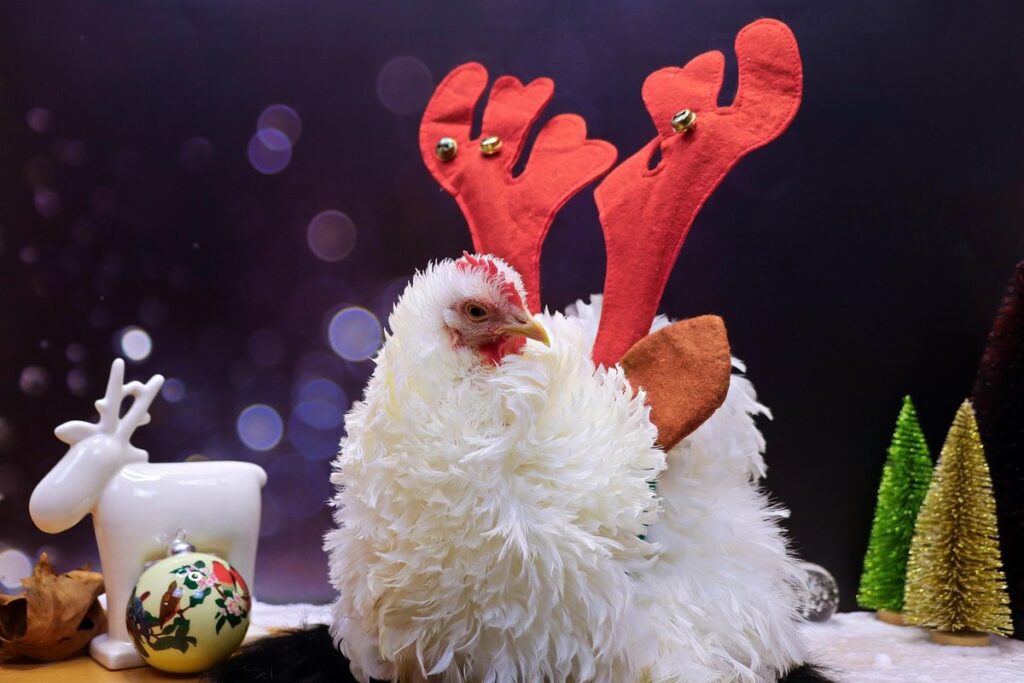
Their plumage is another standout characteristic – soft, fluffy, and utterly adorable. The Cochin Bantam’s feathers are loosely fitting, giving them a gentle, rounded appearance that’s both charming and endearing. You’ll find that their feathers come in an assortment of colors, including black, blue, buff, copper, red, silver, white, and wheaten.
In terms of feather patterns, the Cochin Bantam is known for its intricate and beautiful markings. They often display a mix of solid colors and subtle shading effects, creating a rich tapestry of hues across their plumage. If you’re planning to raise Cochin Bantams, it’s worth noting that their unique coat patterns can vary depending on factors like genetics and environmental conditions – but with proper care and attention, they’ll always be a joy to behold.
Temperament and Personality
Cochin bantams are renowned for their exceptional temperament, making them an ideal addition to backyard flocks and families with children. These gentle birds are known to be docile, calm, and affectionate, which makes them a delight to have around.
One of the most notable traits of Cochin bantams is their adaptability. They can thrive in small spaces, such as apartments or backyards, provided they receive regular care and attention. Their friendly nature allows them to integrate seamlessly into existing flocks, reducing the likelihood of conflict and stress.
If you’re considering bringing Cochin bantams into your family, here are a few tips to ensure a smooth transition: start by introducing them slowly to other pets in the household; provide plenty of space for exercise and exploration; and engage with them regularly through gentle handling and socialization. With proper care and attention, these charming birds will reward you with years of companionship and joy.
Care and Management
Caring for Cochin bantam chickens requires attention to their specific needs, including space, diet, and health checks to prevent issues. With proper management, you can enjoy a happy and thriving flock.
Housing Requirements
When it comes to housing your Cochin Bantams, providing a safe and comfortable living space is crucial for their overall well-being. A good rule of thumb is to allocate at least 2-4 square feet of coop space per bird inside the coop, with an additional 8-10 square feet of outdoor run space.
In terms of ventilation, ensure that your coop has proper airflow by including windows or vents that allow for cross-ventilation. This will help maintain a healthy environment and prevent ammonia buildup from droppings. A minimum of one nesting box per three hens is also essential, with dimensions of at least 12 inches wide, 12 inches deep, and 18 inches tall.
Consider adding roosts or bars inside the coop for your birds to roost on at night, providing a comfortable spot for them to rest. Make sure the nesting boxes are located in a quiet area, away from drafts, and protected from predators.
Diet and Nutrition
When it comes to feeding your Cochin Bantams, their unique characteristics require special attention. As you know, these birds are naturally friendly and docile, which makes them a great addition to any backyard flock. However, their compact size means they have different dietary needs compared to larger chicken breeds.
First and foremost, provide a high-quality starter feed specifically formulated for bantam chickens. This will ensure your Cochin Bantams get the necessary nutrients during their critical growth phase. A good starter feed should contain around 18-20% protein, which is ideal for young birds.
As they mature, switch to a layer feed with around 16-18% protein content. However, keep in mind that some experts recommend feeding Cochin Bantams a balanced game bird feed or even a high-protein broiler feed due to their exceptional egg-laying capabilities.
Health Considerations
When it comes to owning a Cochin Bantam, it’s essential to consider their specific health needs to ensure they thrive in your care. We’ll cover some key factors to watch out for in this section.
Common Health Issues
As with many breeds, the Cochin Bantam is prone to certain health issues that can impact their quality of life. One common problem is obesity, which can be caused by overfeeding or a lack of exercise. Regular monitoring of food intake and ensuring plenty of space for movement are crucial in preventing this condition.
Respiratory issues are another concern for Cochin Bantams, particularly in hot or humid climates. These birds can be prone to wheezing and coughing due to their compact build and tendency to huddle together in dense groups. To mitigate this risk, it’s essential to provide a well-ventilated coop and keep the birds’ living area clean.
Feather picking is also a common issue among Cochin Bantams, often caused by stress or boredom. This behavior can lead to feather loss, skin irritation, and even infections if left unaddressed. Encouraging social interaction through playtime and providing stimulating activities can help reduce this problem.
Some owners may notice that their Cochin Bantam develops a condition where its eyelids turn inwards, causing redness and discomfort. Regular eye checks by a veterinarian can help identify potential issues early on.
Preventative Measures and First Aid
Proper care and attention are crucial in preventing illnesses and maintaining the overall health of your Cochin Bantam flock. Ensure their living quarters are clean and well-ventilated to reduce the risk of respiratory problems. Regularly collect droppings, wash feeders, and provide fresh water to maintain a hygienic environment.
Monitor your birds’ behavior and appearance daily for signs of illness, such as labored breathing, lethargy, or changes in appetite. Early detection is key in preventing the spread of diseases. Be prepared to treat minor injuries promptly with basic first aid techniques.
For minor cuts or scratches, gently clean the area with a mild antiseptic solution, and apply a thin layer of petroleum jelly or antibiotic ointment to promote healing. For broken wings or legs, keep the affected bird quiet and still for 24 hours, providing it with a soft bed of straw or paper towels to reduce discomfort.
In case of respiratory issues, consult a veterinarian immediately as these can quickly escalate into more serious health concerns. Keep your Cochin Bantams up-to-date on vaccinations and schedule regular check-ups with a poultry expert to ensure their optimal health.
Breeding and Showing
When it comes to Cochin bantam chickens, breeding them for desirable traits and showing off your prize birds are essential aspects of their care. This section will guide you through both processes.
Raising Chicks and Pullets
Raising Cochin Bantam chicks and pullets requires careful attention to their specific needs. From brooding to vaccination and socialization, it’s essential to provide the right environment for them to grow into healthy and confident birds.
When brooding Cochin Bantam chicks, a heat source is crucial to maintain a temperature of around 90-100°F (32-38°C) for the first week or so. You can use a heat lamp or a heat mat, but ensure it’s placed safely out of reach of the chicks. Also, provide a shallow dish of water and a brooder box with adequate ventilation.
Vaccinations are not strictly necessary for Cochin Bantams, as they have a strong immune system, but it’s still recommended to consult with a veterinarian to determine the best approach. When introducing pullets to your flock, make sure to follow a gradual socialization process to avoid stressing them out.
Start by placing the new arrivals in a separate enclosure and letting them get accustomed to their new environment. Then, gradually introduce them to the existing flock under close supervision. This will help prevent any conflicts or stress on the birds.
Keep in mind that Cochin Bantams can be quite friendly, so it’s essential to socialize them well from an early age to make handling and interaction easier. With proper care and attention, your Cochin Bantam chicks and pullets will grow into beautiful, confident birds that bring joy to your flock.
Show Standards and Regulations
When it comes to showing your prized Cochin bantams, understanding and adhering to the breed’s show standards is crucial. The American Bantam Association (ABA) and the American Poultry Association (APA) are two of the major poultry associations that govern the registration and exhibition of Cochins.
To be a winning bird, your Cochin must demonstrate exceptional feather quality, with tight, smooth plumage that showcases its rich, iridescent colors. Judges look for even spacing, depth, and length of feathers, particularly on the hackles, saddle, and tail. A well-proportioned body, sturdy legs, and alert demeanor are also essential.
To ensure your Cochin meets these standards, register it with a reputable association like the ABA or APA. This will provide you with access to breed-specific guidelines, expert advice, and opportunities to connect with experienced breeders and show enthusiasts. Be prepared to submit detailed records of your bird’s ancestry, health, and conformation when registering.
By understanding and adhering to these standards, you’ll be well on your way to raising a top-notch Cochin bantam that can shine in the show ring.
Conclusion
As we reach the end of our journey into the charming world of Cochin bantam chickens, let’s summarize what you’ve learned so far. This final section will recap key takeaways and provide a fresh perspective on these lovable birds.
Recap of Key Points
In this comprehensive guide, we’ve covered everything you need to know about Cochin Bantam chickens. From their rich history and origins to the essential care and health considerations, we’ve provided a thorough understanding of these delightful birds.
To recap, Cochin Bantams have a long history dating back to ancient China, where they were bred as ornamental pets for royalty. They are a small but sturdy breed, requiring moderate exercise and space to roam. When it comes to care, remember to provide a balanced diet rich in protein, calcium, and vitamins, and ensure access to clean water at all times.
In terms of health considerations, be aware of the risks associated with obesity and respiratory issues. Regular grooming, vaccinations, and parasite control can help prevent these problems. For breeders and show enthusiasts, we’ve discussed the key characteristics and standards for breeding and showing Cochin Bantams.
By following this ultimate guide, you’ll be well-equipped to raise happy, healthy Cochin Bantam chickens in your backyard or on your farm. With their gentle nature and stunning appearance, it’s no wonder why these birds have captured the hearts of chicken enthusiasts worldwide.
Final Thoughts and Recommendations
As you’ve now completed reading through this comprehensive guide to Cochin Bantam chickens, it’s time to summarize the key takeaways and offer parting advice for new and experienced breeders alike. One of the unique qualities that make Cochin Bantams a beloved breed is their affectionate nature – they bond strongly with their owners and are often described as ‘lap chickens.’ To capitalize on this trait, be sure to spend quality time with your birds, handling them gently and regularly.
When introducing Cochin Bantams to new environments or other breeds, remember that they can be a bit skittish initially. Gradually acclimate them to new surroundings by allowing them access to familiar space before exposing them to the unknown. With patience and proper care, these gentle giants will reward you with years of loyalty and entertainment.
Ultimately, Cochin Bantams are not just a breed – they’re family members that require attention, love, and dedication. By embracing their unique qualities and needs, you’ll discover why this breed has captured the hearts of many chicken enthusiasts worldwide.
Frequently Asked Questions
What’s the best way to introduce Cochin Bantams to my family, especially children?
Introducing new pets to families with young children requires patience and careful planning. Start by setting aside a quiet area where your children can interact with the chickens safely. Supervise interactions closely, ensuring gentle handling and respect for the birds’ personal space.
Can I keep Cochin Bantams in small backyard spaces or do they require extensive grounds?
While Cochin Bantams thrive in spacious environments, they can adapt to smaller areas provided you offer a large enough enclosure (at least 2 sq. meters per bird) with proper ventilation and sufficient foraging opportunities. Ensure the coop is well-maintained and kept clean to promote overall health.
How do I prevent common health issues like respiratory problems in my Cochin Bantams?
Preventative measures such as maintaining a clean living environment, ensuring adequate ventilation, providing regular exercise, and keeping your flock’s immune system strong through balanced nutrition are key. Keep an eye out for signs of illness, and consult with a veterinarian if you notice any unusual behavior or symptoms.
Can I breed Cochin Bantams without prior experience in chicken breeding?
While it’s recommended to have some knowledge of poultry breeding before attempting to raise Cochin Bantams, it’s not impossible. Start by studying breed standards, understanding the genetic traits that make a quality bird, and seeking guidance from experienced breeders. With dedication and careful planning, you can successfully breed these lovable birds.
How do I prepare my Cochin Bantams for showing?
If you plan to show your Cochin Bantams, start by researching breed standards and familiarizing yourself with competition rules. Regularly groom and condition your birds to ensure they meet the required standards. Practice handling them gently but firmly to get them accustomed to being handled by strangers.