
Are you fascinated by the majestic beauty and gentle nature of Cochin chickens? If so, you’re in for a treat! These stunning birds have been a favorite among chicken enthusiasts for centuries, and it’s easy to see why. With their unique characteristics, impressive size, and friendly demeanor, Cochin chickens make excellent pets for both beginners and experienced breeders alike.
In this ultimate guide, we’ll delve into the history of these magnificent birds, covering everything from their origins to their rise in popularity as a show-stopping breed. We’ll also share expert tips on caring for your Cochin chickens, including breeding and showing techniques that will help you get the most out of these wonderful birds. Whether you’re a seasoned breeder or just starting out, this article has something for everyone – so let’s dive right in and explore the world of Cochin chickens!
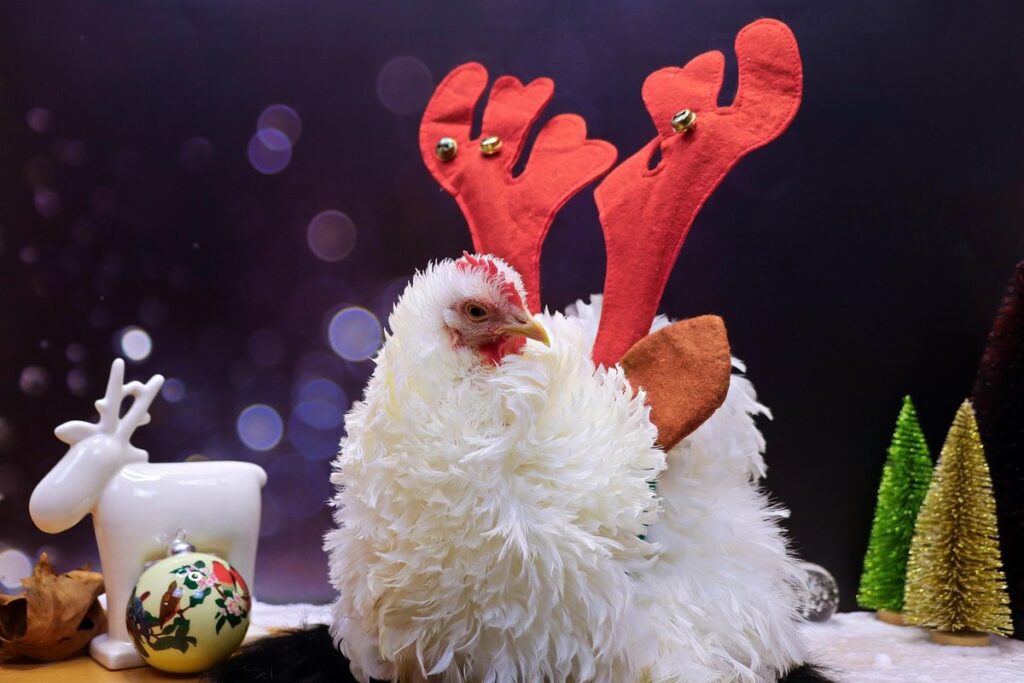
A Brief History of Cochins
Let’s take a stroll down memory lane and explore how Cochins evolved into the lovable, fluffy birds we know and adore today. From their humble beginnings in China to their rise in popularity worldwide.
Origins and Development
The Cochin breed has an intriguing history that spans thousands of years. Its origins can be traced back to China and Southeast Asia, where it was highly valued for its unique appearance and gentle nature. In fact, the name “Cochin” is believed to have originated from the French port city of Cochinchina in Vietnam, which was a major hub for trade with China.
As European breeders encountered these birds, they were immediately drawn to their striking features – large size, fluffy plumage, and calm demeanor. Over time, European breeders selectively bred these birds to accentuate their desirable traits, resulting in the modern Cochin we know today. This selective breeding not only enhanced the breed’s appearance but also solidified its reputation as a gentle giant.
The blend of Chinese and European influences has resulted in a breed that is both majestic and endearing. As you learn more about Cochins, you’ll discover why they’ve remained a favorite among chicken enthusiasts for centuries. With their rich history and distinctive characteristics, it’s no wonder the Cochin breed continues to captivate backyard farmers and hobbyists alike.
Impact on Poultry Industry
Cochins have played a pivotal role in shaping the modern poultry industry. Their influence can be seen in the development of several iconic breeds, including Orpingtons and Langshans. These breeds owe a significant debt to the Cochins, which introduced desirable traits such as improved egg-laying ability and enhanced temperament.
One of the key ways in which Cochins contributed to the evolution of these breeds is through their egg-laying prowess. Originally bred for their exceptional eggs, Cochins were able to pass on this trait to other breeds, significantly improving their overall productivity. For example, Orpingtons, one of the most popular dual-purpose breeds, owe a significant portion of their egg-laying ability to the influence of Cochins.
Today, breeders and farmers continue to recognize the value of incorporating Cochin genetics into their flocks. By doing so, they can improve not only the quality of their eggs but also the temperament of their birds, making them easier to manage and care for. If you’re considering adding Cochins or Cochin-influenced breeds to your flock, don’t underestimate the impact that these gentle giants have had on the development of modern poultry breeds.
Characteristics of Cochins
Cochin chickens are a beloved breed known for their gentle nature and impressive size, making them a popular choice for backyard flocks. Let’s explore some key characteristics that set these stunning birds apart.
Size and Build
When it comes to the size and build of Cochins, one thing is clear: these birds are not for the faint of heart. With roosters weighing up to 13 pounds, they’re definitely one of the larger domesticated chicken breeds out there. But what does this mean for you as a backyard chicken keeper or breeder? For starters, it means that Cochins require plenty of space to roam and exercise.
Their sturdy build and broad, round body shape are also worth noting. This type of build makes them well-suited to free-ranging and foraging, but it also means they need a bit more support when it comes to nesting and perching. When choosing a coop or run for your Cochins, be sure to consider their size requirements – at least 2-3 square feet per bird is recommended.
In terms of overall health, the large size of Cochins can sometimes lead to issues with mobility and joint problems. However, this can be mitigated with regular exercise, a balanced diet, and plenty of fresh water. By keeping an eye on your birds’ weight and providing them with the space they need, you can help prevent these types of issues from arising.
Feathers and Plumage
One of the most distinctive characteristics of Cochins is their stunning plumage. Their feathers are soft and fluffy, making them a delight to handle and gaze at. This unique trait has made them a favorite among breeders who prioritize quality over quantity. When selecting a Cochin for breeding purposes, it’s essential to look beyond just their physical appearance. Instead, pay attention to the texture of their feathers.
A good rule of thumb is to gently rub your hand against the bird’s plumage, feeling for any signs of softness or fluffiness. A high-quality Cochin’s feathers should feel like silk under your touch. You can also check the evenness and density of their plumage by looking at the neck, back, and tail regions.
In breeding programs that focus on quality, this trait is highly valued. For instance, some breeders look for birds with exceptionally long, flowing feathers, while others prefer those with shorter, more compact plumage. Whatever your preference, it’s crucial to remember that a Cochin’s feathers should be soft and easy to handle.
To encourage healthy growth and development in your Cochin’s plumage, provide them with a balanced diet rich in protein, essential vitamins, and minerals. Ensure their living quarters are well-ventilated and draft-free, as this will promote healthy feather growth and reduce the risk of stress-related problems. Regular grooming is also essential to prevent matted or tangled feathers.
Temperament and Health
When it comes to temperament, Cochins are renowned for their gentle nature. They’re often described as “laid-back” and easy-going, making them a great choice for families with children or those new to raising chickens. However, it’s essential to remember that every chicken has its unique personality, and some Cochins may be more assertive than others.
When it comes to health, Cochins are generally robust birds but can be prone to certain issues if not properly cared for. Obesity is a common problem in this breed due to their love of food, so it’s crucial to monitor their diet and ensure they get plenty of exercise. Other potential health concerns include respiratory problems, such as bronchitis, and reproductive issues like egg yolk peritonitis.
To keep your Cochins healthy, make sure to provide a balanced diet that includes fresh fruits and vegetables, and limit their access to treats. Regular check-ups with a veterinarian will also help identify any potential issues early on. With proper care and attention, your Cochins can thrive and enjoy long, happy lives as part of your backyard flock.
Raising Cochins: Tips and Best Practices
If you’re new to raising cochins, these gentle giants can be a delight to care for, but they do require some special attention to thrive. Here are our top tips for ensuring your cochins stay happy and healthy.
Housing and Environment
When it comes to housing and providing an environment for your Cochins, you’ll want to create a space that meets their unique needs. These gentle giants require ample room to move around and exercise, so a large enough enclosure is essential. Aim for at least 2-3 square feet of space per bird inside the coop, and ideally provide access to a fenced outdoor area where they can roam freely.
The outdoor area should be securely fenced to prevent escape or predators from getting in. Consider incorporating features like perches, roosts, and dust baths to keep your Cochins happy and healthy. A safe and sturdy coop will also protect them from harsh weather conditions and potential threats.
To give you a better idea, consider this: a standard 4×8 foot run can accommodate around 5-6 adult Cochins comfortably. However, the more space you provide, the happier and healthier your birds will be. Don’t forget to incorporate some greenery like trees or shrubs into their outdoor area – it’s not only aesthetically pleasing but also provides shade and a sense of security for your flock.
Diet and Nutrition
When it comes to providing for your Cochin flock’s nutritional needs, there are several key considerations to keep in mind. A high-quality feed that is specifically formulated for chickens should be the foundation of their diet. Look for feeds that contain essential vitamins and minerals like calcium, phosphorus, and protein to support strong bone growth and overall health.
In addition to a balanced commercial feed, it’s also important to provide your Cochins with plenty of fresh water at all times. A general rule of thumb is to offer one quart of water per chicken per day, but this can vary depending on factors like climate and individual bird needs. Consider adding a waterer that allows birds to drink without having to dip their beaks in the water, as this can help prevent bacterial contamination.
Fresh vegetables and fruits are also great additions to your Cochin’s diet. Try incorporating chopped carrots, apples, or berries into their feed a few times a week to provide essential fiber and vitamins. Just be sure to introduce new foods gradually and in small amounts to prevent digestive upset.
Health Issues and Prevention
As a Cochin owner, it’s essential to prioritize your flock’s health and well-being. Regular check-ups with a veterinarian can help identify potential health issues early on, allowing you to take preventative measures. This proactive approach can save you from costly treatments down the line.
Some common health issues affecting Cochins include respiratory problems, obesity, and feather pecking. Respiratory issues can be caused by poor ventilation in your coop or exposure to cold temperatures. To prevent this, ensure your coop has adequate airflow and provide a warm, draft-free environment for your birds. Obesity is another concern, especially if you’re overfeeding your Cochins. Stick to a balanced diet and limit treats to avoid weight gain.
To identify potential health issues early on, schedule regular check-ups with a veterinarian experienced in caring for poultry. They can perform physical exams, take samples for testing, and provide guidance on vaccinations and parasite control. By staying vigilant and taking preventative measures, you can keep your Cochin flock healthy and thriving.
Breeding Cochins: Selection and Management
When it comes to breeding Cochins, selecting the right birds for your flock is crucial, so let’s dive into the process of choosing healthy, desirable individuals. Proper management of your Cochin breeding program will also ensure success.
Selecting the Right Breeders
When it comes to selecting breeders for your Cochin flock, quality should always take precedence over quantity. A breeder who prioritizes producing a small number of high-quality birds is more likely to provide you with healthy and thriving chickens.
One way to identify reputable breeders is to look for their emphasis on health and genetics. They will be able to provide you with detailed information about the ancestry of their birds, including bloodlines and genetic testing results. This can help ensure that your flock is free from inherited diseases and disorders.
It’s also essential to inspect the breeder’s facilities and observe how they handle their birds. A clean, well-ventilated coop with ample space for exercise and movement is a sign of a responsible breeder. Avoid breeders who keep their birds in cramped or unsanitary conditions, as this can lead to health issues down the line.
Ultimately, your best bet is to work with a single reputable breeder rather than sourcing from multiple breeders who may prioritize quantity over quality. By doing so, you’ll be more likely to establish a strong foundation for your flock’s health and well-being.
Managing Mating and Fertility
When it comes to managing mating and fertility in your Cochin breeding program, there are several key considerations. One of the most important is selecting a suitable sire (male) for each dam (female). This can be a complex decision, as it involves matching the characteristics you want to pass on to future generations with those of a potential mate.
It’s essential to have a clear understanding of your breeding goals and the traits you’re looking for in your offspring. Consult with experienced breeders or a veterinarian for guidance on selecting suitable mates. They can help you identify potential pairing combinations that will improve the health, fertility, and overall quality of your flock.
Some important factors to consider when evaluating a sire include his fertility rate, egg production, temperament, and conformation. For example, if you’re looking to breed Cochins with improved egg-laying abilities, you may want to select a sire known for his high fertility rate and strong egg production.
Showing Cochins: Tips for Beginners
As you prepare to show your beloved Cochins, understanding the essential tips and best practices is crucial for a successful experience. Let’s dive into the beginner-friendly guidance on showing these stunning birds.
Understanding Show Standards
To compete at poultry shows, understanding the show standards for Cochins is crucial. The American Bantam Association (ABA) and the American Poultry Association (APA) are two prominent organizations that establish breed standards for Cochins.
When it comes to showing Cochins, size is a key factor. For example, roosters should weigh between 8 and 10 pounds, while hens should weigh between 6 and 8 pounds. The APA also specifies that Cochins should have a broad, rounded breast, well-developed shoulders, and a long, sweeping tail.
In terms of plumage, Cochins are known for their beautiful feathers. However, they must adhere to specific standards regarding feather texture, length, and color. For instance, the APA states that Cochins can come in various colors such as buff, silver, and white, but the primary color should be even and consistent across the bird.
When preparing your Cochins for a show, make sure to carefully examine each bird against the breed standard. Take note of any areas that need improvement, such as feather growth or body type. This will help you tailor your breeding and training program to meet the specific needs of your birds.
Preparing Your Birds for Shows
Preparing your Cochins for their first show experience can be an exciting yet daunting task. To ensure they make a great impression and compete at their best, it’s essential to focus on grooming, health checks, and acclimation to the show environment.
Grooming is crucial, as a well-groomed bird will exude confidence and showcase its true characteristics. Start by practicing regular preening sessions with your birds, focusing on clean feathers, tidy beaks, and shiny eyes. Pay particular attention to their legs and feet, keeping them clean and free of debris. For shows, use gentle conditioners and shampoos specifically designed for poultry to maintain their natural oils and prevent dry skin.
Perform thorough health checks before each show, checking for signs of stress, illness, or injury. Inspect your birds’ eyes, ears, beaks, legs, and feathers for any abnormalities. Consult a veterinarian experienced in avian care if you’re unsure about any aspect of your bird’s health.
Conclusion and Final Thoughts
As you’ve now learned about the rich history, unique characteristics, and special care requirements of Cochins, it’s time to bring everything together. Remember that these gentle giants thrive on regular grooming and a balanced diet that includes plenty of space for exercise. Don’t underestimate their affectionate nature – Cochins make wonderful companions and are just as happy to lounge around with you as they are to strut their stuff in the yard.
If you’re considering bringing a Cochin into your flock, be prepared for the long-term commitment that comes with raising these lovable birds. With proper care and attention, your Cochin will reward you with years of loyal companionship and endless entertainment. By following the tips and advice outlined in this guide, you’ll be well on your way to creating a happy and healthy home for your new feathered friend.
Frequently Asked Questions
Can I keep Cochin chickens as pets if I live in a small backyard or apartment?
While Cochins are generally gentle and quiet, they do require regular space to roam and exercise. If you have a small backyard or apartment, it’s essential to ensure you can provide your Cochin chickens with enough room to move around comfortably. Consider consulting with local authorities on zoning regulations and creating a suitable coop design that meets their needs.
How often should I clean the coop and what are some tips for maintaining good air circulation?
Cleaning the coop regularly is crucial for keeping your Cochin chickens healthy. It’s recommended to clean the coop at least once a week, removing soiled bedding and replacing it with fresh material. Ensure good air circulation by providing adequate ventilation in the coop and ensuring there’s enough space between birds.
What are some common health issues I should be aware of when raising Cochins?
As with any breed, Cochin chickens can be prone to certain health issues such as obesity, feather pecking, and respiratory problems. Regular veterinary check-ups and maintaining a clean environment will help prevent these issues. Additionally, ensure they have access to fresh water and a balanced diet.
Can I breed Cochin chickens without experience?
Breeding Cochins requires a good understanding of genetics, poultry health, and reproduction. If you’re new to breeding, it’s recommended that you start by learning the basics and gaining hands-on experience before attempting to breed your own birds. Consider consulting with experienced breeders or taking courses on poultry management.
What are some tips for introducing new Cochin chickens to an existing flock?
Introducing new Cochin chickens to a flock can be challenging, especially if there’s a pecking order established. To minimize stress and aggression, introduce new birds gradually, starting with visual introductions before allowing them to interact directly. Ensure the new birds have their own space and resources until they feel comfortable in their new environment.