
If you’re looking to add some charm and character to your farm or homestead, consider bringing in some gentle Cochins. This beloved breed of chicken has been around for over a century, prized for its soft, fluffy feathers and friendly demeanor. Whether you’re an experienced poultry keeper or just starting out, learning about Cochins is essential if you want to raise happy, healthy birds that are perfect for showing or keeping on your property.
In this article, we’ll delve into the unique history of Cochins, exploring what makes them such a popular choice among backyard chicken enthusiasts. We’ll also cover the key characteristics and care requirements of these beautiful birds, from their nutritional needs to health considerations. By the end of our discussion, you’ll have everything you need to raise, show, and keep happy, thriving Cochins on your farm or homestead.
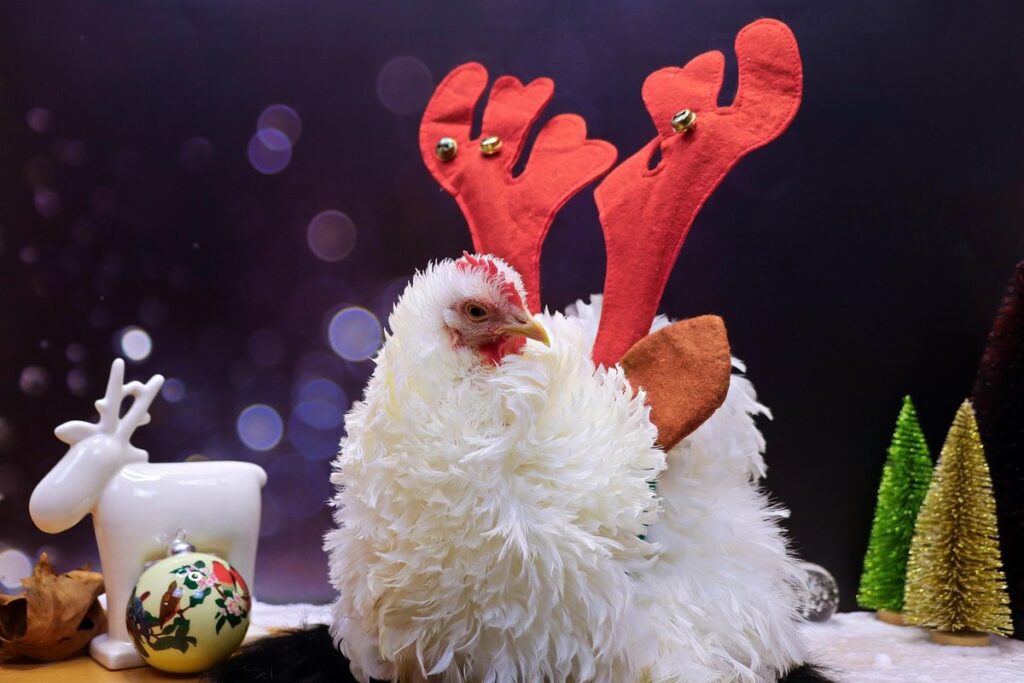
What are Cochins?
So you’re curious about these beautiful birds, and you want to know where they came from – well, let’s start at the beginning! Cochins have a rich history that dates back thousands of years.
Origins of the Breed
The Cochin hens’ rich history dates back to China, where they were highly valued for their stunning appearance and gentle nature. These birds were bred specifically as ornamental birds, prized by the Chinese aristocracy for their beautiful feathers and calm demeanor. It’s fascinating to note that Cochins were known as “Yunnan” or “Chinese Fowl” in their native country.
As European traders began to travel extensively throughout Asia, they discovered these magnificent birds and brought them back to Europe as exotic imports. The Cochin breed gained immense popularity among the nobility, who sought to showcase their fine taste by owning these stunning hens. In fact, Queen Victoria herself was a fan of Cochins and had several pairs bred on her estate.
By the late 19th century, Cochins had become a staple in European poultry shows, with breeders competing to create ever more stunning specimens. Today, while their origins are long past, Cochin hens remain beloved by backyard chicken enthusiasts worldwide for their striking appearance and friendly personalities.
Early Development in Europe
In Europe, the development and refinement of Cochins as we know them today was a gradual process that spanned several centuries. The breed is believed to have originated from India, where it was known for its size, gentle nature, and beautiful feathers. European poultry enthusiasts were drawn to these characteristics and began importing Indian gamecocks in the 18th century.
As Cochins gained popularity among European breeders, they selectively bred them to enhance their unique traits. Breeders sought to create a chicken that was not only stunningly handsome but also friendly and docile. By the late 19th century, the modern Cochin had taken shape, with its distinctive fluff of feathers, gentle temperament, and impressive size.
Today’s European breeders continue to refine the breed, emphasizing its exceptional characteristics while maintaining its unique identity. This careful breeding has resulted in a range of colors, including black, white, blue, and buff, each with its own distinct charm. Whether you’re a seasoned poultry enthusiast or just starting out, the Cochin is an excellent choice for those seeking a friendly, low-maintenance companion that’s sure to delight.
Characteristics of Cochins
One of the most appealing aspects of Cochin hens is their unique set of characteristics, which make them a favorite among backyard chicken keepers and breeders alike. Let’s take a closer look at what makes Cochins so special.
Size and Temperament
When it comes to size and temperament, Cochin hens are truly one-of-a-kind. On average, a mature Cochin hen will weigh between 8-12 pounds (3.6-5.4 kg) and measure around 20-24 inches (51-61 cm) in length. However, some exceptional individuals can tip the scales at up to 16 pounds (7.2 kg) or more.
What’s truly remarkable about Cochins is their gentle nature. These birds are known for being calm, laid-back, and extremely docile. They’re perfect for families with children or for those who want a low-maintenance pet that will tolerate handling and attention without getting stressed or aggressive.
In fact, Cochins are so friendly that they often get along famously with other breeds of chickens. They’ll happily share a coop or run with their feathered friends, provided they have enough space to roam and forage. If you’re thinking of introducing Cochins to your flock, make sure to provide plenty of room for them to spread their wings – both literally and figuratively!
Feathers and Plumage
One of the most distinctive and beloved features of Cochins is their stunning feathering patterns and rich plumage. With a range of varieties to choose from, each with its unique characteristics, it’s no wonder why many backyard chicken keepers fall head over heels for these gorgeous birds.
The American Bantam Bearded variety boasts a striking black bearded face and legs, accompanied by soft, fluffy feathers in shades of white, buff, or lavender. Meanwhile, the Rose Comb variety features beautiful rose-colored combs on top of their heads, which add to their already impressive plumage.
But what about those gorgeous feathered feet? Cochins are known for their stunning leg feathers, which can be either feathered or clean-legged, depending on the breed. The feathered legs add an extra layer of charm and make for some amazing photos!
When choosing a Cochin variety, consider how much maintenance you’re willing to commit to. For example, if you opt for a heavily feathered bird, be prepared to provide more frequent grooming sessions to prevent matting and tangling.
Overall, the unique feathering patterns and plumage of Cochins make them some of the most visually stunning hens you’ll ever lay eyes on. With so many varieties to choose from, it’s no wonder why these birds have captured the hearts of chicken enthusiasts worldwide!
Health Considerations
When it comes to bringing home a new flock, understanding the health considerations for your cochin hens is crucial to prevent illnesses and keep them thriving. Let’s explore some essential tips to ensure their well-being.
Common Health Issues
Cochin hens are known for their large size and beautiful feathers, but unfortunately, this also makes them prone to certain health issues. As a Cochon hen owner, it’s essential to be aware of these potential problems so you can take proactive steps to prevent or manage them.
One common issue affecting Cochin hens is obesity. Their large build and gentle nature make them susceptible to overeating, which can lead to weight-related problems like joint issues, breathing difficulties, and insulin resistance. To avoid this, monitor your hen’s food intake closely, provide a balanced diet, and ensure she has plenty of space for exercise.
Respiratory issues are another concern due to the breed’s large size and flat face. This can cause difficulty breathing, especially in hot or humid climates. Regularly cleaning their coop and providing adequate ventilation can help mitigate this problem.
Reproductive problems are also prevalent among Cochin hens, often resulting from genetics or nutritional factors. A well-balanced diet rich in essential vitamins and minerals is crucial to maintaining reproductive health.
Nutrition and Feeding Requirements
When it comes to feeding your Cochin hens, it’s essential to understand their unique dietary needs. These gentle giants require a balanced diet that includes high-quality proteins, complex carbohydrates, and a range of vitamins and minerals.
As for recommended food types, Cochin hens thrive on a diet rich in whole grains such as oats, barley, and wheat, along with plenty of fresh fruits and vegetables. They also require access to calcium-rich foods like crushed eggshells or dark leafy greens to support strong bone growth. A high-quality commercial layer feed can be supplemented with these ingredients to ensure your Cochin hens receive the nutrients they need.
In terms of feeding schedules, it’s best to offer free-choice feeding, allowing your flock to graze throughout the day. Divide their daily ration into 2-3 meals if you’re providing a mixed diet, or 1-2 meals if using commercial feed alone. Consider offering treats like mealworms or sunflower seeds in moderation to keep them engaged and stimulated.
A general rule of thumb is to provide about 1/4 pound of food per hen per day, adjusted according to their age, size, and level of activity. Monitor your flock’s consumption and adjust feeding schedules as needed to prevent overeating or underfeeding.
Breeding and Rearing Cochins
If you’re planning on raising cochin hens, understanding how to breed and rear them is crucial for success. This section will walk you through the process of raising healthy, thriving chicks.
Choosing a Breeder or Purchasing Chicks
When it comes to bringing home those adorable Cochin chicks, you have two main options: choosing a reputable breeder or purchasing from a trusted source. Both methods have their advantages and disadvantages, and the right choice for you depends on your specific needs and goals.
First, let’s talk about working with breeders. Reputable breeders can offer valuable guidance, provide healthy chicks, and even help you learn more about the Cochin breed. Look for breeders who are transparent about their breeding process, health testing, and genetic diversity. You should also ask to see the parents of the chicks you’re interested in purchasing to get an idea of the birds’ temperament and conformation.
If you prefer to purchase from a trusted source, look for reputable hatcheries or feed stores that specialize in selling healthy, well-bred chicks. Make sure to do your research beforehand and read reviews from other customers to ensure you’re getting high-quality birds. Additionally, be wary of extremely cheap prices – if it seems too good to be true, it probably is.
It’s also essential to consider the age of the chicks when making a purchase. Chicks are typically available at 3-5 days old, while pullets (young hens) can range from 16-24 weeks. Decide what age bird will best suit your needs and experience level.
Hatching and Brooding Techniques
Hatching and brooding new chicks can be an exciting yet challenging process. As a breeder of Cochins, it’s essential to have the right equipment and environmental conditions to ensure healthy and strong offspring. When hatching eggs, make sure you’re using fertile eggs from reputable breeders or suppliers.
To begin the hatching process, fill your incubator with distilled water and set the temperature between 99°F and 100°F (37°C-38°C). Maintain humidity levels around 50-60% during the first week and reduce to 30-40% for the remaining days. Monitor the temperature closely, as even slight fluctuations can affect hatch rates.
Once eggs have started pip-ing (around day 21), increase ventilation in your incubator to promote air circulation. Keep the area quiet and draft-free to minimize stress on the developing chicks. After hatching, carefully transfer new chicks to a brooder with adequate space for movement and a heat source (e.g., heat lamp or ceramic heat emitter) to regulate their body temperature.
For optimal growth, maintain a brooder temperature of 90-95°F (32-35°C) during the first week, gradually decreasing it by 5-10°F (3-6°C) each subsequent week. Provide adequate nutrition and ensure access to clean water at all times. With proper care and attention, your newly hatched chicks will thrive under your brooding technique.
Show and Exhibition Requirements
When entering your Cochin hen into a show or exhibition, it’s essential to know the specific requirements you’ll need to meet, as these vary depending on the event. Let’s break down what you need to do.
Breed Standards and Judging Criteria
When showing Cochins at poultry exhibitions, it’s essential to understand the breed standards and judging criteria. These standards are in place to ensure that the birds exhibited are true representatives of the breed, with characteristics that make them unique and desirable.
The American Bantam Association (ABA) is one of the main organizations responsible for setting breed standards for Cochins. According to their guidelines, a show-quality Cochin hen should have a stout, compact body, with a broad back and well-rounded rump. The feathers should be soft, fluffy, and dense, with a silky texture that’s often described as “like silk.” The bird’s wings should be small but strong, with a slight droop to the tips.
When presenting your Cochin hen for judging, make sure to emphasize her calm and docile nature – Cochins are known for being friendly and approachable. Also, pay attention to her overall appearance, including her feather condition, comb type (Cochins have a single, erect comb), and beak shape. By focusing on these key characteristics and breed standards, you’ll increase your chances of impressing the judges and taking home a prize.
Preparation for Shows and Exhibitions
Preparing your Cochins for shows and exhibitions requires careful planning and attention to detail. Before entering your birds into a competition, make sure they are well-groomed and healthy. Start by giving them a thorough bath, paying extra attention to their feathers, beak, and feet. Use a soft-bristled brush or a grooming glove to remove tangles and mats from their plumage.
When it comes to transportation, choose a safe and comfortable carrier that allows your birds ample space to move around. Line the carrier with paper towels or bedding material to prevent injury and make cleanup easier. Make sure to provide adequate ventilation, food, and water for each bird during transport.
At the exhibition site, present your Cochins in their designated enclosures, making sure they are secure and accessible for judges. Keep them well-hydrated by offering fresh water throughout the day. To impress judges, pay attention to cleanliness and orderliness of the enclosure, including the surrounding area.
Remember that each show or exhibition may have specific rules, so be sure to familiarize yourself with these regulations beforehand to ensure a smooth experience for both you and your birds.
Tips for Keeping Healthy and Happy Cochins
Keeping your Cochin hens happy and healthy is crucial, so let’s dive into some practical tips on how to maintain their overall well-being. We’ll cover essential care habits that will keep them thriving!
Environment and Housing Requirements
When it comes to keeping healthy and happy Cochin hens, providing them with a suitable environment is crucial. Cochins require a spacious living area where they can move around comfortably. Aim for at least 4-5 square feet of floor space per bird inside the coop, and double that amount in the run. This will give your girls room to stretch their wings and exercise.
Proper ventilation is also essential. Make sure the coop has windows or vents that allow fresh air to circulate, especially during hot summer months. Good airflow will help prevent respiratory issues and keep your birds cool. Don’t forget to add a sloping roof to ensure rainwater runs off easily, keeping your coop dry.
Nesting boxes are another must-have for Cochin hens. Provide one nesting box per 3-4 hens, making sure it’s around 12 inches wide and 18 inches deep. Line the boxes with soft bedding like straw or hay to make them comfortable for egg-laying. Consider adding a separate pulley system to make cleaning easier. By meeting these housing requirements, you’ll create a happy and healthy environment for your beloved Cochin hens.
Socialization and Handling
Socialization from an early age is crucial for Cochins. You want to introduce them to other birds, people, and environments gradually, allowing them to become confident and calm in new situations. Start with short sessions when they’re around 6-8 weeks old, making sure the experiences are positive. For example, place a Cochin chick near its mother while she’s interacting with another hen, so it learns about social behavior. As they grow, introduce them to different birds, including ducks and geese if possible.
When your Cochins reach adulthood, handling becomes essential for their well-being and your safety. Approach them calmly and gently, speaking softly to avoid startling them. If they’re not used to being handled regularly, begin with short periods of gentle petting or stroking on the back or wings. Be aware that some birds may become more aggressive with age; know when to respect their boundaries.
Aim for 10-15 minutes of handling per week, ideally after they’ve finished eating and are relaxed. Regular handling will help them trust you, reduce stress during molting, and prevent health issues related to lack of movement or exercise.
Conclusion
In conclusion, raising Cochins has been an enlightening experience for many backyard chicken keepers. These gentle giants bring immense joy and companionship to any flock, while also providing a steady supply of rich, brown eggs. If you’re considering adding some new members to your feathered family, I highly recommend giving Cochins a try. Not only are they relatively low-maintenance compared to other breeds, but their friendly nature makes them an excellent choice for families with children or for those who want a stress-free chicken-keeping experience.
When it comes to caring for your Cochins, remember to provide plenty of space and room to roam – these birds love to move around and stretch their wings. Also, be sure to feed them a balanced diet rich in nutrients to keep them healthy and happy. With proper care and attention, your Cochins will reward you with years of faithful companionship and delicious fresh eggs.
Frequently Asked Questions
Can I breed Cochins if I’m a beginner?
Breeding Cochins can be challenging, even for experienced poultry keepers. If you’re new to breeding, it’s essential to start by building your flock and gaining experience with the breed before attempting to breed them. Start by learning about genetics, fertility rates, and proper husbandry techniques.
How do I know if my Cochin is a purebred or cross?
To determine whether your Cochin is a purebred or cross, check for documentation from the breeder or look for breed club certification. Purebred Cochins will have papers to prove their lineage, while crosses may not. Keep in mind that even purebred Cochins can have health issues if poorly bred.
What’s the best way to introduce my Cochin chicks to a flock?
Introducing new chicks to an existing flock requires patience and caution. Start by separating the chicks from the rest of the flock for 7-10 days, then gradually introduce them under close supervision. Monitor behavior and body language to ensure a smooth transition.
Can I keep Cochins in a small backyard or apartment?
While Cochins are relatively calm, they do require space to move around. If you’re considering keeping them in a small backyard or apartment, ensure it’s at least 2×4 feet per bird, with adequate ventilation and access to outdoor areas for exercise.
How often should I handle my Cochin hens to socialize them?
Socialization is crucial for Cochins, but excessive handling can lead to stress. Handle your Cochin hens daily, but limit interaction to short periods (5-10 minutes) to prevent over-handling. Start with young birds and continue socialization throughout their lives to ensure friendly, calm behavior.