
When you’re starting out with chickens, it’s easy to get confused about the different types. But understanding the characteristics of cockerels and pullets is crucial for raising healthy birds that thrive in your backyard flock. As a chicken keeper, you need to know how to identify these essential chicken types and care for them accordingly.
In this article, we’ll explore the distinct differences between cockerels and pullets, covering their behavior, breeding considerations, and unique needs. By the end of it, you’ll be able to tell your cockerel from your pullet, and provide each one with the best possible care. We’ll delve into topics like growth rates, feathering, temperament, and reproductive habits, giving you a comprehensive understanding of these vital chicken types. Whether you’re an experienced breeder or just starting out, this article will help you make informed decisions about your flock’s welfare.
Understanding the Basics
Let’s start with the basics: what exactly is a pullet and how does it differ from a cockerel, even at a young age? We’ll break down these fundamental differences together.
What is a Cockerel?
A cockerel is a young male chicken that plays a crucial role in chicken breeding and farming. To understand the difference between a cockerel and a pullet, it’s essential to know what a cockerel is and its purpose.
In simple terms, a cockerel is a young rooster, typically under one year old, before it develops into a mature rooster. The term ‘cockerel’ is often used interchangeably with ‘young rooster,’ but technically, a cockerel refers specifically to a male chicken in the early stages of growth.
A cockerel’s primary role is to fertilize eggs, making it an essential component of successful breeding programs. Farmers and breeders rely on cockerels to produce healthy chicks by crossing them with hens of specific breeds or strains.
One key aspect to consider when working with cockerels is their behavior. Young roosters can be quite energetic and loud, which may require some adjustments in your chicken coop setup. To minimize potential issues, it’s vital to introduce a cockerel to the flock gradually, under close supervision, and provide adequate space for all birds to thrive.
A well-managed breeding program incorporating healthy cockerels will produce robust offspring, while also maintaining genetic diversity within the flock. If you’re new to chicken farming or planning to start your own backyard flock, understanding the basics of cockerel behavior and management is crucial to raising happy and healthy chickens.
Defining a Pullet
When it comes to raising chickens, understanding the difference between a cockerel and a pullet is crucial for success. But what exactly is a pullet? A pullet is essentially a young female chicken that has not yet reached full maturity. Typically, pullets are considered to be chicks or juveniles until they reach around 16-20 weeks of age, at which point they become mature hens.
Some key characteristics of pullets include their smaller size compared to cockerels, as well as their more docile nature. Pullets tend to be quieter and less aggressive than their male counterparts, making them a great choice for backyard chicken keepers with families or those who live in close proximity to neighbors.
One way to determine whether you have a pullet on your hands is to look for signs of femininity such as comb size and shape, and the presence of ovaries. However, it’s worth noting that some breeds exhibit stronger characteristics than others, making identification more challenging. To accurately sex your chicks, many breeders recommend having them sexed by a veterinarian or experienced breeder.
Characteristics of Cockerels
So, you’re wondering what makes a cockerel different from other male chickens? Let’s dive into some key characteristics that set them apart.
Physical Characteristics
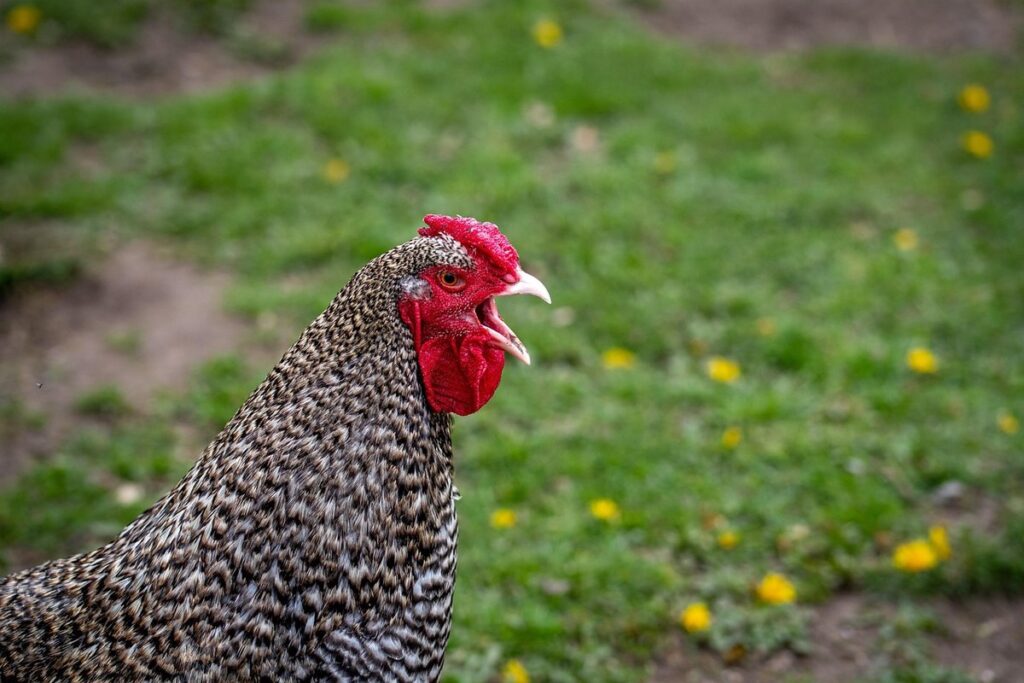
When it comes to identifying whether you have a cockerel or pullet, physical characteristics play a significant role. One of the most noticeable differences is the beak shape and size. Cockerels tend to have a thicker, curved beak compared to pullets, which usually have a straighter, thinner beak.
The comb on a cockerel’s head is also larger and more rounded than that found on a pullet. A large comb can indicate masculinity in chickens, as it helps regulate their body temperature. On the other hand, smaller combs typically signify female birds.
Feather patterns are another key indicator of sex in young chickens. Cockerels often have feathers with longer shafts or prominent black stripes along the back and tail areas, while pullets tend to display shorter feathers with less prominent markings.
When evaluating your chicken’s physical characteristics, remember that not all cockerels will exhibit these traits. Some may develop characteristics more slowly than others, so it’s essential to consider a combination of factors when making an identification.
Behavioral Differences
One of the most noticeable differences between cockerels and pullets is their behavior. While they may look alike at first glance, their actions and reactions to various situations are distinct.
Cockerels, being male chickens, tend to be noisier than their female counterparts. They’ll often crow loudly in the morning and evening, alerting everyone within earshot that it’s time for food or sunset. Some owners find this charming, while others may see it as a nuisance. Either way, it’s essential to know that cockerels can get quite vocal.
In terms of aggression, cockerels are generally more territorial than pullets. They’ll defend their space and resources, especially if they feel threatened or if there are other roosters in the area. However, this doesn’t mean you should expect constant fighting among your birds. Proper introduction and socialization can minimize aggressive behavior.
Mating habits also differ between cockerels and pullets. Cockerels will seek out hens for breeding purposes, while pullets won’t exhibit these behaviors until they reach maturity.
Pullet Development Stages
As you raise your chicks, it’s essential to understand their growth stages and characteristics, especially when differentiating between cockerels and pullets. Let’s explore the developmental milestones of pullet growth.
Hatching to Point of Lay
From the moment they hatch, pullets undergo rapid growth and development until they reach point of lay. This stage is crucial as it determines their reproductive capacity and overall health. During the first week, chicks require a diet rich in protein (20-25%) to support their initial growth spurt. As they grow, their nutritional needs shift, and by 6-8 weeks, pullets transition to starter rations with 16-18% protein.
Between 12-16 weeks, pullets undergo significant physical changes, including feather development and weight gain. Their appetite increases, and they require more energy-dense feed to support this growth. It’s essential to provide adequate lighting, ventilation, and space during this period to prevent health issues like respiratory problems and stress-related disorders.
Typically, a pullet will reach point of lay between 18-24 weeks, although some breeds may take longer. Factors influencing this timeline include breed, nutrition, and management practices. As a breeder or owner, it’s crucial to monitor your flock’s growth rates and adjust feeding strategies accordingly. This ensures that your pullets reach optimal reproductive health and productivity.
Nutritional Requirements
As pullets grow into laying hens, their nutritional needs change significantly. Providing the right balance of protein, calcium, and vitamins is crucial for optimal growth and development. A diet rich in protein is essential during the starter phase (0-4 weeks), with a minimum requirement of 18% protein content. Gradually decrease the protein percentage to 16% by week 8.
Calcium supplements are also vital, especially during the grow-out phase (4-16 weeks). Pullets require about 2% calcium in their diet to support bone growth and development. Without sufficient calcium, pullets may develop soft bones or even fractures. Consider adding crushed oyster shells or eggshells as a natural source of calcium.
Vitamins A, D3, E, and K are also essential for healthy growth and immune function. Make sure your pullet feed contains these vitamins in adequate amounts. As a general rule, avoid over-supplementing with vitamins, which can lead to toxicity issues. Always consult with a veterinarian or poultry expert to determine the best nutritional plan for your flock.
Cockerel Characteristics and Behavior
As you learn about cockerels and pullets, it’s essential to understand their unique characteristics and behaviors, which can be a deciding factor in choosing the right bird for your needs. Let’s explore what makes a cockerel special.
Roostering and Dominance Hierarchy
When it comes to cockerels, establishing dominance hierarchies is crucial for their overall well-being and survival. This process typically starts from a young age, around 6-8 weeks old, as they begin to assert their dominance over others through roostering behaviors.
Roostering involves a series of postures, including spreading the wings, puffing out the chest, and raising the hackles. These displays serve multiple purposes: establishing dominance, attracting mates, and warning off potential threats. Fighting is also an essential component of establishing a clear pecking order within a flock. However, it’s worth noting that severe injuries or stress can result from excessive fighting.
In terms of practical advice, providing your cockerels with adequate space and resources can help reduce aggression levels. A safe and balanced environment should be prioritized to minimize the likelihood of serious conflicts. Additionally, separating younger birds from older ones and introducing them gradually can also aid in establishing a harmonious social structure within your flock.
Noise Levels and Aggression
As you introduce cockerels to your flock, one of the most noticeable differences between them and pullets is their noise levels. Cockerels are much louder than pullets, and their crowing can be quite persistent. This increased vocalization is a result of testosterone production, which affects not only their behavior but also their physical characteristics.
In fact, studies have shown that cockerels produce an average of 100 to 150 loud crows per day, whereas pullets typically make fewer than 10 sounds per day. While some owners might find the cockerel’s persistent crowing endearing, others may find it overwhelming or disturbing.
It’s also worth noting that as cockerels mature and reach breeding age, their aggression levels often increase. This is due to natural instinct, which compels them to defend their territory, food, and hens from potential threats. Owners should be aware of this increased aggression and take steps to manage it through proper housing, socialization, and training.
To minimize the impact of cockerel noise and aggression, consider providing a separate enclosure or coop for your breeding birds. Regular exercise and enrichment activities can also help reduce stress and aggressive behavior in cockerels.
Breeding Considerations
When it comes to choosing the right birds for breeding, understanding their needs and characteristics is crucial. Let’s discuss some key considerations to keep in mind when selecting a rooster for your flock.
Selecting for Desired Traits
When selecting birds for breeding, it’s essential to consider their fertility rates and offspring quality. This ensures that you’re not only preserving the desired traits but also maintaining the overall health and viability of your flock.
To start, evaluate each bird’s reproductive history. Look for females that have consistently hatched healthy chicks with desirable characteristics. Avoid those with low fertility or irregular breeding cycles. When it comes to males, their sperm quality and quantity are crucial. A rooster with high fertility will increase the chances of successful hatchings.
In addition to fertility rates, consider the offspring’s quality. This includes factors like growth rate, egg-laying ability, and disease resistance. You can assess this by observing the birds’ behavior, weight, and overall health. For example, if you’re breeding for a specific trait like large eggs, select females that consistently lay large eggs.
By focusing on fertility rates and offspring quality, you’ll be more likely to produce healthy, high-quality chicks with the desired characteristics. This will not only save time and resources in the long run but also ensure the continued success of your flock.
Breed-Specific Characteristics
When selecting breeds for your backyard flock, it’s essential to consider breed-specific characteristics that can significantly impact cockerel or pullet development. Different breeds have varying levels of egg-laying capacity and meat production potential.
For example, Leghorn chickens are renowned for their exceptional egg-laying abilities, producing an average of 280-300 eggs per year. In contrast, Cornish Cross breeds are bred specifically for meat production and typically reach market weight at just 5-6 weeks old. If you’re looking to raise cockerels or pullets for egg production, consider breeds like Leghorns, Rhode Island Reds, or Barred Rocks.
On the other hand, if you’re focusing on meat production, look into Cornish Cross, Plymouth Rock, or Freedom Ranger breeds. It’s also crucial to note that some breeds are more suitable for cold climates, while others thrive in warmer temperatures. When choosing a breed, research its specific needs and characteristics to ensure they align with your goals.
By understanding breed-specific traits, you can make informed decisions about which birds will best meet your needs and create a harmonious flock environment.
Common Misconceptions and Frequently Asked Questions
We’ve heard a lot of misconceptions about cockerels and pullets, so let’s clear up some confusion by addressing your most common questions directly.
Debunking Myths About Cockerels and Pullets
Let’s set the record straight about some common misconceptions surrounding cockerels and pullets. Many people believe that cockerels are more aggressive than pullets due to their larger size, but this isn’t necessarily true. In fact, aggression is often a result of poor breeding or improper socialization from an early age. By providing proper care and attention to your chicks, you can raise friendly and docile birds regardless of sex.
Another myth that’s been perpetuated is that cockerels make significantly more noise than pullets. While it’s true that mature roosters will crow regularly, the difference in noise levels between cockerels and pullets is often exaggerated. In reality, both sexes can be noisy if they’re not well-socialized or are experiencing stress.
Some people also assume that all cockerels are fertile, but this isn’t the case. Only male chickens that have been properly sexed as juveniles will develop into fertile roosters. Pullets, on the other hand, may still make excellent mothers and can lay a significant number of eggs throughout their lives.
Answering Reader Questions
One of the most common questions we’ve received from readers is about sexing chicks at hatch. Many new chicken owners are unsure whether their young chick will grow into a cockerel (male) or pullet (female). While it can be challenging to determine sex at such a young age, there are some visual cues you can look out for. For example, males tend to have longer tails and more prominent combs than females.
As your chicks grow, other differences will become apparent. Cockerels typically develop stronger, more muscular builds, while pullets tend to be leaner. You may also notice that cockerels begin to crow at a relatively early age, usually around 6-8 weeks old. On the other hand, pullets are less likely to vocalize and may only make soft clucking sounds.
When it comes to feeding your chicks, you can start by providing equal amounts of food to both males and females. However, as they grow into cockerels or pullets, their nutritional needs will change. For instance, male chickens require more protein to support muscle growth, whereas female chickens prioritize egg production and may benefit from a diet rich in calcium.
It’s also worth noting that while it can be tempting to assume the sex of your chicks based on their behavior or appearance, this is often inaccurate. In fact, many breeders rely on DNA testing or X-ray imaging to determine the sex of their birds with greater accuracy.
Frequently Asked Questions
How do I identify the sex of my young chickens to determine whether they’re cockerels or pullets?
To identify the sex of your young chickens, observe their behavior and physical characteristics. Cockerels tend to be more aggressive and boisterous, while pullets are generally calmer and less assertive. You can also look for differences in feathering, with pullets often having a more rounded body shape and fewer long feathers.
Can I raise both cockerels and pullets together in the same backyard flock?
Yes, it’s possible to raise both cockerels and pullets together, but it requires careful management. Cockerels can be territorial and dominant, so you’ll need to ensure they’re not bullying or stressing the pullets. Provide a safe environment with enough space for all birds to move around freely.
How long do cockerels take to mature and become roosters?
Cockerels typically take around 6-8 months to reach maturity and begin breeding. However, this can vary depending on breed, nutrition, and overall health. It’s essential to provide a balanced diet and ensure they’re getting enough exercise and space to grow.
Can I breed my own chickens if I have both cockerel and pullet in the same flock?
Breeding your own chickens requires careful selection and planning. To produce healthy offspring, you’ll need to understand the genetics of your birds and select for desirable traits. Research the specific breeding requirements for your chosen breeds and consult with experienced breeders or a poultry expert.
What are some common health issues I should be aware of when raising cockerels?
Yes, cockerels can be prone to certain health issues, such as respiratory problems, feather pecking, and aggressive behavior. Ensure they have access to fresh water, clean living conditions, and a balanced diet to minimize the risk of these problems. Regular vaccinations and veterinary check-ups can also help prevent health issues in your flock.