
If you’re an aspiring backyard chicken keeper or simply want to learn more about your feathered friends, identifying whether a young male chicken is a cockerel or rooster can be a daunting task. These two terms are often used interchangeably, but they actually refer to distinct stages in a male chicken’s life cycle. Understanding the physical characteristics and behaviors that set them apart can help you provide the best care for your flock, especially if you’re new to raising chickens. In this article, we’ll delve into the world of cockerel vs rooster identification, covering the differences between these two stages, including physical traits, breeding habits, and expert tips on how to determine which is which in your backyard. By the end of it, you’ll be well-equipped to confidently identify and care for your young males.
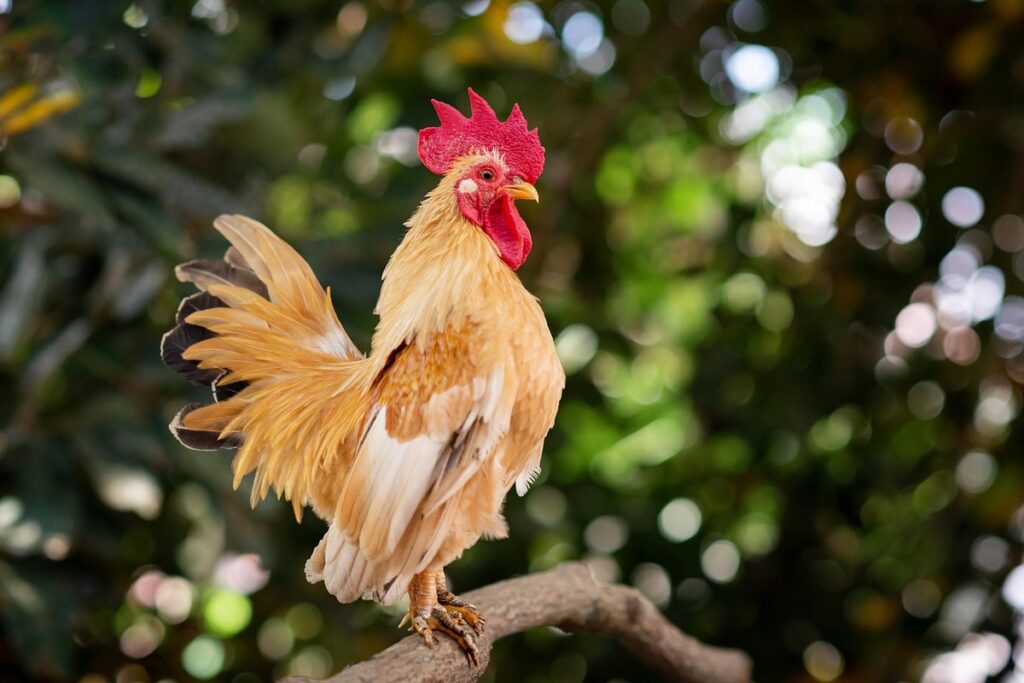
What’s in a Name?
When it comes to identifying whether your young male chicken is a cockerel or rooster, understanding the differences in name usage can be a great starting point for beginners. Let’s explore what these terms mean and how they’re used.
Defining Cockerels and Roosters
When it comes to poultry, two terms often get thrown around interchangeably: cockerel and rooster. But while they’re related, they don’t quite mean the same thing.
The term “rooster” is an Americanism, commonly used in North America, whereas “cockerel” is more widely accepted and used globally, particularly in the UK and Europe. The origins of this difference can be attributed to linguistic evolution and cultural influences. Rooster is derived from the Old English word “rōstor,” while cockerel comes from the French term “cocqeur.”
In practical terms, the distinction lies not so much in their behavior or appearance but rather in how they’re perceived by different regions. If you’re an American chicken keeper, it’s perfectly fine to refer to your bird as a rooster. However, if you’re communicating with European breeders or poultry enthusiasts, cockerel might be more universally understood and appreciated.
This isn’t about “being wrong” – simply being mindful of regional nuances can help avoid confusion when discussing your feathered friends.
Understanding Cockpit Terminology
In the world of cockfighting and poultry breeding, the terms “cock” and “rooster” are often used interchangeably. However, within these communities, a distinction is made between the two based on age and breed characteristics.
To understand this nuance, it’s essential to recognize that in cockfighting, a cock refers specifically to an adult male game fowl, typically used for fighting purposes. These birds are trained from a young age and are bred for their strength, aggression, and endurance. In contrast, a rooster is often used more broadly to describe any mature male chicken, regardless of breed or intended use.
In poultry breeding, the terms take on an even more specific meaning. A rooster, in this context, typically refers to a mature male chicken of a particular breed, such as the Leghorn or Brahma. Breeders may select roosters for their desirable traits, such as size, plumage, or temperament. To accurately distinguish between these terms, enthusiasts should familiarize themselves with local regulations and breed standards within their specific community.
Physical Characteristics
When it comes to identifying a cockerel versus a rooster, physical characteristics can play a big role. Let’s take a closer look at the differences in size, plumage, and other distinct features.
Size and Weight Variations
When it comes to physical characteristics, size and weight are often used as indicators of a bird’s maturity and sex. However, these traits can be misleading when distinguishing between cockerels and roosters. Mature roosters tend to be larger than their counterparts, but this is not a hard and fast rule.
In general, roosters can weigh anywhere from 3-6 kg (6.6-13.2 lbs), depending on the breed. Some popular breeds like the Sultan and Malay can reach weights of up to 4 kg (8.8 lbs). Cockerels, on the other hand, typically weigh between 1.5-3 kg (3.3-6.6 lbs).
Keep in mind that size and weight are not foolproof indicators. Some smaller breeds, like the bantam rooster, can reach maturity without reaching larger sizes. Conversely, some cockerels may grow to be quite large.
To determine whether a bird is a mature rooster or cockerel, look beyond its physical characteristics and consider other signs such as comb shape, spur development, and vocalizations.
Plumage and Feathers
When it comes to identifying a rooster versus a cockerel, their plumage and feathers can provide some valuable clues. One of the most noticeable differences is in coloration. Roosters tend to have more vibrant, intense colors, especially on their necks, backs, and tails. This is because they produce the hormone melatonin, which helps to stimulate feather growth and intensify pigment production.
In contrast, cockerels often lack the same level of color intensity, with duller, more muted tones. For example, a rooster’s hackles (long feathers on the neck) might be a deep iridescent blue, while a cockerel’s would be a pale grey or brown.
The length and texture of their feathers also vary between the two. Roosters tend to have longer, more flowing feathers, especially around the saddle area and tail. Their plumage is often softer and more even in texture, giving them an overall sleek appearance. Cockerels, on the other hand, may have shorter, more ruffled feathers, with a coarser texture.
When inspecting a bird’s plumage, look for these characteristics to help you determine whether it’s a rooster or cockerel. Keep in mind that age and individual variation can also play a role, so it’s essential to consider other factors as well when making an identification.
Behavioral Differences
When it comes to identifying a rooster, understanding behavioral differences can be just as important as physical characteristics. We’ll explore how these birds behave under different circumstances.
Roosting and Crowing Habits
One of the most noticeable differences between a cockerel and a rooster is their behavior, particularly when it comes to loud crowing. Roosters are known for their boisterous vocal displays, which can be quite ear-piercing, especially at dawn. Unlike quiet cooing sounds from hens, roosters’ crows are sharp, explosive calls that announce their presence and dominance.
When it comes to perching, you’ll often find a rooster claiming the highest spot in the coop or even on a nearby fence post. This is not just for show; by occupying high ground, a rooster is asserting its status as the flock leader. In contrast, cockerels tend to be more subdued in their behavior and prefer lower-lying areas.
As you observe your birds’ daily routine, pay attention to these behavioral cues: if it’s crowing loudly or strutting around on high surfaces, it may be a sign that you have a rooster on your hands.
Aggression Levels
When it comes to aggression levels, cockerels and roosters exhibit distinct differences. While both can be fierce when threatened, a rooster’s aggression is often more pronounced due to its breeding and training for fighting. Cockerels, on the other hand, tend to be less aggressive but equally protective of their territory and flock.
Several factors contribute to a cockerel or rooster’s aggressive behavior. For instance, mating season can trigger intense competition among males, leading to increased aggression towards each other. Additionally, dominance struggles within the flock may also result in aggressive posturing and fighting.
It’s essential for poultry keepers to recognize these triggers and take steps to mitigate potential conflicts. Providing separate areas for males to spar or engaging in controlled training sessions can help alleviate tension. Regular monitoring of individual birds’ behavior is also crucial, as some cockerels may exhibit more aggressive tendencies than others despite their sex.
Breeding and Life Cycle
So, you’ve got a new flock on your hands and want to know more about how cockerels grow into roosters. Let’s dive into their breeding and life cycle stages.
Cockerel Development Stages
A young chick’s development is a fascinating process that eventually reveals whether it will grow into a pullet (female) or a cockerel (male). The journey begins at hatch, when the chick emerges from its egg. During this stage, known as pip and pecking, the chick breaks through the shell and takes its first breaths. At around 7-10 days of age, the chick’s sex organs start to differentiate.
As the chick grows into a pullet or cockerel, noticeable changes occur at different stages. By about two weeks old, the sex characteristics become more apparent, with females sporting a slightly larger vent and males developing their comb and wattle. Around four weeks in, cockerels begin to crow, signaling the start of their reproductive cycle.
As you raise your chicks, it’s essential to monitor their development carefully. Check for signs such as feathers, beak shape, and leg length, which can indicate whether you have a pullet or cockerel on your hands. By around six weeks old, most chickens will display clear sex characteristics, making identification easier.
To accurately identify a cockerel from a young age, pay attention to its behavior and physical traits. For example, males tend to be more aggressive and assertive than females. Additionally, observe the bird’s plumage – males often develop longer tail feathers and have a more pronounced breastcomb.
Rooster Maturity and Productivity
As roosters mature, they begin to exhibit distinctive behaviors that set them apart from their juvenile counterparts. At around 20-24 weeks of age, a young rooster will start to show signs of maturation, including the development of his adult plumage and the deepening of his voice.
One key indicator of maturity is the onset of reproductive behavior. A mature rooster will begin to crow loudly and regularly, often at dawn and dusk, to establish dominance within the flock and attract a mate. He’ll also start to engage in courtship displays, such as strutting, posturing, and preening, to impress potential females.
If you’re raising young birds, look for these signs of maturation to determine whether your cockerel is developing into a rooster. With patience and proper care, you can encourage healthy growth and development, ensuring that your roosters become productive members of the flock. Monitor their behavior closely, as this will help you identify when they’re ready to breed or be integrated into an existing flock.
Health Considerations
When keeping a cockerel or rooster as pets, it’s essential to consider their health needs, especially if you’re planning on letting them roam free in your backyard. This section will cover some key factors to keep in mind.
Disease Susceptibility
When it comes to disease susceptibility, cockerels and roosters have some distinct differences. Research suggests that females are more prone to certain health issues due to their reproductive system. For instance, egg yolk peritonitis is a condition where the yolk of an egg gets into the abdominal cavity, causing infection and inflammation. This is typically seen in laying hens but can also occur in cockerels, albeit less frequently.
On the other hand, roosters are more susceptible to respiratory issues, such as Aspergillosis, a fungal disease that affects the lungs and air sacs. Factors like humidity, temperature, and dust exposure contribute to the risk of contracting this condition. It’s essential for breeders and owners to maintain optimal living conditions to mitigate these risks.
It’s worth noting that both cockerels and roosters can contract common chicken diseases such as mites, lice, and coccidiosis. Regular monitoring and preventative measures can help minimize the risk of these health issues. By understanding these differences in disease susceptibility, you can better care for your birds and take proactive steps to prevent illnesses from taking hold.
Nutritional Needs
When it comes to nutritional needs, there are distinct differences between cockerels and roosters. During their growth stages, cockerels require a higher protein diet to support rapid development and feather growth. A study published in the Journal of Applied Poultry Research found that cockerels require around 22% protein content in their feed during adolescence, whereas adult roosters can thrive on lower-protein diets.
In contrast, mature roosters have different nutritional needs as they prioritize energy over growth. Their diet should consist of more complex carbohydrates and fiber to maintain overall health and vigor. A balanced feed with the following ratio is recommended: 16% protein, 3% fat, and 4% calcium for adult roosters.
It’s essential to note that these dietary requirements may vary depending on breed, climate, and living conditions. For instance, a larger breed cockerel might require more nutrients than a smaller one during growth stages. Providing the right balance of nutrients will not only ensure optimal health but also influence their overall behavior, plumage, and egg-laying capacity in hens.
Keep in mind that over-supplementation can be detrimental to your birds’ health, so consult with an avian expert or veterinarian to determine the best feeding strategy for your flock.
Identification Tips for Beginners
As a beginner, it can be tricky to tell whether your bird is a cockerel or rooster, but don’t worry, we’ve got some essential identification tips to get you started. Let’s dive into the key characteristics that’ll help you determine which one you have.
Visual Inspection
When inspecting a chicken to determine whether it’s a cockerel or rooster, pay attention to its comb and tail feathers. A rooster’s comb is typically larger and more vibrant than a cockerel’s, with a deeper red color. The shape of the comb can also give away the bird’s sex: roosters tend to have a more rounded comb, while cockerels’ combs are often smaller and more pointed.
Next, examine the tail feathers. Roosters typically have long, pointed tail feathers that reach beyond their body, whereas cockerels usually have shorter, more rounded tails. To get an even closer look, gently lift the bird’s tail feathers to inspect the underlying feathers. Roosters often display a striking “sickle-shaped” feather pattern under their tail, which is less prominent in cockerels.
Keep in mind that these visual cues aren’t absolute and may vary between breeds. Experienced chicken owners can develop an eye for these differences through regular observation and exposure to different birds. If you’re still unsure about the sex of your chicken, consult with a veterinarian or experienced breeder for guidance.
Handling and Observation
When handling and observing poultry to determine their sex, it’s essential to do so gently and carefully to avoid causing harm. Start by getting your bird accustomed to being handled, as this will make the process much easier for both you and the animal.
Begin by grasping the chicken from behind, with one hand under its tail and the other supporting its body. Hold it securely but not too tightly, allowing it to move freely within your grasp. For smaller breeds, a towel can be used to gently wrap around the bird’s wings and body for added support and control.
Observe your bird’s behavior as you handle it. A male will often display aggression when threatened or scared, such as flapping its wings wildly or pecking at the air with its beak. Females tend to remain calm under similar circumstances.
Take note of the bird’s plumage; males often have brighter, more vibrant feathers than females and may also display a hackle crest on their neck.
Frequently Asked Questions
What’s the best way to observe roosting and crowing habits without disturbing my birds?
When observing roosting and crowing habits, it’s essential to do so from a safe distance to avoid stressing your flock. Consider setting up a camera or viewing area with a clear view of their enclosure to monitor their behavior without disrupting them. This will help you identify any potential issues related to aggression levels or disease susceptibility.
Can I raise both cockerels and roosters in the same coop, or are they best kept separate?
It’s generally recommended to keep males separated from one another, especially during breeding season. However, if you have a large enough coop with adequate space, it may be possible to keep them together under close supervision. Be sure to monitor their behavior and provide enough resources for each bird.
How can I distinguish between aggressive cockerels and those that will grow into calm roosters?
One key factor is to observe how the young males interact with you and other birds. Calm, well-socialized cockerels will generally tolerate handling and interaction without becoming aggressive. Conversely, aggressive individuals may display assertive behavior or attack without provocation.
Should I expect any specific health issues in young roosters versus cockerels?
Generally speaking, both cockerels and roosters can be prone to similar health issues such as respiratory problems, parasites, and vitamin deficiencies. However, it’s essential to monitor their growth patterns, nutritional needs, and overall behavior closely during the transition from cockerel to rooster.
Can I use a specific breed or genetic trait to determine whether a young male will become a cockerel or rooster?
Unfortunately, there is no guaranteed way to predict an individual bird’s development stage based on breed or genetics. Environmental factors such as nutrition, handling, and socialization play a significant role in shaping their behavior and physiology.