
If you’re considering adding geese to your backyard or farm, but worry about their ability to withstand harsh winters, you’re not alone. Cold hardy goose breeds have been a staple for generations in regions with challenging climates. These resilient birds are not only beautiful and entertaining, but they can also provide valuable companionship and benefits like pest control. However, choosing the right breed for your needs is crucial to ensure their well-being and success. In this guide, we’ll take you through the history, characteristics, care, and management of cold hardy goose breeds, helping you make an informed decision. From understanding their origins to learning how to choose the right breed for your climate and lifestyle, we’ve got everything covered.
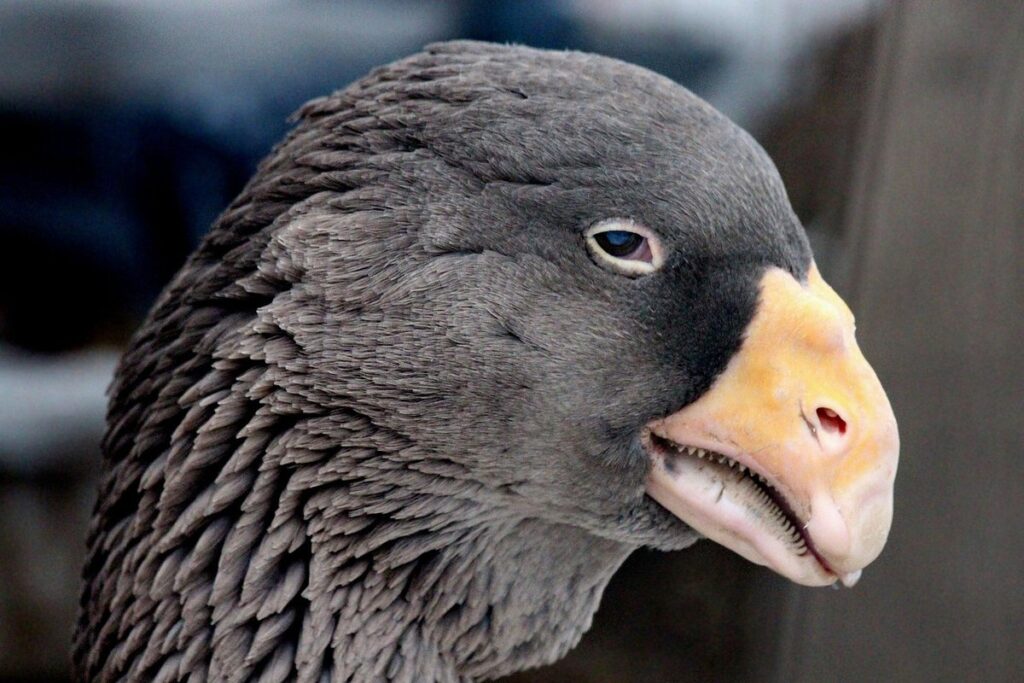
Introduction to Cold Hardy Geese
If you’re new to raising geese, understanding what makes a breed cold hardy is essential for keeping them happy and healthy in your backyard. This introduction will cover the basics of these incredible birds.
History and Origin of Cold Hardy Geese
Geese have been domesticated for thousands of years, with evidence suggesting that ancient civilizations such as the Egyptians and Romans kept geese as companions and for their meat. However, many modern breeds were specifically developed to thrive in harsh, cold climates. One such example is the Embden Goose, which originated in Germany in the 19th century.
These early breeders crossed various goose species to create a bird that could withstand the cold temperatures of northern Europe. They selected breeds with robust build, water-resistant feathers, and strong immune systems. The resulting birds were not only resilient but also prolific egg layers and relatively docile.
The development of cold hardy geese was largely driven by practical needs rather than aesthetic preferences. Farmers in harsh climates needed birds that could thrive on poor quality food sources and tolerate extreme temperatures. As a result, these breeds became essential for their owners’ livelihoods, providing meat, eggs, and companionship.
It’s worth noting that the development of cold hardy geese was not limited to Europe. In Asia, for example, Chinese breeders developed similar types of geese that were well-suited to their country’s climate.
Characteristics of Cold Hardy Geese
When it comes to cold hardy geese, there are several characteristics that set them apart from other breeds. One of the most notable physical traits is their thick plumage and feathering, which provides excellent insulation against harsh winter conditions. Their strong legs and feet also help them withstand extreme temperatures and weather.
In terms of temperament, cold hardy geese tend to be more assertive and protective of their territory than other breeds. They can make great watchdogs due to their loud honking and vigilant nature. However, this also means they require regular socialization and training to ensure they remain friendly and docile.
Their behavior is another key characteristic that makes them well-suited for colder regions. Cold hardy geese are naturally inclined to forage for food in the wild, which helps them adapt to changing environments and find sustenance during harsh winters. With proper care and management, they can thrive even in areas with extreme cold snaps.
If you’re considering keeping cold hardy geese as pets or for agricultural purposes, it’s essential to understand their unique characteristics and needs. By doing so, you’ll be better equipped to provide the necessary care and attention required to help them flourish in your specific climate.
Choosing the Right Breed for Your Needs
When choosing a cold hardy goose breed, it’s essential to consider your lifestyle, available space, and personal preferences to ensure you find a perfect match. Let’s explore the key factors to keep in mind.
Factors to Consider When Selecting a Breed
When selecting a cold hardy goose breed for your specific needs, several key factors come into play. First and foremost, consider the climate in which you live. Some breeds are more tolerant of extreme cold than others, so it’s essential to choose a breed that can thrive in your local conditions.
Next, think about the amount of space you have available. If you have limited yard space or live in an urban area, a smaller breed may be a better fit. For example, the Embden goose is known for its compact size and ability to adapt to small spaces. On the other hand, if you have a large farm or plenty of room to roam, a larger breed like the Toulouse may be more suitable.
You should also consider the purpose for which you want to keep geese. Do you need them for meat, eggs, or companionship? Some breeds are better suited to egg-laying, while others are prized for their meat quality. For instance, the American Buff goose is a popular choice for its high-quality eggs and friendly demeanor.
Ultimately, it’s essential to choose a breed that meets your specific needs and lifestyle. By considering these factors, you can select a cold hardy goose breed that will thrive in your environment and provide years of enjoyment and companionship.
Popular Cold Hardy Goose Breeds
When it comes to choosing cold hardy goose breeds for your backyard flock, you’ll want to consider several popular options that are well-suited to withstand harsh winters. One of the most recognizable and iconic breeds is the Toulouse Goose. Originating from France, these geese are known for their distinctive black feathers with white markings and exceptional cold-hardiness.
Another popular choice is the Embden Goose, which hails from Germany. These birds are renowned for their impressive size, reaching heights of up to 28 inches and weighing in at around 12 pounds. Their robust build makes them an ideal choice for colder climates.
The Chinese goose is also a hardy option that thrives in cold weather conditions. With their striking white feathers and vibrant orange beaks, they add a touch of elegance to any flock. However, it’s worth noting that Chinese geese can be more prone to honking, so if you live in close proximity to neighbors, this might not be the best choice.
Finally, consider the Sebastopol goose, known for its fluffy grey feathers and gentle nature. These birds are relatively small in size but make up for it with their friendly disposition and impressive egg-laying abilities.
Care and Management of Cold Hardy Geese
When caring for cold hardy geese, proper management is crucial to their overall health and well-being. In this important section, we’ll cover the essential care tips you need to know.
Housing and Shelter Requirements
When it comes to housing and sheltering your cold hardy geese, providing a safe and suitable environment is crucial for their health and well-being. A well-designed coop will protect them from harsh weather conditions, predators, and provide a comfortable space for rest and relaxation.
Consider building or purchasing a coop with adequate ventilation, insulation, and predator-proofing measures to ensure your geese stay safe and healthy. For example, a south-facing orientation can help maximize natural light and warmth during the winter months. Ensure the coop is at least 2-3 feet off the ground to prevent moisture buildup and reduce the risk of disease.
When it comes to location, choose a spot that provides protection from strong winds, extreme temperatures, and direct sunlight. A shaded area with some trees or shrubs can also help create a sense of security for your geese. Be sure to provide adequate space within the coop for 3-4 square feet per goose, and include nesting boxes, roosts, and feeding areas.
In addition to these requirements, make sure to check local building codes and regulations before constructing or modifying your coop. It’s also essential to consider the size of your flock when designing the coop, as larger flocks require more space and may need separate sections for different age groups or sexes.
Nutrition and Health Considerations
When it comes to caring for your cold hardy geese, nutrition and health considerations are crucial. Geese have specific dietary needs that must be met to ensure they stay healthy and thrive. A balanced diet rich in proteins, grains, and fiber is essential. Provide a mix of high-quality commercial goose feed, supplemented with fresh fruits, vegetables, and grains like oats and barley. Ensure access to clean water at all times.
Some common health issues in geese include respiratory problems, parasites, and diseases like avian cholera and histomoniasis. To prevent these, maintain good hygiene practices, such as regularly cleaning their living areas and disinfecting equipment. Vaccinations can also help protect against certain diseases. Monitor your geese’s behavior and watch for signs of illness or stress.
Regular check-ups with a veterinarian experienced in caring for waterfowl are essential to maintaining the health of your geese. Keep an eye out for common signs of illness, such as labored breathing, lethargy, or changes in droppings. By being proactive and aware of potential health issues, you can take steps to prevent them and ensure the well-being of your cold hardy geese.
Raising and Training Cold Hardy Geese
When it comes to caring for your cold hardy geese, raising them from goslings and training them is crucial to ensure they grow into healthy, well-behaved birds. This section will guide you through the process of raising and training your feathered friends.
Breeding and Hatching
Breeding and hatching cold hardy geese requires careful planning and attention to detail. When selecting stock for breeding, look for birds that demonstrate robust health, strong immune systems, and desirable traits such as aggressive foraging behavior and excellent adaptability to harsh climates.
It’s essential to choose parents with proven breeding success, having a strong understanding of the breed’s characteristics is crucial in making informed decisions. Research the specific breed you’re interested in and identify reputable breeders who have produced high-quality offspring.
When it comes to incubation, temperature control is paramount. Maintain an optimal temperature range of 99-100°F (37-38°C) for the first 24 hours, then reduce it by 1/2 to 3/4 degree every day thereafter until hatching. Turn eggs gently 2-3 times a day and ensure proper ventilation in the incubator.
A successful hatch rate requires attention to detail, patience, and knowledge of basic poultry husbandry.
Training and Socialization
When it comes to raising and training cold hardy geese, one of the most crucial aspects is their socialization. Geese are highly social animals that thrive on interaction and can become aggressive if they don’t receive proper attention and care. To introduce them to humans and other animals, start by letting them get used to your presence in their enclosure from a young age. You can do this by sitting near their pen, talking to them gently, and offering treats.
As they grow older, you can try hand-feeding them or allowing them to follow you around the yard. This will help them associate humans with positive experiences and reinforce their friendly nature. When introducing geese to other animals, such as chickens or ducks, do it gradually by keeping them separate at first and allowing them to get used to each other’s sounds and movements before releasing them together.
Remember, every goose is unique, so be patient and adapt your training methods accordingly. With consistent socialization and positive reinforcement, you can raise friendly and well-adjusted cold hardy geese that will bring joy to your life for years to come.
Cold Hardy Goose Breeds for Small Spaces
If you’re a small space owner dreaming of having geese, don’t worry – there are many cold hardy breeds that thrive in compact areas and tolerate chilly temperatures. Let’s explore some options!
Dwarf or Miniature Breeds
If you’re short on space but still want to keep geese as pets, consider dwarf or miniature cold hardy goose breeds. These compact birds are perfect for small backyards or urban areas where regular-sized geese might not be feasible.
Some popular dwarf or miniature breeds include the African Dwarf Goose and the Chinese Crested Black Miniature Goose. While these geese may be smaller in stature, they still require proper care and attention to thrive.
When selecting a miniature breed, make sure to choose one that is well-suited for your climate. Some cold hardy breeds, like the Sebastopol White Geese, can tolerate extreme temperatures while others may not be as tolerant.
In terms of housing, keep in mind that even small geese require adequate space to roam and exercise. Provide a secure, escape-proof enclosure with enough room for your geese to move around comfortably. With proper care and attention, dwarf or miniature cold hardy goose breeds can make wonderful additions to any small space.
Compact Breed Characteristics
When it comes to compact cold hardy goose breeds, several key characteristics make them ideal for small spaces. For instance, these geese are typically smaller in size compared to their larger counterparts, measuring around 20-25 inches in height and weighing between 8-15 pounds.
In terms of temperament, compact cold hardy goose breeds are often known for being friendly and approachable. They tend to be social birds that thrive on interaction with humans and other animals. Some popular examples include the Toulouse and the African, which are both considered excellent choices for small farms or backyard homesteads.
Egg-laying ability is another crucial aspect of compact cold hardy goose breeds. While their egg production may not match that of larger breeds, many compact geese can still lay an impressive 20-50 eggs per year, making them a reliable source of fresh eggs for small families or households.
It’s worth noting that some compact cold hardy goose breeds are better suited to specific climates and environments. Be sure to research the needs and adaptability of any breed you’re considering before bringing them home.
Cold Hardy Goose Breeds for Meat Production
If you’re looking for geese that can thrive in cold climates, some breeds stand out as ideal choices for meat production. Let’s explore these cold hardy goose breeds together.
Muscovy Geese: A Popular Choice
Muscovy geese have gained popularity in recent years due to their unique characteristics and cold hardiness. One of the primary advantages of Muscovy geese is their ability to thrive in a variety of climates, making them an ideal choice for farmers in colder regions.
When it comes to meat production, Muscovy geese are a top pick among breeders. They have a high feed conversion ratio, which means they require less food to produce the same amount of meat as other breeds. This not only reduces costs but also makes them a more sustainable option.
However, there are some disadvantages to consider. For instance, Muscovy geese can be quite aggressive and may not be suitable for small farms or those with limited space. Additionally, their eggs are larger than average, which can make them more difficult to incubate.
Despite these drawbacks, many farmers find that the benefits of Muscovy geese far outweigh the costs. With proper care and management, they can provide a steady supply of high-quality meat while also serving as a natural deterrent against predators.
Other Cold Hardy Breeds for Meat Production
In addition to Toulouse and Embden geese, several other cold hardy breeds are well-suited for meat production. The Sebastopol geese, with their unique, fluffier plumage, can be an excellent choice for farmers who want a more laid-back bird. They’re known for their excellent foraging abilities and can thrive in areas with minimal feed supplementation. As they mature, Sebastopols can weigh around 9-10 pounds, making them a great option for those looking for a smaller-scale meat production operation.
Another cold hardy breed worth considering is the African geese. These birds are incredibly adaptable and can do well in a variety of environments. They’re also relatively low-maintenance and require less feed than some other breeds. With proper care, African geese can reach weights of up to 12 pounds, making them an excellent choice for farmers who want a high-yielding bird that’s also easy to manage.
The Pilgrim geese are another cold hardy breed that’s gaining popularity among meat producers. They’re known for their exceptional foraging abilities and can thrive in areas with limited feed supplementation. As they mature, Pilgrims can weigh around 10-12 pounds, making them a great option for those looking for a high-quality meat bird that can handle harsher weather conditions.
When selecting any of these breeds for meat production, it’s essential to consider factors such as climate, available land, and feed resources. By choosing the right breed for your specific operation, you can ensure a successful and profitable meat production enterprise.
Conclusion: Embracing the Joy of Keeping Cold Hardy Geese
As you’ve reached the end of our comprehensive guide, let’s take a moment to appreciate the rewards and joys of keeping these incredible cold hardy geese on your farm or homestead.
Tips for Successful Keeping
As you’ve made it through this comprehensive guide on cold hardy goose breeds, we hope you’re feeling excited and motivated to bring these magnificent birds into your life. Keeping geese can be an incredibly rewarding experience, but it’s essential to understand the challenges that come with it.
First and foremost, remember that geese are social animals that thrive in flocks, so consider starting with at least two or three birds. This will not only provide them with companionship but also help you manage their energy levels and prevent boredom. Provide a spacious enclosure with adequate shelter, food, and water sources to ensure their comfort.
One of the biggest challenges new goose keepers face is noise management. Geese are loud, and if you live in an urban area or have close neighbors, this can be a concern. To mitigate noise issues, consider investing in a good quality sound-dampening enclosure or strategically placing their home to minimize disturbance.
Another critical aspect of successful geese keeping is establishing a regular routine. This includes providing daily exercise, such as walking or flying time, as well as regular cleaning and maintenance of their living space. Be prepared to make some changes to your daily schedule to accommodate the needs of your feathered friends.
In terms of rewards, there’s nothing quite like watching geese roam freely in a green meadow, feeling their soft down beneath your fingers, or listening to their soothing honks. With patience and dedication, you’ll soon find yourself enjoying the many benefits that come with keeping cold hardy geese – from fresh eggs to an enhanced sense of community.
By being aware of these challenges and rewards, you’ll be better equipped to provide a happy, healthy life for your new feathered companions.
Frequently Asked Questions
What’s the minimum space requirement for keeping cold hardy geese?
The ideal space for a small flock of geese depends on several factors, including the breed, climate, and intended use. As a general rule of thumb, provide at least 10-20 square feet per bird in a secure, predator-proof enclosure with adequate shelter and shade. This will help ensure their well-being and prevent overcrowding.
Can I keep cold hardy geese with other pets or animals on the same property?
Yes, many breeders have successfully integrated geese with dogs, cats, horses, and even chickens. However, it’s essential to consider introducing them slowly and under controlled circumstances to avoid conflicts. Provide separate enclosures for each species and ensure adequate space, food, and water resources.
How often should I clean the coop and living area of my cold hardy geese?
Cleanliness is crucial for maintaining a healthy flock! Remove soiled bedding and droppings at least once a week, or more frequently during extreme weather conditions. Disinfect all surfaces with a non-toxic solution to prevent disease transmission.
What are some essential nutrients I should provide to support the health of my cold hardy geese?
A balanced diet is vital for your flock’s overall well-being. Provide high-quality commercial feed as their main staple, supplemented with fresh fruits and vegetables (e.g., kale, carrots) during spring and summer months when possible. Ensure access to clean water at all times.
Can I breed and hatch cold hardy geese on my own property?
Breeding and hatching require specialized knowledge and equipment. If you’re new to raising geese, it’s recommended to start with purchasing day-old goslings or chicks from a reputable breeder or supplier. As your experience grows, you may consider attempting to breed and hatch your own flock.