
Collecting and storing eggs can be a delicate process, especially if you’re an avid backyard chicken keeper or homesteader. Not only do you want to ensure the health and safety of your flock, but also maintain the freshness and quality of their eggs. Choosing the right equipment for egg collection is crucial – from nesting boxes to egg washers, each tool plays a vital role in keeping your hens happy and healthy.
In this article, we’ll delve into safe egg collection techniques and optimal storage conditions that will help you keep your eggs fresh for longer. You’ll learn about temperature control, humidity levels, and even proper handling methods to prevent damage. Whether you’re just starting out or looking to refine your skills, by the end of this post, you’ll have a solid understanding of how to collect and store eggs safely and efficiently.
Importance of Proper Egg Handling
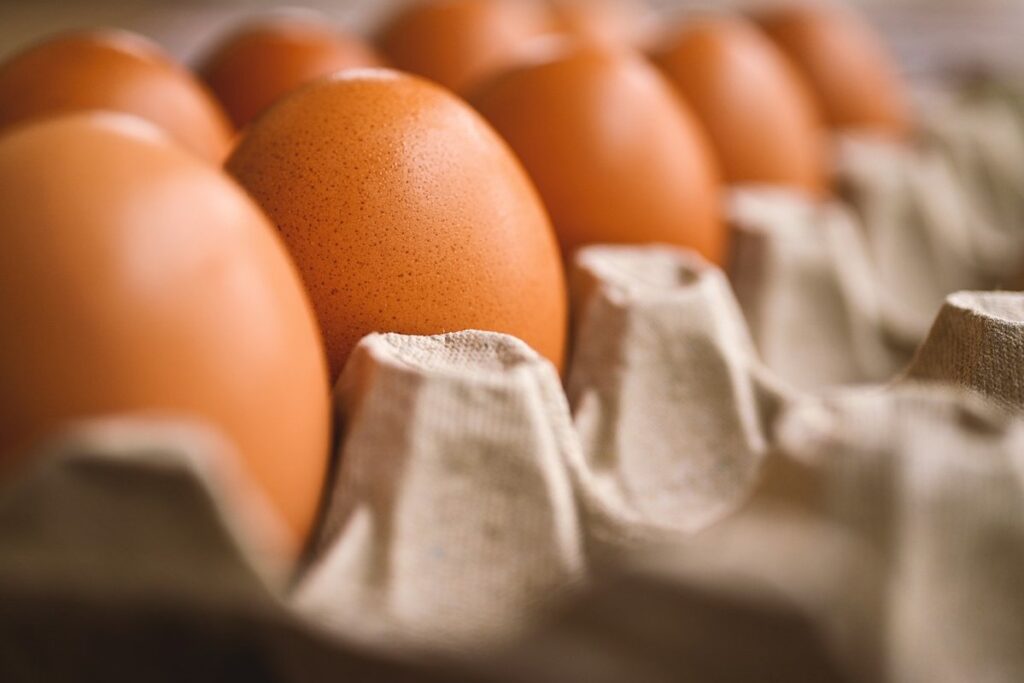
When collecting eggs, it’s crucial to handle them gently and carefully to avoid breakage, which can spread bacteria and compromise their quality. Let’s dive into the specific steps for proper egg handling.
Understanding Egg Safety Risks
Eggs can be vulnerable to bacterial contamination during collection and storage. Salmonella is one of the most common causes of foodborne illnesses linked to eggs. Temperature control plays a crucial role in preventing bacterial growth. Eggs should not be stored near direct sunlight, heat sources, or areas with high humidity.
Proper handling techniques are essential when collecting eggs from your backyard flock. Washing hands before and after handling eggs is vital to avoid transferring bacteria from your skin to the eggshells. Broken eggs can also pose a risk if they come into contact with other clean eggs, potentially contaminating them.
To minimize breakage during storage, it’s best to keep eggs in their original carton or container. This will prevent accidental drops and damage caused by shifting or moving eggs. Regularly checking the storage area for temperature fluctuations is necessary to ensure a safe environment for your eggs.
The Role of Hygiene in Egg Safety
Maintaining a clean environment when collecting and storing eggs is crucial to prevent cross-contamination. This is where hygiene plays a significant role in ensuring egg safety. When collecting eggs from the coop or nesting box, it’s essential to wear gloves to prevent the transfer of bacteria from your hands to the eggs. Regularly cleaning the nesting boxes with a disinfectant will also help reduce the risk of contamination.
Additionally, washing eggs under cold running water can help remove any dirt and debris that may have accumulated on the shell. However, this should be done gently as excessive force can damage the eggshell. It’s also essential to store clean eggs in a cool, dry place away from direct sunlight to prevent bacterial growth.
Cross-contamination can occur when eggs come into contact with other contaminated items or surfaces. To minimize this risk, ensure that all equipment and utensils used for handling eggs are thoroughly cleaned and sanitized regularly. By following these simple hygiene practices, you can significantly reduce the risk of contamination and ensure a safe egg collection and storage process.
Choosing the Right Egg Collecting Equipment
When it comes to egg collecting, having the right equipment is essential for a safe and successful experience. Let’s take a look at the must-haves for any backyard chicken keeper.
Types of Egg Collectors and Their Uses
When it comes to collecting eggs safely, having the right equipment is crucial. There are several types of egg collectors available, each with its unique features and benefits. For backyard chicken keepers, a simple egg collector that fits over the nesting box is often sufficient. These types of collectors usually have a sloping roof or lip to guide eggs into the container below.
More advanced egg collectors, such as those with automatic doors or sensors, are available for larger-scale operations. These can be beneficial in commercial settings where high egg production requires efficient and safe collection methods. Some egg collectors also come equipped with features like egg counting devices or built-in storage containers.
Regardless of the type, it’s essential to choose an egg collector that fits your specific needs and is easy to clean and maintain. Consider factors such as egg size, shape, and material when selecting a collector to ensure safe and efficient egg collection.
Selecting Egg Cartons or Trays for Storage
When selecting egg cartons or trays for storage, it’s essential to consider a few key factors to prevent breakage and maintain cleanliness. First, think about the material of the container. Plastic egg cartons are durable and easy to clean, making them a popular choice among backyard chicken keepers. However, they may not be suitable for large-scale operations or commercial egg collection.
Alternatively, you can opt for paper-based or pulp egg cartons, which are biodegradable and compostable. These are an excellent option if you’re looking for eco-friendly storage solutions.
Another consideration is the design of the container. Look for egg cartons with individual cups that keep eggs separate to prevent breakage during handling and transport. A tray with a lip or rim can also help contain any spills or messes, making cleaning easier.
In addition, consider the size and capacity of the carton or tray in relation to your needs. You’ll want to choose one that’s large enough to hold all your eggs but not so big that it becomes unwieldy or difficult to manage.
When purchasing egg cartons or trays, also look for any additional features such as ventilation holes to maintain airflow and prevent moisture buildup.
Safe Collection Techniques
When collecting eggs from your coop, it’s essential to handle them gently and with care to prevent breakage and contamination. Here, we’ll discuss safe methods for carefully collecting and storing eggs.
Collecting Eggs from the Nest Box
When collecting eggs from a nest box, it’s essential to handle them with care to avoid breakage. Start by gently opening the nesting box, and if you see an egg on top, carefully lift it out without touching its pointed end. This will prevent oils from your skin from transferring onto the eggshell.
For deeper collection, use both hands to scoop up eggs, keeping the nest intact as much as possible. Gently rock the nest back and forth to dislodge any hidden eggs, then tip it slightly to allow them to roll out. Always lift eggs by their flat ends to minimize pressure on the pointed areas.
To ensure a safe collection, consider placing soft bedding like wood shavings or straw under the nesting box. This will help cushion any dropped eggs and reduce breakage risk. When collecting multiple eggs, group them together in one container to prevent individual eggs from being jostled around during transport.
Handling Broken Eggs Safely
When handling broken eggs, it’s essential to prioritize cleanliness and hygiene to avoid contaminating other eggs or surfaces. Broken eggs can harbor bacteria like Salmonella, which can cause serious foodborne illnesses. To safely handle a broken egg:
* Move the egg away from clean eggs and other food items immediately.
* Use paper towels or a disposable cloth to carefully scoop up as much of the liquid content as possible without spreading it around. Do not use regular towels that may have come into contact with other foods, as this can transfer bacteria.
Proper disposal is also crucial in maintaining a safe collection process. Contain any remaining eggshell fragments in a sealed container or bag and dispose of them promptly in your trash. For outdoor environments, ensure broken eggs are disposed of in a leak-proof container to prevent attracting pests. If you’re handling multiple broken eggs, wash your hands thoroughly after each breakage to minimize the risk of cross-contamination.
Cleaning and Sanitizing Equipment
To keep your egg collection process safe, it’s crucial that all equipment is properly cleaned and sanitized after each use to prevent contamination. Regular cleaning will also help extend the life of your equipment.
The Importance of Regular Cleaning
Regular cleaning of egg collecting equipment is crucial to prevent bacterial growth that can contaminate eggs. When you collect eggs from your coop, bacteria such as Salmonella and E. coli can easily transfer onto the eggs, posing a risk to human health.
To put this into perspective, consider a study by the Centers for Disease Control and Prevention (CDC) which found that over 50% of egg farms in the United States had Salmonella-positive samples on their equipment. This highlights the importance of regular cleaning practices to ensure a safe egg collection process.
To maintain clean equipment:
* Wash your hands thoroughly before handling eggs.
* Use soap and warm water to regularly wash the egg collecting container, making sure to scrub all surfaces including any nooks or crannies where bacteria can hide.
* Sanitize equipment with a solution of 1 part bleach to 30 parts water after each use.
* Allow equipment to air dry completely between uses.
By following these simple steps and incorporating regular cleaning into your routine, you can significantly reduce the risk of bacterial contamination on eggs.
Effective Sanitizing Methods and Products
When it comes to collecting eggs safely, sanitizing your equipment is crucial to preventing contamination and ensuring the health of both humans and poultry. To effectively sanitize your egg collection tools, you have a variety of products at your disposal.
Vinegar-based solutions are a popular choice for sanitizing egg collecting equipment due to their natural ingredients and gentle nature. However, they may not be as effective against all types of bacteria. Bleach is another option that can be more potent in killing bacteria, but it must be used with caution and carefully diluted according to the manufacturer’s instructions.
Other products like quaternary ammonium compounds (quats) are also widely used for sanitizing equipment. They come in various forms such as sprays or wipes, making them easy to apply directly onto surfaces. Whatever product you choose, make sure it is specifically designed for use on poultry equipment and follows the recommended dilution ratios.
When sanitizing your egg collection tools, pay close attention to areas that come into contact with eggs, like handles and cracks in surfaces. Sanitizing these areas regularly will help prevent bacterial contamination from affecting your eggs and ultimately the consumers who handle them.
Storing Eggs Safely
To keep eggs fresh and prevent spoilage, it’s essential to store them properly in a cool, dry place, away from direct sunlight and moisture. Follow these simple tips for safe storage.
Optimal Storage Conditions for Eggs
When storing eggs safely, maintaining optimal storage conditions is crucial to extend their shelf life and prevent spoilage. The ideal temperature for egg storage is between 33°F (0°C) and 40°F (4°C). This range slows down the growth of bacteria and other microorganisms that can cause eggs to spoil.
To maintain a consistent temperature, consider storing eggs in a refrigerator with an adjustable thermostat or investing in a dedicated egg storage container with built-in cooling. Avoid placing eggs near direct sunlight, heat sources, or drafty areas, as these conditions can compromise their quality.
Humidity levels should be kept between 50% and 60% to prevent moisture from accumulating on the eggs’ surface. You can achieve this by storing eggs in a sealed container or bag with silica gel packets to absorb excess moisture.
Proper ventilation is also essential. Store eggs away from strong-smelling foods, as odors can transfer easily to the eggs. If you’re storing large quantities of eggs, consider using airtight containers to maintain a stable environment and prevent contamination. By following these guidelines, you’ll be able to store your eggs safely and enjoy their freshness for a longer period.
Labeling and Organizing Stored Eggs
Labeling and organizing stored eggs is crucial to maintaining their freshness and safety. When it comes to inventory management, a first-in, first-out (FIFO) system is essential. This means that the oldest eggs should be consumed or used before newer ones. To implement this system effectively, label each carton with its date of laying or purchase.
Use a marker to write the date on the egg carton in a clear and legible manner. This will ensure that you can easily identify which eggs are older and need to be prioritized for consumption. You can also use color-coded labels to categorize eggs by their age, making it even easier to manage your inventory.
For example, let’s say you have two egg cartons with different dates. One has a date of March 1st, while the other has a date of April 15th. When it comes time to cook, prioritize the eggs from March 1st first, and then move on to the newer eggs. By following this FIFO system, you’ll ensure that your stored eggs remain safe and fresh for consumption.
To take labeling and organizing to the next level, consider implementing a rotation schedule for your egg storage area. This will help maintain a consistent flow of older eggs being used before newer ones.
Monitoring Egg Freshness
When collecting eggs from your backyard flock, monitoring their freshness is crucial to prevent consumption of spoiled eggs. This section will guide you on simple ways to check for egg freshness.
Signs of Spoilage in Eggs
When it comes to egg freshness, being able to identify potentially hazardous eggs is crucial. One of the most obvious signs of spoilage in eggs is visible cracks on their surface. If you notice even a small crack, it’s best to err on the side of caution and discard the egg immediately.
Another telltale sign of spoilage is an unusual odor emanating from the egg. If it smells strongly of sulfur or has a pungent, ammonia-like smell, it’s likely spoiled. On the other hand, a fresh egg should have a clean, slightly sweet aroma.
In addition to cracks and odors, sliminess on the eggshell can also indicate spoilage. When an egg is new, its shell should feel dry and smooth. If you notice any sticky or tacky patches on the surface, it’s best to discard the egg.
To ensure safe collection and storage practices, always check eggs regularly for signs of spoilage before storing them in your refrigerator.
Regular Inspection and Rotation of Stored Eggs
Regular inspections of stored eggs are crucial to maintain their freshness and safety. You should check on them at least once a week by looking for signs of spoilage such as cracks, broken shells, or an off smell. Make sure the carton is clean, dry, and not damaged.
When storing eggs, it’s essential to rotate your stock regularly to ensure the oldest eggs are used first. This means placing the new batch at the back of the storage area and moving the existing ones forward. You can also label each batch with the date they were stored, making it easier to identify which ones are oldest.
To maintain a first-in-first-out system, consider implementing a rotation schedule. For example, you can use the “FIFO” method, where you use up the eggs that have been stored for the longest period of time before opening new cartons. This will prevent older eggs from getting pushed to the back and forgotten, reducing the risk of spoilage and foodborne illnesses.
Conclusion
In conclusion, safe egg collection and storage practices are essential for maintaining the quality and safety of your eggs. By following the guidelines outlined in this post, you’ll be well on your way to ensuring a steady supply of healthy eggs from your own backyard flock. Remember to always clean and sanitize any equipment before use, handle eggs with care, and store them in a cool, dry place. Don’t forget to check your storage containers regularly for signs of spoilage or contamination. With a little practice and patience, you’ll become an egg collection pro, confident in the knowledge that your family is getting the freshest, safest eggs possible. By prioritizing safe practices, you’re not only protecting your family’s health but also ensuring the long-term sustainability of your backyard egg-laying operation.
Frequently Asked Questions
How often should I clean and sanitize my egg collecting equipment?
It’s essential to regularly clean and sanitize your egg collecting equipment, ideally every week or after each collection cycle, depending on the size of your flock. This will help prevent bacterial buildup and maintain cleanliness. Use a gentle soap solution for cleaning, followed by sanitizing with a food-safe disinfectant.
Can I store eggs in the refrigerator door?
No, it’s best to avoid storing eggs in the refrigerator door as this area can be too humid and may affect the quality of your eggs. Instead, place them on a middle or upper shelf at 40°F (4°C) for optimal storage conditions.
How do I know if my stored eggs are still fresh?
You can check for signs of spoilage by gently tapping an egg; a spoiled egg will have a visible crack or soft spot. Also, check the expiration date or storage duration specified when you purchased the cartons or trays. Regularly inspect your stored eggs and rotate them every week to ensure the oldest ones are used first.
What should I do if I notice mold on my stored eggs?
If you notice mold on your stored eggs, discard them immediately as they can be contaminated with bacteria that may cause foodborne illnesses. Always prioritize food safety when storing eggs, especially if you have a large flock or store eggs for extended periods.
Can I collect eggs from the nesting box during peak laying seasons?
Yes, it’s generally safe to collect eggs from the nesting box during peak laying seasons as long as you maintain proper hygiene and handling techniques. However, be cautious of potential overcrowding and ensure your nest boxes are clean and well-maintained to prevent stress on your hens.