
The Colombian Plymouth Rock chicken breed has been gaining popularity among backyard chicken enthusiasts, and for good reason. This unique bird is not only rich in history but also boasts some impressive characteristics that make it an ideal choice for small-scale farmers and homesteaders. With its gentle nature, cold-hardiness, and high egg-laying capacity, the Colombian Plymouth Rock chicken has become a favorite among those looking to start or expand their backyard flock.
In this comprehensive guide, we’ll delve into the fascinating history of the breed, explore its distinct characteristics, and discuss its various uses in small-scale farming and homesteading. Whether you’re a seasoned chicken keeper or just starting out, this article will provide you with valuable insights and information to help you make informed decisions about incorporating Colombian Plymouth Rock chickens into your flock.
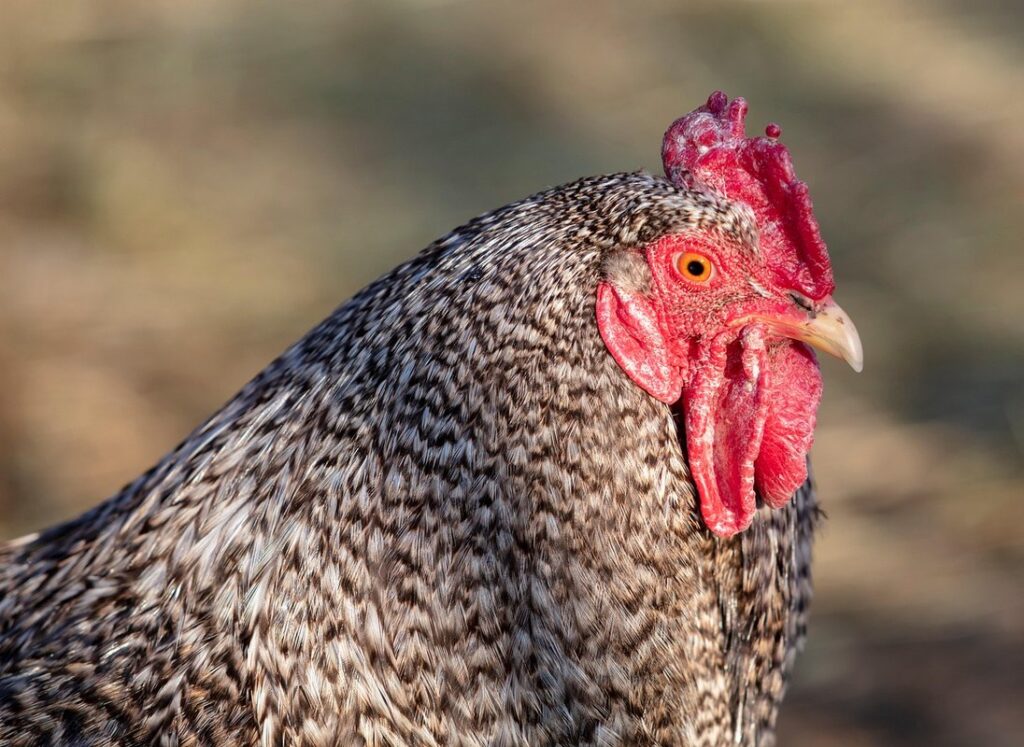
History and Origin
The Colombian Plymouth Rock chicken has a fascinating history, which dates back to its origins as a cross between two popular breeds: the Plymouth Rock and the Cornish. Let’s dive into the story of how this beloved breed came to be.
Discovery in South America
The discovery of the Colombian Plymouth Rock chicken’s ancestors is a fascinating story that takes us to the heart of South America. In the early 2000s, a flock of heritage birds was discovered in Colombia by poultry enthusiasts and breeders. These birds were unlike any others found in the region – they possessed exceptional hardiness, rich egg-laying abilities, and a remarkable constitution that allowed them to thrive in challenging environments.
The discovery sparked immense interest among bird enthusiasts, breeders, and scientists alike, who recognized the potential of these Colombian heritage birds to contribute to the global poultry gene pool. After thorough evaluation and selection, a group of these birds was imported into the United States, where they would eventually give rise to the Colombian Plymouth Rock chicken we know today.
The introduction of these Colombian birds marked a significant milestone in the development of the breed, allowing for cross-breeding with other popular breeds and the creation of a distinct and robust chicken strain. This cross-pollination has resulted in a bird that excels in both its hardiness and egg-laying abilities, making it an attractive choice for backyard farmers and enthusiasts alike.
Early Impressions and Initial Breeding Programs
When the Colombian Plymouth Rock chicken was first introduced to American poultry enthusiasts, it made a lasting impression. The breed’s unique characteristics, such as its striking white and black plumage, friendly demeanor, and high egg-laying capacity, caught the attention of many backyard chicken keepers.
Initial breeding programs focused on developing the breed’s signature traits, including its impressive size, hardiness, and ability to thrive in various climates. American poultry enthusiasts were impressed by the Colombian Plymouth Rock’s adaptability and robust health, making it an attractive choice for small-scale farmers and homesteaders.
One of the earliest recorded breeding programs was conducted by a group of poultry enthusiasts in California who worked tirelessly to perfect the breed’s characteristics. Their efforts paid off, resulting in a flock that excelled in both egg production and overall hardiness. By understanding the early breeding programs and initial impressions of this breed, you can better appreciate its development and make informed decisions about incorporating it into your own backyard flock.
Key Figures in the Breed’s Development
The development of the Colombian Plymouth Rock chicken is largely attributed to the efforts of several key figures who played a crucial role in shaping the breed’s characteristics. One such figure is J.C. Lee, a poultry enthusiast and breeder from Colombia, who is often credited with introducing the breed to South America. Lee’s initial goal was to create a hardy, prolific egg-layer that could thrive in the challenging tropical climate of his native country.
Through selective breeding, Lee achieved remarkable success, producing birds that not only excelled in egg production but also demonstrated exceptional durability and disease resistance. His work laid the foundation for the breed’s widespread adoption in Colombia and beyond. Another important figure is Don Pedro, a Colombian farmer who further refined the breed by introducing new genetic traits that enhanced its adaptability to different environments.
The combination of Lee’s initial breeding efforts and Don Pedro’s refinements has resulted in a robust and resilient bird that has become synonymous with South American poultry production.
Physical Characteristics and Breed Standards
The Colombian Plymouth Rock chicken has some distinctive physical characteristics that set it apart from other breeds, as well as specific breed standards to look out for. Let’s take a closer look at what makes this bird unique.
Weight, Size, and Body Type
The Colombian Plymouth Rock chicken is a medium-sized breed that falls within a standard weight range of 6-8 pounds for roosters and 4-6 pounds for hens. This size allows them to be easily managed on small farms or in backyard flocks, making them an excellent choice for hobbyists and commercial producers alike.
In terms of body type, the Colombian Plymouth Rock is characterized by a sturdy build, with broad chests and well-sprung ribs. Their skeletons are strong and dense, contributing to their impressive muscular development. Their short, compact bodies make them ideal for egg production, as they are able to store energy efficiently without excessive muscle mass.
One of the most distinctive features of the Colombian Plymouth Rock is their egg-laying capacity, which averages around 280 large brown eggs per year. This prolificacy makes them an excellent choice for small-scale farmers or families seeking a reliable source of fresh eggs.
Feathering and Plumage
One of the most distinctive and recognizable features of the Colombian Plymouth Rock chicken is its unique feathering and plumage. These birds have a special appeal to many backyard chicken enthusiasts due to their attractive appearance. The Colombian Plymouth Rock’s feathers are known for being vibrant, with rich colors that add to their charm.
In terms of specific characteristics, the Colombian Plymouth Rock has a medium-length coat with a soft, fluffy texture. The hackle and saddle feathers on these birds are particularly striking, often featuring bold patterns and bright hues. This breed’s plumage is also well-suited for cold climates, as it provides excellent insulation to keep them warm during winter months.
For those who plan to raise Colombian Plymouth Rock chickens, it’s worth noting that their unique feathering can make them more susceptible to heat stress in warmer environments. As such, owners will need to take extra precautions to ensure these birds stay cool and hydrated in hot weather conditions.
Egg-Laying Capacity and Broodiness
Colombian Plymouth Rock chickens are renowned for their exceptional egg-laying capacity and broodiness. On average, a healthy Colombian Plymouth Rock hen will lay around 200-220 large brown eggs per year. However, some individuals have been known to produce up to 250 eggs annually.
As for broodiness, these birds have a strong instinct to sit on their eggs and raise their young. They make excellent mothers, with many breeders using them as setters in hatcheries. To encourage broodiness, provide your hen with plenty of nesting boxes and a safe, quiet environment where she can focus on her eggs.
When it comes to egg production, be sure to offer your Colombian Plymouth Rock hens a balanced diet rich in calcium to support their reproductive health. A mix of layer feed, fresh vegetables, and fruits will help maintain their egg-laying capacity throughout the year. Additionally, ensure they have access to clean water at all times.
Keep in mind that these birds can become overly broody if not managed properly. Limiting their access to fertile eggs or providing artificial incubation options can help prevent excessive broodiness. With proper care and management, your Colombian Plymouth Rock chickens will reward you with an abundance of fresh eggs and a sense of accomplishment.
Temperament and Handling
When it comes to owning a Colombian Plymouth Rock chicken, understanding their temperament and handling needs is crucial for a harmonious relationship. We’ll delve into what you can expect from these birds in this section.
Gentle Nature and Docility
When it comes to temperament, the Colombian Plymouth Rock chicken truly shines. Known for their gentle nature and docility, these birds are a delight to be around. They’re perfect for families with children or for those who want a stress-free backyard flock.
One of the key characteristics of the Colombian Plymouth Rock is its calm demeanor. Unlike some other breeds that can be skittish or aggressive, this bird is remarkably laid-back. This makes them an excellent choice for first-time chicken keepers or for people who don’t have much experience with poultry.
In fact, the Colombian Plymouth Rock has been described as “sweet” and “affectionate” by many owners. They’re happy to follow their owners around the yard, enjoying attention and treats in equal measure. With proper socialization from an early age, they can even become quite tame, allowing children to pick them up and cuddle them.
This gentle nature makes them a joy to care for, as they’re easy-going and adaptable. Whether you live in a small city garden or a large rural property, the Colombian Plymouth Rock will fit right in with your lifestyle.
Feeding and Exercise Requirements
When it comes to feeding and exercising your Colombian Plymouth Rock chickens, you’ll want to strike the right balance to keep them happy and healthy. These birds are known for their hardiness and adaptability, but they still require a well-planned diet and regular physical activity.
A good starting point is to provide a balanced commercial feed as the main staple of their diet. This can be supplemented with fresh fruits and vegetables, such as leafy greens, carrots, and berries. Avoid giving them high-protein foods like meat or dairy products, as this can lead to obesity and other health issues.
In terms of exercise, Colombian Plymouth Rock chickens are active birds that need space to roam and forage. Provide a spacious coop with adequate ventilation, and consider letting them free-range in a secure outdoor area during the day. Aim for at least 2-3 square feet of floor space per bird inside the coop, and ensure they have access to dust baths to keep their feathers clean and healthy.
Remember to also provide regular changes in their surroundings, such as new toys or scratching posts, to prevent boredom and stress.
Compatibility with Other Poultry
When it comes to compatibility with other poultry, Colombian Plymouth Rock chickens are known for being gentle and laid-back. They get along well with most breeds, making them a great addition to larger flocks.
One of the key benefits of keeping Colombian Plymouth Rocks is that they’re excellent mother hens. They’ll often go out of their way to help care for other birds’ chicks, which can be particularly helpful if you have a diverse flock.
In terms of compatibility with specific breeds, they tend to get along well with smaller breeds like Leghorns and Polish chickens. However, it’s not uncommon for them to establish a pecking order within the flock, so introducing them to existing birds should be done gradually.
It’s also worth noting that Colombian Plymouth Rocks are relatively quiet compared to some other breeds, which can make them a great choice if you live in close proximity to neighbors.
Overall, their calm demeanor and friendly nature make them an excellent choice for backyard flocks or homesteads with other poultry.
Breeding and Raising Tips
If you’re planning to raise a flock of Colombian Plymouth Rock chickens, breeding and raising them successfully is key. In this section, we’ll share our expert tips on how to do just that.
Selecting Suitable Mates
When it comes to breeding the Colombian Plymouth Rock chicken, selecting suitable mates is crucial for producing healthy, high-quality offspring. You’ll want to choose birds that excel in desired traits such as egg-laying ability, temperament, and feather quality.
To start, consider the age of the birds you plan to breed. Ideally, they should be at least 6-8 months old and have reached sexual maturity. This ensures that both males and females are physically and mentally ready for breeding.
Another important factor is temperament. Colombian Plymouth Rock chickens are known for their friendly and docile nature, so it’s essential to choose mates with similar temperaments. Avoid birds that exhibit aggressive behavior, as this can lead to stress and decreased egg production in the flock.
In terms of physical characteristics, look for birds with well-developed plumage, a sturdy build, and good egg-laying ability. You may also want to consider genetic diversity when selecting mates, as this can help prevent inherited health issues and promote overall flock health. By carefully choosing your breeding stock, you’ll be one step closer to raising healthy, thriving Colombian Plymouth Rock chickens.
Hatching, Chicks, and Growth Stages
When it comes to raising your own Colombian Plymouth Rock chickens, understanding their growth stages is crucial for providing optimal care. The hatching process typically takes around 21 days, but this can vary depending on factors like breed and environmental conditions.
As the eggs start to pip (break open), you’ll notice a slight decrease in temperature and a corresponding increase in humidity. Around 24-48 hours before hatch, the chicks will begin to move and make noise inside the eggshell. Once hatched, they’re fragile and require constant supervision.
In the first week, chicks rely heavily on their yolk sac for nutrition, so it’s essential to provide them with a starter feed rich in protein. The growth stages are as follows: 1-3 days – Chicks rely on yolk sac; 4-7 days – Start weaning from yolk sac and introduce starter feed; 8-14 days – Continue starter feed and provide grit for digestive health.
As your chicks grow, they’ll require more space and a balanced diet that includes calcium and protein. It’s also crucial to ensure they have access to fresh water at all times. By being aware of these growth stages and providing proper care, you can help your Colombian Plymouth Rock chickens thrive from day one.
Managing Flock Health and Hygiene
When it comes to managing flock health and hygiene with Colombian Plymouth Rock chickens, there are several key considerations. First and foremost, make sure your coop is well-ventilated and dry to prevent the buildup of ammonia from droppings. A general rule of thumb is to provide at least 3 square feet of space per bird inside the coop, but more is better.
Regular cleaning is also essential – aim for a daily clean-up of the feeding and watering areas, with a full coop scrub every week or two. Don’t forget about the importance of providing plenty of fresh water at all times. It’s also crucial to establish a routine for monitoring your birds’ overall health, checking for signs of illness or injury on a regular basis.
In terms of vaccinations, while it may not be necessary in areas with low disease prevalence, consult with a local veterinarian to determine the best course of action for your specific flock. Furthermore, ensure that any new additions to your flock are properly quarantined and vaccinated before introducing them to the main group.
Uses and Popularity
Colombian Plymouth Rock chickens are known for their versatility, making them a popular choice among backyard farmers and breeders. This section explores their various uses and why they remain so well-liked.
Dual-Purpose Breed
As a breeder or owner of Colombian Plymouth Rock chickens, it’s essential to understand their dual-purpose nature. These birds are not just egg producers but also provide a substantial amount of meat for the table. Their unique characteristics make them an excellent choice for backyard farmers and small-scale poultry enthusiasts.
In terms of egg production, Colombian Plymouth Rock hens are prolific layers, producing around 200-220 brown eggs per year. This is significantly higher than many other heritage breeds, making them an attractive option for those looking to supplement their family’s egg supply. However, it’s worth noting that these birds are not as light-producing as some commercial breeds, so you may need to provide supplemental lighting during the winter months.
As a meat bird, Colombian Plymouth Rock chickens are known for their tender and flavorful flesh. They are typically ready for harvest at around 12-14 weeks of age, making them a great choice for families or small-scale producers who want to raise birds from scratch. With proper care and handling, you can expect a carcass weight of around 3-4 pounds per bird.
Growing Demand and Increasing Popularity
In recent years, the demand for the Colombian Plymouth Rock chicken has experienced a significant surge, making it one of the most sought-after breeds among backyard flock enthusiasts and commercial farmers alike. This rise in popularity can be attributed to various factors.
One reason is the breed’s remarkable adaptability and hardiness, allowing them to thrive in diverse environments and climates. For instance, they excel in hot and humid conditions, making them an ideal choice for tropical regions or areas with extreme temperature fluctuations. Additionally, their ability to lay a generous number of large eggs, often exceeding 300 per year, has made them a favorite among families and commercial farmers seeking efficient egg production.
The breed’s gentle nature, which is essential for human interaction in backyard settings, also contributes to its growing popularity. Their docile temperament makes them an excellent choice for first-time chicken keepers or those who want to introduce children to the joys of raising chickens.
Comparison with Other Heritage Breeds
When compared to other heritage breeds, the Colombian Plymouth Rock chicken stands out for its unique combination of hardiness and egg-laying abilities. The Ameraucana, another popular heritage breed, has a similar ability to thrive in extreme temperatures but lays fewer eggs per year. In contrast, the Colombian Plymouth Rock can produce up to 200 large brown eggs annually, making it a more practical choice for backyard chicken keepers.
Another key difference is the temperament of the birds. While some heritage breeds can be flighty and skittish, the Colombian Plymouth Rock is known for its calm and docile nature. This makes them an excellent choice for families with children or for those who are new to raising chickens. Additionally, their moderate size means they require less space than larger breeds like the Orpington, making them ideal for small backyards.
When choosing a heritage breed, it’s essential to consider your specific needs and preferences. If you’re looking for a hardy, egg-laying bird with a gentle disposition, the Colombian Plymouth Rock is an excellent choice. With proper care and attention, they can thrive in a variety of environments and provide years of reliable egg production.
Resources and Where to Find More Information
If you’re interested in learning more about the Colombian Plymouth Rock Chicken, here are some reliable resources where you can find even more information.
Online Communities and Forums
Joining online communities and forums dedicated to the Colombian Plymouth Rock chicken can be an excellent way to connect with fellow breeders, learn from experts, and stay updated on the latest developments in this fascinating breed. There are several platforms where you can engage with others who share your passion for these birds.
Some popular options include Facebook groups, such as “Colombian Plymouth Rock Breeders” or “CPR Chicken Enthusiasts,” where you can ask questions, share knowledge, and participate in discussions. You can also explore online forums like BackYard Chickens or The Poultry Forum, which cater to poultry enthusiasts and offer a wealth of information on various breeds, including the Colombian Plymouth Rock.
To get started, simply search for relevant groups or forums using keywords like “Colombian Plymouth Rock chicken” or “CPR breeders.” Joining online discussions can help you build relationships with fellow enthusiasts, gain valuable insights, and stay informed about best practices in breeding and caring for these remarkable birds.
Breeders, Suppliers, and Local Clubs
If you’re interested in bringing home a Colombian Plymouth Rock chicken, you’ll want to start by connecting with reputable breeders and suppliers. These individuals can provide you with top-quality birds that meet the breed’s specific standards.
To find a reliable breeder or supplier, begin by searching online for local breeders who specialize in Colombian Plymouth Rocks. You can also check out poultry shows and events in your area to network with other enthusiasts and learn about their breeding programs. Some popular online marketplaces like Craigslist and Facebook Marketplace may also have listings for chickens, but be sure to exercise caution when dealing with private sellers.
Another valuable resource is local chicken clubs or breed associations. These groups often have a wealth of knowledge about the Colombian Plymouth Rock and can connect you with reputable breeders who are committed to preserving this unique breed.
Frequently Asked Questions
Can I keep Colombian Plymouth Rock chickens in colder climates?
Yes, these birds are known for their cold-hardiness, making them an excellent choice for farmers and homesteaders living in areas with harsh winters. However, it’s essential to provide proper shelter and ensure adequate ventilation to protect your flock from extreme weather conditions.
How do I integrate Colombian Plymouth Rock chickens into my existing backyard flock?
When introducing new birds to your flock, make sure to follow a gradual acclimation process to prevent stress and potential conflicts. Start by keeping the new birds separate for a few days before introducing them to the rest of the flock under close supervision.
What are some common health issues I should be aware of in Colombian Plymouth Rock chickens?
As with any breed, it’s essential to monitor your flock’s health closely and take preventative measures. Keep an eye out for signs of respiratory problems, mites, and lice, and ensure your birds have access to clean water and a balanced diet.
Can I use Colombian Plymouth Rock chickens as mothers for my chicks?
Yes, these birds are known for their broodiness and excellent mothering instincts, making them an ideal choice for raising hybrid or purebred chicks. With proper care and management, you can take advantage of their nurturing abilities to raise healthy and robust offspring.
How do I determine the sex ratio in a batch of Colombian Plymouth Rock chickens?
Determining the sex of young chickens can be challenging, but there are several methods you can try, such as vent sexing or using sex-linked breeds. Keep in mind that accuracy rates may vary depending on your level of experience and the method used.