
The Colombian Wyandotte is one of those special breeds that’s hard to find, but worth getting your hands on. Not only are they stunningly beautiful with their iridescent feathers, but they’re also known for being friendly and gentle, making them perfect for families or first-time owners who want a low-maintenance pet. As a rare breed, the Colombian Wyandotte requires special care and attention to thrive. If you’re considering bringing one of these lovely birds into your flock, it’s essential to understand their needs and requirements.
This article will delve into the history and characteristics of the Colombian Wyandotte, exploring what makes them unique and why they make great pets for beginners. We’ll cover everything from their temperament and health considerations to their specific care and feeding requirements. Whether you’re a seasoned chicken owner or just starting out, this guide will provide you with all the information you need to ensure your Colombian Wyandotte lives a happy and healthy life.
History and Origins of the Colombian Wyandotte
The Colombian Wyandotte has a rich history that dates back to the 19th century, when it was developed in the United States from various breeds. Let’s take a closer look at its fascinating origins.
Early Beginnings in the United States
The Colombian Wyandotte’s rich history began taking shape in the late 19th century in the United States. It was during this time that breeders started experimenting with the American Game fowl to create a new and unique bird. This crossbreeding effort aimed to produce a sturdy, vibrant, and high-quality bird that would excel in both its appearance and temperament.
One of the key characteristics of the Colombian Wyandotte’s early development was its focus on size and plumage. Breeders sought to create birds with impressive feathering, specifically targeting the breed’s signature copper-and-white coloration. Through careful selection and breeding, they successfully created a bird that not only looked stunning but also possessed the strength and vitality required for exhibition.
The Colombian Wyandotte quickly gained popularity among poultry enthusiasts due to its striking appearance and impressive characteristics. As interest in this breed grew, so did the number of breeders working to refine its traits, ultimately leading to its recognition as a distinct breed by various poultry associations.
Influences from Other Breeds
One of the most fascinating aspects of the Colombian Wyandotte’s history is its crossbreeding with other breeds. The Wyandotte itself was a significant influence on this breed’s development, and it’s easy to see why: both share similarities in their majestic appearance and proud demeanor. In fact, many experts argue that the Colombian Wyandotte owes much of its striking plumage to the Wyandotte’s own iridescent feathers.
But the Wyandotte wasn’t the only breed to leave its mark on the Colombian Wyandotte. The Old English Game Fowl also played a role in shaping this breed’s unique characteristics. This ancient breed is known for its aggressive temperament and compact size, traits that have been incorporated into the Colombian Wyandotte’s own personality. By combining the best qualities of these two breeds, farmers were able to create a bird that was both stunningly beautiful and robustly healthy.
Today, it’s still possible to spot remnants of this crossbreeding in the Colombian Wyandotte’s physical appearance and behavior. If you’re considering adding one of these birds to your flock, keep an eye out for its impressive plumage, feisty attitude, and undeniable charm.
Key Characteristics Developed
One of the most striking aspects of the Colombian Wyandotte is its unique characteristics, developed through selective breeding. This careful process has resulted in a breed that stands out from others for its exceptional traits. For instance, its beautiful plumage features a distinctive sheen and rich coloration, with patterns that can include iridescent blues, greens, and purples.
Through generations of intentional selection, breeders have also emphasized the breed’s impressive size and muscular build. Colombian Wyandottes are known to be robust birds with sturdy legs and strong wings, making them well-suited for free-ranging or as active backyard pets. Another notable development is their friendly and affectionate nature – these birds thrive on interaction and can become incredibly devoted companions.
It’s worth noting that the Colombian Wyandotte’s exceptional characteristics make it a highly sought-after breed among serious poultry enthusiasts. With proper care and attention, owners can bring out the best in this remarkable bird.
Physical Characteristics of the Colombian Wyandotte
When it comes to the physical characteristics that make the Colombian Wyandotte truly stand out, there are a few key features you’ll want to keep in mind. From size to plumage, let’s take a closer look.
Plumage and Color Varieties
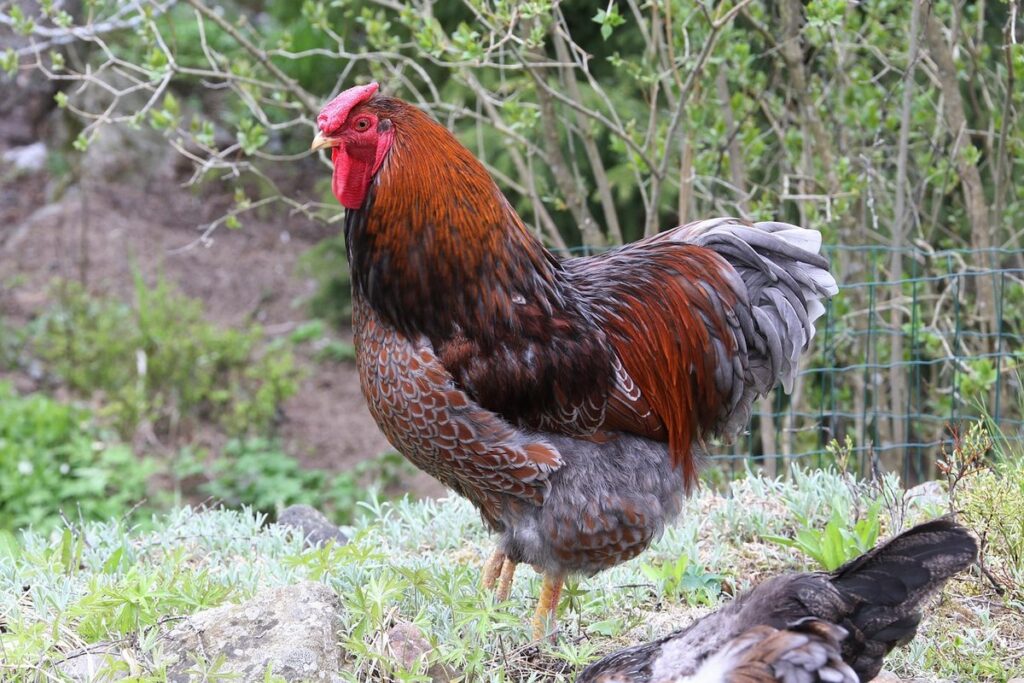
When it comes to the Colombian Wyandotte’s physical characteristics, its stunning plumage is undoubtedly one of its most striking features. This breed boasts a wide range of colors that make each individual bird uniquely beautiful.
One of the most notable color varieties is the silver-laced, which features a delicate sheen on its feathers, giving it an ethereal quality. The gold-laced variety, on the other hand, has a warm, sun-kissed appearance that’s perfect for those who want to add a touch of elegance to their flock.
In addition to these metallic shades, the Colombian Wyandotte can also be found in solid colors such as white and blue. These birds have a clean, crisp look that’s sure to turn heads. And for those who prefer a more dramatic appearance, there’s the black variety, which has a sleek, sophisticated vibe.
When choosing a color variety, consider your personal style and the overall aesthetic you want to achieve in your backyard or farm. With its stunning plumage and numerous color options, the Colombian Wyandotte is sure to add a touch of beauty and charm to any setting.
Size and Weight
When it comes to the physical characteristics of the Colombian Wyandotte, one of the most striking features is their size and weight. Males of this breed typically weigh between 8-12 pounds, making them a compact but substantial bird. This weight range allows them to maintain an impressive presence in the coop without being too large for backyard spaces.
Standing approximately 24 inches tall, Colombian Wyandotte roosters are a commanding sight. Their size is proportional to their weight, giving them a sturdy and robust appearance that’s hard to ignore. Whether you’re a seasoned poultry owner or just starting out, understanding the physical characteristics of your birds is essential for providing the right care and accommodations.
To give you a better idea of what to expect, consider the following: while 8-12 pounds may seem like a narrow weight range, it actually allows breeders to select for specific traits that contribute to the breed’s overall health and temperament. By knowing what to look for in terms of size and weight, you can choose the best birds for your needs and create a thriving flock.
Comb and Wattles
When it comes to the physical characteristics of the Colombian Wyandotte, one distinctive feature stands out: its rose comb and well-developed wattles. The rose comb, also known as a “rose crest,” is a type of comb that grows from the top of the chicken’s head in a curved shape, resembling a rosette. This unique feature adds to the breed’s striking appearance.
The wattles, which hang down from the chicken’s chin, are another notable characteristic of the Colombian Wyandotte. Developed and full, these wattles add to the overall elegance of the bird. When choosing a Colombian Wyandotte, pay attention to the size and color of the rose comb and wattles. A well-developed comb should be firm, smooth, and free from signs of disease or injury.
When it comes to maintaining your Colombian Wyandotte’s rose comb and wattles, make sure to provide regular care. Trim any overgrown feathers to keep the area clean and promote healthy growth. Regular check-ups with a veterinarian can also help identify any potential issues before they become serious problems.
Temperament and Personality Traits
The Colombian Wyandotte is a charming breed, but what makes them tick? Let’s explore their temperament and personality traits to get to know these birds better.
Friendly and Docile Nature
One of the most endearing qualities of the Colombian Wyandotte is its friendly and docile nature. This breed is perfect for families with children or first-time owners who want a gentle companion. They are known to be approachable, affectionate, and patient, making them an excellent choice for households with multiple pets.
When interacting with your Colombian Wyandotte, you’ll notice that they have a calm demeanor and are not easily stressed or anxious. This is due in part to their even-tempered nature, which allows them to adapt well to new environments and situations. They will often follow you around the house, happy to be close by, but never demanding attention.
In fact, Colombian Wyandottes are so gentle that they can even tolerate children’s rough play and noise levels, making them an ideal breed for families with young kids. However, it’s essential to socialize your bird from an early age to ensure they remain confident and calm in the presence of new people and pets.
Intelligence and Trainability
When it comes to their intelligence and trainability, Colombian Wyandotte owners are often pleasantly surprised. These birds are highly intelligent and thrive on mental stimulation, making them a delight to work with. They respond extremely well to training and socialization, which is essential for developing good behavior and strengthening the bond between you and your bird.
One of the key things to remember when training a Colombian Wyandotte is consistency and patience. Start by introducing short training sessions that gradually increase in duration as your bird becomes more focused. Use positive reinforcement techniques such as treats and praise to encourage desired behaviors, rather than punishment or negative reinforcement which can lead to fear and mistrust.
Some owners have reported successful results with clicker training, where a distinct sound is paired with a reward to teach complex behaviors. Others have used puzzle toys filled with treats to challenge their birds’ problem-solving skills. With the right approach, your Colombian Wyandotte can learn to perform a variety of tricks and tasks, from flying through hoops to fetching items on command.
As with any intelligent breed, it’s essential to provide mental stimulation throughout the day to prevent boredom and destructive behavior. Engage your bird in activities such as foraging, playtime with toys, or even simply observing and interacting with them during daily routines. By investing time and effort into their training and socialization, you’ll reap the rewards of a happy, well-adjusted companion that will bring joy to your life for years to come.
Feisty but Not Aggressive
When interacting with your Colombian Wyandotte, you may notice that they can be quite feisty at times. This doesn’t mean that they’re aggressive, however. In fact, their feistiness is often a sign of confidence and playfulness rather than hostility.
One way to tell the difference between a feisty but not aggressive bird and one that’s truly aggressive is by observing their body language. A feisty Colombian Wyandotte will typically puff out its chest, spread its wings, or let out a loud squawk when it feels threatened or territorial. On the other hand, an aggressive bird may growl, hiss, or bite.
To manage your Colombian Wyandotte’s feistiness and prevent aggression, make sure to establish clear boundaries and provide plenty of exercise and mental stimulation. Spend time with your bird daily, engaging in play activities that challenge its natural instincts, such as flying or foraging. This will help burn off excess energy and reduce the likelihood of aggressive behavior.
Health Considerations
When considering bringing a Colombian Wyandotte into your family, it’s essential to think about their specific health needs and potential vulnerabilities. This section will cover common health issues to look out for in this breed.
Common Health Issues
As you consider bringing home a Colombian Wyandotte, it’s essential to be aware of some common health issues that may affect this breed. One potential concern is feather pecking, which can occur when birds are under stress or lack adequate exercise and mental stimulation. This behavior can lead to damaged feathers, skin irritation, and even infections.
Egg binding is another issue that may arise in Colombian Wyandottes. This occurs when a hen has difficulty laying her eggs due to various factors such as obesity, dehydration, or reproductive problems. It’s crucial to provide your bird with a balanced diet, plenty of fresh water, and regular exercise to help prevent this condition.
In colder climates, Colombian Wyandottes may also be susceptible to frostbite on their combs and wattles. To mitigate this risk, ensure that your birds have access to a warm, draft-free shelter during extreme weather conditions. Regularly inspect your bird’s comb and wattle for signs of damage or discomfort, and take action promptly if you notice any issues. By being aware of these potential health concerns, you can better care for your Colombian Wyandotte and provide it with the happy, healthy life it deserves.
Nutrition and Diet
When it comes to keeping your Colombian Wyandotte in top health, nutrition and diet play a crucial role. A balanced diet rich in protein, calcium, and other essential nutrients is vital for maintaining optimal health. Protein is particularly important for chickens as they require a high amount of protein to build and repair their muscles, feathers, and egg-laying abilities.
As a Colombian Wyandotte owner, it’s essential to provide your bird with a balanced diet that includes a mix of grains, fruits, vegetables, and proteins. A good quality layer feed should form the foundation of their diet, supplemented with treats such as mealworms, sunflower seeds, and fresh fruits like apples and berries.
To ensure your Colombian Wyandotte is getting all the necessary nutrients, consider providing a calcium-rich supplement, especially for young birds or those that are laying eggs. A general rule of thumb is to provide about 1-2 teaspoons of crushed eggshells per pound of feed daily. By following these guidelines and making adjustments as needed, you can help keep your Colombian Wyandotte healthy and thriving. Regularly monitoring their weight and overall health will also help you make informed decisions about their diet.
Regular Grooming and Maintenance
Regular grooming is essential for maintaining the stunning plumage of the Colombian Wyandotte. Their beautiful feathers can quickly become matted and tangled if not properly cared for. To prevent this, it’s crucial to establish a regular grooming routine.
Daily inspection of their coat should be done to identify any knots or tangles before they become severe. This is especially important during shedding season when loose hair can easily get caught in the plumage. A slicker brush or a pin brush with flexible pins is ideal for gently working out tangles without causing breakage.
Weekly brushing sessions are also necessary, focusing on areas prone to matting such as under the wings and around the vent area. This will help prevent painful knots from forming and keep their coat looking healthy and vibrant. Additionally, regular nail trimming and beak maintenance should be performed to ensure overall health and well-being of your Colombian Wyandotte.
Raising Colombian Wyandottes
If you’re planning to raise Colombian Wyandottes, getting started with breeding and hatching is crucial to ensuring a healthy flock. This section will guide you through the process of successfully raising these beautiful birds from chicks.
Starting with Chicks or Pullets
When starting with raising Colombian Wyandottes, one of the first decisions you’ll need to make is whether to purchase chicks or pullets. Chicks are young birds that have just hatched from eggs and will require more attention and care as they grow. They’ll need a safe and warm environment to thrive until they’re about 16-18 weeks old.
On the other hand, pullets are slightly older birds, usually between 6-20 weeks old, which can start laying eggs earlier than chicks. However, pullets may have already developed some bad habits or be more prone to certain health issues if not handled carefully.
Reputable breeders or hatcheries often offer both options, so it’s essential to research and choose a reliable source for your Colombian Wyandottes. If you’re new to raising chickens, starting with chicks can be a fun and rewarding experience, as you’ll get to watch them grow from eggs into beautiful adult birds.
Some things to consider when purchasing chicks or pullets include their origin, breed, age, and health status. Make sure to ask the breeder about these factors to ensure you’re getting healthy birds that will thrive in your care.
Housing and Equipment Requirements
When it comes to housing and equipping your Colombian Wyandotte’s coop, there are several essential considerations to keep in mind. First and foremost, the coop should be spacious enough to accommodate the birds comfortably, with adequate ventilation to prevent ammonia buildup from droppings. Aim for a minimum of 4-5 square feet per bird inside the coop.
A safe and accessible nesting box is also crucial for your hens’ well-being. The box should be at least 12 inches wide, 18 inches deep, and 6 inches tall, with a sloping roof to prevent moisture accumulation. You’ll want to place it in a quiet area of the coop, away from drafts and predators.
In addition to these basic requirements, you’ll need to outfit your coop with proper feeding and watering equipment. This can include hanging feeders that minimize waste and mess, as well as easy-to-clean waterers that prevent bacterial growth. A good rule of thumb is to provide two square feet of feeder space per bird, and one gallon of water per bird per day.
Integrating into Existing Flocks
When introducing Colombian Wyandottes to an existing flock, it’s essential to prioritize careful integration. This breed, with its striking plumage and lively temperament, can sometimes be perceived as a threat by other birds. To prevent stress and conflict, start by introducing them slowly, ideally in a neutral area where they can get familiar with each other’s scents and visual presence without feeling trapped or cornered.
Begin by keeping the Colombian Wyandottes separate from the existing flock for at least a few days to allow them to settle in their new environment. During this time, provide an identical setup of food, water, and shelter to help reduce stress caused by changes in routine. Next, start visual introductions through mesh or fencing, allowing birds to become accustomed to each other’s presence without direct contact.
Once the birds seem comfortable with each other visually, it’s time for a controlled face-to-face introduction under close supervision. Start with short sessions, gradually increasing interaction time as you observe their behavior and adjust accordingly. By doing so, you’ll be able to minimize potential conflicts and ensure a harmonious coexistence among your flock members.
Conclusion and Final Thoughts
Now that you’ve learned all about the Colombian Wyandotte, let’s summarize the key takeaways and offer some final thoughts on what makes this breed truly special.
Summary of Key Points
In conclusion to our comprehensive guide on the Colombian Wyandotte, let’s summarize the key points covered. As we’ve explored throughout this article, the history of this breed is steeped in mystery and intrigue, making it a fascinating addition to any flock. We’ve highlighted the breed’s unique physical characteristics, including their striking plumage and robust build.
Temperament-wise, Colombian Wyandottes are known for being gentle giants, requiring patience and understanding as they mature. Their health considerations include a predisposition to certain genetic issues, emphasizing the importance of responsible breeding practices. Raising these birds requires dedication and attention to detail, from providing adequate nutrition to establishing a strong bond with your flock.
To ensure the long-term success of this breed, we recommend prioritizing selective breeding and fostering a culture of education among bird enthusiasts. By working together and prioritizing genetic diversity, we can help preserve the Colombian Wyandotte for generations to come. With careful attention and dedication, you too can be part of this rewarding journey.
Tips for Potential Breeders or Owners
If you’re considering breeding or owning a Colombian Wyandotte, it’s crucial to understand their specific needs and requirements. These birds are known for their striking appearance and unique characteristics, but they also come with some challenges.
One of the most significant considerations is their temperature tolerance. Colombian Wyandottes are sensitive to heat stress, so if you live in a warm climate, you’ll need to provide extra ventilation and cooling measures to ensure their comfort. In contrast, they can tolerate cold temperatures well, making them suitable for cooler climates.
Another essential aspect to consider is their diet. These birds require a balanced and nutritious diet that includes high-quality pellets, fruits, and vegetables. Aiming for 50% of their daily caloric intake from pellets and the remaining 50% from fresh produce will help maintain their health and well-being.
In terms of housing, Colombian Wyandottes need ample space to move around and exercise. Provide a spacious coop with adequate ventilation, and consider building a separate enclosure or run for them to roam and forage in.
If you’re planning to breed Colombian Wyandottes, research the breeders’ club guidelines for responsible breeding practices and prioritize maintaining the breed’s genetic diversity and quality.
Frequently Asked Questions
How do I ensure my Colombian Wyandotte gets enough exercise?
Regular exercise is crucial for the health and well-being of your Colombian Wyandotte. Ensure they have a spacious coop with ample room to move around, and consider providing a fenced area for them to explore outdoors under close supervision.
Can I integrate my new Colombian Wyandotte into an existing flock without any issues?
Integrating a new bird into an existing flock can be challenging. To minimize conflicts, introduce the new bird slowly, monitoring their behavior closely, and ensure both birds have enough space, food, and attention from you.
What are some common health issues I should watch out for in my Colombian Wyandotte?
Colombian Wyandottes are generally a healthy breed, but they can be prone to certain health issues such as respiratory problems, parasites, and feather pecking. Regularly inspect your birds’ condition, provide proper ventilation, and maintain cleanliness in their living area.
How do I handle my Colombian Wyandotte’s molting season?
Molting is a natural process for chickens, but it can be challenging to manage. Provide a balanced diet rich in calcium and vitamins, ensure adequate light exposure, and be patient as your bird goes through this phase.
Can I raise Colombian Wyandottes from chicks or should I start with pullets?
Both chicks and pullets have their advantages and disadvantages. If you’re new to raising chickens, starting with pullets (young hens) might be a more straightforward option, but if you’re willing to invest time and care, raising chicks can be rewarding as well.