
The Colombian Wyandotte is a stunning breed that has captivated poultry enthusiasts with its unique appearance and charming personality. Hailing from South America, this rare breed boasts an incredible history that sets it apart from other poultry breeds. But what makes the Colombian Wyandotte so special? For one, its distinctive plumage is a sight to behold – with its striking black and silver feathers, this bird is sure to turn heads in any backyard or farm setting. If you’re considering bringing home a Colombian Wyandotte or are simply curious about this rare breed, this article has everything you need to know. We’ll delve into the history of the breed, discuss its characteristics, and cover the essential care requirements for keeping these magnificent birds happy and healthy.
History and Origin of the Breed
The Colombian Wyandotte’s rich history dates back to 19th century America, where its ancestors originated from a mix of various breeds. Let’s dive into how this stunning bird came to be.
Origins in South America
The Colombian Wyandotte breed has its roots in South America, specifically in Colombia. While it may seem unusual for a breed with such a name to originate from the continent, it’s true that this beautiful bird has a rich history tied to the region. In the late 19th century, European farmers and ornithologists brought over various breeds of chickens to South America, including the Wyandotte.
These birds were later crossed with local breeds in Colombia to create a unique strain that would eventually become known as the Colombian Wyandotte. The resulting bird was not only stunningly beautiful but also incredibly hardy and resilient. Early breeders prized these qualities, and word of the new breed quickly spread throughout South America.
It’s worth noting that early breeding records are scarce, and much of what we know about the Colombian Wyandotte’s origins has been pieced together by historians and bird enthusiasts over time. Nonetheless, it’s clear that this breed’s South American roots have played a significant role in shaping its distinctive characteristics and traits.
Introduction to Europe and North America
The introduction of the Colombian Wyandotte to Europe and North America marked a significant milestone in its history. As one of the original breeds developed from the American Game Fowl, it was natural that the breed would eventually make its way across the Atlantic.
In the late 19th century, European poultry enthusiasts were introduced to the breed through exhibitions at prominent shows such as the Crystal Palace Poultry Show in London and the Paris International Exposition. These events provided a platform for breeders and owners to showcase their birds’ unique characteristics, including their striking plumage patterns and impressive comb size.
Notably, the breed’s distinctive features caught the attention of many top poultry experts, who praised its exceptional laying abilities and hardiness. The breed’s popularity soared in Europe, with many countries importing Colombian Wyandotte stock to establish their own flocks. In North America, the breed gained recognition from the American Poultry Association (APA) in 1888, solidifying its status as a sought-after breed among poultry enthusiasts.
Physical Characteristics of the Colombian Wyandotte
The Colombian Wyandotte is a striking breed, and its physical characteristics are just as fascinating as they are unique. Let’s dive into what makes this bird stand out in terms of plumage, size, and overall appearance.
Plumage and Feather Patterns
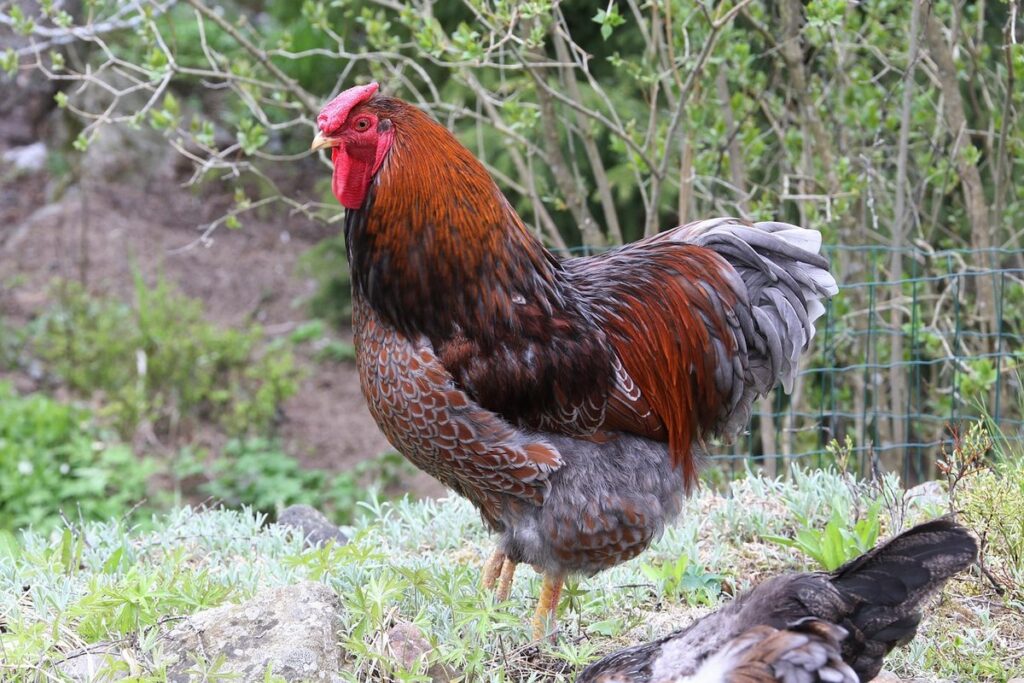
One of the most striking features of the Colombian Wyandotte is its unique and vibrant plumage patterns. Take a closer look at this breed’s feathers, and you’ll notice that their wings are adorned with silvery-gray feathers that catch the light beautifully. This subtle sheen gives the bird an air of sophistication and elegance.
But it’s not just the wings that showcase the Colombian Wyandotte’s striking colors – its rich blue tail feathers are a sight to behold. Deep and iridescent, these feathers seem almost black in certain lighting conditions, but they take on a stunning blue hue when the light catches them just right. Whether your bird is perched on a branch or strutting around the yard, those tail feathers are sure to turn heads.
And if you thought that was all – think again! The Colombian Wyandotte’s golden bay lacing on its neck adds an extra layer of visual interest to this breed’s already-impressive plumage. The intricate pattern of golden and bay hues creates a beautiful contrast with the bird’s surrounding feathers, making it stand out in a crowd. Whether you’re a seasoned breeder or just starting your collection, the Colombian Wyandotte’s stunning plumage is sure to captivate and inspire.
Size and Build
When it comes to size and build, the Colombian Wyandotte is a stunning breed that boasts impressive proportions. On average, roosters (male) typically weigh between 8-12 pounds (3.6-5.4 kg), while hens (female) tip the scales at around 6-10 pounds (2.7-4.5 kg). As for length, both males and females can reach up to 26-30 inches (66-76 cm) in length.
One notable difference between males and females is their overall build. Males tend to be more muscular and robust, with a deeper breast and larger wingspan. This makes them appear more impressive and imposing, especially when strutting around the coop. In contrast, hens are slightly smaller and leaner, with a narrower tail and shorter wings.
When considering getting a Colombian Wyandotte, it’s essential to keep in mind their size requirements. They need plenty of space to move around, stretch their wings, and engage in natural behaviors like foraging and scratching. A minimum of 2-3 square feet (0.2-0.3 sqm) per bird is recommended, with more space always being better.
Temperament and Personality
When it comes to the Colombian Wyandotte, understanding its temperament and personality is essential for potential owners. This section will delve into the breed’s unique characteristics, helping you decide if it’s a great fit for your lifestyle.
Friendly and Affectionate Nature
One of the most endearing qualities of the Colombian Wyandotte is their incredibly friendly and affectionate nature. They have a unique ability to form strong bonds with their owners, making them an excellent choice as pets or show birds. If you’re looking for a bird that will follow you around the house, snuggle up next to you on the couch, or even perch on your shoulder while you’re watching TV, the Colombian Wyandotte is the perfect breed.
Their friendly disposition makes them highly social and interactive birds. They thrive on attention and interaction with their owners, and they’ll often initiate playtime by performing tricks or bringing toys to be played with. With proper training and handling from an early age, Colombian Wyandottes can become incredibly tame and trusting of humans. In fact, many breeders and owners have reported that their birds will even follow them into the bathroom while they’re getting ready for work in the morning!
As a result of their loving nature, Colombian Wyandottes are often described as ” Velcro chickens” – they love to be close to their people and can become quite attached. However, this also means that they require regular attention and interaction to prevent boredom and stress. With patience, consistency, and positive reinforcement training, you’ll find that your Colombian Wyandotte becomes a loyal companion and a treasured member of the family.
Intelligence and Trainability
When it comes to training and commands, Colombian Wyandottes are often misunderstood. They’re not as easily trainable as some other breeds, but with patience and consistency, they can learn anything you want them to.
Their intelligence is often described as “problem-solver” type, meaning they figure things out on their own rather than following commands directly. This doesn’t mean they won’t learn tricks or commands, it just takes a bit more creative effort from the trainer.
For example, if you’re teaching your Colombian Wyandotte to retrieve items, don’t expect them to bring it back immediately. Instead, teach them to follow a specific route or path, and reward them with treats when they do so successfully. This not only trains their intelligence but also teaches them to think critically about the task at hand.
Some owners have reported success by incorporating playtime into training sessions. Using favorite toys or games as rewards can motivate your Colombian Wyandotte to focus on learning.
Health and Longevity
When it comes to raising Colombian Wyandottes, their health and longevity are top priorities, so let’s take a closer look at what you can expect in terms of lifespan and potential health issues.
Genetic Predispositions and Common Issues
As with many breeds, the Colombian Wyandotte is not immune to certain genetic predispositions and common health issues. Obesity is a significant concern for this breed, due in part to their tendency towards overeating and lack of physical activity. Respiratory problems are also prevalent, often caused by brachycephalic syndrome – a condition where the breed’s short skull structure causes breathing difficulties.
Colombian Wyandottes can also be prone to other issues such as heart conditions, joint problems, and eye diseases like cataracts and progressive retinal atrophy. These health concerns are often linked to genetics, but they can also be exacerbated by environmental factors and poor breeding practices.
If you’re considering bringing a Colombian Wyandotte into your life, it’s essential to work with a reputable breeder who prioritizes health testing and responsible breeding practices. Regular veterinary check-ups, a balanced diet, and plenty of exercise will help keep your Colombian Wyandotte healthy and happy for years to come.
Lifespan and Care Requirements
Colombian Wyandottes are known for their impressive vitality and robust health. On average, these birds can live for about 10 to 12 years with proper care. However, some have been reported to reach the age of 15 or more.
When it comes to caring for your Colombian Wyandotte, providing a balanced diet is crucial. These birds require a mix of high-quality commercial pellets as their main source of nutrition, supplemented with fresh fruits and vegetables. It’s essential to avoid feeding them avocados, onions, garlic, and other toxic foods. A daily treat of mealworms or suet can also provide the necessary protein for optimal health.
Regular exercise is also vital for maintaining your Colombian Wyandotte’s physical and mental well-being. Ensure they have a spacious enclosure where they can fly around freely, at least 2-3 times a day, for about an hour each time. Additionally, consider providing toys and perches to stimulate their natural behaviors and prevent boredom.
By meeting the dietary and exercise needs of your Colombian Wyandotte, you’ll be rewarded with years of delightful companionship and beautiful plumage.
Breeding and Showing the Colombian Wyandotte
When it comes to preserving the unique qualities of your Colombian Wyandotte, breeding is a crucial step. Learn essential tips on selecting the right birds for breeding and showing.
Best Practices for Breeders and Exhibitors
When breeding and showing Colombian Wyandottes, it’s essential to adhere to best practices that prioritize the health, well-being, and aesthetics of these magnificent birds. To start, select breed stock with a proven track record of producing high-quality offspring. Look for birds with excellent feathering, strong beak and leg structure, and a calm demeanor.
When preparing birds for exhibitions, make sure they are clean and well-groomed. A good rule of thumb is to bathe your bird 24 hours before the show to prevent oil residue from affecting their plumage. Pay attention to detail when cleaning the birds’ beaks, legs, and feet, as these areas can quickly become dirty.
Consider entering junior shows or smaller events to gain experience and build confidence in handling your birds. This will also give you a chance to network with other breeders and exhibitors who can offer valuable advice and insights. Always handle your birds gently and humanely, and never force them to participate if they appear stressed or uncomfortable.
Tips for Raising Healthy Chicks
Raising healthy chicks is a crucial step in ensuring the success of your Colombian Wyandotte breeding program. Proper nutrition is essential for optimal growth and development. Provide a starter feed that is specifically formulated for young poultry, with a balanced mix of protein, vitamins, and minerals. Avoid giving them treats high in sugar or fat, as this can lead to digestive issues.
Socialization is also vital during the early stages of development. Handle your chicks gently but frequently, allowing them to become accustomed to human interaction. This will help reduce stress and make them more tolerant of handling later on. Provide a warm, draft-free environment with adequate ventilation to prevent respiratory problems.
Environmental considerations are equally important. Ensure that their enclosure is clean and free from disease-carrying organisms. Disinfect all surfaces regularly, and maintain a temperature range between 90-100°F (32-38°C) for the first few weeks. Monitor their behavior and health closely, intervening promptly if you notice any signs of distress or illness.
Conclusion: The Value of Preserving Heritage Breeds
As we conclude our comprehensive guide to the Colombian Wyandotte, let’s discuss why preserving these unique birds is so crucial for poultry enthusiasts and the environment alike.
Importance of Conserving Rare Breeds
As you’ve explored the unique characteristics and benefits of the Colombian Wyandotte through this comprehensive guide, it’s essential to consider the broader context of poultry conservation. Rare breeds like the Colombian Wyandotte hold significant cultural value, serving as a tangible connection to our past and a symbol of heritage.
Their preservation is not only crucial for ensuring biodiversity in the poultry world but also has practical applications. By conserving these breeds, we can safeguard against potential agricultural catastrophes such as disease outbreaks or economic crises that might decimate commercial breeding programs. This diversity also offers opportunities for cross-breeding, potentially leading to new traits and characteristics beneficial for modern farming.
Moreover, heritage breeds like the Colombian Wyandotte contribute to the richness of our culinary experiences. Each breed is associated with unique flavor profiles and textures, making them valuable assets in preserving traditional cuisine. For instance, many chefs celebrate these rare birds for their rich, gamey flavor, which is a direct result of the breed’s genetic makeup.
The preservation of rare breeds like the Colombian Wyandotte also has significant educational value. By learning about the history and characteristics of these breeds, we can gain insights into agricultural practices, genetics, and the importance of biodiversity in maintaining healthy ecosystems. This knowledge empowers future generations to appreciate and care for these unique birds.
To get involved in preserving rare breeds like the Colombian Wyandotte, consider reaching out to local breed associations or poultry clubs that focus on heritage breeds. These organizations often have resources available for learning more about specific breeds and getting hands-on experience with breeding and raising them.
Frequently Asked Questions
What are the ideal living conditions for a Colombian Wyandotte?
Colombian Wyandottes require a spacious, well-ventilated coop with adequate protection from harsh weather conditions. Ensure the coop has enough room for your birds to move around comfortably and provides easy access for cleaning and maintenance. Consider installing nesting boxes and perches to promote healthy habits.
Can I keep multiple Colombian Wyandottes together in one flock?
Yes, Colombian Wyandottes are social birds that thrive in flocks. When introducing multiple birds, do so gradually to prevent stress and establish a pecking order. Ensure the coop is large enough to accommodate all birds comfortably, with separate areas for feeding, watering, and roosting.
How can I tell if my Colombian Wyandotte has a genetic predisposition to certain health issues?
Regularly monitoring your bird’s behavior, appetite, and overall health will help identify potential issues early on. Consult with an experienced breeder or veterinarian familiar with the breed to determine the likelihood of specific health concerns based on your bird’s lineage and characteristics.
Are Colombian Wyandottes suitable for backyard farms with small spaces?
While Colombian Wyandottes require some space to roam, they can adapt to smaller backyards if provided with a spacious coop and regular exercise. Consider investing in a secure outdoor run or enclosure to give your birds access to fresh air and exercise while maintaining their safety.
Can I raise Colombian Wyandotte chicks on my own without prior experience?
While raising Colombian Wyandotte chicks requires attention and care, it’s not necessary to have extensive experience with poultry breeding. Research reputable breeders who offer starter kits or provide guidance on caring for your new additions. Be prepared to invest time in learning about the specific needs of these birds.