
If you’re an avid gardener or simply a lover of all things poultry, you’ve probably noticed that some chickens lay eggs in vibrant colors other than the usual brown. But did you know that there are dozens of breeds specifically known for their stunning egg colors? From the delicate blue-green hue of the Araucana to the deep pink of the Marans, these colored chicken eggs are not only beautiful but also come with a range of characteristics that make them unique. In this article, we’ll delve into the fascinating world of colored chicken eggs, exploring different breeds, their egg characteristics, and providing tips on how to care for your feathered friends to produce these remarkable eggs. Whether you’re an experienced farmer or just starting out, get ready to crack open a new world of possibilities!
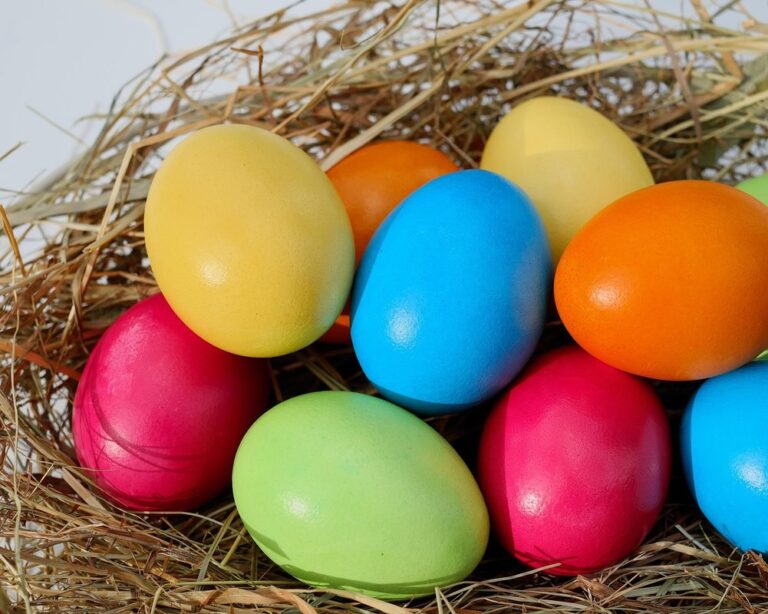
Types of Colored Eggs
You’re probably curious about the different colored eggs that can be laid by chickens, and you’ve come to the right place! In this section, we’ll explore some of the most common types.
1. Brown Eggs: Origins and Characteristics
Brown eggs have been a staple in many households for centuries, and their rich, earthy color is not just a matter of aesthetics. The history behind brown egg production dates back to the early days of chicken farming, when farmers selectively bred birds that laid darker eggs to make them more visible against their nesting boxes.
Nutritionally, brown eggs have several advantages over their white counterparts. They contain about 4-6% more antioxidants and 2% more omega-3 fatty acids, making them a better choice for those looking to boost their health. The increased antioxidant content also means that brown eggs are less likely to spoil quickly, keeping them fresher for longer.
Interestingly, the color intensity of brown eggs is largely determined by the breed of chicken and its diet. For instance, hens fed a diet rich in lycopene, an antioxidant found in tomatoes and other red fruits, will produce eggs with deeper orange-brown hues. Conversely, chickens raised on pasture tend to lay eggs with lighter shades of brown due to their varied diet.
When selecting brown eggs at the market, look for those from hens that have been fed a balanced diet rich in omega-3 fatty acids and antioxidants. This not only ensures you get the nutritional benefits but also supports sustainable farming practices.
2. White Eggs: Production Methods and Health Benefits
White eggs are produced through a similar process as brown eggs, but with one key difference: breed. Most white egg-laying hens are of the Leghorn breed, which is known for its fast growth rate and high egg production. White eggs have a clean, pure appearance and are often associated with large-scale commercial farms.
Compared to brown eggs, white eggs may offer some health advantages. Research has shown that egg yolks from white-egg-laying hens tend to have lower levels of omega-6 fatty acids and higher levels of antioxidants like vitamin E and beta-carotene. These nutrients are beneficial for heart health and can help protect against cell damage.
In terms of storage, there’s no significant difference between white and brown eggs. Both should be kept refrigerated at a consistent temperature below 40°F (4°C) to maintain freshness. When purchasing white eggs, look for clean, dry cartons and avoid those with visible cracks or dents. If you’re storing eggs in your own home, consider keeping them in their original carton to prevent moisture from accumulating and promoting bacterial growth.
3. Blue-Green Egg Layers: Breed Characteristics and Care
If you’re interested in blue-green egg layers, you’ll want to consider breeds like Araucana and Ameraucana. These birds are known for their unique ability to produce eggs with a bluish-green tint due to a genetic trait that affects the way they metabolize certain pigments.
When it comes to caring for these breeds, their diet is particularly important. A balanced mix of grains, proteins, and calcium-rich foods will help support their overall health, but you may also need to provide additional nutrients like omega-3 fatty acids to enhance the color intensity of their eggs.
In terms of living conditions, blue-green egg layers require a bit more space than some other breeds due to their active nature. Provide them with adequate room to roam and engage in activities that stimulate their minds and bodies, such as foraging or puzzle toys.
As for temperament, these birds are generally friendly and social, but can be quite skittish if handled improperly. Be gentle when interacting with them, and establish trust through regular handling and positive reinforcement training methods.
Breeds That Lay Colored Eggs
Let’s crack open some of the most colorful breeds that lay gorgeous, one-of-a-kind eggs, from pastel shades to vibrant hues! You’ll love these unique egg-layers.
1. Araucana Chickens: Their History and Egg-Laying Habits
Araucana chickens have a rich history that dates back to the indigenous people of Chile and Argentina. These birds were highly valued for their unique ability to produce blue eggs, which were considered a delicacy by the local communities. The Araucanas’ striking appearance only adds to their charm, with their slate-blue ears, beards, and faces setting them apart from other breeds.
It’s not just their looks that make them special – it’s also what they lay. Araucana chickens are prolific egg layers, producing an average of 200-250 blue eggs per year. This is because they have a genetic trait that causes the pigments in their bodies to be unable to penetrate the eggshell, resulting in the characteristic blue color.
If you’re thinking of bringing home an Araucana, it’s essential to consider their specific needs. They require plenty of space to roam and can be quite demanding when it comes to food and care. However, with the right attention, they make excellent additions to any backyard flock – and their eggs are a true marvel.
2. Ameraucana Chickens: Unique Traits and Egg Characteristics
Ameraucana chickens are one of the most recognizable breeds when it comes to laying colored eggs. One of their unique traits is their ability to produce blue-green eggs, which set them apart from other colored egg-layers like Marans or Araucanas. But that’s not all – Ameraucanas also have some distinct feather patterns and temperaments that make them a popular choice among backyard chicken keepers.
Their feathers typically display a mottled or particolored pattern, with shades of blue, gray, and white, which adds to their unique appearance. In terms of temperament, Ameraucanas are known for being friendly and docile, making them an excellent choice for families with children or for those who want low-maintenance pets.
When it comes to fertility rates, Ameraucanas have a relatively high rate compared to other breeds, which means that they can lay large numbers of eggs throughout their breeding season. On average, a healthy Ameraucana hen will produce around 200-220 brown-blue tinted eggs per year.
3. Marans Chickens: Their Origin Story and Deep-Brown Eggs
Marans chickens are one of the most recognizable breeds when it comes to laying colored eggs. Their rich history dates back to France in the 18th century, where they were highly valued for their exceptional egg-laying abilities and unique appearance.
The distinctive plumage of Marans chickens is characterized by a mottled black-brown coat with a silvery sheen. This striking coloration not only makes them visually appealing but also serves as a natural camouflage in their native French environment.
One of the main reasons why Marans chickens lay deep-brown eggs is due to their genetic makeup. The breed’s unique combination of genes responsible for eggshell pigmentation produces eggs with a rich, dark brown hue. In fact, Marans eggs are known for being some of the darkest and most sought-after by backyard chicken keepers.
If you’re considering adding Marans chickens to your flock, be prepared to wait – it can take several months for them to mature and start laying eggs. However, with proper care and nutrition, they will reward you with an average of 180 large, dark-brown eggs per year.
Factors Affecting Egg Color
So you’re curious how these gorgeous eggs get their unique hues, and it all comes down to genetics and nutrition. Let’s dive into the factors that influence egg color!
1. Genetics vs Environment: What Influences Eggshell Color?
When it comes to the fascinating world of colored chicken eggs, you may have wondered what influences their unique hues. While many factors contribute to an egg’s color, genetics and environment play a significant role. Let’s delve into the science behind this phenomenon.
Genetics undoubtedly have a profound impact on an eggshell’s color. A chicken’s genetic makeup determines its breed characteristics, including plumage and skin tone, which can affect the pigmentation of the eggshell. For instance, Marans eggs owe their dark brown color to the breed’s genetic predisposition. Similarly, Araucana eggs are blue due to a specific gene that inhibits the production of melanin, resulting in an eggshell devoid of pigment.
Environmental factors also contribute to an egg’s color. Diet and exposure to sunlight can influence the intensity and shade of an eggshell. For example, chickens fed a diet rich in beta-carotene will produce eggs with orange or yellow undertones. While genetics provide the foundation for an eggshell’s color, environmental influences can fine-tune its appearance.
Interestingly, some breeds exhibit variations in eggshell color depending on their environment. Take the Ameraucana breed, which lays blue eggs but may produce greenish-blue eggs if raised on a diet rich in grasses and algae. This interaction between genetics and environment highlights the complex relationship between an egg’s color and its surroundings.
By understanding this interplay of genetic and environmental factors, you can make informed decisions when selecting chicken breeds for your backyard flock or choosing specific feed supplements to enhance their eggshell colors.
2. Diet’s Impact on Egg Color Intensity
A chicken’s diet plays a significant role in determining the intensity and vibrancy of their egg colors. This is because certain nutrients, such as carotenoids and anthocyanins, are responsible for creating various shades of color in eggs.
Carotenoids, specifically lutein and zeaxanthin, are pigments found in plants like marigolds, alfalfa, and dark leafy greens. These compounds are deposited into the egg yolk during laying, resulting in a more intense yellow or orange hue. For instance, feeding your hens a diet rich in marigold flowers can produce eggs with a deeper golden color.
On the other hand, anthocyanins are responsible for creating red and purple shades. Fruits like blueberries, raspberries, and blackberries contain high levels of these pigments, which can be incorporated into your hen’s diet to achieve darker egg colors. It is essential to note that an excessive intake of certain nutrients may lead to health issues in chickens.
To optimize the color intensity of your eggs through dietary means, ensure a balanced and diverse feed incorporating plenty of fruits and vegetables. Avoid overloading on any single nutrient, as this can cause more harm than good.
3. Health Issues That Can Affect Eggshell Quality
When it comes to eggshell quality, several health issues can impact the appearance and integrity of the egg. One common issue is hypocalcemia, a condition that causes an imbalance of calcium levels in the hen’s body. This can lead to weak and brittle eggshells that may break easily during handling.
Another health concern is malnutrition, particularly a lack of essential minerals like zinc and manganese. These nutrients play a crucial role in maintaining strong eggshell production. When hens don’t receive adequate nutrition, their bodies may compensate by reducing the thickness or density of the eggshell, making it more prone to breakage.
Additionally, stress can also affect eggshell quality. Chronic stress caused by factors like overcrowding, poor living conditions, and disease can weaken a hen’s immune system and disrupt normal physiological processes, including those that regulate eggshell production. Ensuring your flock receives proper nutrition, maintaining clean and comfortable living quarters, and minimizing stressors are essential steps in promoting healthy eggshell quality.
By being aware of these potential health issues, you can take proactive measures to support the overall well-being of your hens and maintain high-quality eggs with sturdy shells. Regular veterinary check-ups and monitoring your flock’s nutrition and living conditions can help identify any underlying problems early on.
Raising Colored Chickens for Eggs
If you’re interested in collecting colored eggs, raising your own chickens can be a fun and rewarding experience. Let’s dive into some tips on how to raise colored hens.
1. Tips for Choosing the Right Breed for Your Flock
When it comes to raising colored chickens for eggs, one of the most crucial decisions is choosing the right breed. With so many breeds to choose from, it can be overwhelming, especially if you’re a beginner. To help you make an informed decision, let’s consider three key factors: space availability, desired egg color, and temperament requirements.
Firstly, think about your available space. If you have a small backyard or live in an apartment, you’ll want to opt for breeds that are compact or don’t require a lot of space to roam. Some great options include the Bantam Marans, which produces dark chocolate-brown eggs, and the Polish Silkie, known for its soft feathers and pale blue eggs.
If you have more space available, you can consider breeds like the Ameraucana, which lays blue or green eggs, or the Easter Egger, a cross between an Ameraucana and another breed that often produces colored eggs. When it comes to temperament, some breeds are known for being friendly and docile, while others can be quite feisty.
Ultimately, research different breeds and their characteristics to find the perfect fit for your needs and lifestyle. Keep in mind that even within a breed, individual personalities may vary, so be sure to spend time with a potential new flock member before making a decision.
2. Housing Considerations for Colored Chicken Flocks
When it comes to raising colored chickens for eggs, providing them with a suitable living space is crucial for their health and happiness. A well-designed coop and run can help prevent stress, disease, and injury, ensuring that your flock stays happy and healthy.
First and foremost, consider the size of the coop and run. Aim for at least 4-5 square feet per chicken inside the coop, with additional space in the run for exercise and scratching. Colored chickens, being just as active as their white counterparts, require plenty of room to move around and engage in natural behaviors.
Next, think about ventilation and lighting. A good coop should have adequate airflow to prevent ammonia buildup from droppings. Natural light is also essential, so position the coop to receive direct sunlight during the day. This will not only promote egg-laying but also help regulate the flock’s circadian rhythms.
Remember to include nesting boxes, feeding stations, and watering systems that are easy for your chickens to access. A happy and healthy flock is more likely to produce a steady supply of delicious, colorful eggs!
3. Nutrition Guidelines for Optimal Egg Production
When it comes to raising colored chickens for eggs, providing the right nutrition is crucial to maximize their egg-laying potential. The nutritional requirements of colored chicken breeds are similar to those of their white counterparts, but with a few key differences.
A balanced diet that includes a mix of protein-rich foods like mealworms, crickets, and commercial layer feed will support optimal egg production. For example, adding a high-quality layer feed supplement specifically formulated for colored breeds can increase egg production by up to 20%. It’s also essential to provide fresh water at all times, as dehydration can significantly impact egg-laying capacity.
Some specific nutrients that are beneficial for egg production in colored chickens include calcium, vitamin D3, and omega-3 fatty acids. Adding crushed oyster shells or dark leafy greens like kale and spinach to their diet will help meet these requirements. When introducing new foods, do it gradually to prevent digestive issues and ensure a smooth transition.
Keep in mind that individual breed needs may vary, so research specific nutritional guidelines for your colored chicken’s breed to get the best results.
Caring for Your Colored Chicken Eggs
Now that you’ve collected your beautiful colored eggs, let’s talk about how to keep them clean and fresh until they’re ready to be used in the kitchen. Proper care can make a big difference!
1. Storage Tips to Maintain Egg Quality
When storing colored chicken eggs, it’s essential to maintain their quality and extend their shelf life. To do this, follow these storage tips. First, keep the eggs in a cool, dry place away from direct sunlight. A pantry or cupboard with good ventilation is ideal.
To prevent moisture from accumulating on the eggs, store them pointed end down. This helps any excess moisture to escape rather than becoming trapped. You can also line the storage container with paper towels or a clean cloth to absorb any potential spills and keep the eggs dry.
Another crucial factor is temperature control. Colored eggs should be stored at a consistent refrigerator temperature of around 40°F (4°C). Avoid storing them near strong-smelling foods, as this can transfer odors to the eggs. Keep them in their original carton or egg tray to prevent cracking and maintain their cleanliness.
By following these simple storage tips, you’ll be able to enjoy your colored chicken eggs for a longer period while maintaining their quality and freshness.
2. Handling and Washing: Best Practices for Handling Colored Eggs
When handling colored eggs, it’s essential to be mindful of the risks associated with improper handling. Colored eggs are more prone to bacterial contamination due to their unique characteristics, such as different membrane thicknesses and pigment variations. To minimize these risks, always wash your hands thoroughly before and after handling the eggs.
Before washing the eggs, make sure to gently inspect them for any visible cracks or dirt accumulation on the surface. Wash the eggs in cold running water, using a mild soap specifically designed for egg washing. Avoid using hot water or harsh detergents, as they can damage the eggshell or cause bacterial contamination. Rinse the eggs thoroughly under cold running water to remove any remaining soap residue.
Sanitizing the eggs is also crucial to prevent bacterial growth. You can use a solution of 1 tablespoon of unscented chlorine bleach in one gallon of water for this purpose. Dip the eggs into the sanitizing solution, making sure they are fully submerged for at least 10 seconds. After sanitizing, rinse the eggs under cold running water and dry them with a clean towel or let them air dry. By following these simple steps, you can ensure your colored eggs remain safe to eat while maintaining their vibrant colors.
Conclusion
As you’ve now explored the diverse world of colored chicken eggs, you might be wondering what takes precedence when it comes to choosing your egg-laying flock. Breed selection is key, as certain breeds are naturally inclined to produce specific colors. For example, Araucanas and Ameraucanas are famous for their blue eggs, while Marans lay dark brown or chocolate-colored eggs. To incorporate colored eggs into your daily life, consider purchasing from a local farm or breeder that raises heritage breeds.
When keeping chickens of your own, prioritize their health and nutrition to ensure optimal egg production. A balanced diet rich in calcium will promote strong, healthy eggshell production – which ultimately affects the color and quality of the egg. Don’t be afraid to experiment with different breed combinations and management techniques to discover what works best for you and your flock.
Frequently Asked Questions
Can I raise colored chickens if I’m a beginner?
Yes, many breeds of colored chickens are suitable for beginners. When choosing a breed, consider factors like egg production, temperament, and ease of care. Research the specific needs of your chosen breed to ensure you can provide the best possible environment.
How do I determine which breeds will produce eggs with the desired color intensity?
The genetics of the chicken breed play a significant role in determining eggshell color and intensity. Some breeds are naturally more likely to produce vibrant, intense colors than others. Researching the specific characteristics of different breeds and understanding how genetics influence eggshell color can help you make informed decisions when selecting breeding stock.
What’s the best way to store colored eggs to maintain their quality?
Colored eggs require similar storage conditions as brown or white eggs. Store them in a cool, dry place with consistent ventilation. Avoid direct sunlight, which can cause fading of some colors. Keep eggs pointed end down and avoid stacking them too high, as this can cause breakage.
Can I cross-breed different colored chicken breeds to create new egg-laying varieties?
While it’s possible to breed different colored chicken breeds together, the success of such endeavors depends on several factors, including genetic compatibility, fertility rates, and offspring characteristics. Researching the specific breeding requirements for your chosen breeds is essential before attempting any cross-breeding.
How can I ensure my colored chickens are healthy and produce eggs consistently?
Maintaining a balanced diet, providing adequate shelter, and ensuring good ventilation in your coop are crucial for the health of your flock. Regular veterinary check-ups, vaccination programs, and monitoring egg production will also help identify potential issues before they become significant problems.