
When it comes to turning your chicken coop‘s waste into a valuable resource, there are two main approaches: hot composting and cold composting. Whether you’re a seasoned homesteader or just starting out with backyard chickens, understanding the difference between these methods is crucial for creating nutrient-rich compost that’ll make your garden thrive.
In this article, we’ll delve into the world of chicken manure composting, exploring the benefits and drawbacks of both hot and cold methods. You’ll learn how to control temperatures, reduce pathogens, and harness advanced techniques to create top-notch compost from your flock’s droppings. By the end of this guide, you’ll be well-equipped to choose the best approach for your needs and get started with efficient, effective chicken manure composting.
Understanding the Basics
Before you dive into hot vs cold composting, let’s start by understanding the fundamental principles of both methods and how they can work for your chicken manure. This will help you make informed decisions about your composting process.
What is Composting?
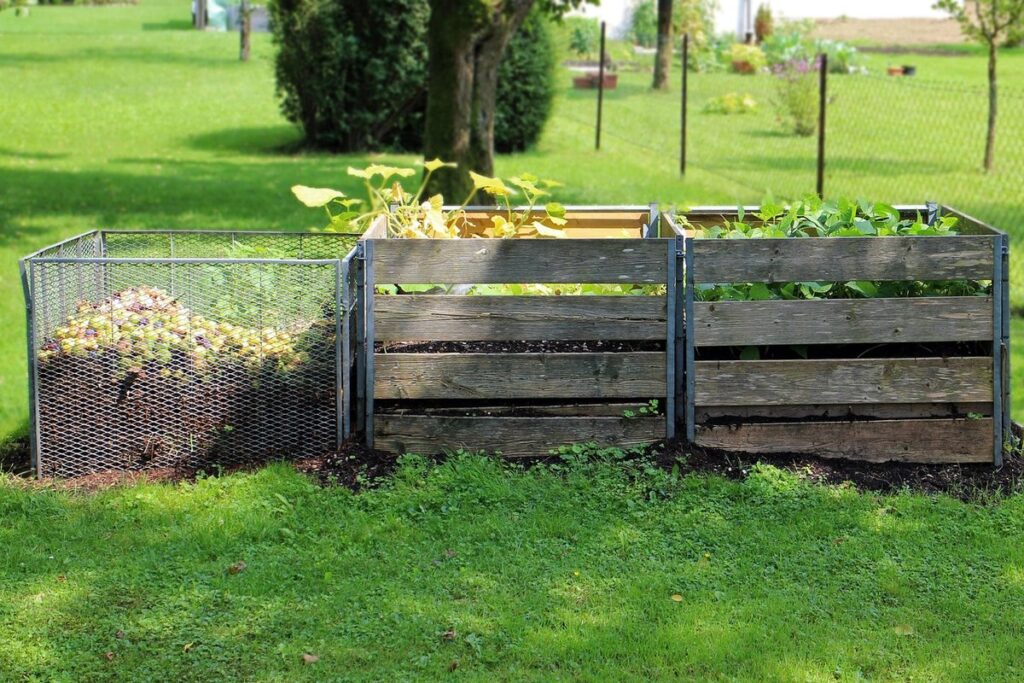
Composting is an age-old practice that’s gained momentum in recent years due to its numerous benefits for sustainable gardening and agriculture. At its core, composting is a natural process of decomposing organic materials into a nutrient-rich soil amendment. This process involves microorganisms like bacteria and fungi breaking down the complex molecules in waste materials, resulting in a humus-like substance that’s teeming with beneficial microbes.
When it comes to chicken manure, composting is an excellent way to repurpose this nutrient-dense byproduct of poultry farming. By composting chicken manure, you can create a rich soil amendment that promotes healthy plant growth and reduces waste disposal costs. To start composting, you’ll need a mix of “green” materials like food scraps, grass clippings, or fresh manure, which provide nitrogen, and “brown” materials like straw, shredded newspaper, or dried leaves, which supply carbon.
A balanced ratio of 2/3 brown materials to 1/3 green materials is key for effective composting. Regular turning and monitoring of temperature (which can reach up to 160°F in hot composting) will also help speed up the decomposition process.
Benefits of Composting with Chicken Manure
Composting with chicken manure is a game-changer for gardeners and farmers alike. This nutrient-rich material is an excellent addition to any compost pile, providing valuable nutrients to plants and improving soil structure. The high nitrogen content in chicken manure makes it an ideal ingredient for balancing out carbon-heavy materials like straw or leaves.
When incorporated into your composting routine, chicken manure can reduce waste by turning what would otherwise be a liability into a valuable resource. Simply collect the manure from your coop and mix it with other composting materials, such as food scraps or yard trimmings. Aim for a balanced ratio of “green” (nitrogen-rich) to “brown” (carbon-rich) materials to create an effective composting blend.
For example, if you’re using 1 part chicken manure, add 2-3 parts brown material like straw or shredded newspaper. This will help speed up the decomposition process and prevent odors from developing. By incorporating chicken manure into your compost pile, you’ll be creating a nutrient-dense soil amendment that will give your plants the boost they need to thrive.
Hot Composting Methods
Let’s dive into some of the most effective hot composting methods that can speed up the decomposition process and make it easier to turn your chicken manure into a valuable fertilizer.
Advantages of Hot Composting
Hot composting offers several advantages that make it an ideal choice for small-scale chicken manure management. One of the primary benefits is its ability to rapidly decompose organic materials at high temperatures, usually above 130°F. This process not only speeds up the decomposition rate but also kills pathogens and weed seeds, making it a great way to eliminate potential health risks.
This method can be particularly beneficial for backyard farmers or small-scale operations that generate limited amounts of manure. By maintaining consistent moisture levels, carbon-to-nitrogen ratios, and oxygen flow, hot composting allows you to create a stable, pathogen-free material in just a few weeks. This is in contrast to cold composting, which can take months or even years to break down organic matter.
In addition to its speed and efficacy, hot composting also offers improved nutrient retention. By rapidly decomposing materials at high temperatures, more nutrients are released into the soil, making them available for plants to absorb. This results in healthier crops and a reduced need for synthetic fertilizers.
Preparing Chicken Manure for Hot Composting
Preparing chicken manure for hot composting requires careful mixing with other carbon-rich materials to create an ideal blend. One of the key principles of hot composting is achieving a balanced C:N ratio. This stands for carbon-to-nitrogen, and for hot composting, it’s recommended to aim for around 25:1. To put this into perspective, if you’re using chicken manure as your primary nitrogen source, you would need to mix it with 25 times the amount of a carbon-rich material such as straw or leaves.
For example, if you have one bucket of chicken manure, you would need about 25 buckets of straw or leaves to create a balanced mixture. This may seem like a significant amount, but the end result is well worth it. A balanced C:N ratio will ensure that your hot compost pile decomposes quickly and efficiently, reducing odors and mess.
When selecting materials for carbon-rich additions, consider using straw from corn stalks, grass clippings, or dried leaves. These materials are readily available and can be sourced locally. It’s also essential to note that adding too much nitrogen-rich material (like chicken manure) can lead to an overabundance of ammonia, which can be toxic to microorganisms.
Cold Composting Methods
Let’s dive into the world of cold composting, where we’ll explore how to break down chicken manure without generating heat. This eco-friendly method is perfect for small-scale operations and beginner gardeners.
Advantages of Cold Composting
Cold composting offers several advantages that make it an attractive option for large-scale operations. One of its key benefits is the production of a more stable final product. This is because cold composting involves slower decomposition at lower temperatures, typically below 100°F. As a result, the finished compost is less likely to contain pathogens or weed seeds, making it safer and more reliable.
Another advantage of cold composting is that it allows for easier management of large quantities of chicken manure. This method can accommodate larger batches, reducing labor costs and increasing efficiency. Additionally, cold composting typically requires minimal maintenance, as the compost pile does not need to be turned regularly like in hot composting methods.
Cold composting also reduces the risk of odors and pests associated with high-temperature decomposition. The slower process minimizes the release of ammonia gases, creating a healthier environment for both workers and surrounding ecosystems. By using cold composting, you can create a high-quality, stable fertilizer without compromising on safety or quality.
How to Compost Chicken Manure with the Cold Method
Composting chicken manure using the cold method involves balancing green and brown materials to create an ideal environment for decomposition. Green materials, rich in nitrogen, should make up about 20-30% of the pile, while brown materials, high in carbon, comprise the remaining 70-80%. Examples of green materials include fresh grass clippings or vegetable scraps, whereas brown materials can be dried leaves or shredded newspaper.
To create a cold composting pile, start by collecting a mix of these materials. Add a layer of brown materials at the bottom to absorb excess moisture and provide structure. Then, add a layer of green materials, followed by another layer of brown materials. Repeat this process until you’ve reached the desired size for your pile.
Regularly turning the pile is crucial to aerate it and speed up decomposition. Aim to turn the pile every 7-10 days to ensure oxygen reaches all areas and microorganisms can break down organic matter efficiently. This simple maintenance will help you achieve successful cold composting of chicken manure.
Comparing Hot and Cold Composting Methods
Now that we’ve explored the benefits of hot and cold composting, let’s dive into a detailed comparison of these two methods to see which one suits your needs. We’ll weigh the pros and cons of each approach.
Temperature Control in Composting
When it comes to composting chicken manure, temperature control is a critical factor that can make all the difference between successful decomposition and a smelly mess. Both hot and cold composting methods rely on managing temperature to create an optimal environment for microbes to break down organic matter.
In hot composting, temperatures can soar up to 160°F (71°C), killing off weed seeds and pathogens. However, if temperatures get too high, it can lead to a loss of nutrients. To avoid this, monitor your pile’s temperature daily by inserting a thermometer into the center. If the temperature exceeds 140°F (60°C), turn the pile or remove some of the top layer to release excess heat.
On the other hand, cold composting maintains temperatures between 50-120°F (10-49°C). This method is ideal for small-scale or indoor composting, as it produces less heat and odor. To manage temperature in a cold compost pile, add materials like brown leaves or shredded newspaper to absorb excess moisture and help regulate the temperature.
By controlling temperature, you can create an optimal environment for decomposition, regardless of whether you’re using hot or cold composting methods.
Pathogen Reduction in Composting
When it comes to composting chicken manure, one of the primary concerns is reducing pathogens like E. coli. Both hot and cold composting methods can help mitigate this issue, but the hot method proves more effective.
Hot composting involves maintaining a high temperature within the pile, typically above 131°F (55°C), for an extended period. This heat breaks down not only organic matter but also pathogens, significantly reducing their numbers. In contrast, cold composting relies on natural decomposition processes without added heat, which may take several months to years.
Research has shown that hot composting can reduce E. coli by up to 99%, making it a safer option for gardening and landscaping applications. To achieve this level of pathogen reduction using the hot method:
* Ensure adequate carbon-to-nitrogen ratios in your pile.
* Maintain consistent moisture levels, but avoid over-saturation.
* Monitor temperature regularly, aiming for a 131°F (55°C) minimum.
* Turn the pile every week or two to facilitate aeration and even heat distribution.
By following these guidelines, you can effectively reduce pathogens in your compost using hot composting.
Advanced Techniques for Chicken Manure Composting
When you’re ready to take your composting skills to the next level, it’s time to learn advanced techniques that will help you transform chicken manure into a rich fertilizer. This section shares expert tips for optimizing the process.
Using Microorganisms to Enhance Decomposition
Microorganisms are the unsung heroes of decomposition. They break down organic matter into its most basic components, releasing essential nutrients for plants to thrive. When it comes to chicken manure composting, adding beneficial microbes can significantly enhance decomposition and improve the final product’s quality.
One way to introduce these microbe allies is by using worm tea, a liquid solution rich in beneficial bacteria and microorganisms that can be extracted from worm composting bins. By incorporating worm tea into your hot or cold composting process, you can accelerate decomposition rates and create a more nutrient-dense finished product.
Another approach is to add beneficial microbes directly to the compost pile, either through inoculants or microbial powder products specifically designed for composting. These microorganisms will quickly colonize the compost material, breaking down complex compounds and releasing essential nutrients in the process.
Managing Moisture Levels in Compost Piles
Managing moisture levels is crucial for effective decomposition. When it comes to composting chicken manure, understanding how to maintain the right balance can be challenging due to its high nitrogen content and tendency to create anaerobic conditions.
To manage moisture levels effectively, you should aim for a mix of “as-is” and “turned” materials. For example, adding bedding materials like straw or shredded newspaper will help absorb excess liquid, while turning the compost pile regularly will ensure that oxygen reaches all areas, reducing the likelihood of anaerobic conditions.
A good rule of thumb is to maintain moisture levels between 50-60% for optimal decomposition. This can be achieved by ensuring adequate aeration through regular turns and monitoring the pile’s temperature, which should remain between 130°F – 140°F (54°C – 60°C) during active decomposition phases.
In hot composting methods, high temperatures help to kill pathogens and weed seeds, but they also accelerate moisture loss. To counter this, you can mulch the top layer of the pile or cover it with a tarp to retain moisture.
Troubleshooting Common Issues with Chicken Manure Composting
We know that composting chicken manure can be a bit tricky, especially when things don’t go as planned. Let’s tackle some common issues you might encounter during the process.
Identifying and Fixing Imbalanced C:N Ratios
Maintaining a balanced C:N ratio is crucial for successful composting. The ideal ratio varies depending on the type of compost, but as a general rule, it’s around 25-30 parts carbon to one part nitrogen. If this balance is disrupted, the composting process can be severely impacted.
To identify an imbalanced C:N ratio, look for signs such as anaerobic odors, slow decomposition rates, or an excessive buildup of ammonia gas. These indicators suggest that either too much or too little organic matter has been added to the pile. For example, if you’ve added a large quantity of chicken manure (high in nitrogen) without sufficient carbon-rich materials like straw or wood chips, you may end up with an overabundance of ammonia.
To fix imbalances, add more carbon-rich materials to offset excess nitrogen, or introduce green materials high in nitrogen when your pile is lacking. Monitor the temperature and moisture levels closely as you make adjustments – these factors can greatly impact the composting process. By recognizing the signs of imbalance and taking corrective action, you can ensure a healthy and thriving compost ecosystem that produces rich, nutrient-dense soil for your garden.
Managing Pests and Odors in Compost Piles
Managing pests and odors in compost piles is crucial to maintaining a healthy ecosystem. When chicken manure composting, it’s not uncommon for rodents or flies to be attracted to the nutrient-rich environment. To manage these pests, ensure that you cover your compost pile regularly, using a thick layer of bedding material like straw or hay. This will help prevent pests from accessing the decomposing materials.
Unpleasant odors can also arise due to anaerobic conditions within the compost pile. Aerating the pile by turning it every few days can help reduce odor-causing pathogens. You should also maintain adequate moisture levels, as dry piles are more susceptible to odors and pests. Regular monitoring of the pile’s temperature is also essential; if it becomes too hot (above 160°F), it may lead to anaerobic conditions and unpleasant smells.
To minimize pest and odor issues, consider implementing a combination of these strategies, such as using physical barriers, like chicken wire or netting, to prevent pests from accessing the compost pile. Regularly inspecting your pile for signs of pests or odors will help you address any potential problems promptly.
Conclusion
In conclusion, understanding the difference between hot and cold composting is essential when working with chicken manure. Whether you’re an experienced gardener or just starting out, knowing how to manage this potent fertilizer can make a significant impact on your garden’s health. By choosing the right method for your needs, you can create a nutrient-rich soil amendment that promotes healthy plant growth. As we’ve explored throughout this guide, hot composting is ideal for large quantities of manure and can be achieved with some basic equipment and regular maintenance. In contrast, cold composting is a low-maintenance alternative perfect for small-scale gardening operations or those new to composting.
Frequently Asked Questions
How do I know if my chicken manure is ready for composting?
Before starting the composting process, ensure your chicken manure is free from any large pieces of bedding material or debris. This will help prevent pests and odors in your compost pile. If you’re using a hot composting method, the temperature should reach at least 131°F (55°C) within 24-48 hours, indicating that decomposition has begun.
Can I use both hot and cold composting methods on my farm?
Yes, if you have a large quantity of chicken manure to process. Hot composting is ideal for small-scale operations where temperature control is manageable. For larger operations or when time is limited, cold composting might be more suitable due to its slower decomposition rate.
How can I manage pathogens in hot composting piles?
To minimize the risk of pathogens in your compost pile, ensure a mix of “green” (nitrogen-rich) and “brown” (carbon-rich) materials. Aim for a C:N ratio between 20:1 and 30:1 to promote aerobic decomposition and reduce pathogen growth.
What are some common challenges I might face with cold composting?
Cold composting is generally more forgiving than hot composting, but you may still encounter issues like uneven moisture levels or inadequate carbon-to-nitrogen ratios. Monitor your pile regularly and adjust as needed to prevent these problems.
How long does it take for chicken manure to break down using the cold composting method?
The decomposition time for cold composting is typically longer than hot composting, taking anywhere from 6-18 months to a year or more, depending on factors like temperature, moisture, and carbon-to-nitrogen ratios. Be patient, as this slow process allows for efficient nutrient breakdown and minimizes pathogen growth.