
Are you tired of cooking the same old chicken dishes every week? Look no further than the Cornish game hen, a flavorful and versatile option that’s perfect for special occasions or everyday meals. But what makes these hens so special, and how can you bring out their full flavor potential? Whether you’re a seasoned chef or a culinary newbie, cooking a perfect Cornish game hen requires just a few simple techniques and some expert tips.
In this ultimate guide, we’ll walk you through the best ways to roast, grill, or pan-sear your Cornish hens for a deliciously moist and healthy meal. From classic roasted chicken recipes to more adventurous grilling methods, we’ve got you covered with expert advice and mouth-watering inspiration. So, get ready to elevate your cooking skills and impress your family and friends with the perfect Cornish game hen dish!
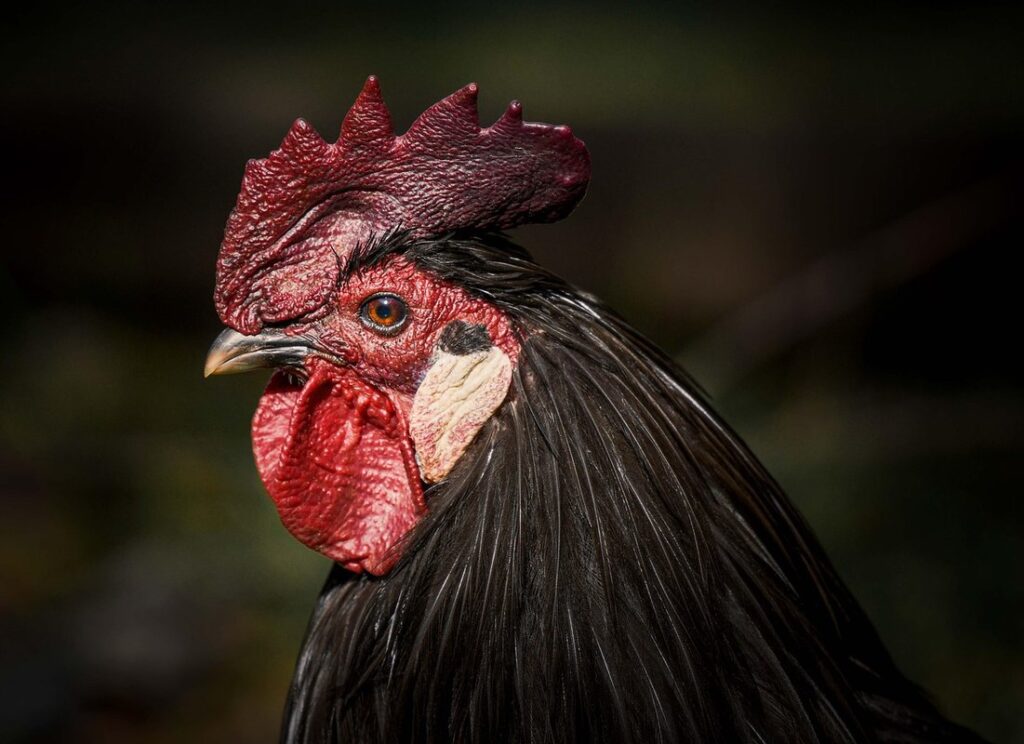
What are Cornish Hens?
If you’re new to cooking with poultry, let’s start at the beginning and explore what a Cornish hen is, how it differs from other birds, and why it’s such a popular choice for special occasions. We’ll cover the basics of this delectable dish.
History and Origin of Cornish Game Hens
Cornish hens originated in the United Kingdom, where they were bred specifically for their small size and delicate flavor. The development of these birds is attributed to poultry farmers in Cornwall, a region in southwestern England known for its rich agricultural heritage. Breeders sought to create a chicken that was easy to raise, tender, and full of flavor.
To achieve this goal, farmers crossed the Cornish Black with other breeds, resulting in a bird that was both small and compact. This selective breeding process allowed farmers to produce hens that weighed around 1-2 pounds, making them an ideal choice for family gatherings and special occasions.
The result of these efforts is the Cornish hen we know today, prized for its rich flavor and succulent texture. Whether roasted, grilled, or baked, these birds are sure to delight even the most discerning palates. By understanding their history and origins, you’ll appreciate the care and craftsmanship that goes into raising these remarkable birds.
Characteristics of Cornish Hens
When it comes to cooking with chicken, few options are as versatile and delicious as Cornish hens. These small, plump birds have a unique set of characteristics that make them a popular choice for home cooks and professional chefs alike.
One of the key advantages of Cornish hens is their size. Weighing in at around 1-2 pounds each, they’re perfect for serving one or two people – making them ideal for weeknight meals or romantic dinners. Their compact size also means that they cook quickly, typically taking just 30-40 minutes to roast in the oven.
In terms of flavor and texture, Cornish hens are hard to beat. They have a rich, buttery taste with a hint of sweetness, thanks to their high fat content. When cooked properly, the meat is tender and juicy, with a crispy skin that’s simply irresistible. To get the most out of your Cornish hen, be sure to season it liberally before roasting – a mix of salt, pepper, and herbs like thyme or rosemary works beautifully.
Their compact size also means that they’re often less expensive than larger chicken options, making them a great value for home cooks on a budget. Whether you’re serving up a special occasion feast or just a simple weeknight dinner, Cornish hens are an excellent choice – and their unique characteristics make them well worth the effort to cook.
Choosing and Preparing Cornish Hens
When it comes to cooking a delicious cornish hen, selecting the right bird is just the first step. Let’s dive into the specifics of choosing the perfect hens for your meal and learn how to properly prepare them.
Selecting the Right Cornish Hen
When it comes to selecting the right Cornish hen, there are several key factors to consider. First and foremost, freshness is paramount. Opt for a hen that has a pleasant aroma and feels heavy for its size, indicating optimal moisture levels. Check the packaging or label for a “Sell By” or “Use By” date to ensure you’re getting a fresh bird.
Next, consider the size of the hen. While it’s tempting to go for the largest option, remember that Cornish hens are best suited for smaller cooking methods and portion sizes. A good rule of thumb is to plan about 1/2 pound per person. This will also help prevent overcooking.
Breed can also play a role in your selection. Look for hens labeled as “true” or “certified” Cornish game hen, which indicates they meet certain standards for quality and breed purity. Some farms may also offer heritage or organic options, so be sure to ask about these if you’re interested. By taking the time to carefully select your Cornish hen, you’ll set yourself up for a delicious and satisfying meal.
Preparing Cornish Hens for Cooking
Preparing a Cornish hen for cooking is essential to ensure it cooks evenly and looks appealing on the plate. First, remove the giblets from the cavity and discard them. Rinse the bird under cold water, then pat it dry with paper towels inside and out.
Next, season the hen liberally with your preferred herbs and spices, making sure to get some under the skin as well. You can use a simple mix of salt, pepper, garlic powder, and paprika or get more creative with fresh thyme, rosemary, and lemon zest. Let the seasoning sit for about 30 minutes to allow the flavors to penetrate.
Trussing the hen involves tying its legs together with kitchen twine, which helps it cook evenly and prevents the legs from burning. To truss, cross the legs over each other and tie a loop around them, then tuck the tail under the body. This simple step makes a big difference in presentation and cooking time. Now your Cornish hen is ready to be roasted or grilled with confidence!
Cooking Methods for Cornish Hens
When it comes to cooking Cornish hens, you’ve got a range of techniques at your disposal to achieve perfect results. From roasting and grilling to steaming and baking, we’ll explore them all.
Roasting a Cornish Hen
Roasting a Cornish hen is an ideal cooking method that brings out its natural flavors and tenderizes the meat to perfection. To start, preheat your oven to 425°F (220°C). Rinse the Cornish hen under cold water, pat it dry with paper towels, and season it generously inside and out with salt, pepper, garlic powder, and dried herbs like thyme or rosemary.
Rub a mixture of melted butter and olive oil all over the hen, making sure to get some under the skin as well. This will add flavor and help keep the meat moist during cooking. Place the hen in a roasting pan breast side up and put it in the oven. Roast for about 45-50 minutes or until the internal temperature reaches 165°F (74°C). Baste the hen with pan juices every 20 minutes to ensure even browning.
Keep an eye on the hen’s color; when the skin is golden brown, you can remove it from the oven. Let it rest for a few minutes before carving and serving. This roasting method yields a perfectly cooked Cornish hen that’s crispy on the outside and juicy on the inside.
Grilling or Pan-Seared Cornish Hens
Grilling or pan-searing is an excellent way to prepare Cornish hens, yielding crispy skin and juicy meat. When grilling, make sure the hen is preheated to medium-high heat for about 5-7 minutes per side, or until it reaches an internal temperature of 165°F (74°C). To achieve crispy skin, pat dry the hen with paper towels before applying a mixture of olive oil, salt, and pepper. You can also brush the hen with honey or maple syrup during the last few minutes of grilling for added flavor.
For pan-searing, heat a skillet over medium-high heat and add a small amount of oil. Sear the hen for about 5-7 minutes on each side, until it reaches an internal temperature of 165°F (74°C). Use tongs or a spatula to carefully flip the hen, and avoid overcrowding the pan. To prevent the skin from steaming instead of browning, make sure the pan is hot enough before adding the hen. This technique will yield a golden-brown crispy skin and moist meat. Experiment with different seasonings and marinades to find your favorite flavor combinations.
Popular Recipes Using Cornish Game Hens
From a simple roasted dinner to an elegant main course, we’ll share our favorite recipes using whole Cornish game hens that are sure to impress your guests. These mouth-watering dishes showcase the versatility of this delicious bird.
Classic Herb-Butter Roasted Cornish Hen
When it comes to cooking Cornish hens, one of the most popular and mouth-watering recipes is the classic Herb-Butter Roasted Cornish Hen. This simple yet flavorful dish is a crowd-pleaser and pairs perfectly with an array of vegetables and sides.
To start, preheat your oven to 425°F (220°C). Rinse the Cornish hen and pat it dry with paper towels. In a small bowl, mix together softened butter, chopped fresh herbs like thyme, rosemary, or parsley, and a pinch of salt. Rub the herb-butter mixture all over the hen, making sure to get some under the skin as well.
Next, place the Cornish hen in a roasting pan and put it in the oven. Roast for about 45-50 minutes, or until the internal temperature reaches 165°F (74°C). Baste the hen with the pan juices every 15-20 minutes to keep it moist and golden brown.
The result is a crispy-skinned, juicy Cornish hen that’s infused with the aromatic flavors of herbs. Serve with roasted vegetables like asparagus, carrots, or Brussels sprouts for a well-rounded meal. This recipe is perfect for special occasions or everyday dinners – its simplicity and flavor make it a staple in many home cooks’ repertoires.
Korean-Style Grilled Cornish Hen
When it comes to cooking Cornish hens, Korean-style grilled cornish hen is a game-changer. This spicier recipe is inspired by the bold flavors and spices of Korean cuisine, making for a truly unique and mouth-watering dish.
To make this Korean-inspired cornish hen, you’ll start with a marinade made from gochujang (Korean chili paste), soy sauce, brown sugar, garlic, ginger, green onions, and sesame oil. Mix all the ingredients together in a bowl until well combined, then add your Cornish hen to the marinade, making sure it’s coated evenly.
Let the hen marinate for at least 2 hours or overnight, allowing the flavors to penetrate deep into the meat. When you’re ready to cook, preheat your grill to medium-high heat and remove the hen from the marinade, letting any excess liquid drip off. Grill the hen for about 20-25 minutes on each side, or until it reaches an internal temperature of 165°F.
Some important tips to keep in mind: use a meat thermometer to ensure the hen is cooked to a safe temperature, and don’t overcrowd your grill – cook the hen in batches if necessary. With these simple steps, you’ll be enjoying a deliciously spicy Korean-style grilled cornish hen that’s sure to impress!
Health Benefits and Nutrition Facts
Cornish hens are not only a delight to cook, but they’re also packed with nutrients that can enhance your overall health. Let’s dive into the key benefits of incorporating these birds into your diet.
Protein Content and Nutritional Value
Cornish hens are an excellent choice for health-conscious cooks, as they offer an impressive nutritional profile that’s hard to beat. With a single serving of Cornish hen providing about 30 grams of protein, you’ll be getting a significant boost of this essential amino acid. To put that into perspective, the recommended daily intake of protein is around 0.8 grams per kilogram of body weight, so one Cornish hen can meet the needs of several people.
Another advantage of Cornish hens is their relatively low saturated fat content. A single serving contains only about 3-4 grams of saturated fats, making them an ideal choice for those watching their cholesterol levels. When cooking with Cornish hens, be mindful of how you prepare them – baking or roasting are great options to retain these nutrients.
To maximize the nutritional value of your Cornish hen dish, focus on using herbs and spices as seasonings instead of oils or sauces high in saturated fats. By doing so, you’ll not only preserve the natural flavors but also maintain the lean protein content that makes Cornish hens such a popular choice for health-conscious home cooks.
Tips for Healthy Cooking Methods
When cooking Cornish hens, it’s essential to consider healthy methods that retain the bird’s natural flavor and nutrients. Baking is an excellent option as it allows even heat distribution, helping to cook the meat consistently without overcooking the exterior. Preheat your oven to 425°F (220°C) and season the hen with herbs and spices before placing it in a baking dish.
Steaming is another healthy method that helps preserve moisture within the bird. To steam Cornish hens, fill a large pot with 2-3 inches of water and bring it to a boil. Reduce heat to low, place the hen on a steamer basket, cover with a lid, and steam for about 45 minutes or until the internal temperature reaches 165°F (74°C).
When choosing between baking and steaming, remember that steaming retains more moisture, making the meat tender and juicy. On the other hand, baking provides a crispy skin, which many people enjoy. Regardless of your preferred method, always use a meat thermometer to ensure food safety.
Remember to avoid overcooking your Cornish hen as it can lead to dryness and loss of nutrients.
Tips for Serving and Presentation
To present a perfectly cooked Cornish Game Hen, it’s essential to know how to plate and serve these delicate birds with flair. We’ll share our top tips for presentation perfection.
Garnishes and Sauces
When it comes to serving Cornish game hens, adding garnishes and sauces can elevate the dish’s visual appeal and add an extra layer of flavor. One way to do this is by incorporating fresh herbs like thyme, rosemary, or parsley into a compound butter. Simply mix softened butter with chopped herbs and a pinch of salt, then spread it over the hen before roasting.
For a more dramatic presentation, try drizzling a flavorful sauce over the hen. A classic combination is a lemon-caper sauce made by whisking together lemon juice, olive oil, capers, garlic, and chopped fresh parsley. This bright and tangy sauce pairs perfectly with the rich flavor of roasted Cornish game hens.
Another option is to use a fruit-based chutney or salsa to add sweetness and acidity to the dish. A cranberry-orange relish made by cooking down fresh cranberries with orange zest and juice can provide a lovely pop of color and flavor contrast. Experiment with different combinations to find your favorite, but remember to balance flavors so as not to overpower the delicate taste of the Cornish game hen.
Ideas for Sides and Vegetables
When it comes to serving Cornish game hens, you’ll want to choose side dishes that complement their rich flavor and tender texture. Roasted vegetables are a popular choice for several reasons. For one, they’re easy to prepare and can be seasoned with herbs and spices to match the flavors of your hen. Try roasting Brussels sprouts or asparagus with olive oil, salt, and pepper for a simple yet delicious side dish.
Salads also make great accompaniments to Cornish game hens. A fresh mix of greens, cherry tomatoes, and cucumber can provide a refreshing contrast to the rich flavors of the hen. Consider adding some crumbled feta cheese or chopped nuts for added texture and flavor.
Other options include sautéed spinach with garlic, roasted sweet potatoes, or a warm quinoa salad with diced vegetables and herbs. The key is to choose sides that complement the flavors of your Cornish game hen without overpowering it. By keeping things simple and flavorful, you’ll create a well-rounded and satisfying meal that’s sure to please even the pickiest eaters.
Frequently Asked Questions
Can I use Cornish hens for a large gathering or party?
Yes, while Cornish hens are ideal for smaller groups, you can easily scale up to feed larger crowds by cooking multiple birds at once using the same roasting or grilling methods described in the article. Simply adjust cooking times based on the number of hens and ensure even browning by rotating them periodically.
How do I achieve a crispy skin on my roasted Cornish hen?
To get that perfect crispy skin, pat the hen dry with paper towels before applying any seasonings, and roast at a high temperature (around 425°F/220°C) for the first 20-25 minutes. Then, reduce heat to 375°F (190°C) and continue roasting until cooked through.
What are some creative ways to serve Cornish hens?
Consider serving your perfectly cooked Cornish hen with a variety of sides, such as roasted vegetables, quinoa salad, or garlic mashed potatoes. You can also garnish with fresh herbs like thyme or rosemary for added flavor and visual appeal.
Can I use Cornish hens in more adventurous recipes beyond the classic herb-butter roasted method?
Absolutely! The versatility of Cornish hens lends itself well to experimenting with different flavors and cuisines. Try Korean-style grilled cornish hen, Indian-inspired tandoori-spiced roasted hen, or even a Latin American-style mojo-glazed hen for a unique twist.
What are some tips for preserving leftovers or reheating cooked Cornish hens?
For optimal flavor and texture, store leftover Cornish hens in the refrigerator within two hours of cooking. Reheat by covering with foil and baking at 300°F (150°C) until warmed through. You can also use leftover meat for salads, sandwiches, or wraps.