
Ducks have long been a beloved bird species, but how much do we really know about them? From their fascinating habitats to their unique behaviors, there’s more to ducks than just their adorable quacks. Did you know that some duck species are expert navigators, migrating thousands of miles each year? Or that others have adapted to living in extreme environments, from the freezing tundra to scorching deserts? In this comprehensive guide, we’ll dive into the world of ducks and explore some truly cool facts about their habitats, diet, behavior, and more. Whether you’re a seasoned bird enthusiast or just starting to learn about these amazing birds, get ready to discover the fascinating diversity of duck species and why they’re an essential part of our ecosystem.
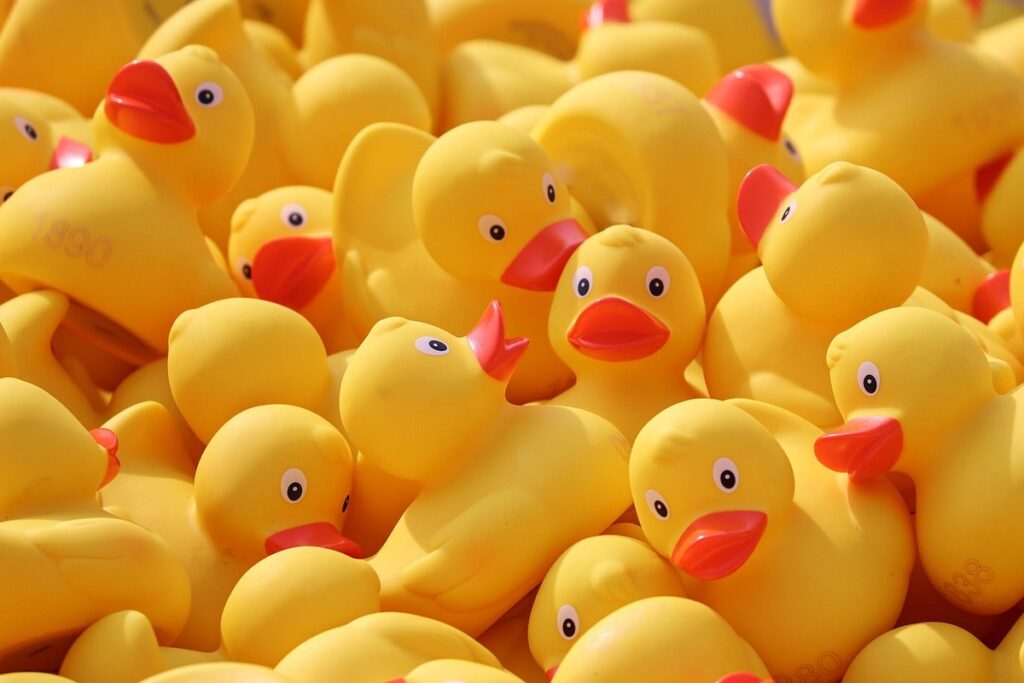
The Amazing Diversity of Duck Species
Let’s dive into the fascinating world of ducks and explore some of the incredible diversity that exists among these amazing birds. From mergansers to harlequin ducks, each species has its own unique characteristics!
1.1 Classification and Types of Ducks
When it comes to the amazing world of ducks, one of the most fascinating aspects is their incredible diversity. There are numerous types of ducks, each with its unique characteristics that have adapted to different environments and lifestyles. Let’s dive into some of the main categories.
Dabbling ducks, such as mallards and blue-winged teal, are excellent swimmers but prefer wading in shallow water to feed on plants and insects. They’re recognizable by their broad beaks, which allow them to scoop up food from the surface. On the other hand, diving ducks like mergansers and harlequin ducks are expert divers that can plunge into depths of up to 20 feet in search of fish, crustaceans, and other aquatic delicacies.
Mergansers are a special case – they have a distinctive sawbill-shaped beak that’s perfect for catching fish in fast-moving water. Whistling ducks, found in warmer climates, use their long necks to reach high into trees to feed on leaves and fruits. These unique characteristics allow each type of duck to thrive in its specific environment, making them an essential part of their ecosystems.
1.2 Record-Breaking Duck Species
When it comes to size, ducks come in all shapes and sizes. Among the most remarkable species are the largest and smallest of them all: the Muscovy duck and the Bufflehead. The Muscovy duck is a standout not just for its impressive size but also for its striking appearance.
Measuring up to 37 inches in length and weighing as much as 14 pounds, the Muscovy is truly a behemoth among ducks. Its distinctive red and black plumage sets it apart from other species, making it easily recognizable even to non-experts. Native to South America, this large duck has adapted well to human habitats and can often be found in urban areas.
On the opposite end of the spectrum lies the Bufflehead, one of the smallest duck species in the world. Reaching lengths of just 14 inches and weighing a mere 1 pound, it’s hard not to marvel at its tiny size. Found primarily in North America, this small duck is known for its swift diving abilities and can often be seen on the shores of lakes and rivers during migratory periods.
These two species serve as a testament to the incredible diversity that exists within the world of ducks. Whether you’re fascinated by their unique appearance or impressive physical characteristics, there’s no denying the allure of these remarkable birds.
Unique Adaptations and Features
Ducks have evolved some fascinating adaptations that help them thrive in their natural habitats, from their webbed feet to their incredible feather insulation. Let’s dive into these remarkable features together.
2.1 The Incredible Webbed Feet of Ducks
When you think about ducks waddling around on land, it’s easy to forget that they’re incredibly agile and efficient swimmers. This is all thanks to one of their most remarkable features: their webbed feet. These incredible appendages are designed specifically for swimming, allowing ducks to propel themselves through the water with ease.
The webs between a duck’s toes are made up of thick skin and a network of connective tissue, which helps to increase surface area and reduce drag. This means that as the duck moves its feet, it creates a powerful forward motion, allowing it to cover great distances without getting tired. Some species of ducks have more prominent webs than others – for example, the merganser has particularly large webs on its feet, which are perfect for diving and chasing fish underwater.
In fact, research has shown that ducks can swim at speeds of up to 25 miles per hour, thanks in part to their webbed feet. So if you’re ever out on a pond or lake with some duck friends, be sure to appreciate the incredible engineering that goes into those webbed feet – they’re what make swimming such an effortless experience for these beautiful birds.
2.2 Camouflage and Feather Structure
One of the most impressive adaptations that allow ducks to thrive is their incredible ability to blend into their surroundings through camouflage. But have you ever wondered what makes their feathers so special? It all starts with the unique structure of their plumage, which is divided into two distinct types: downy feathers and contour feathers.
Downy feathers, also known as soft under feathers, provide insulation and keep ducks warm in cold temperatures. These tiny feathers are lightweight, fluffy, and have a unique barbule structure that allows them to trap air next to the skin. This remarkable arrangement helps conserve heat and energy, allowing ducks to stay cozy even in freezing conditions.
Contour feathers, on the other hand, provide the outer layer of protection and play a crucial role in camouflage. Their broad shape and intricate patterns allow them to reflect light and blend seamlessly into their environment. The intricate arrangement of these feathers creates a stunning visual effect, making it almost impossible for predators or potential threats to spot them.
By combining the insulation properties of downy feathers with the camouflage capabilities of contour feathers, ducks have evolved an unparalleled ability to adapt to their surroundings. This remarkable adaptation is just one of many fascinating features that set ducks apart from other birds.
Interesting Behaviors and Social Patterns
When it comes to their social interactions, ducks can be quite fascinating creatures, displaying unique behaviors that set them apart from other birds. Let’s dive into some of these intriguing habits.
3.1 Monogamous Ducks: A Rare Phenomenon
When it comes to ducks, people often assume that they’re like other birds, flocking together and only coming together for mating. But did you know that some duck species are actually capable of forming long-term monogamous relationships? This is indeed a rare phenomenon in the world of waterfowl.
Take the Wood Duck, for instance. These stunning creatures are known to form pairs during breeding season, which can last up to several years. In fact, one study observed a pair of Wood Ducks that were together for an impressive 10 years! Similarly, the Merganser is another duck species that has been known to form long-term monogamous relationships.
But what’s behind this rare behavior? Scientists believe that it may be linked to the ducks’ social structure and habitat. For example, some duck species live in areas with limited resources, making it essential for them to work together to ensure survival. This can lead to stronger pair bonds and a greater likelihood of long-term monogamy.
While not all duck species exhibit this behavior, it’s fascinating to learn about those that do. By studying these unique relationships, we can gain a deeper understanding of the complexities of duck social dynamics.
3.2 Migratory Patterns and Routes
When it comes to migratory patterns and routes, ducks are some of the most impressive travelers in the bird world. Each year, millions of ducks embark on their annual migrations, flying thousands of miles to reach their wintering grounds. Some of the most notable migration routes include the Pacific Flyway, which spans from Alaska to California, and the Atlantic Flyway, which stretches from Canada to the Gulf of Mexico.
As these birds make their way to new habitats, they face numerous challenges, including harsh weather conditions, predators, and human-made obstacles like buildings and highways. To adapt to these difficulties, ducks have developed remarkable navigational skills, often using celestial cues, magnetic fields, and even visual landmarks to guide them on their journeys. For example, some species of ducks are known to follow the same migration routes for generations, relying on an innate sense of direction that’s passed down through their genes.
One fascinating aspect of duck migration is their ability to adjust their travel plans based on environmental conditions. In times of drought or extreme weather, they may alter their route to avoid areas with scarce resources. By studying these remarkable journeys, we can gain a deeper appreciation for the incredible adaptability and resilience of ducks in the face of adversity.
Food Sources and Foraging Strategies
When it comes to finding sustenance, ducks aren’t picky eaters and have adapted to feed on a wide variety of plants and insects. Let’s dive into their clever foraging strategies and food sources.
4.1 Omnivorous Diet: What Do Ducks Eat?
Ducks are opportunistic feeders, which means they’ll eat almost anything they can find. Their diet is incredibly diverse and varies depending on their location, season, and available food sources. In the wild, ducks will forage for aquatic plants like duckweed, water lilies, and algae. They also love to snack on insects like snails, slugs, and aquatic beetles.
In addition to plants and insects, ducks are known to eat small fish, crustaceans, and even tiny frogs! In some cases, they’ll also feed on grains like wheat, oats, and barley if they’re available. For example, Mallard ducks have been observed eating spilled grain from farm fields in the United States.
If you’re looking to replicate a duck’s diet for your feathered friends at home, consider offering a variety of foods including fresh vegetables, fruits, and whole grains. You can also try supplementing their diet with mealworms or other insect-based treats. Just be sure to provide fresh water and a balanced mix of nutrients to keep your ducks healthy and thriving.
4.2 Unique Foraging Techniques
Ducks are incredibly resourceful when it comes to finding food. While they’re often seen swimming and dabbling in shallow waters, they have several unique foraging techniques that help them exploit their environment. One of the most fascinating methods is called “up-ending,” where ducks literally turn themselves upside down using their powerful neck muscles. By doing so, they can reach into vegetation and uncover tasty aquatic plants, insects, and even small crustaceans.
Another clever technique employed by ducks is using their webbed feet to dig into muddy waters. This allows them to extract buried treasures such as tubers, roots, and aquatic insects that would be impossible for them to access otherwise. By observing how ducks forage in their natural habitat, we can learn valuable lessons about adaptability and resilience.
If you’re interested in trying out these techniques yourself (perhaps in a controlled environment like a backyard pond), start by practicing up-ending with your own body – it’s not as easy as it looks! Next, experiment with using a makeshift “duck foot” made from a plastic bag or a piece of cloth to see how effectively you can dig into the mud.
Habitat and Nesting Habits
When it comes to finding a home, ducks are surprisingly skilled at adapting to different environments, from ponds to parks. Let’s dive into their fascinating habitat and nesting habits.
5.1 Diverse Environments: Where Do Ducks Live?
Ducks are incredibly adaptable birds that can thrive in a wide range of environments. While they’re often associated with serene lakes and ponds, their habitats extend far beyond these tranquil settings. In fact, ducks have been known to inhabit everything from shallow wetlands to dense forests, and surprisingly, even urban areas.
You might be surprised to learn that some species of ducks, such as the Wood Duck, can be found in deciduous and coniferous forests, where they forage for seeds, fruits, and insects. Others, like the Mallard, are comfortable in both freshwater and brackish wetlands, feeding on aquatic plants and small invertebrates.
In urban areas, ducks have even been known to make themselves at home in parks, gardens, and even golf courses! With their ability to adjust to human-dominated landscapes, it’s not uncommon for city dwellers to spot these feathered friends waddling around their neighborhood lakes or ponds. This adaptability is a testament to the resourcefulness of ducks and highlights their remarkable ability to thrive in almost any environment.
5.2 Nests and Incubation Periods
When it comes to nest-building, ducks are incredibly creative and resourceful. Different species have evolved unique strategies to create a safe haven for their eggs and ducklings. Some ducks build simple depressions in the ground, while others construct elaborate structures using vegetation.
For example, Wood Ducks are known to build cup-shaped nests with a small entrance hole, often using twigs, leaves, and grasses to line it. Mallards, on the other hand, tend to create shallower nests with a slight depression in the center. Interestingly, some ducks will even reuse old nests or take over existing ones from other birds.
If you’re interested in attracting ducks to your yard, consider creating a nesting site by providing a shallow depression in a sunny spot and lining it with soft materials like grasses or moss. Be patient, as it may take several attempts for the ducks to accept this new location. Remember that different species have specific preferences, so research the needs of the duck species you’re trying to attract.
Duck Behavior in Captivity
When ducks are kept in captivity, their behavior can be quite fascinating and sometimes surprising, revealing interesting quirks that are worth exploring. Let’s take a closer look at some of these unique characteristics.
6.1 Keeping Ducks as Pets: Pros and Cons
If you’re considering bringing home some feathered friends as pets, keeping ducks can be an exciting and rewarding experience. However, it’s essential to weigh the pros and cons before making a decision.
On the plus side, ducks are relatively low-maintenance pets compared to dogs or cats. They require less space, as a small yard or even a large aviary can suffice for a few ducks. Additionally, their quacking noise is often charming and entertaining, and they’re social creatures that thrive on interaction with humans. Many duck breeds are also known to be friendly and docile, making them a great choice for families with children.
However, there are some downsides to consider. For instance, ducks can be messy eaters, producing large amounts of droppings that require regular cleaning. They also need access to water for swimming and cleaning, which can increase the space requirements. Furthermore, some breeds can be quite loud, so it’s crucial to research the noise levels before bringing them home. Overall, with proper planning and preparation, keeping ducks as pets can be a fun and enriching experience for both you and your family.
6.2 Domestication and Breeding Programs
Domesticated duck breeds are the result of selective breeding programs aimed at enhancing desirable traits such as egg-laying capacity, meat production, and feather quality. These programs have been instrumental in agriculture, providing a consistent supply of eggs and meat for human consumption.
In conservation efforts, domestication has also played a crucial role in preserving genetic diversity within duck populations. By selectively breeding ducks with unique characteristics, breeders can identify and preserve specific traits that might be lost over time due to habitat destruction or other environmental factors.
For example, the Muscovy duck’s ability to thrive in tropical climates has made it an ideal choice for small-scale farmers in regions where traditional European breeds may struggle. Similarly, the Khaki Campbell‘s exceptional egg-laying capacity has earned it a place as one of the most popular duck breeds among backyard enthusiasts.
If you’re considering starting your own domestication project, it’s essential to research and understand the specific needs of the breed you’re working with. With proper care and attention, you can help preserve genetic diversity while also enjoying the unique characteristics of your feathered friends.
Fun Facts and Quirks
Let’s dive into some fun facts and quirks that showcase the unique side of ducks, revealing their surprising talents and behaviors. You’ll be quacking with delight!
7.1 Unusual Courtship Displays
When it comes to love and relationships, ducks are no exception. In fact, their courtship displays are some of the most fascinating and entertaining behaviors you’ll ever see in the animal kingdom. Take the Wood Duck, for instance. During mating season, males will engage in an elaborate dance to impress potential partners. This involves a series of impressive movements, including head-bobbing, neck-stretching, and even wing-flapping.
But it’s not just about the moves – the male Wood Duck also uses vocal displays to woo his mate. He’ll let out a series of high-pitched whistles and calls, which can be heard for miles. And if all goes well, the female will respond with her own unique whistle, signaling that she’s interested.
If you’re lucky enough to witness this spectacle in person, here are some tips to get the most out of it: pay attention to body language – a raised head or puffed-out feathers can be a sign of excitement. And don’t worry if you can’t understand the different calls and whistles – just enjoy the show! With patience and practice, you might even learn to recognize some of the unique vocalizations yourself.
7.2 Unique Communication Methods
Ducks have evolved unique communication methods to convey information and express themselves in various situations. One of the most notable ways they communicate is through visual displays. When threatened or competing for resources, ducks will often display their feathers by puffing out their chests, spreading their wings, or even doing a “preening dance” to signal dominance.
In addition to visual cues, ducks also rely heavily on vocalizations. They use a range of quacks and whistles to convey emotions, needs, and intentions. For instance, a mother duck will use a soft quack to call her ducklings back to the safety of the water’s edge, while a warning call will sound more shrill and urgent.
Interestingly, ducks also communicate through scent markings. They have scent glands located on their feathers, which they use to leave chemical signals for other ducks in the area. This is particularly important for establishing dominance hierarchies within flocks.
Frequently Asked Questions
What’s the best way to learn more about duck species beyond this article?
If you’re interested in delving deeper into the world of ducks, consider exploring reputable sources such as National Geographic, Audubon Society, or local birding organizations. You can also join online forums or social media groups dedicated to bird enthusiasts and conservation efforts.
Can I keep ducks as pets if I live in an urban area?
While it’s possible to keep ducks as pets in urban areas, be sure to check with your local government for regulations regarding backyard chickens and other small livestock. Additionally, consider the space and noise requirements of keeping ducks, as well as their social needs.
How can I support conservation efforts for duck species?
You can make a difference by supporting organizations dedicated to protecting waterfowl habitats, such as Ducks Unlimited or The Nature Conservancy. Consider donating, volunteering, or spreading awareness about the importance of preserving natural habitats and ecosystems.
What’s the best way to attract ducks to my backyard or community garden?
To attract ducks to your outdoor space, consider creating a welcoming environment by installing a pond or water feature, planting native vegetation that provides food and shelter, and avoiding using pesticides or other chemicals that can harm wildlife.