
As a poultry farmer, you know how vulnerable your flock can be to disease and harm. A single breach in biosecurity can have devastating consequences for your birds’ health and even threaten the livelihood of your farm. That’s why having a solid coop biosecurity checklist is essential to safeguarding your flock. But what exactly does that entail? In this article, we’ll walk you through a comprehensive coop biosecurity checklist to help you assess, improve, and maintain effective practices on your poultry farm. From assessing risks to implementing protocols for cleaning and disinfection, we’ll cover it all. By the end of this guide, you’ll have a clear understanding of how to protect your flock from disease and ensure their optimal health and productivity.
Understanding the Importance of Biosecurity
When it comes to protecting your flock, understanding the importance of biosecurity is crucial to preventing disease and harm. In this section, we’ll explore why biosecurity matters.
What is Coop Biosecurity?
Coop biosecurity refers to the set of practices and protocols implemented to prevent the introduction and spread of diseases within a poultry farm. It’s a critical component of maintaining a healthy flock and protecting against financial losses due to disease outbreaks.
Poor coop biosecurity practices can have severe consequences, including reduced egg production, decreased hatchability, and increased mortality rates among birds. In extreme cases, a lack of proper biosecurity measures can lead to the introduction of deadly diseases like avian influenza or Newcastle disease, resulting in significant economic losses for poultry farmers.
In reality, many poultry farms are vulnerable to biosecurity breaches due to factors such as inadequate cleaning and disinfection procedures, poorly designed ventilation systems, and inadequate training for farm staff. To mitigate these risks, it’s essential to establish robust biosecurity protocols that cover all aspects of the farm, from personnel hygiene to waste management.
Identifying Potential Risks to Your Flock
Identifying potential risks to your flock is crucial in maintaining their overall health and productivity. Disease outbreaks are one of the most significant threats to a flock’s well-being. Avian influenza, Newcastle disease, and infectious bronchitis are just a few examples of diseases that can decimate a flock if left unchecked.
Parasite infestations are another common risk factor. External parasites like mites, lice, and fleas can cause discomfort and stress to the birds, while internal parasites like worms can lead to anemia, weight loss, and even death. Regular cleaning of the coop, monitoring for signs of infestation, and using preventative measures like powders or sprays can help mitigate these risks.
Environmental hazards such as poor ventilation, inadequate lighting, and unsanitary conditions can also have a devastating impact on your flock’s health. For instance, ammonia buildup from excessive droppings can cause respiratory problems in birds. Make sure to maintain good airflow, clean out the coop regularly, and provide adequate space for your birds to move around.
Keep an eye out for any unusual behavior or physical changes in your birds, such as lethargy, ruffled feathers, or labored breathing. These could be signs of underlying health issues that need immediate attention.
Developing a Coop Biosecurity Plan
Creating a comprehensive coop biosecurity plan is crucial to safeguarding your flock, and it starts by identifying potential risks and vulnerabilities in your operation. This step sets the foundation for effective disease prevention and management.
Assessing Your Current Biosecurity Measures
As you begin to develop a comprehensive biosecurity plan for your coop, it’s essential to assess your current measures and identify areas that need improvement. This self-assessment process will help you strengthen your defenses against disease and harm.
Start by evaluating your record-keeping practices. Are you tracking vaccinations, medications, and health issues in your flock? Do you have a system for recording visitor information, including their contact details and purpose of visit? Implementing a robust record-keeping system will enable you to identify potential disease outbreaks early on and take prompt action.
Next, examine your sanitation protocols. Are you regularly cleaning and disinfecting equipment, feeders, and waterers? Do you have a plan for managing manure and waste effectively? Consider implementing a schedule for deep cleaning the coop, including scrubbing surfaces with a disinfectant specifically designed to kill pathogens.
When it comes to personnel management, consider who has access to your coop. Are all visitors required to wear personal protective equipment (PPE), such as masks and gloves? Do you have procedures in place for managing new employees or volunteers who may not be familiar with your biosecurity protocols?
Setting Goals and Priorities for Your Biosecurity Program
When setting goals for your coop biosecurity program, it’s essential to be realistic and consider the specific needs of your farm. Start by assessing what’s possible within your budget and resource constraints. Consider allocating a specific amount each year for biosecurity expenses, such as cleaning supplies, equipment maintenance, and personnel training.
Next, prioritize your efforts based on the most significant risks to your flock. Identify areas where disease or harm is most likely to occur and focus on addressing those first. For example, if you have a history of issues with predator attacks, prioritizing fencing and netting repairs might be more critical than investing in disinfectants.
Developing clear goals and priorities will help guide your resource planning and budget allocation. Make sure to regularly review and update these goals as your farm’s needs evolve. This may involve revisiting your flock’s size, breed selection, or changing local disease prevalence. By setting realistic goals and prioritizing effectively, you can make the most of your resources and create a robust coop biosecurity program that protects your flock.
Personal Protective Equipment (PPE) and Cleanliness
When handling your flock, proper gear can make all the difference. Make sure you’re equipped with PPE and know how to keep your coop environment clean to prevent disease.
Introduction to PPE in Coop Settings
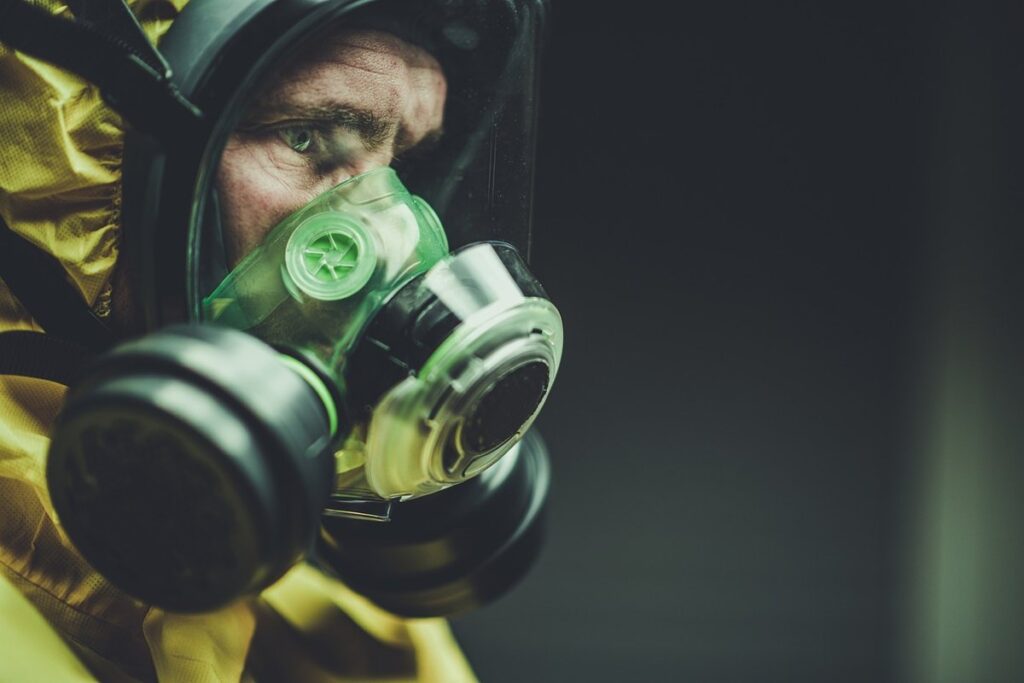
When working with poultry, it’s essential to prioritize personal protective equipment (PPE) to prevent cross-contamination and maintain coop biosecurity. In a coop environment, PPE serves as the first line of defense against disease transmission.
Gloves are an indispensable part of PPE in coops. They protect your hands from direct contact with birds, manure, and other potential sources of infection. When selecting gloves for coop work, opt for disposable ones made from materials like nitrile or latex. These types of gloves offer excellent barrier protection against bacteria and viruses.
Masks are another crucial component of PPE in coops. They prevent inhalation of pathogens that may be present in the air or on surfaces. Choose masks with a filtration efficiency rating of 95% or higher, such as N95 respirators. Ensure you wear your mask properly to maximize its effectiveness.
Lastly, eyewear is often overlooked but plays a vital role in protecting yourself from potential harm. Wear goggles or safety glasses when working in the coop to shield your eyes from debris and splashes of manure.
Cleaning and Disinfecting Procedures
Cleaning and disinfecting is a crucial aspect of coop biosecurity. It’s essential to establish a regular cleaning schedule that covers all areas of the coop, feeders, waterers, and other equipment. Start by removing soiled bedding material from the coop and disposing of it safely.
Next, sweep or vacuum the coop floor to remove any debris, feathers, or droppings. This will help prevent disease-carrying pathogens like E. coli and Salmonella from spreading.
For disinfecting, use a solution that’s specifically labeled as safe for use on poultry equipment. Always read and follow the product instructions carefully. Apply the solution evenly, making sure to cover all surfaces, including walls, floors, feeders, and waterers. Let it sit for the recommended time before rinsing thoroughly with clean water.
Don’t forget to disinfect any tools or equipment used during cleaning, such as mops, buckets, and scrubbers. This will prevent re-contamination of the coop.
Vaccination Strategies and Disease Management
When it comes to protecting your flock from disease, understanding effective vaccination strategies and disease management is crucial for maintaining overall health. This section will guide you through key considerations and best practices.
Understanding Vaccination Options for Your Flock
Understanding Vaccination Options for Your Flock
When it comes to protecting your flock from disease, vaccination is an essential tool. However, with various types of poultry diseases and vaccination strategies available, choosing the right one can be overwhelming. Let’s break down some common vaccination options for different types of poultry diseases.
Inactivated Vaccines: These vaccines contain inactivated or killed pathogens that cannot cause the disease but still stimulate an immune response. They are often used to prevent diseases such as Newcastle disease and infectious bronchitis. Inactivated vaccines are generally safe, but they may not provide long-term protection.
Live Attenuated Vaccines: These vaccines contain weakened live pathogens that can cause a mild infection but do not lead to severe disease symptoms. Live attenuated vaccines offer longer-lasting immunity and are often used to prevent diseases such as Marek’s disease and avian influenza. However, they may carry some risk of transmission to healthy birds.
Combination Vaccines: These vaccines combine multiple pathogens in a single dose, making them a convenient option for preventing multiple diseases at once. Combination vaccines can help reduce the number of vaccinations needed and minimize stress on your flock.
Monitoring and Managing Disease Outbreaks
When it comes to protecting your flock from disease, early detection is crucial. Monitoring for signs of illness is an essential part of coop biosecurity. Look out for changes in behavior, appetite, and droppings. For example, if birds are lethargic or showing a decrease in egg production, it may be a sign that something is amiss.
To investigate the source of disease, you’ll need to conduct a thorough examination of your coop and surrounding areas. This includes inspecting water and feed sources, examining the condition of nests and roosts, and checking for any signs of pests or predators. Keep accurate records of any observations or changes in bird health, as these can help inform your investigation.
If you suspect an outbreak, implement control measures immediately. This may involve isolating affected birds, disinfecting equipment and surfaces, and implementing new sanitation protocols. For instance, if you identify a viral disease like Avian Influenza, you’ll need to take swift action to contain the spread of the virus.
Record-Keeping and Continuous Improvement
Developing a record-keeping system will help you identify areas for improvement, track progress over time, and make data-driven decisions to protect your flock from disease. By doing so, you’ll be able to refine your biosecurity protocols and ensure the health of your birds.
Establishing a Biosecurity Logbook
Maintaining accurate records is crucial for tracking biosecurity activities, ensuring vaccination schedules are up to date, and adhering to cleaning protocols. A dedicated logbook can help you stay on top of these tasks, providing a clear picture of your coop’s health and safety.
When setting up a biosecurity logbook, begin by defining what information you’ll track. This might include dates for vaccinations, when cleaning products were used, and any incidents or issues that arise. You can create templates with space for notes, checklists, or calendar grids to suit your needs.
For example, consider dedicating a page for monitoring temperature fluctuations in the coop, as this is crucial for maintaining healthy birds. Regularly document temperature readings, alongside weather patterns and other environmental factors that may impact the flock’s well-being.
Remember to review and update your logbook regularly, ensuring all information remains accurate and relevant. This proactive approach will not only aid in identifying potential issues but also help you make informed decisions about implementing changes to improve coop biosecurity.
Ongoing Monitoring and Evaluation of Your Biosecurity Plan
Monitoring your biosecurity plan is an ongoing process that requires regular evaluation to identify areas for improvement. Without continuous monitoring, you may not catch emerging issues before they become major problems. Set up a system to regularly review your plan, such as scheduling quarterly meetings with your flock’s key caregivers.
Use data collected from these reviews to inform future decisions about biosecurity initiatives. For example, if you notice an uptick in respiratory disease cases, consider implementing enhanced ventilation measures or adjusting vaccination schedules. Reviewing sales and health records can also help pinpoint specific areas where your flock may be vulnerable.
Consider using a biosecurity audit tool to guide your evaluations. These tools often include questionnaires that assess different aspects of coop management, such as sanitation, visitor protocols, and pest control. Regularly incorporating these assessments into your monitoring routine will help ensure you’re making informed decisions about future investments in your flock’s health.
Frequently Asked Questions
What if I already have a biosecurity plan, but I’m not sure if it’s comprehensive enough?
Reviewing your existing plan against the checklist outlined in this guide can help identify gaps and areas for improvement. Consider consulting with industry experts or conducting an external audit to ensure your plan meets current standards and best practices.
How often should I review and update my coop biosecurity protocols?
Regular reviews (at least annually) are crucial to maintaining effectiveness. Changes in disease prevalence, new research findings, or shifts in farm operations may necessitate updates to your protocols. Stay informed about emerging diseases and technologies to ensure your biosecurity plan remains proactive.
What if a disease outbreak occurs despite having a comprehensive biosecurity plan?
Yes, even with robust measures in place, outbreaks can still occur due to unforeseen circumstances. Swift action is essential; implement emergency response procedures, isolate affected areas, and consult with veterinary professionals for guidance on containment and management.
How do I communicate the importance of coop biosecurity to my farm staff or family members who may not be familiar with it?
Clearly explain the risks associated with poor biosecurity and the benefits of maintaining a healthy flock. Educate them on their roles in implementing and maintaining protocols, and encourage open communication about any concerns or issues.
Can I use alternative cleaning methods for coop surfaces instead of traditional disinfection techniques?
No, for effective disease control, it’s essential to adhere to proven disinfection methods recommended by industry experts and regulatory agencies. Alternative approaches may not provide the necessary level of sanitization, risking increased disease transmission and potential animal health impacts.