
As a backyard chicken enthusiast or commercial farm owner, you know how crucial it is to ensure the health and safety of your flock. But let’s face it: keeping an eye on your coop 24/7 just isn’t possible. That’s where coop camera monitoring comes in – a game-changer for boosting egg production, promoting animal welfare, and preventing security threats. With the right setup, you’ll be able to monitor your birds’ behavior, detect potential issues before they become major problems, and even identify predators lurking around the coop. In this article, we’ll explore how coop camera monitoring can revolutionize your chicken-keeping experience, from improving egg yields to safeguarding your farm’s integrity. Whether you’re a seasoned farmer or just starting out, you won’t want to miss these essential insights into the world of coop cam monitoring.
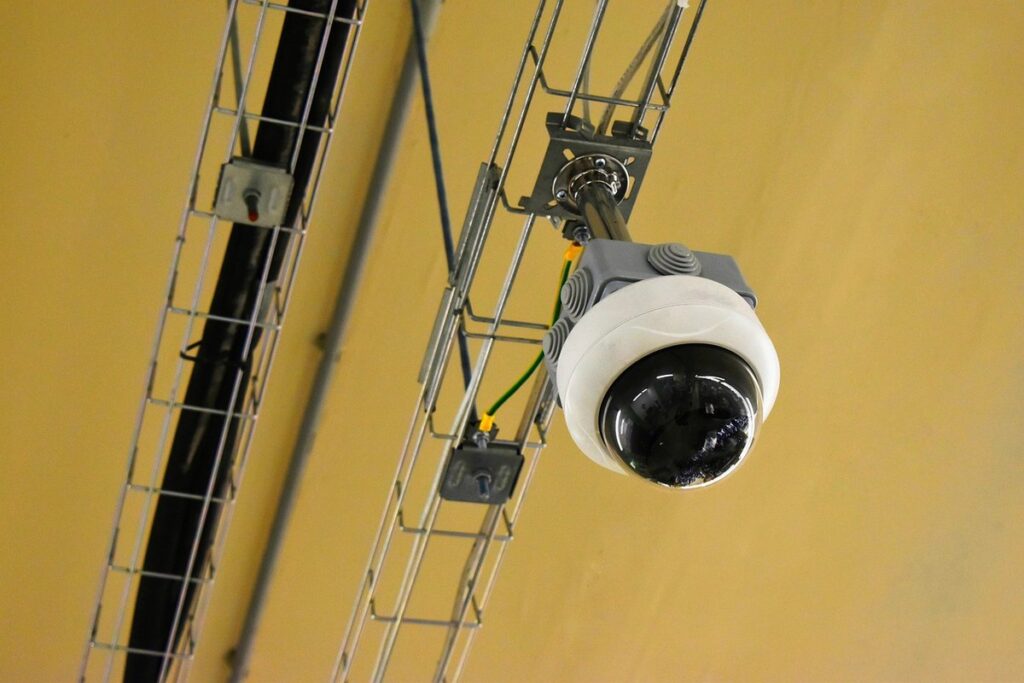
What is Coop Camera Monitoring?
Let’s dive into what coop camera monitoring entails, and how it can help you keep an eye on your backyard birds without breaking the bank.
Definition and Purpose
Coop camera monitoring is an essential tool for chicken farmers and backyard chicken enthusiasts to ensure the health, safety, and productivity of their flocks. By installing cameras inside and around the coop, you can keep a watchful eye on your birds from anywhere, at any time. This not only allows you to monitor egg production but also provides valuable insights into animal welfare.
For instance, coop cameras can help detect early signs of illness or stress in individual birds, enabling prompt intervention and reducing the risk of disease outbreaks. Regular monitoring can also reveal patterns of behavior that may indicate potential security threats, such as predators lurking around the coop.
Moreover, coop cameras enable you to track egg production remotely, allowing you to optimize feeding schedules, nesting box cleanliness, and other factors that impact egg laying rates. By doing so, you’ll not only improve your flock’s overall health but also increase the likelihood of achieving a steady supply of fresh eggs for yourself or your customers.
Benefits of Coop Camera Monitoring
Coop camera monitoring offers numerous benefits that can significantly improve the management and care of backyard chickens. By tracking egg production, you can identify patterns and optimize the laying process to maximize output. For instance, if you notice a decrease in egg production during certain times of the year or after specific events (e.g., changes in lighting or temperature), you can adjust your chicken’s diet, environment, or routine accordingly.
Monitoring chicken behavior through coop cameras also enhances animal welfare and safety. By keeping an eye on their activity, you can detect potential health issues early on, such as unusual pecking orders, stress signals, or signs of injury. This enables prompt intervention to prevent accidents, infections, or long-term damage. Coop cameras are particularly useful for detecting predators or other threats that may be lurking outside the coop.
Regular monitoring also helps deter theft and detect suspicious activity around your chicken coop. When potential thieves see they’re being watched, they’ll think twice about attempting to steal your chickens or equipment.
Choosing the Right Coop Camera
When selecting a coop camera, it’s essential to consider factors such as resolution, field of view, and night vision capabilities. This ensures you get the right tools for monitoring your backyard safely.
Types of Coop Cameras
When it comes to choosing the right coop camera for your backyard flock, one of the most important decisions is selecting a type that fits your needs. There are several options available, each with its own set of benefits and drawbacks.
Wired vs wireless cameras is a common debate among chicken keepers. Wired cameras provide a secure connection and can be more reliable in areas with poor internet connectivity. However, they require more setup time and may limit the camera’s placement flexibility. Wireless cameras, on the other hand, offer greater freedom to move the camera around your property without being tethered by cables.
IP (Internet Protocol) cameras are another popular choice for coop monitoring. These cameras allow remote access, motion detection, and recording capabilities. With IP cameras, you can check in on your flock from anywhere with an internet connection, receive notifications when motion is detected, and store footage for later review.
Key Features to Consider
When selecting a coop camera for monitoring your backyard chickens, there are several key features to consider. First and foremost, resolution and video quality are crucial. A minimum of 1080p (HD) is recommended, but if you can afford it, look for cameras with 4K or higher resolution for crystal-clear footage. This will ensure that you can see even the smallest details, such as a predator’s face or your chickens’ behavior.
Next, consider the field of view and camera placement. A wide-angle lens (around 90-130 degrees) is ideal for covering more area without blind spots. You’ll also want to think about where the camera will be placed, ideally at a height that allows for an unobstructed view of your coop and surrounding areas.
Storage capacity and cloud integration are also important considerations. Look for cameras with local storage options (e.g., SD cards) and consider how much footage you plan to store. Some cameras also offer seamless cloud integration, allowing you to access and manage your footage from anywhere. Be sure to check the subscription costs and any potential data limits when choosing a camera with cloud capabilities.
Installation and Setup
Before you start monitoring your coop, let’s get down to business and go over the essential steps for installing and setting up your camera system correctly. This ensures smooth operation from day one.
Physical Installation
When it comes to installing your coop camera, choosing the right mounting option is crucial for optimal performance and durability. You have a few options to consider: adhesive strips, screws, or even magnetic mounts. Adhesive strips are great for smooth surfaces like walls or metal roofs, while screws provide added security on rougher terrain. Magnetic mounts can be a good choice if you need to move the camera frequently.
Regardless of your chosen mount, ensure that it is securely attached and won’t come loose in harsh weather conditions. When mounting the camera outdoors, consider using a weatherproof enclosure to protect it from moisture and extreme temperatures. This will also help extend the lifespan of your equipment. Think about where you’ll place the power supply and wiring – ideally close to the camera but out of reach of predators or curious birds.
Keep in mind that for outdoor installations, you may need to use waterproof connectors or weather-resistant cables to prevent damage from rain or snow. When drilling holes for screws or running wires, take care not to compromise the structural integrity of your coop or disturb any nearby electrical systems.
Configuring the Camera Software
Configuring the camera software is a crucial step to ensure seamless monitoring of your coop. Let’s dive into the process.
First, connect your camera to your network via Wi-Fi or cellular data. This will enable remote access and motion detection features. Typically, the camera’s app will guide you through this process, so be sure to download it on your smartphone or tablet. For cellular connectivity, ensure that your provider supports 4G or LTE networks for reliable coverage.
Next, set up your motion detection system. Most coop cameras allow you to adjust sensitivity levels and define specific areas of interest within the camera’s field of view. You can also customize alert settings, such as notification preferences (e.g., email, in-app push) and alert types (e.g., motion detection, suspicious activity). Some cameras even offer advanced features like object classification and people detection.
To optimize your video quality and storage settings, adjust the resolution, frame rate, and compression levels according to your needs. If you’re recording 24/7, consider investing in a camera with cloud storage or an external hard drive for local storage options. Experiment with different settings to find the perfect balance between image quality and storage space usage.
Monitoring and Maintenance
Now that you’ve set up your coop camera, let’s talk about keeping it running smoothly. This is where regular monitoring and maintenance come into play to ensure everything stays online and secure.
Remote Access and Viewing
With coop camera monitoring, you can keep an eye on your feathered friends from anywhere. Many modern coops come equipped with remote access features that allow you to check on your chickens using a mobile app or web interface.
Using a mobile app is one of the biggest benefits of remote access. These apps usually offer live streaming, motion detection alerts, and two-way audio capabilities. With them, you can see what’s going on in the coop, even when you’re not physically there. For example, if you receive an alert that your chickens are making a ruckus, you can log in to the app and watch live as they peck at food or take a dust bath.
The remote access feature also enables you to interact with your chickens remotely. You can use the two-way audio feature to talk to them, calm them down if needed, or simply say hello. This way, even when you’re away from home, you can still stay connected to your pets and ensure their well-being.
Regular Maintenance and Upkeep
To ensure your coop camera continues to perform optimally, regular maintenance is crucial. Start by cleaning the lens and camera housing regularly to prevent dust buildup and maintain clear visibility. Use a soft cloth and a gentle cleaning solution to avoid scratching the lens or damaging any other components.
In addition to physical maintenance, it’s essential to check for firmware updates periodically. Firmware updates often include bug fixes, security patches, and new features that can enhance your camera’s performance. You can usually update the firmware through the manufacturer’s website or app.
Another important aspect of regular upkeep is ensuring you have sufficient storage capacity. A full storage drive can lead to video loss and reduced camera performance. Check your storage regularly and consider investing in a larger storage device if needed. Consider setting up automatic recording schedules and notifications to alert you when storage is low, making it easier to stay on top of maintenance tasks.
Advanced Features and Integrations
Beyond basic functionality, many coop cameras offer advanced features and integrations that can further enhance your monitoring experience. Let’s take a look at some of these key additions.
Smart Coop Camera Systems
Some coop camera systems can integrate with other smart devices, such as sensors and automation systems. This integration allows for a more comprehensive monitoring experience, where you can track temperature, humidity, and lighting levels within the coop, among other factors.
For example, you might pair a coop camera with a sensor that detects ammonia levels or moisture in the bedding. If the levels exceed safe thresholds, the system will alert you to take corrective action. This helps ensure a healthier environment for your chickens and reduces the risk of respiratory problems.
Another benefit is automating tasks based on monitored data. You can set up routines that turn lights on or off, open or close vents, and even dispense feed or water when your birds need it. These smart coop camera systems are especially useful for those with large flocks or multiple coops to manage.
AI-Powered Monitoring and Analytics
AI-powered monitoring and analytics have revolutionized the way we care for our backyard chickens. By leveraging advanced technologies like machine learning and computer vision, coop cameras can now provide unparalleled insights into chicken behavior, helping you identify potential issues before they become major problems.
These AI-powered systems use sophisticated algorithms to analyze visual data from the camera feed, detecting anomalies in feeding patterns, egg-laying habits, and even recognizing individual birds. This information can be incredibly valuable for identifying health issues or stressors that might be affecting your flock’s overall well-being. For instance, if you notice a sudden drop-off in egg production, an AI-powered monitoring system could alert you to investigate further.
Moreover, these systems often come equipped with automated alerts and notifications, ensuring you stay on top of any potential issues even when you’re not actively monitoring the cameras. This feature is particularly useful for busy chicken keepers or those who can’t always be present in the coop. By harnessing the power of AI-powered monitoring and analytics, you’ll be able to provide your chickens with the best possible care while minimizing your own workload and stress levels.
Conclusion
Now that you’ve learned how to set up and use coop cameras effectively, let’s summarize the key takeaways from our comprehensive guide.
Recap of Key Points
In conclusion to our comprehensive guide on coop camera monitoring, let’s recap the key points covered to emphasize the importance of this technology for both backyard chicken keepers and commercial farmers.
Firstly, we highlighted the significance of coop camera monitoring in ensuring the safety and security of poultry flocks. With a coop camera system, you can keep an eye on your birds at all times, receiving real-time alerts when any unusual activity is detected. This feature is particularly crucial for backyard chicken keepers who may not be able to monitor their coops constantly.
Secondly, we discussed the benefits of coop camera monitoring in detecting health issues and preventing poultry disease outbreaks. By installing a coop camera system, you can closely monitor your birds’ behavior and detect any early signs of illness or stress, allowing you to take prompt action to prevent further complications.
Lastly, we touched on the cost-effectiveness of coop camera monitoring systems, which are often more affordable than hiring security personnel or investing in physical fencing. These cameras provide an added layer of protection without breaking the bank.
Final Tips and Recommendations
As you finalize your coop camera monitoring system, keep these key considerations in mind. For beginners, it’s essential to start small and focus on the most critical areas of your farm or backyard. This may mean investing in a single high-quality camera that can be easily installed and monitored.
Advanced users, on the other hand, should consider integrating multiple cameras with varying angles and zoom capabilities. Be sure to choose a system with robust storage capacity and real-time streaming options to ensure seamless monitoring.
When it comes to installation, don’t forget to prioritize power supply and internet connectivity for your camera systems. Also, be mindful of potential interference from other electronic devices in the area.
Lastly, regular maintenance is crucial to extending the lifespan of your coop cameras. This includes checking software updates, replacing batteries or faulty components, and ensuring proper wiring connections. By following these guidelines, you’ll be well on your way to effective coop camera monitoring and a more secure, worry-free environment for your birds.
Frequently Asked Questions
How can I ensure the coop camera’s power supply is secure?
Make sure to install a weather-resistant power source, such as a battery or solar panel, to keep your coop camera running continuously. Consider investing in a backup power source, like a UPS (Uninterruptible Power Supply), to prevent data loss during power outages.
Can I use my smartphone’s app to view the coop camera feed remotely?
Yes! Many modern coop cameras come with mobile apps that allow you to stream live footage directly to your phone. Look for cameras with robust mobile apps and reliable internet connectivity to ensure seamless remote access.
How often should I update the coop camera software to maintain optimal performance?
Regular software updates are essential to keep your coop camera running smoothly. Schedule regular updates, typically every 1-3 months, depending on the manufacturer’s recommendations and any new features you want to utilize.
Can I integrate my coop camera with other smart devices on my farm?
Yes! Many modern coop cameras can be integrated with various smart devices, such as sensors and lighting systems, using protocols like Z-Wave or Wi-Fi. This integration enables advanced monitoring and automation capabilities, enhancing your overall farm management experience.
How do I prevent the coop camera from being affected by severe weather conditions, like intense sunlight or heavy rain?
Choose a coop camera with a durable enclosure and suitable lens protection to withstand harsh weather conditions. Consider adding additional accessories, such as sunshades or rain covers, to ensure optimal performance during extreme weather events.