
As a chicken keeper, you’re likely no stranger to the importance of keeping your coop in top condition. But have you ever stopped to think about how water plays a crucial role in maintaining a safe and healthy environment for your feathered friends? Effective coop guttering is essential for managing runoff and preventing water damage to your coop and surrounding areas. Not only can excess moisture lead to costly repairs, but it can also create an ideal breeding ground for pests and diseases that can harm your flock. In this comprehensive guide, we’ll explore the best coop guttering solutions for your backyard chicken keeping needs, providing you with expert advice on how to manage runoff and boost curb appeal all at once.
Understanding Coop Guttering Basics
To properly understand coop guttering, let’s start by breaking down its fundamental principles and how it differs from traditional gutter systems. This will provide a solid foundation for effective installation and maintenance.
What is Coop Guttering?
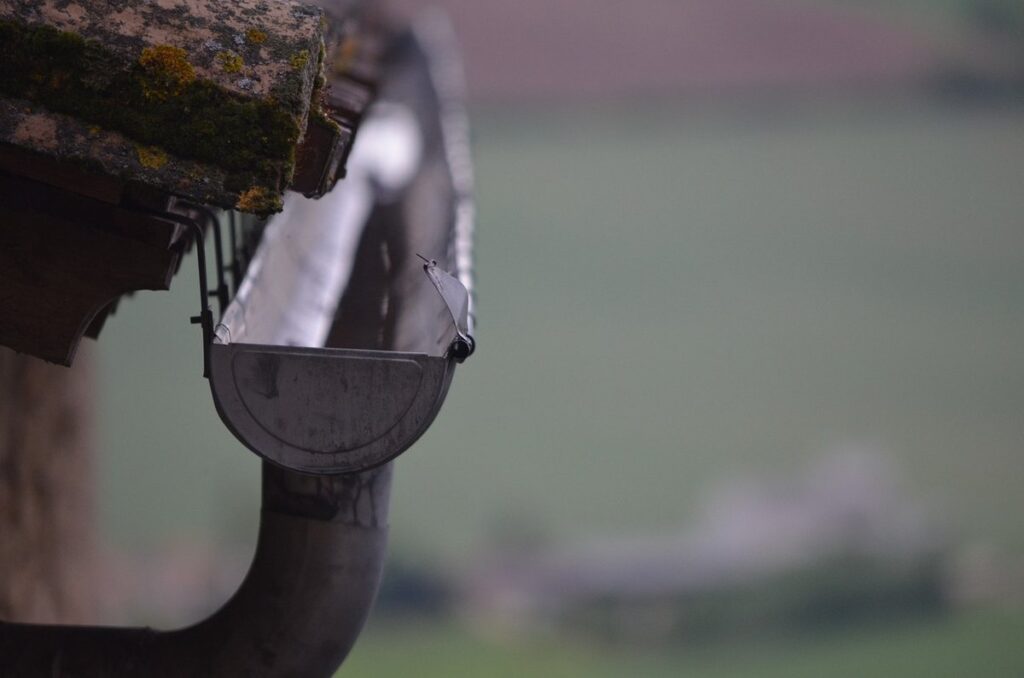
When it comes to managing rainwater runoff on your property, coop guttering is an essential consideration. But what exactly is coop guttering? Simply put, it’s a type of gutter system designed specifically for smaller homes, sheds, or outbuildings – often referred to as “coops.” Its primary purpose is to collect and redirect rainwater away from the structure, preventing damage from water accumulation.
There are two main types of coop guttering systems: seamless and sectional. Seamless gutters are made from a single piece of metal, usually aluminum or vinyl, with no seams or joints. This design reduces the risk of leaks and makes maintenance easier. Sectional gutters, on the other hand, are assembled from pre-made sections that are connected together to form the gutter system.
When choosing between these options, consider factors such as your coop’s size, roof type, and local climate conditions. For example, if you live in an area with heavy rainfall or harsh weather conditions, a seamless gutter system might be the better choice for its durability and reliability.
How Does Coop Guttering Work?
When water falls from the roof of your home, it flows into the gutters and then through the downspouts to be safely directed away from the foundation. The process begins at the eaves, where rainwater collects in the gutters. As more rain falls, the water level rises, and gravity takes over, causing the water to flow downhill through the downspouts.
But how does coop guttering ensure that this water flows smoothly? The key lies in the design of the gutters and downspouts themselves. They are typically sloped at a slight angle to allow for a continuous flow of water. This slope is crucial in preventing debris from accumulating in the gutters, which can clog them up over time.
In addition to providing adequate slope, coop guttering also features a unique design that allows water to flow freely while keeping leaves and other debris out. When properly installed, a coop gutter system can handle heavy rainfall with ease, directing water safely away from your home’s foundation. By understanding how coop guttering works, you can appreciate the importance of regular maintenance and inspections to ensure optimal performance.
Common Issues with Coop Guttering Systems
Clogging is one of the most common issues with coop guttering systems. Debris such as leaves and twigs can accumulate in the gutters, causing water to overflow and potentially damaging your home’s foundation. To prevent clogging, make sure to clean your gutters regularly, ideally at least twice a year.
Another issue that can arise from coop guttering systems is sagging. When gutters become heavy with debris or water, they can pull away from the house, creating unevenness in the roofline. This can lead to further damage and potentially compromise the structural integrity of your home. To prevent sagging, ensure that your gutters are properly secured to the fascia board.
Improper installation is another common problem with coop guttering systems. If not installed correctly, gutters can become loose over time, allowing water to seep into walls and foundations. When installing coop gutters, make sure to follow manufacturer instructions and consider consulting a professional if you’re unsure about any aspect of the process.
Benefits of Proper Runoff Management
By properly managing runoff, you can protect your home and garden from damage, while also maintaining a safe and attractive outdoor space. Let’s explore the benefits in detail.
Reduced Risk of Water Damage
Proper runoff management is essential to prevent water damage to your home’s foundation, walls, and landscaping. When excess water flows over your property without a controlled path, it can lead to costly repairs and structural issues. Water can seep into the foundation, causing cracks and erosion, or overflow onto walls, promoting mold growth and decay.
To mitigate this risk, ensure that your coop guttering system is functioning correctly. Clogged gutters can cause water to accumulate and spill over, creating an ideal environment for water damage. Regularly inspect and clean your gutters, especially after heavy rainfall or leaf shedding seasons.
Additionally, direct downspouts away from your home’s foundation using extensions or splash blocks. This simple step will help redirect excess water flow, preventing it from accumulating near your home’s base. By taking these precautions, you can significantly reduce the risk of water damage and maintain a safe, stable living environment for years to come.
Improved Curb Appeal and Property Value
When you take pride in your home’s exterior, it shows. One way to instantly elevate its curb appeal is through a well-designed and maintained gutter system. A seamless coop guttering installation can make all the difference in creating a visually appealing facade. Imagine a clean and tidy house with gutters that blend perfectly into the roofline – it’s an instant mood-booster.
Not only does proper runoff management improve your home’s appearance, but it also boosts its property value. According to the National Association of Realtors, homes with well-maintained exterior features can increase their sale price by up to 10%. When potential buyers drive down your street and notice a beautiful, well-groomed house, they’re more likely to be impressed by the overall quality of the property.
To achieve this curb appeal, consider these simple tips: inspect your gutters regularly to prevent clogs and damage; ensure seamless installations for a clean finish; choose gutter materials that complement your home’s color scheme. With a little effort and attention to detail, you can create an exterior space that not only impresses neighbors but also boosts your property value.
Environmental Benefits of Proper Runoff Management
Effective runoff management is crucial not only for maintaining a safe and stable home but also for protecting the environment. When done correctly, it can significantly reduce stormwater pollution and safeguard local waterways. One of the primary concerns with poor runoff management is that it leads to excessive stormwater runoff entering nearby water sources. This influx of pollutants can harm aquatic life, contaminate drinking water, and even compromise public health.
To put this into perspective, consider a study by the Environmental Protection Agency (EPA) which revealed that urban runoff is responsible for up to 20% of total pollution in U.S. watersheds. Properly managing runoff through coop guttering solutions can significantly mitigate these risks. For instance, installing a well-designed rainwater management system helps prevent pollutants from entering storm drains and directly into waterways.
When selecting a coop guttering solution, look for products that incorporate sustainable design principles, such as permeable materials or smart drainage systems.
Choosing the Right Coop Guttering System for Your Home
When it comes to selecting a coop guttering system, there are several factors to consider to ensure you choose one that meets your home’s specific needs and budget.
This section will walk you through the key considerations to help make an informed decision.
Factors to Consider When Selecting a System
When selecting a coop guttering system for your home, there are several key factors to consider. Material is one of the most important considerations, as it will determine the durability and maintenance requirements of your system. Aluminum gutters are a popular choice due to their affordability and ease of installation, but they may rust over time if not properly maintained. Vinyl gutters, on the other hand, are more expensive upfront but offer greater durability and resistance to weathering.
In addition to material, size is also crucial when selecting a coop guttering system. Ensure that your gutters are large enough to handle the amount of rainfall your area receives. A general rule of thumb is to choose gutters with a capacity of at least 2-3 inches per hour of rainfall. Color is another consideration, as you’ll want your gutters to blend seamlessly with your home’s exterior design.
Ultimately, it’s essential to strike a balance between functionality and aesthetics when selecting a coop guttering system for your home. Consider factors such as material, size, and color to ensure that your system not only effectively directs water away from your home but also complements its architectural style.
Popular Types of Coop Guttering Systems
When it comes to choosing the right coop guttering system for your home, understanding the different types available is crucial. There are several popular options on the market, each with its own unique benefits and drawbacks.
Seamless coop guttering systems, for example, offer a streamlined appearance as they don’t have visible seams or joints where water can accumulate. This type of system is ideal for larger homes or those with complex roofing structures, as it provides an uninterrupted flow of water away from the house. Seamless gutters are usually made from durable materials like aluminum, steel, or copper and can be custom-fitted to your home’s specific needs.
Another popular option is sectional coop guttering systems, which comprise individual sections that are connected together using clips or screws. These systems offer a cost-effective solution for smaller homes or those on a budget, as they are generally less expensive than seamless gutters. However, they can be more prone to leaks and require more frequent maintenance.
Hidden-hung systems, also known as reverse-curve gutters, feature a unique design that allows water to flow back into the gutter from the roof’s edge. This type of system is ideal for homes with steeply pitched roofs or those in areas with high rainfall, as it reduces the risk of overflow and associated damage. Hidden-hung gutters are often made from durable materials like aluminum or steel and can be installed using a variety of attachment methods.
Ultimately, the best coop guttering system for your home will depend on factors such as budget, roof type, and climate. It’s essential to weigh the pros and cons of each option carefully before making a decision.
Important Installation Considerations
When it comes to coop guttering installation, proper installation is crucial to ensure the system functions as intended and lasts for years to come. One of the most critical factors is ensuring the correct pitch, which refers to the angle at which the gutters slope towards the downspouts. A minimum pitch of 1:20 is recommended, but it’s essential to consult your local building codes and manufacturer’s specifications before installation.
Secure fastening is also vital to prevent damage from heavy loads or extreme weather conditions. Use screws that are specifically designed for guttering systems and ensure they’re tightened firmly in place. It’s not just about securing the gutters themselves; you should also secure any supporting brackets or hangers to the fascia board. Inadequate fastening can lead to sagging, warping, or even collapse of the entire system.
Finally, adequate clearance from foundation walls is essential to prevent water accumulation and potential damage to your home’s foundation. A minimum of 3-4 inches of clearance is recommended, but it’s better to err on the side of caution and provide more space if possible. This will also help reduce the risk of ice dams forming during winter months.
Maintenance and Repair of Coop Guttering Systems
Regular cleaning and maintenance is essential for ensuring your coop guttering system runs smoothly, so let’s dive into what you need to know about upkeep.
Regular Cleaning and Inspection
Regular cleaning and inspection are essential to ensure your coop guttering system functions correctly. If you neglect this crucial aspect of maintenance, it can lead to water damage, structural issues, and even safety hazards for humans and animals alike. Consider the following: a clogged gutter can cause water to overflow and accumulate around your home’s foundation, potentially leading to costly repairs.
To keep your coop guttering system in top condition, make it a habit to clean and inspect it at least twice a year – during spring and fall. Begin by removing any visible debris such as leaves, twigs, or granules using gloves and a scoop or trowel. Next, check for clogs and damage to the gutters, downspouts, and hangers. Use a hose with a spray nozzle to flush out any remaining blockages.
Don’t forget to inspect your coop’s surrounding area as well, looking for signs of water accumulation, erosion, or other potential problems. Consider installing gutter guards to prevent debris from entering the system in the first place. By incorporating regular cleaning and inspection into your maintenance routine, you’ll be able to catch any issues before they become major problems, extending the lifespan of your coop guttering system and protecting your home’s integrity.
Identifying Common Issues and Making Repairs
Identifying common issues with coop guttering systems is crucial to maintaining their effectiveness and preventing water damage to your home. Over time, these systems can develop clogs due to debris accumulation, such as leaves, twigs, and granules from roofing materials. Check for sagging gutters by observing if the system’s slope has been compromised or if sections are hanging lower than others.
To inspect for clogs, look for signs of water overflow or pooling around the coop’s perimeter. Use a gutter scoop to clear out debris; this will also help identify areas that require more extensive cleaning. When encountering sagging gutters, assess whether it’s due to poor installation, worn-out hangers, or inadequate support from underlying structures.
If you’re unsure about making repairs yourself, consider consulting a professional for assistance. For small-scale fixes like tightening loose hanger brackets or replacing worn-out screws, a DIY approach is often feasible. Always follow manufacturer guidelines and safety precautions when handling tools.
Tips for Extending the Lifespan of Your Coop Guttering System
To extend the lifespan of your coop guttering system, it’s essential to choose rust-resistant materials from the outset. Galvanized steel or aluminum gutters are excellent options as they resist corrosion and can withstand harsh weather conditions. Additionally, consider using high-quality hangers and fasteners that won’t compromise the structural integrity of the system.
Regular maintenance is also crucial in extending the lifespan of your coop guttering system. Clear debris accumulation regularly to prevent clogging and ensure smooth water flow. Use a soft-bristled brush or a specialized gutter cleaning tool to remove leaves, twigs, and other obstructions without damaging the gutters.
It’s also important to inspect your coop guttering system annually for signs of wear and tear. Check for sagging sections, rust spots, and damaged hangers. Addressing these issues promptly can help prevent costly repairs down the line. By taking proactive steps in maintaining and protecting your coop guttering system, you can enjoy a long-lasting and reliable solution for managing runoff around your home.
Advanced Solutions for Unique Runoff Challenges
For those dealing with complex runoff issues, we’ll dive into specific solutions that can tackle unique challenges and provide effective long-term results. These tailored approaches will help resolve specific problems.
French Drains and Other Drainage Solutions
When dealing with unique runoff challenges, installing advanced drainage solutions can be a game-changer. For instance, French drains are an excellent option for homes with water accumulation issues around the foundation. These perforated pipes collect and redirect excess water away from the home’s base, preventing potential damage.
In addition to French drains, other drainage systems like catch basins and sump pumps can also be effective in managing runoff. Catch basins, which sit at the lowest point of a slope, collect debris and allow clear water to flow freely into pipes. Sump pumps, meanwhile, use electricity to automatically remove excess water from areas with poor drainage.
Before deciding on an advanced drainage solution, consider factors like soil type, yard slope, and nearby underground utilities. Consult with professionals if you’re unsure about the best approach for your home’s specific needs. By investing in a well-designed drainage system, you can protect your property and enjoy peace of mind during heavy rainfall events.
Landscape Design Considerations for Effective Runoff Management
When designing your landscape to manage runoff effectively, it’s essential to consider two key principles: grading and planting selection. Proper grading ensures that water flows away from your home and doesn’t collect in low-lying areas. This involves creating a slight slope on your yard to direct water towards the coop gutter system.
For example, if you have a large tree in your yard, make sure its root zone is not compacted, as this can prevent water from infiltrating into the soil. Compact the soil around the roots using a lawn aerator or shovel to allow for better water absorption.
When selecting plants, choose species that are native to your region and have deep root systems, such as trees or shrubs with taproots. These plants will help to absorb excess water in the soil and prevent erosion.
Avoid planting areas prone to flooding with plants that require well-draining soil, such as succulents. Instead, opt for plants like cattails or rushes that can thrive in wet conditions and help filter out pollutants from the water.
Integrating Coop Guttering Systems with Other Home Features
When designing a comprehensive water management plan for your home, it’s essential to consider integrating coop guttering systems with other key features. One effective way to do this is by incorporating rain barrels and greywater systems into the design.
Rain barrels can be connected directly to your coop guttering system, allowing excess rainwater to be collected and stored for later use in irrigation or as a washdown solution. This not only reduces stormwater runoff but also provides an alternative source of water for plants and gardens. When selecting a rain barrel, look for ones with overflow valves that direct excess water back into the coop guttering system, ensuring a seamless connection.
Greywater systems can also be integrated with coop guttering to further enhance your home’s water efficiency. These systems collect and treat wastewater from sinks, showers, and washing machines, making it suitable for irrigation or flushing toilets. By combining greywater treatment with rain barrel storage, you can create a closed-loop system that minimizes stormwater runoff while maximizing the reuse of captured water resources.
By integrating these features into your coop guttering design, you’ll not only reduce your home’s environmental impact but also enjoy cost savings on water and energy bills. With careful planning and installation, you can create a truly efficient and sustainable water management system for your property.
Frequently Asked Questions
What are some key factors to consider when choosing a coop guttering system for my backyard chicken coop?
When selecting a coop guttering system, consider the size of your coop, the pitch of your roof, and the type of materials used. Also, think about the local climate and potential heavy rainfall in your area. This will help you determine the right amount of water flow and capacity needed to manage runoff effectively.
Can I install a coop guttering system on my own, or do I need professional help?
While it’s possible to install a coop guttering system yourself, it’s recommended to seek professional help, especially if you’re not familiar with DIY projects. Improper installation can lead to leaks and other issues that might compromise your coop’s integrity.
How often should I clean my coop guttering system to ensure it functions properly?
Regular cleaning is essential for maintaining a well-functioning coop guttering system. Check your gutters at least twice a year, after heavy rainfall or when you notice signs of blockages. Remove leaves and debris by hand or with a gentle power washer.
Can I integrate my coop guttering system with other home features, such as downspouts or French drains?
Yes, integrating your coop guttering system with other drainage solutions is not only possible but also beneficial for effective runoff management. Consider installing French drains near the coop to direct water away from the structure and surrounding areas.
What are some signs that my coop guttering system needs repair or replacement?
Be on the lookout for signs like sagging gutters, leaks around downspouts, or water accumulation around your coop’s foundation. If you notice any of these issues, inspect your gutters carefully and consider consulting a professional to identify potential problems before they escalate into costly repairs.