
As a backyard chicken keeper, you understand the importance of protecting your feathered friends from predators. A secure coop is crucial to ensure the health and safety of your birds. One often overlooked aspect of coop security is the type of latch used on the doors. With so many options available, it can be overwhelming to choose the right one for your coop. That’s why we’ve created this ultimate guide to coop security latches. In this article, we’ll cover the different types of latches, including their pros and cons, as well as provide tips on how to install and maintain them effectively. We’ll also discuss some essential maintenance practices to keep your coop secure and your birds healthy. By the end of this guide, you’ll be equipped with the knowledge to choose the perfect latch for your backyard flock.
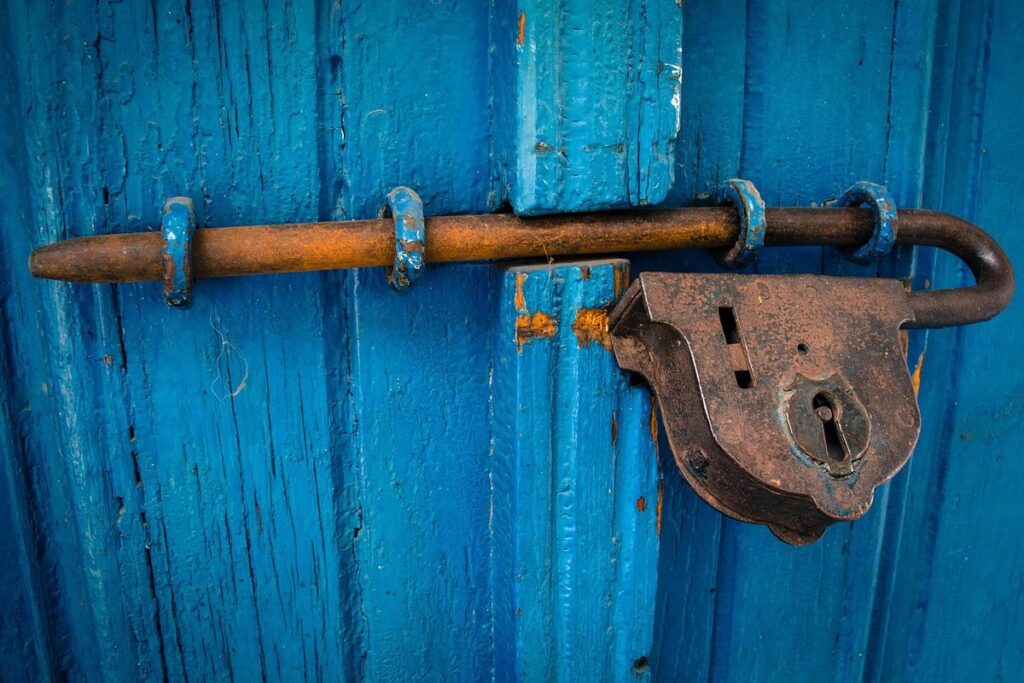
Understanding Coop Security Latches
Coop security latches are often misunderstood, but they’re actually a crucial component of your backyard birds’ safety. In this section, we’ll break down how these latches work and why they matter.
What Are Coop Security Latches?
Coop security latches are a crucial component of backyard bird safety, serving as an essential barrier between predators and your feathered friends. At their core, these latches are designed to lock your chicken coop door securely, preventing unwanted visitors from gaining access. Their primary purpose is to safeguard the health and well-being of your birds by minimizing the risk of predation, disease transmission, and escape attempts.
By using a coop security latch, you’re providing an additional layer of protection against common threats like foxes, raccoons, and hawks. These latches come in various types, including spring-loaded, cam-style, and magnetic options, each with its unique features and benefits. When choosing the right latch for your coop, consider factors such as durability, ease of use, and compatibility with your existing door hardware.
Proper installation is key to maximizing the effectiveness of a coop security latch. Ensure that the latch is securely attached to both the door and surrounding frame, and test it regularly to guarantee smooth operation. With the right latch in place, you can rest assured that your backyard birds are safer and more secure, allowing you to focus on providing them with a happy and healthy environment.
Types of Coop Security Latches
There are various types of coop security latches available on the market to suit different needs and preferences. Manual latches are a popular choice among backyard bird enthusiasts as they provide an extra layer of security without relying on electricity. These latches require physical effort to open, making them suitable for coops with limited accessibility or where power outages may occur.
Automatic latches, on the other hand, offer convenience by automatically locking and unlocking based on certain conditions, such as light exposure or temperature changes. This feature is ideal for coops with large door openings or those located in areas prone to extreme weather conditions. Electronic latches are another option that uses sensors to detect potential intruders and alert owners remotely via mobile apps.
When selecting a coop security latch, consider factors such as the type of birds you keep, the size and design of your coop, and any specific security concerns you may have. By choosing the right type of latch for your needs, you can ensure that your backyard birds remain safe from predators and potential threats.
Choosing the Right Coop Security Latch for Your Needs
When it comes to protecting your feathered friends, selecting the right coop security latch is crucial. This section will walk you through key factors to consider when choosing a secure and reliable latch.
Factors to Consider When Selecting a Coop Security Latch
When selecting a coop security latch for your backyard birds’ safety, there are several key factors to consider. Firstly, think about the ease of use – will you be able to quickly and easily open the door when collecting eggs or letting out the birds? A latch that is too complex can lead to frustration and potentially put your birds at risk.
Another crucial factor is durability. Will the latch withstand harsh weather conditions, heavy bird traffic, and regular cleaning? Look for materials such as stainless steel or high-quality plastic that are resistant to rust and corrosion. Additionally, consider the price range – while it may be tempting to opt for a cheap option, remember that a low-cost latch may compromise on quality and security.
When evaluating latches, also think about the level of security they provide. Do they have any features such as anti-predator devices or locking mechanisms? Consider your specific needs and concerns as a backyard bird owner – do you live in an area with high predator activity, for example? By carefully considering these factors, you can choose a coop security latch that provides optimal protection for your feathered friends.
Popular Brands and Models
When it comes to choosing the right coop security latch for your backyard birds, you’re not limited to just one option. Several popular brands and models are available on the market, each with their own unique features, pros, and cons.
For example, the Houdini Chicken Latch by Omlet is a highly-rated choice among backyard chicken keepers. This latch is designed to be easy to open from both sides, making it simple for you to let your birds in or out while keeping predators at bay. Its compact design also makes it perfect for smaller coops.
Another popular option is the Chicken Guard Latch by Little Giraffe. This latch features a secure locking mechanism that prevents raccoons and other unwanted visitors from accessing your coop. It’s also adjustable, allowing you to customize the fit to your specific coop door.
It’s essential to consider factors like durability, ease of use, and security when choosing the right coop security latch for your needs. By doing so, you’ll be able to keep your backyard birds safe while also ensuring that you can easily access them as needed.
Installation and Maintenance of Coop Security Latches
To ensure your coop security latches function properly, you’ll want to follow these steps for installation, which we’ll outline in detail next. Proper maintenance will also keep them working smoothly over time.
Pre-Installation Checklist
Before installing a coop security latch, it’s essential to go through a thorough pre-installation checklist. This will ensure that you’re setting up a secure and safe environment for your backyard birds.
First, prepare the coop by clearing any debris or obstructions from the area where the latch will be installed. Make sure the surface is clean and dry, and free from any sharp edges or points that could damage the latch or harm the birds. Next, measure the coop door and the surrounding area to ensure the latch will fit properly. Take note of the type of material used for the door and consider whether it may require additional support or reinforcement.
When selecting a latch, choose one that is specifically designed for your type of coop door and meets local building codes and regulations. Ensure the latch is compatible with any existing locks or security devices on the coop. Test the latch by opening and closing the coop door multiple times to ensure smooth operation and adequate security.
Regular Maintenance for Optimal Performance
Regular maintenance is crucial for keeping your coop security latches functioning optimally. A clean and well-lubricated latch will ensure a smooth operation, while regular checks can prevent damage and wear from going unnoticed. Start by cleaning the latch with mild soap and water to remove any debris or grime that may be accumulating.
Next, apply a few drops of silicone-based lubricant to moving parts such as hinges and springs. This will keep them running smoothly and quietly. It’s also essential to check for signs of damage or wear, including rust, corrosion, or broken components. Make it a habit to inspect the latch every week or two, looking for any issues that may need attention.
Consider replacing worn-out parts or applying a protective coating to vulnerable areas. By staying on top of maintenance, you’ll ensure your coop security latches continue to provide reliable protection for your backyard birds. Regular upkeep will also save you from costly repairs down the line and prevent potential lockouts caused by malfunctioning hardware.
Benefits of Using Coop Security Latches
When it comes to safeguarding your feathered friends, choosing the right coop security latch can make all the difference. Let’s explore the benefits of using these essential safety devices.
Reduced Predator Activity
Using coop security latches is an effective way to reduce predator activity around your backyard birds. Foxes, coyotes, and hawks are notorious predators that can easily breach a typical coop door, putting your flock at risk. Coop security latches prevent these predators from accessing the coop in the first place.
A secure latch makes it virtually impossible for predators to get inside the coop. For example, foxes are skilled climbers and can jump high enough to reach an open coop door. However, if the door is locked with a secure latch, they won’t be able to access the birds. Coyotes, on the other hand, often target coops by digging under them or trying to break through weak doors.
By investing in a reliable coop security latch, you can significantly reduce the risk of predator attacks. To further enhance the security of your coop, consider adding other protective measures such as hardware cloth around the run and regular cleaning of the coop to remove any food sources that might attract predators.
Improved Bird Health and Safety
When it comes to backyard bird-keeping, their health and safety are of utmost importance. Coop security latches play a significant role in ensuring just that. By preventing predators from gaining access to the coop, these latches significantly reduce stress levels among birds.
Stress is a major contributor to various health issues in birds, including respiratory problems, feather plucking, and reduced egg production. When birds feel secure in their coop, they’re more likely to engage in natural behaviors like foraging and socializing, which are essential for their overall well-being.
In addition to reducing stress, coop security latches can also improve living conditions within the coop. For example, by preventing raccoons or opossums from entering, you can keep your birds safe from diseases like histoplasmosis, which is often spread through contaminated droppings.
To maximize the benefits of coop security latches on bird health and safety, consider installing a latch that’s specifically designed to resist tampering. Regularly inspecting your latch for signs of wear or damage is also crucial. By taking these simple steps, you can create a safe and stress-free environment for your feathered friends.
Common Issues with Coop Security Latches
As you consider installing a coop security latch, it’s essential to be aware of some common issues that can arise from improper installation or selection. We’ll cover these potential pitfalls up close.
Troubleshooting Tips
If you’re experiencing issues with your coop security latches, don’t panic! Troubleshooting is often the first step to resolving problems and getting back to what matters most – keeping your backyard birds safe and secure. Let’s start by addressing some common issues that may arise.
One of the most frustrating problems is jamming. This usually occurs when the latch gets stuck due to dirt, grime, or old lubricant buildup. To fix this, simply remove any debris and apply a new layer of lubricant. If the issue persists, try cleaning the latch with soap and water, then drying it thoroughly before reapplying lubricant.
Another common issue is rusting, often caused by exposure to moisture and humidity. To prevent rust, ensure your coop is well-ventilated and dry. Regularly inspect your latches for signs of rust and apply a rust-inhibiting coating as needed. If the latch has already rusted, don’t worry – simply replace it with a new one or use a wire brush to remove the rust.
Malfunctioning latches can also be caused by worn-out parts or improper installation. Check that all components are securely attached and functioning correctly. If you’re still experiencing issues, consult the manufacturer’s instructions or contact their customer support for assistance.
Preventative Measures
Regular cleaning and lubrication are crucial preventative measures to take with coop security latches. Dirt and debris can accumulate over time, causing the latch to malfunction or become stuck. Imagine having to deal with a panicked flock on your hands because you neglected to clean their coop entrance for a few weeks.
To prevent this from happening, make it a habit to inspect and clean the coop security latch regularly. Use a soft brush or cloth to wipe away any visible dirt or debris. Don’t forget to clean the tracks where the latch slides, as these areas can be prone to rust and corrosion.
In addition to cleaning, lubricate the latch’s moving parts with a silicone-based spray or oil. This will keep the mechanism running smoothly and prevent it from getting jammed. Apply a small amount of lubricant to the hinges and other moving parts, and wipe off any excess with a clean cloth. By taking these simple steps, you can ensure your coop security latches remain in good working condition and continue to protect your feathered friends.
Conclusion: Protecting Your Backyard Birds with Coop Security Latches
Now that you’ve learned how to choose and install coop security latches, let’s discuss how these features can be combined for maximum protection.
Recap of Key Points
In conclusion, protecting your backyard birds from predators requires more than just a secure coop. As we’ve discussed throughout this article, coop security latches play a crucial role in safeguarding your feathered friends.
To recap, we’ve highlighted the importance of choosing the right type of latch for your coop, including slide bolts and hook-and-eye latches. We’ve also emphasized the need to consider factors such as durability, ease of use, and predator resistance when selecting a latch. Additionally, we discussed how to install latches effectively, including tips on placement and securing them firmly in place.
It’s essential to remember that coop security latches are not a one-time solution; they require regular maintenance and inspection to ensure they remain functional and effective. By following the guidelines outlined in this article, you can rest assured that your backyard birds are protected from potential threats. Remember to always prioritize their safety and take proactive measures to prevent unwanted visitors.
Final Tips and Recommendations
To ensure optimal performance and longevity of your coop security latches, consider the following final tips:
Regular maintenance is crucial to keep your latches functioning smoothly. Check them regularly for signs of wear and tear, and lubricate the hinges as needed to prevent rust and corrosion. You can also replace worn-out parts with new ones or upgrade to more durable materials.
When choosing a coop security latch, don’t just focus on the initial cost. Consider the long-term benefits, such as reduced energy bills from efficient insulation, and increased bird safety features like predator-proofing and escape-proofing.
It’s also essential to educate yourself and your family members about the proper use of the latches and any necessary troubleshooting steps. This can be achieved by reading manuals, attending workshops, or joining online forums where you can share experiences with other backyard bird owners.
Additionally, remember that coop security latches are just one aspect of a secure and safe environment for your birds. Ensure that you have other measures in place to protect them from external threats, such as fencing around the coop area and proper rodent control.
Frequently Asked Questions
Can I use a coop security latch on any type of chicken coop door?
No, coop security latches are designed for specific types of doors, so it’s essential to choose one that fits your door style and size. Before selecting a latch, measure your door carefully to ensure the correct fit.
How often should I inspect my coop security latch for wear and tear?
Regular inspection is crucial to maintaining the effectiveness of your coop security latch. We recommend checking your latch every 6-12 months or after any extreme weather conditions that may have affected its performance.
What’s the difference between a keyed lock and a combination lock on a coop security latch?
Keyed locks offer added security with unique keys, while combination locks provide convenience without the need for spare keys. Consider your specific needs and preferences when deciding which type of lock is best for you.
Can I use a coop security latch on an existing chicken coop, or do I need to replace the door entirely?
In most cases, a coop security latch can be installed on an existing door with minimal modifications. However, if your current door is damaged or of poor quality, it may be more cost-effective to replace it altogether.
How do I know if my coop security latch is properly installed and functioning correctly?
Double-check that all screws are tightened securely and the latch is aligned correctly with the door frame. Test the latch by closing and opening the door multiple times to ensure smooth operation and secure locking.