
If you’re one of the growing number of backyard farmers and enthusiasts who love raising quails, then creating the perfect coop is crucial. A safe and healthy home for your quails is essential to ensure they thrive and produce eggs regularly. But building a good quail coop can be challenging, especially if you’re new to keeping these tiny birds.
In this comprehensive guide, we’ll walk you through everything you need to know about building and managing the perfect quail coop. We’ll cover topics such as choosing the right materials, designing a functional layout, and providing essential features like ventilation, lighting, and predator protection. Whether you have a small backyard or a large farm, our goal is to help you create a happy, healthy home for your feathered friends, setting them up for success in their egg-laying endeavors.
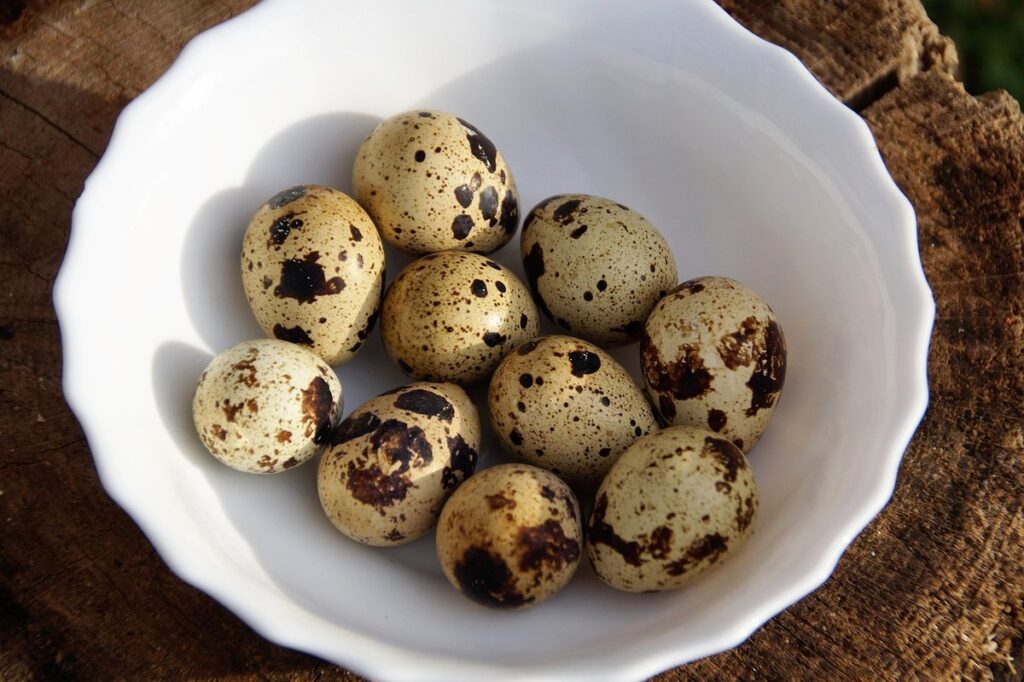
Understanding the Needs of Your Quails
To ensure you provide the best possible life for your quails, it’s essential to understand their specific needs and how they differ from those of other birds. Let’s dive into what makes them unique.
Providing Adequate Space
When it comes to setting up a quail coop, many people underestimate the importance of providing adequate space for their feathered friends. However, this is an area that requires careful consideration to ensure the quails’ physical and mental well-being.
A minimum of 2-3 square feet per bird is recommended for indoor coops, but it’s essential to provide more space if possible. This allows the quails to move around comfortably, stretch their wings, and engage in natural behaviors like foraging and dust bathing. A spacious coop also helps reduce stress and aggression among the birds.
To give you a better idea, let’s consider a simple example: Imagine two quails living in a small enclosure with barely enough space to stand up or turn around. This can lead to frustration, health problems, and even death due to lack of exercise and movement. On the other hand, providing ample space will not only make their lives more enjoyable but also help maintain their overall health.
When designing your quail coop, prioritize a spacious layout that includes perches, nesting boxes, and room for food and water dishes. By doing so, you’ll create an environment where your quails can thrive and live happily.
Choosing the Right Location
When it comes to choosing the right location for your quail coop, there are several key factors to consider. First and foremost, sunlight exposure is crucial for your quails’ health and well-being. Quails need a minimum of 6 hours of direct sunlight per day to synthesize vitamin D3, which is essential for their calcium absorption and overall bone growth.
When selecting a location, look for an area that receives partial shade during the hottest part of the day, usually between 11am and 3pm. This will help prevent your quails from overheating and reduce the risk of heat stress. Additionally, ensure good ventilation by placing the coop in a well-ventilated area to keep the air fresh and circulating.
It’s also essential to consider the proximity to predator habitats when choosing a location for your quail coop. Place it at least 10 feet away from any potential escape routes or hiding spots that predators like foxes, raccoons, or hawks might use to access your coop. Remember, a safe and secure coop is crucial to protecting your quails from harm.
When placing your coop in an existing yard, conduct a thorough scan of the area for any potential entry points or weaknesses. Consider using physical barriers or covering the coop with netting to prevent predators from climbing onto it.
Designing Your Quail Coop
When it comes to creating a home for your quails, designing a coop that’s both functional and safe is crucial. Let’s explore some essential considerations to get you started on building the perfect quail coop.
Considering Ventilation and Air Circulation
Proper ventilation is crucial for maintaining healthy air quality within your quail coop. Quails are sensitive to ammonia buildup and can be prone to respiratory issues if the air is stagnant. To ensure adequate airflow, consider installing windows or vents that allow for cross-ventilation. This means positioning them on opposite sides of the coop to create a natural breeze.
The mesh size of any ventilation openings should not exceed 1 inch in diameter to prevent escape attempts by your quails. You can also incorporate passive ventilation systems, such as ridge vents or cupolas, which allow warm air to escape while maintaining security. Regularly inspect and clean these areas to ensure unobstructed airflow.
To maintain healthy air quality, it’s essential to keep the coop dry and free from waste buildup. Remove soiled bedding and droppings daily, replacing them with fresh material as needed. A well-designed ventilation system will also help reduce ammonia levels, making it a vital component of your quail coop’s overall design.
Incorporating Nesting Boxes and Roosts
When it comes to designing a quail coop, incorporating nesting boxes and roosts is crucial for the health and well-being of your birds. Nesting boxes provide a safe and comfortable space for hens to lay their eggs, while roosts offer perches where they can rest and relax.
Nesting boxes should be designed with the size and needs of your quails in mind. A general rule of thumb is to provide one nesting box per 3-4 hens, and to place them at a height that’s easy for the birds to access but out of reach from predators. You can also add some bedding material like wood shavings or straw to make the boxes more comfortable.
Roosts, on the other hand, should be sturdy enough to support the weight of your quails and offer sufficient space for them to stretch their wings and legs. A good idea is to place roosts at different levels to accommodate birds of varying heights and ages. Adding some rope or twine between the perches can also provide entertainment and exercise for your quail friends.
Remember, nesting boxes and roosts are essential components of a well-designed quail coop. By incorporating them thoughtfully, you’ll create a happy and healthy environment for your feathered friends to thrive in.
Choosing the Best Materials for Your Quail Coop
When it comes to building a quail coop, selecting the right materials is crucial. You want to ensure your birds are safe and comfortable in their new home.
Understanding the Pros and Cons of Different Materials
When it comes to building a quail coop, choosing the right materials is crucial for ensuring the health and safety of your birds. Different materials offer varying levels of durability, maintenance requirements, and costs, making it essential to weigh the pros and cons before making a decision.
Wooden coops are a popular choice due to their natural look and feel, but they require regular maintenance to prevent rot and pests. Metal coops are durable and resistant to weather conditions, but can be expensive and noisy. Plastic coops are lightweight and easy to clean, but may not provide adequate ventilation or insulation.
Consider the climate and location where your quail coop will be situated when selecting materials. For example, if you live in an area with high humidity, a metal or plastic coop might be a better choice due to its resistance to moisture. On the other hand, wooden coops can thrive in dry climates with proper maintenance.
Considering Insulation and Climate Control
When it comes to choosing materials for your quail coop, considering insulation and climate control is crucial. Quails are sensitive to extreme temperatures, and a well-insulated coop can make all the difference between a happy, healthy flock and one that’s struggling to thrive.
In the winter, quails need protection from cold drafts and moisture that can seep into the coop through gaps or inadequate ventilation. Look for materials with good thermal insulation properties, such as straw bales, hay, or even recycled denim insulation. You can also use reflective insulation like aluminum foil to reflect heat back into the coop.
In the summer, quails need protection from heat exhaustion and dehydration. A well-ventilated coop is essential, but you should also consider using materials that will help keep the air cool. For example, you can line your coop with a breathable material like mesh or netting, which allows for airflow while keeping insects out.
When selecting insulation and climate control materials, think about the local climate and temperature fluctuations in your area. Consider factors like humidity levels and wind direction to ensure your coop remains comfortable for your quails year-round.
Health Considerations for Your Quail Flock
When it comes to raising quails, their health and well-being are top priorities. This section will cover essential health considerations to ensure your flock stays happy and healthy in its coop.
Implementing Biosecurity Measures
When it comes to maintaining the health and well-being of your quail flock, implementing effective biosecurity measures is crucial. This not only helps prevent diseases from entering the coop but also reduces the risk of parasites spreading among your birds.
Start by practicing good cleanliness habits within the coop. This includes regularly cleaning food and water dishes, removing any soiled bedding material, and disinfecting surfaces with a solution specifically designed for avian use. You can also take steps to reduce dust, which can harbor bacteria and other pathogens. For example, install a fan to circulate air or add plants that help purify the environment.
Another essential aspect of biosecurity is predator-proofing your coop. This may involve installing hardware cloth around vents and openings, securing doors with strong latches, and using chicken wire that’s difficult for predators like raccoons or hawks to tear through. You can also take steps to deter predators by removing food sources from the surrounding area.
When introducing new quail to the flock, follow quarantine procedures to minimize the risk of disease transmission. This may involve isolating new birds in a separate enclosure for a period of 30 days before integrating them with the main flock. During this time, monitor their health closely and take any necessary precautions to prevent the spread of illness.
Recognizing Signs of Stress and Illness
As a responsible quail keeper, it’s essential to recognize signs of stress and illness in your flock. Quails are prone to certain health issues that can be caused by their environment, diet, or genetics. Some common signs of stress in quails include feather pecking, excessive droppings, and changes in appetite or behavior.
When it comes to recognizing illness, look out for labored breathing, discolored droppings, or unusual postures. If you notice any of these symptoms, isolate the affected bird immediately to prevent the spread of disease. Consult a veterinarian experienced with quails as soon as possible. They will be able to provide a proper diagnosis and treatment plan.
Some health issues that are common in quail flocks include respiratory infections, mites, and internal parasites. Keeping your coop clean, providing adequate ventilation, and ensuring access to fresh water and food can help prevent many of these problems. Regularly inspecting your flock and taking prompt action when you notice any signs of distress will ensure the health and well-being of your quails.
Tips for Managing Your Quail Flock
When it comes to raising quails, managing your flock effectively is crucial for their health and happiness. Here are some practical tips to help you keep your feathered friends thriving in harmony.
Introducing New Birds to the Coop
When introducing new quails to your existing flock, it’s essential to do so safely and with minimal disruption. This process is called “quarantine” and helps prevent the introduction of diseases that can be devastating to a group of quails.
First, purchase new quails from a reputable breeder or supplier who has taken proper care in keeping their birds healthy. Isolate the new quails immediately upon arrival, providing them with their own food, water, and shelter until they are introduced to the main flock. This isolation period typically lasts for 30 days, during which time you can monitor the health of the new birds.
Before introducing the new quails to the existing group, ensure that all birds have been vaccinated and are free from any diseases. To minimize disruption, introduce new quails gradually, starting with one or two at a time, allowing the other quails to get accustomed to their presence without feeling overwhelmed. Monitor the behavior of both groups closely during this period and be prepared to make adjustments as needed.
When interacting with your quail flock, it’s essential to establish trust and maintain order to prevent stress on both new and existing birds.
Handling Molt and Molting Quails
Managing molting quails requires attention to their nutritional needs and understanding of this natural process. Quail molt every 1-2 years as they grow new feathers, a necessary step for maintaining plumage quality and overall health.
When it occurs, molting can leave quails vulnerable due to reduced energy reserves and heightened stress levels caused by feather loss. It’s essential to ensure these birds receive an adequate diet during this period. A balanced feed containing protein-rich sources such as insects or mealworms will help support muscle maintenance while the new feathers develop.
Aim for a slightly higher protein intake (around 18-20%) compared to regular feeding periods, and provide fresh water at all times. Also consider offering dark leafy greens like kale or spinach to promote calcium absorption and bone health.
In addition to nutrition, provide a stress-free environment with adequate space and hiding places within the coop to minimize molting-related anxiety.
Setting Up a Predator-Proof Quail Coop
When building your quail coop, it’s essential to consider predator-proofing to ensure the safety and well-being of your birds. This involves choosing materials and designing a layout that will protect them from potential threats.
Using Hardware Cloth or Chicken Wire
When it comes to securing your quail coop from predators, using hardware cloth or chicken wire is an essential step. These materials are inexpensive and easy to install, yet provide a strong defense against curious raccoons, foxes, and other pests that may target your feathered friends.
To start, choose the right gauge of hardware cloth for your needs – 1/4 inch or 1/2 inch mesh is usually sufficient for quail coops. Cut it to size and stretch it over the coop’s exterior, securing it with wire or zip ties to prevent sagging. For a more affordable option, chicken wire can also be used, but keep in mind that predators can easily tear through thinner gauges.
Some important tips to consider: make sure to cover all entry points, including any vents and windows. Also, consider burying the hardware cloth 12 inches underground around the coop’s perimeter to prevent burrowing animals from getting underneath. Regularly inspect your coop for any signs of damage or weakness in the mesh.
Adding Secure Entrances and Locks
When it comes to setting up a predator-proof quail coop, secure entrances and locks are crucial components that cannot be overlooked. Predators like raccoons, foxes, and hawks can easily get into an unsecured coop, posing a significant threat to your quails’ safety.
To choose the right latches for your coop, consider the type of door you have and the level of security needed. For example, if you have a swinging door, a magnetic latch or a spring-loaded latch may be suitable options. If you prefer a sliding door, look for latches that attach to the frame and are difficult to pry open.
When selecting locks for your coop, prioritize durability and reliability. Look for sturdy materials like metal or heavy-duty plastic, and avoid using locks with weak points that can be easily picked or broken. You may also consider adding additional security features such as a locking rod or a deadbolt to reinforce the door.
Regular maintenance is also essential to ensure your latches and locks remain secure over time. Check for signs of wear and tear regularly, and replace them promptly if necessary.
Frequently Asked Questions
Can I Use a Pre-Existing Chicken Coop for My Quails?
Yes, if you already have a chicken coop, it’s possible to convert it for quail use by making some adjustments. However, keep in mind that quails require more space and ventilation than chickens, so ensure your coop meets these needs. Also, be prepared to make any necessary modifications, such as adding nesting boxes specifically designed for quails.
What Happens if I Don’t Provide Enough Space for My Quails?
Quails need adequate space to roam and exercise to stay healthy. If you don’t provide enough room, they may become stressed, leading to behavioral problems like feather pecking or aggression. This can also negatively impact egg production. Consider the recommended minimum of 2-3 square feet per bird and plan accordingly.
How Do I Prevent Pests from Entering My Quail Coop?
Pest control is crucial in quail coops, as these birds are vulnerable to predators like snakes, rats, and hawks. Use hardware cloth or chicken wire with openings no larger than 1 inch to cover any gaps, and consider adding secure entrances and locks to prevent unwanted visitors.
Can I Raise Quails with Other Types of Birds?
It’s generally not recommended to raise quails with other types of birds due to differences in their needs, behaviors, and health requirements. For example, chickens can be quite dominant over quails, leading to stress and potential health issues. If you do choose to keep different species together, make sure the coop is large enough to accommodate everyone comfortably.
How Often Should I Clean My Quail Coop?
Cleaning your quail coop regularly is essential for maintaining a healthy environment. Aim to clean it at least once a week, removing soiled bedding and disinfecting all surfaces with a solution of 1 part white vinegar to 9 parts water. Also, consider setting up a separate area for cleaning to prevent contamination of the rest of your flock’s living space.