
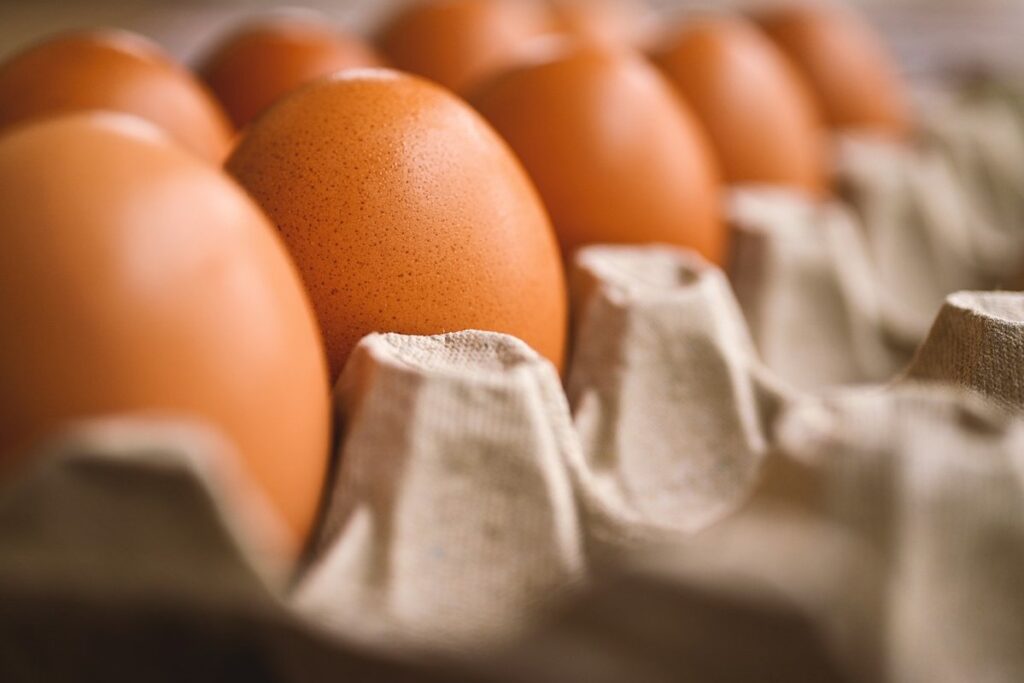
If you’re anything like me, you’ve probably fallen in love with Copper Marans chickens for their stunning appearance and unique characteristics. But have you ever stopped to think about the incredible eggs they lay? The Copper Marans egg color is truly one of a kind – a rich, dark brown-red hue that’s as beautiful as it is sought after by chicken enthusiasts. In this article, we’ll delve into the fascinating world of Copper Marans chickens and explore the history, physical characteristics, and traits that make them such a prized breed. We’ll also dive deeper into the science behind their distinctive egg color and what makes it so unique. Whether you’re a seasoned breeder or just starting your chicken journey, this article will give you everything you need to know about Copper Marans eggs.
What Are Copper Marans Chickens?
Let’s dive into what makes these stunning birds so special, starting with their fascinating origins and unique characteristics that set them apart from other chicken breeds.
Origin and History of the Breed
The Copper Marans breed originated from France and is believed to have descended from the Barnevelder and Brabançon breeds. They were known for their dark eggs with a reddish-brown tint, which made them highly prized by farmers. In the 19th century, French breeders selectively bred these birds to emphasize their egg-laying abilities and unique appearance.
One of the key characteristics that set Copper Marans apart from other breeds is their dark, chocolate-brown feathers. This distinctive plumage gives them a striking appearance and helps to protect them from predators. Their origins in France are also reflected in their name, which roughly translates to “dark red” or “red earth”.
Today, breeders around the world continue to refine the Copper Marans breed, focusing on its egg-laying prowess as well as its attractive appearance. Despite their relatively small size and laid-back nature, Copper Marans chickens have gained popularity among backyard farmers and egg enthusiasts due to their exceptional egg production.
Physical Characteristics of Copper Marans Chickens
Copper Marans chickens are not only renowned for their distinctive dark brown eggs but also possess a captivating physical appearance. One of the most striking features of this breed is their plumage, characterized by a mottled black and dark brown coloration. The feathers often have a subtle sheen to them, giving the chicken an iridescent look in certain lighting conditions.
In terms of body type, Copper Marans chickens are generally medium-sized, with roosters weighing around 4-5 pounds and hens reaching a weight of approximately 3-4 pounds. Their frame is sturdy and compact, making them well-suited for smaller backyard flocks.
The beak color of Copper Marans chickens is also worth noting, as it typically ranges from dark orange to reddish-brown. This unique beak coloration adds another layer of visual interest to the breed’s overall appearance.
Copper Marans Egg Color: The Unique Trait
Let’s dive into what makes copper marans eggs truly special, and discover the fascinating factors that influence their unique color.
Understanding Eggshell Colors
When it comes to understanding the distinct brown-red color of Copper Marans eggs, it’s essential to grasp how eggshell colors are determined. The pigmentation of an eggshell is primarily influenced by two factors: the bird’s diet and genetics.
Diet plays a significant role in determining eggshell color. For instance, hens that consume more carotenoid-rich foods like marigolds or sweet potatoes will produce eggs with deeper orange hues. Conversely, a diet lacking these nutrients may result in paler eggshells. However, the genetic makeup of the bird also contributes to its eggshell pigmentation.
In the case of Copper Marans, their unique egg coloration is largely due to the breed’s specific genetic traits. These hens produce eggs with an average weight of 35-40 grams and a distinctive brown-red color that ranges from warm golden tones to deep terracottas. This characteristic pigment is a result of the interaction between carotenoids in their diet and the genetic predisposition towards producing these specific hues.
If you’re looking to replicate this unique eggshell color, consider providing your hens with a balanced diet rich in carotenoids while also considering their genetic makeup.
Factors Affecting Eggshell Color
The intensity and uniformity of Copper Marans egg color can be influenced by various environmental and nutritional factors. A balanced diet rich in dark-colored vegetables such as leafy greens, broccoli, and bell peppers can enhance the egg’s natural pigmentation. These veggies contain anthocyanins and carotenoids, which are responsible for imparting a deep reddish-brown hue to the eggs.
On the other hand, inadequate nutrition or a lack of access to fresh produce may result in lighter-colored eggs. For instance, if you’re unable to provide your flock with fresh berries or dark leafy greens, consider supplementing their diet with commercial egg-layer feed that contains antioxidants and pigments.
Temperature fluctuations can also impact eggshell color. Research suggests that hens laying eggs at temperatures between 40°F and 60°F (4°C and 15°C) produce eggs with more intense colors. Conversely, extreme heat or cold may result in lighter-colored eggs.
Keep in mind that individual bird characteristics, such as age and genetics, can also influence eggshell color. Even within the same breed, birds may exhibit varying degrees of pigmentation due to these factors.
Benefits of Keeping Copper Marans Chickens
One of the most significant advantages of keeping Copper Marans chickens is their unique egg-laying ability, producing stunning copper-colored eggs that add a touch of luxury to your kitchen. This section highlights why owning these birds can be a rewarding experience for any chicken keeper.
Scrambled or Boiled? The Versatility of Copper Marans Eggs
Copper Marans eggs are not only breathtakingly beautiful to behold but also incredibly versatile in the kitchen. Whether you’re a seasoned chef or a novice cook, these eggs can add an extra layer of flavor and color to various dishes.
In baking, Copper Marans eggs work particularly well in recipes that require rich, moist texture. Try using them to make decadent chocolate cakes or tender cinnamon rolls – the deep, reddish-brown hue they impart will be undeniably stunning. For a simple yet show-stopping dessert, try making a batch of these egg-based lemon bars: use 4-5 Copper Marans eggs instead of regular ones for an added burst of color.
For savory dishes, boil or scramble Copper Marans eggs and serve as a side to a variety of meals, from hearty breakfasts to elegant brunches. For example, a simple combination of scrambled Copper Marans eggs, smoked salmon, and fresh herbs makes for a stunning – yet effortless – appetizer.
Raising Copper Marans Chickens for Meat Production
Copper Marans chickens are not only prized for their stunning egg color, but also for their exceptional meat quality. As a chicken keeper considering raising Copper Marans for meat production, you’ll be pleased to know that they offer a unique combination of flavor and tenderness.
When it comes to the characteristics of Copper Marans meat, one notable feature is its rich, gamey flavor profile. This is due in part to their heritage as French breeds, which have been selectively bred over centuries for their robust taste and texture. The meat itself is said to be tender and juicy, with a slightly sweet undertone.
If you’re looking to raise Copper Marans for meat production, it’s essential to note that they are a dual-purpose breed. This means they require regular feeding and care to ensure optimal growth rates. A balanced diet rich in protein and calcium will help promote healthy feathering and strong bones, while also contributing to the development of their signature dark, copper-toned flesh.
When processing your Copper Marans for meat, be sure to harvest them at around 20-22 weeks old, when they reach full maturity. This will allow you to enjoy the full benefits of their rich flavor profile and tender texture.
Tips for Breeding and Raising Healthy Copper Marans
When it comes to successfully breeding and raising healthy Copper Marans, attention to detail is crucial. Here are some expert tips to help you achieve optimal health and egg-laying potential in your flock.
Nutrition and Health Requirements for Copper Marans Chickens
When it comes to breeding and raising healthy Copper Marans chickens, understanding their nutritional needs is crucial. These birds are known for their stunning dark chocolate-brown eggs, but they require a specific diet to reach their full potential.
Copper Marans chickens need a balanced diet rich in protein, calcium, and vitamins. As layers, they require around 16-18% protein content in their feed, which can be achieved by mixing commercial layer feed with additional supplements such as oyster shells or crushed eggshells for extra calcium. A diet lacking sufficient protein can lead to poor egg production and weak bones.
In addition to a balanced feed, Copper Marans chickens also benefit from access to fresh fruits and vegetables, such as leafy greens and sweet potatoes. Limit their intake of high-sugar foods like grains, which can cause digestive issues. You may also consider adding probiotics or flaxseed oil to support gut health and promote shiny feathers.
Remember, providing your Copper Marans chickens with a well-rounded diet will not only improve their health but also enhance the quality and quantity of those beautiful dark brown eggs.
Common Health Issues in Copper Marans Chickens
As you embark on breeding and raising Copper Marans chickens, it’s essential to be aware of common health issues that may affect these lovely birds. One of the primary concerns is their susceptibility to respiratory problems due to their large body size and compact lungs. Beak trimming is crucial to prevent overgrowth, which can lead to discomfort and infections.
Another issue you should watch out for is obesity, as Copper Marans are prone to putting on weight quickly. Regular exercise and a balanced diet can help maintain a healthy weight. Additionally, keep an eye out for Marek’s disease, a viral condition that affects poultry worldwide.
To prevent these health issues, ensure your flock has access to fresh air, clean water, and a nutritious diet. Monitor their overall well-being closely, and consult with a veterinarian if you notice any unusual behavior or symptoms. By being proactive and taking preventative measures, you can minimize the risk of health problems in your Copper Marans chickens.
Some specific health issues that may arise include:
* Respiratory problems due to overgrown beaks
* Obesity and related complications
* Marek’s disease (viral condition)
By being aware of these potential health concerns, you can take steps to protect your flock and ensure they thrive under your care. Regular check-ups with a veterinarian will also help identify any underlying issues early on, allowing for prompt treatment and prevention of more severe problems.
The Economic Benefits of Raising Copper Marans
Raising copper marans not only yields stunning eggs, but it can also be a profitable venture for backyard chicken keepers and small-scale farmers alike. Let’s explore the economic benefits of this unique breed.
Market Demand for Copper Marans Eggs and Meat
Copper Marans eggs and meat are highly sought after by chefs, foodies, and consumers due to their unique appearance and rich flavor. Market demand for these products is increasing, driven by the desire for exotic and premium ingredients.
In terms of pricing trends, copper Marans eggs typically command a higher price point than other egg colors. On average, they can range from $5 to $10 per dozen, depending on factors such as location, farm size, and production methods. This premium pricing is due in part to the breed’s rarity and the time-consuming process of collecting eggs from the coop.
For those looking to capitalize on this trend, there are several strategies for selling copper Marans eggs and meat. Consider partnering with local restaurants or specialty food stores to offer them as a unique feature on menus. Online marketplaces like farmers’ markets and social media can also be effective channels for reaching customers.
To maximize profits, it’s essential to produce high-quality products that meet the standards of discerning consumers. This may involve implementing sustainable farming practices, improving breeding stock, or developing innovative packaging solutions.
Starting a Copper Marans Flock: Initial Investment and Ongoing Costs
Starting a copper marans flock can be an exciting venture, but it’s essential to consider the initial investment and ongoing costs involved. To get started, you’ll need to acquire a minimum of three copper marans hens, which can cost anywhere from $20 to $50 per bird, depending on factors like bloodline, age, and quality. You’ll also need to invest in a coop, run, and necessary equipment such as feeders, waterers, and nesting boxes.
The initial investment for a small flock of three copper marans hens can range from $200 to $600. Ongoing costs include feed, which will depend on the size of your flock and their eating habits. On average, you can expect to pay around $20 to $30 per month for feed alone. Other expenses such as veterinary care, supplies, and potential losses due to predators or disease should also be factored into your budget.
As your flock grows, so will your expenses. Be prepared to adjust your budget accordingly to ensure the well-being and health of your copper marans hens.
Unique Care and Handling Requirements
To ensure you’re collecting those stunning copper marans eggs at their best, it’s essential to understand their unique care and handling requirements. Proper techniques will make all the difference in maintaining their vibrant color.
Specialized Housing Needs for Copper Marans Chickens
Copper Marans chickens have unique housing needs that require careful consideration to ensure their health and well-being. First and foremost, these birds need a spacious coop with adequate ventilation to prevent respiratory issues. A good rule of thumb is to provide at least 3-4 square feet of floor space per bird inside the coop, and additional outdoor space for exercise and foraging.
It’s also essential to consider lighting when housing Copper Marans chickens. While they don’t require as much light as some other breeds, they still need a balanced spectrum to maintain egg production and overall health. A 12-hour daylight cycle is recommended, but be sure to provide shade and reduce artificial lighting during peak sun hours.
When designing the coop, keep in mind that Copper Marans chickens are active foragers and love to dig. You’ll want to incorporate a secure run with adequate fencing to prevent escape attempts and provide ample opportunities for exercise. Consider adding features like perches, roosts, and nesting boxes tailored to their specific needs. By prioritizing ventilation, lighting, and space, you’ll be well on your way to creating a happy and healthy environment for your Copper Marans chickens.
Tips for Hand-Raising Copper Marans Chicks
When it comes to hand-raising copper Marans chicks, it’s essential to provide them with a safe and nurturing environment. Start by setting up a brooder specifically designed for young chickens. A temperature-controlled space will help regulate their growth and development.
A good rule of thumb is to maintain a temperature range between 90°F to 95°F (32°C to 35°C) in the first week, gradually decreasing it by 5°F every week thereafter until they reach around 60°F (15°C). This controlled environment will promote healthy growth and help prevent hypothermia.
In terms of feeding, you can start with a starter feed specifically formulated for young chickens. Place their food and water dishes just out of reach to encourage them to move around and exercise. As for vaccinations, consult with a veterinarian or experienced breeder to determine the best schedule for your chicks. This will typically involve administering multiple rounds of vaccinations at specific intervals.
By providing a consistent and nurturing environment, you’ll be well on your way to raising healthy and happy copper Marans chickens.
Conclusion: Why You Should Consider Copper Marans Chickens
As you’ve learned all about the unique charm of Copper Marans eggs, it’s time to consider why these stunning birds should be a part of your flock. Let’s discuss what makes them so special.
Recap of the Unique Characteristics of Copper Marans Egg Color
In our comprehensive exploration of Copper Marans egg color, we’ve highlighted its unique charm and characteristics that set it apart from other breeds. Let’s recap the distinct features that make Copper Marans eggs so special:
Copper Marans eggs have a rich, dark brown to terracotta color, often described as having a warm, earthy tone. This distinctive hue is due in part to the breed’s genetic makeup, which influences the production of pigment. The color intensity can vary, but one thing remains constant: Copper Marans eggs are some of the most striking and beautiful you’ll ever lay.
One key characteristic of Copper Marans egg color is its ability to range from a deep, dark brown (often referred to as “chocolate” or “mocha”) to a lighter, more terracotta tone. This variability adds to the breed’s allure, making each egg unique and visually stunning.
In addition to their striking appearance, Copper Marans eggs are also prized for their rich, buttery flavor and firm texture. Whether you’re an avid baker, a passionate cook, or simply someone who appreciates a well-laid egg, Copper Marans chickens have a lot to offer.
Final Thoughts on Keeping Copper Marans Chickens as Pets or for Production
As you’ve learned about the unique charm of Copper Marans egg color, it’s time to consider keeping these beautiful birds as pets or for production. Whether you’re an experienced poultry keeper or just starting out, Copper Marans make a great addition to any flock.
If you decide to keep them for eggs, be prepared for a treat. Not only will their dark chocolate-brown eggs add a pop of color to your egg carton, but they’ll also provide you with some of the most unique and richly flavored eggs you’ve ever tasted. Copper Marans are known for their high fertility rate, so you can expect plenty of eggs from each hen.
For those interested in raising them for production, consider the following: Copper Marans have a moderate temperament, making them suitable for smaller farms or backyard flocks. They require regular exercise and social interaction to thrive. Be prepared to provide them with adequate space, nutrition, and care to ensure they reach their full potential.
Ultimately, whether you choose Copper Marans as pets or for production, their stunning egg color is just the beginning of what these birds have to offer. With proper care and attention, they’ll bring joy and productivity to your flock.
Frequently Asked Questions
Can I hatch Copper Marans eggs or purchase chicks from reputable breeders?
Yes, you can hatch Copper Marans eggs or purchase chicks from reputable breeders. Many online platforms and chicken enthusiast communities offer these services. Make sure to research the breeder’s reputation and ensure they follow proper hatching and chick-rearing practices.
How do I maintain the unique egg color in my Copper Marans flock?
To preserve the distinctive copper-red hue, provide your Copper Marans with a balanced diet rich in antioxidants, vitamins A and E, and omega-3 fatty acids. Ensure their living environment is free from stressors like extreme temperatures, overcrowding, and poor ventilation.
Can I crossbreed Copper Marans with other breeds to enhance egg color or production?
While it’s technically possible to crossbreed Copper Marans with other breeds, the results may not be desirable for several reasons. The unique characteristics of Copper Marans, including their egg color, are influenced by complex genetics. Crossbreeding can dilute these traits and compromise the overall quality of your flock.
How often should I collect eggs from my Copper Marans to ensure optimal fertility?
For optimal fertility, collect eggs daily or at least every other day, especially during peak laying seasons. This will help prevent breakage, maintain egg cleanliness, and encourage hens to continue laying fertile eggs.
Can Copper Marans be used in backyard flocks for meat production?
Yes, Copper Marans can be raised for meat production, but it’s essential to consider their slow growth rate and potential for broodiness. This breed may require specialized care and housing to optimize their meat-producing potential.