
Are you thinking of raising backyard chickens but want to know more about one of the most popular breeds: Cornish chicken hens? These charming birds have become increasingly popular among urban and rural gardeners alike, thanks to their friendly personalities and rich flavors. But what makes them so special? And how can you successfully raise and care for these lovely creatures? In this article, we’ll delve into the benefits of raising Cornish chicken hens, share expert tips on their care and management, and provide mouth-watering recipes that showcase their unique taste profiles. Whether you’re a seasoned chicken keeper or just starting out, learn how to make the most of your cornish chickens with our comprehensive guide.
History and Origins of Cornish Chicken Hens
Let’s dive into the fascinating history behind these beloved birds, tracing their roots back to ancient England where they were prized for their flavor and tenderness. You’ll love learning about their origins!
Breed History: Understanding the Heritage of Cornish Chickens
Cornish chickens have a rich history that spans centuries, originating from the region of Cornwall in England. The breed’s ancestors were brought to the area by the Romans, who introduced small game birds to the British Isles. Over time, these birds interbred with native fowl, resulting in a unique and robust chicken.
In the 19th century, Cornish chickens gained popularity as a dual-purpose breed, providing both meat and eggs for local farmers. They were known for their exceptional hardiness, vigor, and strong mothering instincts, making them an ideal choice for backyard farms. When these birds were first introduced to America, they quickly gained a reputation for being fast-growing and tender.
Interestingly, Cornish chickens played a significant role in the development of commercial chicken production in the United States. In fact, many modern broiler breeds can trace their ancestry back to the original Cornish stock. Despite their humble beginnings, Cornish chickens have evolved into a beloved breed, prized for their rich flavor and versatility in cooking.
Characteristics that Set Cornish Chickens Apart
One of the most distinctive features of Cornish chicken hens is their compact size. On average, they weigh around 5-6 pounds and measure about 14-16 inches in length. This makes them an ideal choice for backyard flocks or small farms where space is limited.
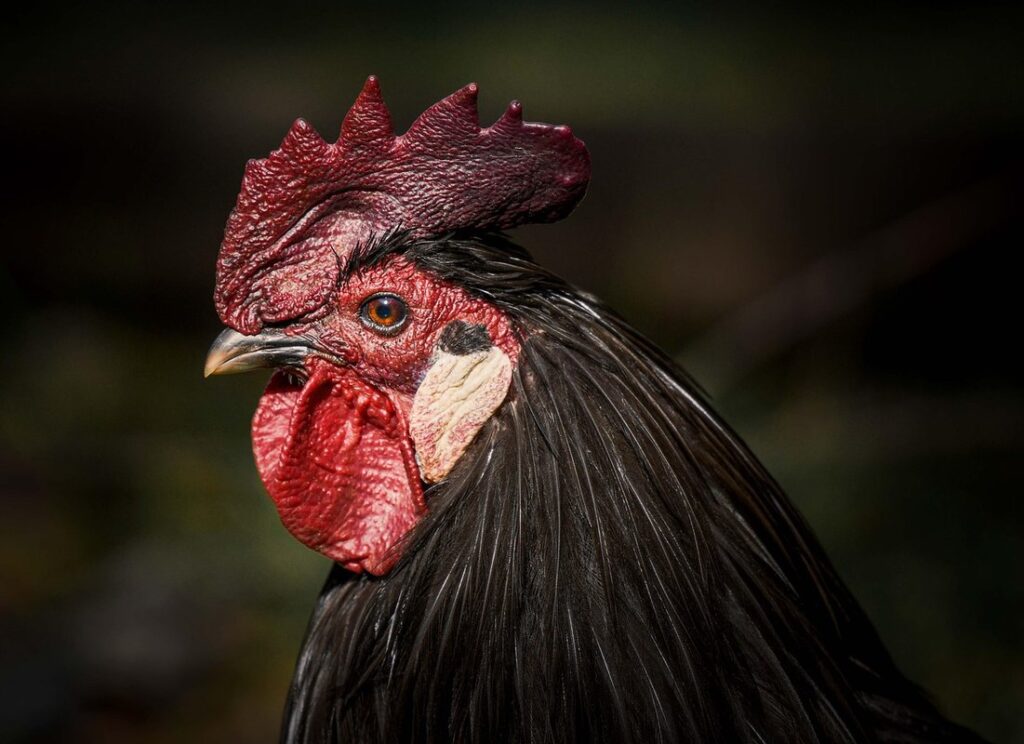
Another notable characteristic of Cornish chicken hens is their feathering. They have a unique appearance with a mix of white and black feathers, which can range from predominantly white to almost entirely black, depending on the individual bird’s genetics. While some breeders selectively breed for specific color patterns or intensity, the traditional Cornish chicken hen has a more rustic, mottled look.
In terms of temperament, Cornish chicken hens are known for being friendly and docile. They are not as aggressive as some other breeds and tend to be relatively easy-going with humans and other animals in their flock. This makes them an excellent choice for families or individuals who want a low-maintenance but still engaging pet.
Their calm demeanor also means they’re less likely to fly away, making them easier to manage in confined areas. Overall, the unique combination of size, feathering, and temperament sets Cornish chicken hens apart from other breeds and makes them an attractive choice for many backyard chicken enthusiasts.
Raising Cornish Chicken Hens: Tips for Success
If you’re new to raising Cornish chicken hens, it’s essential to know how to provide them with optimal living conditions and care. Let’s dive into the key tips for a successful flock.
Creating an Ideal Environment for Your Flock
When it comes to raising Cornish chicken hens, creating an ideal environment is crucial for their health and happiness. Let’s start with housing – make sure you have a spacious coop that provides at least 2-3 square feet per bird. A sturdy fence or enclosure will also help keep predators out.
Next, consider the feeders and waterers. Cornish chickens are voracious eaters, so they need access to plenty of food at all times. Use a feeder that’s easy for them to get in and out of, such as a hanging feeder or one with a lip on each side. For watering, opt for a heavy-duty waterer that can’t be easily tipped over.
Health considerations are also vital – Cornish chickens are prone to leg problems due to their rapid growth rate, so make sure the coop has adequate ventilation and is kept clean. Provide plenty of perches and roosting bars for them to exercise on. Consider adding some dust baths or sand in the coop to help keep their feathers clean.
Make sure to provide fresh feed and water daily, and clean out the coop regularly to prevent disease. With a little planning and attention to detail, you can create an ideal environment that will make your Cornish chicken hens thrive.
Understanding the Importance of Nutrition in Cornish Chickens
Proper nutrition plays a crucial role in the healthy growth and development of Cornish chicken hens. These birds are bred for their exceptional meat quality and fast growth rate, but they require specific dietary needs to thrive. A balanced diet rich in protein, calcium, and other essential nutrients is vital to prevent health issues such as rickets, leg problems, and stunted growth.
A good starting point is to provide a starter feed that’s specifically formulated for the first 4-6 weeks of life. This will ensure they get all the necessary building blocks for their rapid growth phase. As they grow older, you can switch to a layer feed or a mix of grains and vegetables to maintain their energy levels.
It’s also essential to provide access to fresh water at all times to prevent dehydration. A common mistake many backyard chicken keepers make is overfeeding their flock, which can lead to obesity and other health problems. Monitor your birds’ weight closely and adjust their feeding schedule accordingly.
Health Considerations for Cornish Chicken Hens
When raising Cornish chicken hens, it’s essential to consider their unique health needs and potential risks, such as heart problems and slow growth rates.
Common Health Issues Affecting Cornish Chickens
Cornish chicken hens are known for their rapid growth rate and high production of meat, but this comes with some health concerns. One common issue affecting Cornish chickens is heart problems due to the breed’s genetics and accelerated growth. Research has shown that fast-growing breeds like Cornish chickens have a higher incidence of cardiac issues.
Respiratory infections are another significant problem in Cornish chicken hens. The birds’ rapid growth rate can lead to overcrowding, stress, and weakened immune systems, making them more susceptible to respiratory diseases such as bronchitis and pneumonia.
Nutritional deficiencies are also prevalent in Cornish chickens due to their high-energy requirements and fast-paced growth cycle. Providing a balanced diet that meets the hens’ nutritional needs is crucial to maintaining their health and preventing issues like leg weakness and bone deformities.
In addition, some farmers have reported instances of gout, a painful condition affecting the joints, among their Cornish chicken flocks. To mitigate these health concerns, it’s essential to provide adequate space, implement proper biosecurity measures, and ensure access to clean water and balanced feed.
Strategies for Preventing and Managing Health Issues in Your Flock
Maintaining a healthy environment for your Cornish chicken hens is crucial to preventing and managing health issues. Ensure that their coop is well-ventilated, dry, and free from predators. Provide enough space for each hen to move around comfortably, and keep the area clean by removing soiled bedding and manure regularly.
It’s also essential to establish a vaccination schedule for your flock. Consult with a veterinarian to determine the necessary vaccinations for your region and the age of your hens. Typically, Cornish chicken hens should receive a series of vaccinations against diseases such as Marek’s disease and infectious bronchitis between 1-4 weeks of age.
Monitor your hens regularly for signs of illness, including changes in appetite, droopy wings or tail, and unusual droppings. Keep an eye out for common health issues specific to Cornish chicken hens, such as brooder pneumonia and heart attacks due to rapid growth rates. If you notice any unusual behavior or symptoms, consult with a veterinarian promptly to prevent the spread of disease within your flock.
Cooking Cornish Chicken Hens: Recipes and Techniques
Now that you’ve raised your own Cornish chicken hens, it’s time to cook them to perfection, and we’re excited to share some delicious recipes and expert cooking techniques just for you.
Basic Preparation Methods for Roasting and Grilling
When preparing your Cornish chicken hens for roasting or grilling, it’s essential to start with some basic preparation techniques. This will ensure that your birds are evenly cooked and retain their natural flavors.
To begin, make sure to remove the giblets and pat the hens dry with paper towels. This step is crucial in preventing moisture buildup during cooking, which can lead to uneven cooking or even food safety issues.
For roasting, you’ll want to season the hen liberally with your favorite herbs and spices, then stuff it loosely with aromatics like onion, carrot, and celery. Rub the skin with a little bit of oil to promote browning, then place the hen in a preheated oven at 425°F (220°C).
For grilling, you’ll want to focus on getting a nice crust on the skin. Pat the hen dry again, then season it as desired. Place the hen over medium heat and cook for about 5-7 minutes per side, or until the internal temperature reaches 165°F (74°C). It’s also essential to let the hen rest for a few minutes before serving to allow the juices to redistribute.
Some key tips to keep in mind: always use tongs to handle the hens, as they can be delicate, and make sure to not overcrowd your grill or oven. With these basic techniques under your belt, you’ll be well on your way to cooking delicious Cornish chicken hens like a pro!
Advanced Recipe Ideas Using Cornish Chicken Hens
When it comes to cooking Cornish chicken hens, the possibilities are endless. One of the best things about these birds is their versatility, making them a great choice for a variety of recipes beyond just grilling or roasting. Here are some advanced recipe ideas that showcase their potential:
Slow-cooked meals like braised Cornish hen with red wine and mushrooms or cornfed chicken hens in a rich demiglace are perfect for special occasions. Simply brown the bird, then slow cook it in liquid on low heat for 2-3 hours. The result is tender, fall-off-the-bone meat that’s infused with flavor.
For lighter fare, try making Cornish hen salads with fresh greens, cherry tomatoes, and a tangy citrus vinaigrette. You can also add some crumbled feta cheese or chopped nuts for added texture and flavor. Another option is to grill the chicken hens first, then toss them in a salad with your favorite ingredients.
To take your Cornish hen game to the next level, experiment with different marinades and rubs before cooking. For example, try using a Korean-inspired gochujang sauce or a Mediterranean-style herb mix featuring oregano, thyme, and rosemary. The key is to find the right balance of flavors to bring out the best in your Cornish chicken hens.
Benefits and Advantages of Raising Cornish Chicken Hens
Raising Cornish chicken hens offers a multitude of benefits, from their impressive egg-laying abilities to their charming, friendly nature in the backyard. Let’s dive into the advantages that make these birds so desirable.
Why Raise Cornish Chickens: A Discussion on Benefits for Small-Scale Farmers
Raising Cornish chickens can be a game-changer for small-scale farmers, offering numerous benefits that make them an attractive choice. One of the primary advantages is their profitability. Due to their fast growth rate and high meat yield, Cornish chickens can be harvested in as little as 5-6 weeks, allowing farmers to quickly turn a profit.
Another significant benefit is the ease of management. Compared to larger breeds, Cornish chickens require minimal space and care, making them ideal for small farms or backyard flocks. Their compact size also means less feed is needed to raise them, reducing costs and minimizing environmental impact. In fact, studies have shown that raising Cornish chickens can reduce greenhouse gas emissions by up to 40% compared to larger breeds.
As a result, many small-scale farmers are turning to Cornish chickens as a sustainable option for their operations. By choosing this breed, farmers can not only increase profitability but also contribute to a more environmentally friendly food system.
Marketing Strategies for Your Cornish Chicken Hens
When it comes to marketing your Cornish chicken hens, you have two main avenues: selling directly to consumers and partnering with local restaurants. To effectively market your product, consider the following strategies.
Firstly, for direct-to-consumer sales, focus on building a strong online presence through social media platforms like Instagram and Facebook. Share high-quality images of your birds, their habitats, and the care they receive. Utilize relevant hashtags to increase visibility and engage with potential customers by responding promptly to comments and messages. You can also participate in local farmers’ markets or host farm tours to connect directly with consumers.
Alternatively, partnering with local restaurants can be a lucrative way to sell your Cornish chicken hens. Develop relationships with chefs and owners by offering samples of your birds and discussing the benefits of using locally sourced products. Consider creating a catering service for events or special occasions. By doing so, you’ll not only provide fresh, high-quality meat but also contribute to the local economy.
By leveraging both direct-to-consumer sales and partnerships with local restaurants, you can successfully market your Cornish chicken hens and reap the rewards of this unique business opportunity.
Conclusion: Why Cornish Chicken Hens are a Great Choice
Now that you’ve learned how to raise and cook delicious Cornish chicken hens, let’s summarize why they’re an excellent choice for your backyard flock.
Recap of Key Points Covered in the Guide
As we conclude our journey through the world of Cornish chicken hens, let’s recap the key points that make them an exceptional choice for small-scale farmers and home cooks. From their rich history to their versatility in cooking, we’ve explored why these delightful birds have captured the hearts of many.
Throughout this guide, we discussed the benefits of raising Cornish chicken hens, including their fast growth rate, high-quality meat, and docile nature, making them an ideal choice for backyard farmers or small-scale producers. We also covered various cooking methods and recipes that showcase the versatility of these birds, from grilling to roasting, and even using them in soups and stews.
In addition, we highlighted their nutritional profile, which is rich in protein and low in saturated fats, making them a healthier alternative to other poultry options. With proper care and handling, Cornish chicken hens can thrive on small farms or in backyard coops, providing fresh, locally-sourced meat for families and restaurants alike.
By incorporating these hardy birds into your farm or kitchen, you’ll be able to enjoy the rewards of sustainable and delicious food production. Whether you’re a seasoned farmer or an adventurous home cook, Cornish chicken hens are sure to become a favorite choice.
Final Thoughts on Raising and Cooking Cornish Chicken Hens Successfully
As you bring your flock of Cornish chicken hens home, it’s essential to remember that their success depends on your dedication and care. With regular feeding, proper shelter, and a balanced diet, these birds will thrive under your management.
To ensure their optimal health, make sure to provide adequate space for them to roam, exercise, and engage in natural behaviors like scratching and pecking. A minimum of 4-5 square feet per bird is recommended, with plenty of room for nesting boxes and perches. This not only keeps them active but also prevents overcrowding.
When it comes to feeding, consider supplementing their commercial feed with fresh fruits, vegetables, and insects for a varied diet. Also, be mindful of any health issues that may arise from overfeeding or poor sanitation practices. Monitor your flock’s overall well-being closely and consult with a veterinarian if you notice any signs of illness.
By following these guidelines and providing the right care, you’ll be rewarded with delicious homegrown eggs and meat that will make all your hard work worthwhile.
Frequently Asked Questions
What is the ideal temperature range for raising Cornish chicken hens?
Cornish chickens are sensitive to heat, so it’s essential to provide them with a cooler environment during hot summer months. A suitable temperature range for these birds is between 40°F and 80°F (4°C and 27°C). Ensure proper ventilation and shade in your coop to prevent overheating.
How long do Cornish chicken hens take to mature, and when can I expect eggs?
Cornish chickens are a dual-purpose breed, taking approximately 18-20 weeks to reach maturity. You can start expecting eggs from around 22-24 weeks of age. However, keep in mind that egg production may vary depending on individual bird health, nutrition, and genetics.
Can I raise Cornish chicken hens with other breeds in a mixed flock?
While it’s possible to integrate Cornish chickens into a mixed flock, it’s crucial to consider compatibility and potential health risks. Some breeds may not get along due to size or personality differences. Research compatible breeds before creating a multi-species flock.
What are some common health issues affecting Cornish chicken hens, and how can I prevent them?
Common health concerns in Cornish chickens include respiratory problems, tumors, and genetic disorders. To minimize these risks, ensure proper nutrition, maintain a clean coop, and provide regular veterinary check-ups. Implementing robust vaccination programs and maintaining a balanced diet can also help mitigate the occurrence of these issues.
How do I store and handle my harvested Cornish chicken hens for optimal flavor and food safety?
When storing your harvested chickens, keep them refrigerated at 40°F (4°C) or below within two hours of slaughter. Use proper handling techniques to prevent cross-contamination and maintain a clean workspace. Freezing is an excellent way to preserve the meat; consider vacuum-sealing before freezing for extended storage.