
Are you looking to get into the poultry business or already raising Cornish Cross broilers? Either way, raising these birds can be a profitable venture if done correctly. However, it’s essential to understand their unique characteristics and needs to ensure a successful outcome. This popular breed is known for its fast growth rate and high-quality meat, making them a favorite among farmers and producers.
In this comprehensive guide, we’ll cover everything you need to know about raising healthy and profitable Cornish Cross broilers. We’ll start with an overview of the breed’s characteristics, including their growth patterns and nutritional requirements. From there, we’ll dive into pre-rearing preparation, nutrition, health monitoring, and growth management – providing expert tips for success in the poultry industry. Whether you’re a seasoned farmer or just starting out, this guide will give you the knowledge you need to raise healthy and profitable Cornish Cross broilers.
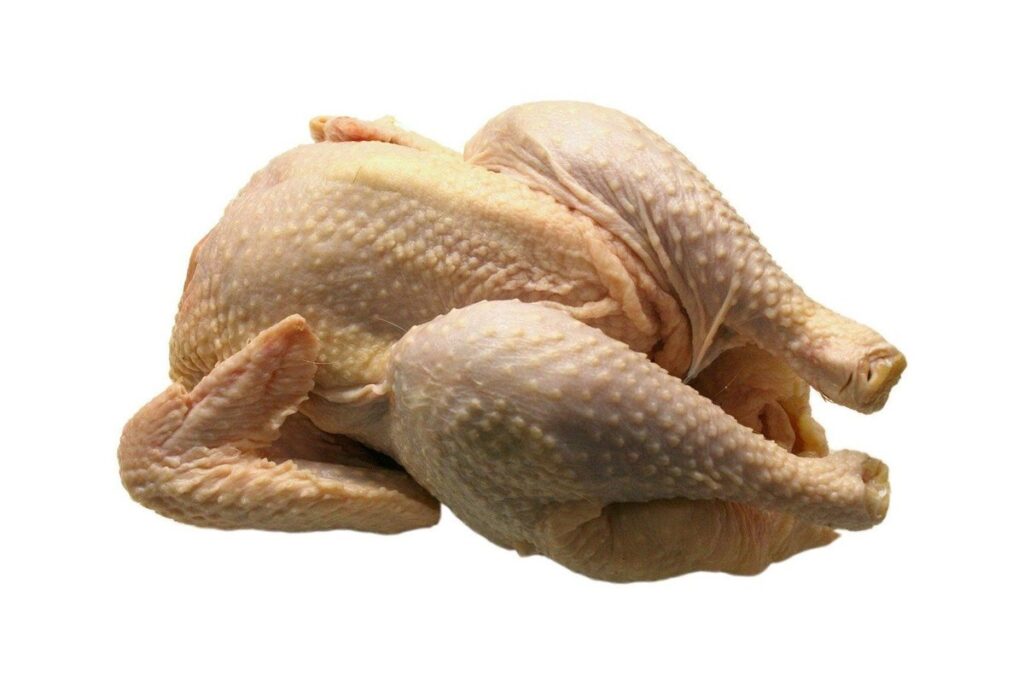
Understanding the Breed
To get started with raising Cornish Cross broilers, it’s essential to understand their unique characteristics and needs. Let’s dive into what makes these birds special.
Characteristics of Cornish Cross Broilers
Cornish Cross broilers are bred specifically for their fast growth rate and exceptional meat quality. One of the most notable characteristics of this breed is their rapid growth, with some birds reaching market weight in as little as 5-6 weeks. This accelerated growth rate is made possible by selective breeding for a combination of genetic factors, including increased myostatin sensitivity, which allows them to convert feed into muscle more efficiently.
This exceptional feed conversion ratio is another key characteristic of Cornish Cross broilers, with some studies showing they can convert feed at a rate of 2.5:1 or better. This means that for every pound of feed they consume, they will gain approximately 0.4 pounds of body weight. To take advantage of this efficient feed conversion, it’s essential to monitor their feed intake closely and adjust as needed.
Meat quality is also an area where Cornish Cross broilers excel, with a tender and fine-grained texture that makes them well-suited for processing into fresh or frozen poultry products.
Advantages and Disadvantages of Raising Cornish Cross Broilers
Raising Cornish Cross broilers can be a lucrative venture for many backyard chicken keepers and farmers. One of the primary advantages is their high demand in the market. These birds are specifically bred for their rapid growth rate, tender meat, and compact size, making them an ideal choice for consumers who prioritize convenience.
Another benefit of raising Cornish Cross broilers is their ease of handling. They are known to be friendly, docile, and relatively stress-free compared to other breeds. This makes them a great option for beginners or those with limited experience in chicken keeping. In fact, many farmers report that they can easily handle 20-30 birds at a time without feeling overwhelmed.
However, it’s essential to note that Cornish Cross broilers are not without their drawbacks. One significant concern is the potential health issues associated with their rapid growth rate. Some farmers have reported instances of heart problems and leg weakness in these birds due to their high feed intake and rapid weight gain. To mitigate this risk, it’s crucial to prioritize proper nutrition, ensure adequate space for exercise, and monitor your flock regularly for any signs of distress.
Pre-Rearing Preparation
Before bringing home your Cornish Cross broilers, there are some crucial steps you’ll want to take to prepare for their arrival and ensure a smooth transition into their new environment. Let’s dive into pre-rearing preparation essentials.
Building a Healthy Flock
Before introducing Cornish Cross broilers to your farm, it’s crucial to establish a healthy flock foundation. This process involves several key steps that ensure the overall health and well-being of your birds. One critical aspect is vaccination, which protects against common poultry diseases such as Newcastle disease, avian influenza, and infectious bronchitis.
Begin by consulting with a veterinarian to determine the most effective vaccine schedule for your specific region and flock type. It’s also essential to follow proper vaccination protocols to avoid any adverse reactions. For instance, make sure to administer vaccines at the correct time and in accordance with recommended dosages.
Quarantine procedures are another vital aspect of building a healthy flock. This involves isolating new birds from existing flocks for a period of 30-60 days to monitor for signs of disease. Regularly inspect your birds for any unusual behavior, appetite changes, or physical symptoms during this time.
To maintain optimal biosecurity measures, ensure proper sanitation and hygiene practices within the farm. This includes disinfecting equipment, regular cleaning of living areas, and implementing strict visitor protocols. A robust vaccination program, careful quarantine procedures, and rigorous biosecurity practices will create a strong foundation for your flock’s health and resilience against disease outbreaks.
Housing and Equipment Requirements
When preparing to raise Cornish Cross broilers, it’s essential to have the right housing and equipment in place. A good rule of thumb is to provide at least 2-3 square feet of space per bird inside the coop, with a total of around 4-5 square feet for nesting boxes and roosting bars.
Ventilation systems are also crucial, as Cornish Cross broilers can be prone to heat stress. Consider installing windows or vents that can be opened and closed to regulate airflow, or investing in a reliable ventilation fan. This will help prevent the buildup of ammonia and reduce the risk of respiratory issues.
When it comes to feeding and watering infrastructure, aim for simplicity and efficiency. Install hanging feeders and waterers at a comfortable height to minimize waste and mess. You’ll also want to consider a feeding system that allows for easy monitoring of feed consumption to ensure your birds are getting enough nutrients.
Raising and Caring for Cornish Cross Broilers
When raising Cornish Cross broilers, proper care is crucial to ensure they grow healthily and safely. This section will cover essential tips for caring for these birds from hatch to harvest.
Nutrition and Feeding Strategies
When it comes to feeding your Cornish Cross broilers, providing optimal nutrition is crucial for their growth and development. These birds are bred specifically for meat production, so they have unique nutritional needs that require careful attention.
A balanced diet should consist of a high-quality commercial starter feed, which should be formulated to meet the needs of growing chickens. Look for feeds that contain at least 18% protein and 0.8-1.2% calcium. For example, you can use a starter feed from a reputable supplier like Purina or Manna Pro.
In addition to commercial feed, it’s essential to provide fresh water and access to free-range grazing or exercise areas to ensure the birds get enough physical activity. You can also supplement their diet with fruits and vegetables, but be sure to introduce new foods gradually to prevent digestive upset. Some recommended supplements include oyster shells for calcium and probiotics for gut health.
Aim to feed your broilers 20-25% of their body weight in starter feed per day, divided into two or three meals. This will help promote healthy growth and prevent overeating. Always follow the manufacturer’s instructions for feeding amounts and schedules, and adjust as needed based on individual bird performance.
Health Monitoring and Disease Prevention
As you care for your Cornish Cross broilers, maintaining their health is crucial to ensure they grow and thrive. Regular monitoring and prevention are key to keeping your flock healthy. Start by establishing a routine health check, inspecting each bird daily for signs of illness or stress such as labored breathing, lethargy, or changes in appetite.
Vaccination programs are essential to protect against common diseases like Newcastle disease and infectious bronchitis. Consult with a veterinarian to determine the best vaccination schedule for your flock, taking into account factors like age, health status, and environmental conditions.
Parasite control is also vital to prevent internal parasites from weakening your birds’ immune systems. Use a combination of clean living quarters, proper feeding, and targeted treatments like deworming medication to minimize parasite infestations.
Implement biosecurity protocols to safeguard against external threats. This includes isolating new birds for 30 days before introducing them to the main flock, practicing good hygiene, disinfecting equipment regularly, and prohibiting unauthorized access to your coop or run.
Managing Growth Rate and Weight Gain
As your Cornish Cross broilers grow, managing their growth rate and weight gain is crucial to ensure they reach market weight efficiently. Let’s explore some tips for achieving optimal growth rates.
Understanding Growth Patterns
When it comes to managing growth rate and weight gain for Cornish Cross broilers, understanding their growth patterns is crucial. These birds are bred specifically for their rapid growth rate, which can be both a blessing and a curse if not managed properly.
On average, Cornish Cross broilers can grow from 1-5 pounds in just 6 weeks, with some birds reaching market weight (around 4-4.5 pounds) as early as 7-8 weeks. To put this into perspective, a well-fed and cared for Cornish Cross bird can gain up to 0.25-0.35 pounds per day! However, this rapid growth rate also means they require more feed and attention to prevent overeating and obesity.
Feed efficiency is another key factor to consider when managing growth patterns. A good rule of thumb is to aim for a feed conversion ratio (FCR) of around 1.5-2.0:1. This means that for every pound of feed consumed, your bird should be gaining around 1.5-2 pounds in body weight. By monitoring FCR and adjusting feeding schedules accordingly, you can optimize growth rates while keeping costs down.
Aim to harvest your Cornish Cross broilers at the optimal weight range of 3.5-4.5 pounds for best meat quality. This will also help prevent over-fattening, which can be detrimental to the bird’s health and your wallet!
Strategies for Optimizing Growth
When it comes to optimizing growth in Cornish Cross broilers, genetics selection plays a significant role. Choose a reputable breeder that provides high-quality birds with desirable traits such as rapid growth rate and excellent feed conversion ratio. Some popular genetics selection options for optimal growth include Ross 308, Cobb 500, and Aviagen’s Arbor Acres.
Optimizing nutrition is another crucial aspect of promoting healthy growth in Cornish Cross broilers. Provide a well-balanced diet that meets their nutritional needs at different stages of production. This includes providing adequate protein (around 20-22% on an as-fed basis) and energy levels to support rapid growth. Consider using a starter feed with higher protein content for the first few weeks, followed by a finisher feed with lower protein but higher energy.
Environmental manipulation is also essential in optimizing growth. Ensure that your broiler house has adequate ventilation to prevent heat stress and maintain a comfortable temperature range (around 40-50°F). Provide enough space per bird (at least 2-3 square feet) to reduce stress and promote healthy growth. Additionally, ensure that the water supply is clean and accessible at all times.
By implementing these strategies, you can optimize growth in your Cornish Cross broilers and achieve a successful production cycle. Remember to monitor your birds’ growth rates regularly and adjust your strategy as needed to achieve optimal results.
Handling and Processing Cornish Cross Broilers
When it comes time to harvest your Cornish Cross broilers, handling and processing them safely and efficiently is crucial. We’ll walk you through the essential steps to follow for a stress-free experience.
Pre-Slaughter Preparation
Before bringing home that day’s harvest, it’s essential to prepare your Cornish Cross broilers for slaughter. This process involves a few critical steps: stunning and restraint. Stunning ensures the bird is rendered insensible to pain and stress before killing, making it more humane.
There are several methods of stunning birds, including electrical stunning, gas stunning, and captive bolt stunning. Electrical stunning uses a device that delivers an electric shock to the bird’s head or neck. Gas stunning, on the other hand, involves exposing the bird to a high concentration of CO2 gas, rendering them unconscious. Captive bolt stunning is a more mechanical method where a metal rod is driven into the bird’s skull.
Refrain from using certain methods like manual restraint or shooting, as they can be inhumane and increase your risk of injury. For example, manually restraining a live bird can cause unnecessary stress and potential escape risks. In contrast, proper equipment can reduce these risks while making the process smoother.
When it comes to restraint techniques, focus on supporting the bird’s body rather than constricting its movements. For instance, use a shackles or tethers that allow for comfortable movement to prevent muscle strain and discomfort.
Post-Harvest Handling and Storage
When handling and storing Cornish Cross broiler meat post-harvest, it’s essential to maintain optimal conditions to preserve its quality. Start by packaging the meat immediately after processing, using airtight bags or containers that prevent moisture from entering. Vacuum-sealing is ideal for long-term storage.
When transporting your packages, ensure they remain upright and secure to avoid any damage. It’s also crucial to keep them away from direct sunlight, heat sources, and extreme temperatures during transit. Refrigerated trucks or vans are recommended if possible, as this will help maintain a consistent temperature below 40°F (4°C).
Once you’ve arrived at your storage location, store the packages in a well-ventilated area with a consistent refrigeration temperature between 32°F (0°C) and 38°F (3°C). Monitor the temperature regularly to ensure it stays within this range. It’s also essential to keep the stored meat away from any strong-smelling products, as Cornish Cross broilers can absorb odors easily.
To extend shelf life, consider using a vacuum sealer or airtight containers and maintaining proper storage conditions. This will help prevent spoilage and preserve the quality of your Cornish Cross broiler meat for an extended period.
Conclusion and Future Outlook
Now that you’ve successfully raised your Cornish Cross broilers, let’s talk about what’s next – wrapping up your experience and looking ahead to future endeavors. We’ll cover key takeaways from your journey so far.
Recap of Key Takeaways
When it comes to raising Cornish Cross broilers successfully, there are several key takeaways that you should keep in mind. First and foremost, proper nutrition is crucial for these birds’ rapid growth rate. Ensure they have access to a balanced diet that includes protein-rich feed, as well as fresh water at all times.
Another essential aspect of Cornish Cross broiler raising is providing adequate space and ventilation. These birds require more room than other breeds due to their fast growth rate, so make sure you have enough space for them to move around comfortably. Good ventilation is also vital to prevent respiratory problems that can arise from the high density of birds.
To promote healthy growth, maintain a clean and hygienic environment by cleaning coops regularly, and ensuring good sanitation practices throughout the raising process. This will help prevent diseases such as coccidiosis and necrotic enteritis, which can be particularly devastating for Cornish Cross broilers.
In addition to these key points, it’s also essential to monitor your birds’ health closely and take action if you notice any signs of illness or distress. A well-planned vaccination schedule and regular check-ups with a veterinarian will help ensure the overall health and well-being of your flock.
Some final tips for raising Cornish Cross broilers include keeping accurate records of feed consumption, weight gain, and mortality rates to make informed decisions about your operation. It’s also essential to follow local regulations and guidelines regarding meat production and processing. By following these key takeaways, you’ll be well on your way to successfully raising healthy and profitable Cornish Cross broilers.
Frequently Asked Questions
What is the ideal stocking density for Cornish Cross broilers?
When raising Cornish Cross broilers, it’s essential to maintain a suitable stocking density to ensure their health and well-being. A general rule of thumb is to provide at least 2-3 square feet per bird in the grow-out phase. This allows for sufficient space for movement and prevents overcrowding, which can lead to stress and disease.
How often should I monitor my flock’s temperature and humidity levels?
Temperature and humidity are critical factors in broiler production. It’s recommended to check these conditions at least twice daily, ensuring that the environment remains within a comfortable range (around 40°F to 60°F for temperature and 50% to 70% for humidity). This will help prevent heat stress, which can have negative impacts on growth rates and overall health.
What are some common signs of illness in Cornish Cross broilers?
Recognizing the early warning signs of illness is crucial in preventing the spread of disease within your flock. Be on the lookout for symptoms such as labored breathing, coughing, lethargy, or changes in appetite and droppings. If you suspect an issue, consult with a veterinarian or poultry expert to determine the cause and develop an effective treatment plan.
How can I maintain accurate records of my Cornish Cross broilers’ growth rates?
Accurate record-keeping is vital for monitoring your flock’s performance and making data-driven decisions. Consider using a spreadsheet or app to track key metrics such as weight gain, feed conversion ratios, and mortality rates. This will enable you to identify areas for improvement and optimize your production strategies.
What are some tips for handling and processing Cornish Cross broilers humanely?
Humane handling and processing practices are essential for maintaining animal welfare while ensuring a high-quality end product. When transporting birds, use clean, dry containers with adequate ventilation. Ensure that processing facilities adhere to proper sanitation standards and employ trained personnel who can handle the birds gently and efficiently.