
Are you looking to add some natural beauty and charm to your garden or landscape? Look no further than the Cornus Kousa Chinese dogwood tree! This stunning deciduous tree is not only visually striking, but it’s also relatively low-maintenance and adaptable to various climates. If you’re interested in growing and maintaining a healthy Cornus Kousa, this article will be your go-to guide. We’ll cover everything from climate requirements and soil conditions to pest management and pruning techniques, ensuring that your tree stays healthy and thrives for years to come. Plus, we’ll explore the ornamental value of this incredible tree, as well as its ecological benefits, making it a great choice for gardeners who care about both aesthetics and sustainability.
Introduction to Cornus Kousa
If you’re new to gardening or just looking for a low-maintenance tree, let’s start with the basics of what makes Cornus kousa so special. This section will cover its origins and unique characteristics.
What is Cornus Kousa?
The Cornus kousa, also known as the Chinese Dogwood tree, has its roots (pun intended) in East Asia. Botanically speaking, it belongs to the family Cornaceae and is native to regions spanning from China to Japan and Korea. Its unique characteristics have made it a sought-after specimen globally, with many gardeners and landscapers incorporating it into their designs.
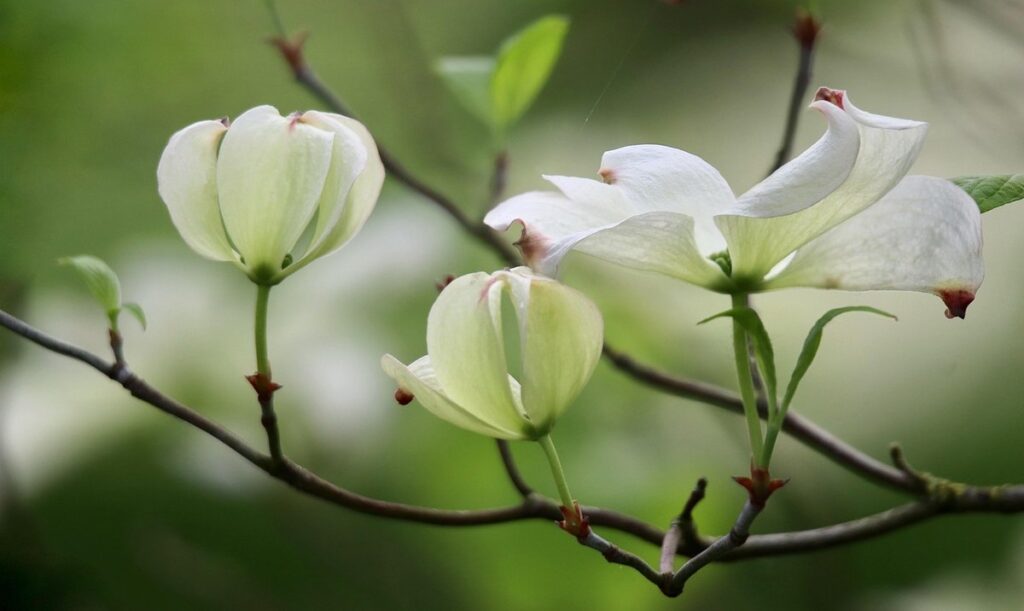
One of the key factors contributing to its popularity is its stunning floral display. The showy white or pink bracts that surround the tiny yellow flowers are a striking sight, making it an excellent choice for adding visual interest to gardens and landscapes. Additionally, the tree’s compact growth habit and relatively small size make it an ideal option for smaller spaces.
As you consider introducing the Cornus kousa into your garden, keep in mind its adaptability to different soil types and its ability to thrive in a range of climates. With proper care, this tree can provide years of beauty and interest, making it a worthwhile addition to any outdoor space.
History of Cultivation
Cornus Kousa was first introduced to Western cultures in the late 19th century by plant hunters who traveled extensively throughout Asia. Initially, it was met with curiosity and enthusiasm due to its unique characteristics and striking beauty. However, early cultivation practices were often marred by difficulties in adapting to European climate conditions.
In the early 20th century, nurseries began to develop specific growing techniques for Cornus Kousa, which included grafting onto rootstocks from more adaptable species like Cornus florida. This innovation significantly improved its chances of success in Western gardens. Over time, horticulturists have continued to refine their understanding of the tree’s requirements.
Today, careful selection and pruning are essential for optimal growth. Gardeners should aim to provide a well-draining soil mix, full sun to partial shade, and adequate moisture levels. Regular monitoring of the tree’s responses to its environment will also help in fine-tuning cultivation practices for improved health and vigor. By learning from past experiences and adapting to regional conditions, enthusiasts can now successfully cultivate Cornus Kousa trees that thrive in their own gardens.
Growing Conditions and Hardiness
To grow a thriving Cornus kousa Chinese dogwood tree, it’s essential to understand its specific needs when it comes to temperature, soil, and moisture levels. We’ll break down these requirements in detail below.
Climate and Soil Requirements
To grow a healthy and thriving Cornus kousa Chinese Dogwood tree, it’s essential to provide it with the right climate and soil conditions. This deciduous tree is relatively adaptable but still requires specific temperature ranges and humidity levels to flourish.
In terms of temperature, Cornus kousa prefers a moderate climate with warm summers and cold winters. It thrives in temperatures between 35°F (2°C) and 90°F (32°C), making it an ideal choice for USDA zones 5-8. However, it can tolerate some frost and is relatively hardy compared to other dogwood species.
When it comes to humidity, the tree prefers well-draining soil with a moderate to high water table. It’s essential to ensure the soil doesn’t get too wet or dry for extended periods, as this can lead to root rot and other issues. The ideal soil pH for Cornus kousa ranges from slightly acidic (pH 6.0-7.0) to neutral (pH 7.0), although it can tolerate a wider range.
By understanding and replicating the tree’s natural habitat, you’ll be well on your way to creating an environment that will allow your Cornus kousa Chinese Dogwood tree to thrive and reach its full potential.
Watering Needs and Drought Tolerance
When it comes to watering your Cornus Kousa Chinese Dogwood tree, it’s essential to strike the right balance between keeping it hydrated and not overwatering. As a general rule of thumb, water your tree deeply once or twice a week during its first year after planting, providing about 1 inch of water per session. This frequency will help establish a strong root system.
As the tree matures, you can reduce watering to once every 10-14 days during the spring and summer months when it’s actively growing. However, if your area experiences a prolonged dry spell or is prone to droughts, adjust your watering schedule accordingly. Keep in mind that overwatering can be detrimental to your tree’s health, causing root rot and other issues.
Signs of underwatering include wilted leaves, leaf scorch, and a general decline in the tree’s vigor. Conversely, signs of overwatering may manifest as yellowing leaves, blackened bark, or an abundance of weeds growing around the base of the tree. To avoid these problems, monitor your tree’s soil moisture by sticking your finger into the soil up to the first knuckle. If it feels dry, it’s time to water.
Care and Maintenance
To ensure your Cornus Kousa Chinese Dogwood tree thrives, it’s essential to establish a regular care routine that includes pruning, watering, and pest management. Regular maintenance will keep your tree healthy and looking its best.
Pruning Techniques
Pruning your Cornus kousa Chinese dogwood tree is an essential part of its care and maintenance. When done correctly, pruning will promote a balanced shape, control size, and even improve the overall health of the tree. The best time to prune is during the dormant season, typically from late winter to early spring. This allows for new growth in the spring without causing shock to the tree.
When removing dead branches, look for signs such as gray or brown coloration, brittleness, or complete loss of leaves. Cut these branches back to a main limb or stub, making sure to cut just above an outward-facing bud. This will encourage healthy new growth from that area. For shaping and maintaining size control, prune select branches by cutting one-third to one-half of the stem, making clean cuts at a 45-degree angle.
It’s also important to remove suckers, which are shoots growing from the rootstock near the base of the tree. Remove these to promote a single leader and encourage branching. Regular pruning will help maintain your Cornus kousa Chinese dogwood tree’s natural beauty while ensuring its continued health and vitality.
Fertilization and Pest Management
Fertilizing your Cornus Kousa regularly is essential to promote healthy growth and ensure it reaches its full potential. As a deciduous tree, it requires a balanced diet of nutrients to thrive. You can use either organic or synthetic fertilizers, but keep in mind that the latter may burn the roots if not used correctly.
A slow-release fertilizer, such as 10-10-10 NPK (nitrogen-phosphorus-potassium), is an excellent choice for Cornus Kousa trees. Apply it in early spring when new growth begins to emerge, and again in mid-summer after heavy flowering. Organic options like compost or manure tea can also be effective.
Some common pests affecting Cornus Kousa include aphids, scale insects, and spider mites. Regularly inspect your tree for any signs of infestation, such as sticky sap or white cottony patches on the leaves. To control these pests, use insecticidal soap or neem oil according to product instructions.
Regular pruning can also help prevent pest and disease issues by promoting air circulation and removing dead wood. By fertilizing your Cornus Kousa correctly and monitoring for pests, you’ll be well on your way to maintaining a healthy and thriving tree.
Benefits and Uses
One of the best things about the Cornus kousa Chinese Dogwood tree is its incredible versatility, offering numerous benefits for your garden and daily life. Let’s explore some of its most valuable uses and advantages.
Ornamental Value
One of the most significant benefits of having a Cornus Kousa Chinese Dogwood tree is its ornamental value. This stunning tree adds a touch of elegance to any landscape, and its beauty is not limited to one season. During the spring, the tree bursts into bloom with showy white or pink flowers that attract hummingbirds and other pollinators.
As summer transitions to fall, the Cornus Kousa tree puts on an unforgettable display of color, showcasing vibrant shades of red, purple, and burgundy. The foliage itself is notable for its bright green leaves with serrated edges, adding texture and interest to the landscape year-round. When the weather cools down, the leaves often take on a lovely golden or bronzy hue before falling off in autumn.
To maximize the ornamental value of your Cornus Kousa tree, consider planting multiple specimens together to create a stunning screen or hedge. This not only adds to the visual interest but also provides a natural windbreak and habitat for local wildlife.
Wildlife Support and Habitat Creation
One of the most remarkable benefits of having a Cornus Kousa Chinese Dogwood tree on your property is its ability to support local wildlife. The tree’s flowers and berries provide a vital food source for birds, bees, butterflies, and other pollinators during the spring and summer months. Its broad canopy also offers shelter from harsh weather conditions, predators, and human activities.
As part of a larger ecosystem, Cornus Kousa Chinese Dogwood trees play a crucial role in creating habitats that support biodiversity. For instance, its roots help to stabilize soil, preventing erosion and landslides, while its leaf litter provides nutrients for the forest floor. By incorporating these trees into your landscaping, you’re not only enhancing your yard’s beauty but also contributing to local ecosystem health.
To create a wildlife-friendly habitat with your Cornus Kousa Chinese Dogwood tree, consider the following tips: plant native companion species that bloom at different times to provide a constant food source; avoid using pesticides or herbicides, which can harm beneficial insects and birds; and leave some areas of your yard unmanicured to allow for leaf litter and natural debris accumulation. By adopting these practices, you’ll be supporting the local wildlife population and creating a thriving ecosystem.
Common Issues and Solutions
You may encounter some common issues when growing your Cornus Kousa Chinese Dogwood tree, but don’t worry, we’ve got solutions to help you overcome them.
Pests and Diseases
As a proud owner of a Cornus Kousa Chinese Dogwood tree, it’s essential to be aware of common pests and diseases that may affect its health. One of the most prevalent issues is powdery mildew, a fungal disease characterized by white powder on leaves and stems. To manage this issue, regular watering is crucial; overwatering can exacerbate the problem. Ensure good air circulation around your tree to prevent moisture buildup.
Aphids are another common pest that can harm your Cornus Kousa Chinese Dogwood tree. These tiny insects feed on sap, causing curled or distorted leaves. To control aphid infestations, use neem oil or insecticidal soap to repel them. Prune infested areas and dispose of affected branches.
Prevention is key; inspect your tree regularly for signs of pests or diseases. Implement integrated pest management (IPM) strategies by maintaining a balanced ecosystem around your tree. This includes mulching, providing sufficient sunlight, and avoiding overfertilization.
To prevent powdery mildew, apply copper-based fungicides in early spring when new growth begins. This proactive approach will help protect your Cornus Kousa Chinese Dogwood tree from potential threats and ensure it remains healthy and thriving throughout the growing season.
Environmental Concerns and Adaptation
Climate change has far-reaching impacts on trees worldwide, and Cornus Kousa is no exception. Rising temperatures and changing precipitation patterns can alter its growth habits and increase susceptibility to pests and diseases. Warmer conditions may also bring more frequent heatwaves and droughts, potentially causing stress and even mortality in young or weakened trees.
To adapt, growers will need to monitor weather forecasts closely, ensuring trees receive adequate water during dry spells. Mulching around the base can help retain moisture, while selecting cultivars with improved drought tolerance can also mitigate risks. Regular pruning to maintain a balanced canopy and promote air circulation can further enhance resilience.
Long-term sustainability hinges on developing strategies that balance adaptability with ecosystem management. By implementing integrated pest management (IPM) practices, incorporating beneficial insects, and using disease-resistant varieties, growers can reduce the need for chemical interventions. This not only benefits tree health but also contributes to maintaining biodiversity within gardens and natural areas.
Conclusion and Future Prospects
Now that you’ve learned all about the Cornus Kousa Chinese Dogwood tree, let’s summarize the key takeaways and explore its future in your garden. We’ll wrap up our guide with a look at what’s next for this versatile tree species.
Recap of Key Points
When it comes to growing and maintaining a healthy Cornus Kousa tree, there are several key takeaways to keep in mind. First and foremost, this tree is an exceptional ornamental asset due to its stunning white bracts that bloom in late spring, providing a vibrant splash of color in the landscape.
In terms of ecological value, Cornus Kousa trees support a wide range of wildlife, from birds and bees to butterflies and even small mammals. They also provide excellent shade and help maintain soil quality with their extensive root systems. To maximize these benefits, be sure to plant multiple trees together to create a thriving ecosystem.
When selecting a location for your Cornus Kousa tree, choose a spot with well-draining soil and full sun to partial shade. Regular watering, fertilization, and pruning will also help keep this tree healthy and thriving. With proper care, your Cornus Kousa tree can live for decades, becoming a cherished focal point in your yard or garden. By following these guidelines, you’ll be well on your way to enjoying the many rewards of this incredible tree.
Recommendations for Further Research and Exploration
If you’re eager to delve deeper into the world of Cornus Kousa cultivation, there are several avenues for further research and exploration. One excellent way to expand your knowledge is by consulting reputable gardening resources, such as the Cornell University Department of Horticulture or the National Gardening Association website. These websites offer an extensive library of articles, research studies, and expert advice on various aspects of tree care.
Another valuable resource is joining local gardening communities or online forums dedicated to Cornus Kousa enthusiasts. Not only can you connect with fellow gardeners who share your passion for this tree species but also gain access to a wealth of collective knowledge and experiences. For instance, the American Horticultural Society’s community forum allows members to ask questions, share tips, and participate in discussions about specific tree care topics.
Furthermore, attending workshops or seminars focused on ornamental trees can provide hands-on learning opportunities and expert insights into advanced cultivation techniques.
Frequently Asked Questions
Can I grow Cornus Kousa in a container garden?
Yes, you can grow Cornus Kousa in a container garden, but make sure to choose a large enough container (at least 14-16 inches deep) with good drainage. The tree’s roots can become quite extensive, so regular pruning will be necessary to maintain its size and promote healthy growth.
How often should I prune my Cornus Kousa for optimal flowering?
Prune your Cornus Kousa in late winter or early spring, removing any dead, diseased, or damaged branches. This will promote new growth and encourage a strong flower display in the summer. You can also prune after blooming to maintain shape and size.
Are there any specific fertilization needs for Cornus Kousa?
Yes, Cornus Kousa benefits from regular fertilization. Use a balanced, slow-release fertilizer (10-10-10) in early spring, following the manufacturer’s instructions. You can also add an acidic fertilizer (pH 5.5-6.5) to promote healthy root growth and flowering.
How do I protect my Cornus Kousa from extreme weather conditions?
To protect your Cornus Kousa from extreme weather conditions, ensure it receives full sun and well-draining soil. For hot climates, provide some afternoon shade to prevent scorching. In areas prone to harsh winters, apply a thick layer of mulch or wrap the tree with burlap to insulate the roots.
Can I use Cornus Kousa as a wildlife-friendly habitat?
Yes, Cornus Kousa provides an excellent habitat for various wildlife species, including birds, bees, and butterflies. Plant native wildflowers and shrubs nearby to create a diverse ecosystem that attracts beneficial insects and supports local biodiversity.