
Are you looking for a stunning addition to your garden that doubles as a versatile resource? Look no further than the Cornus kousa dogwood tree. Native to Asia, this ornamental tree has been prized for centuries not only for its breathtaking beauty but also for its practical uses in cooking and crafts. With its showy white or pink bracts and vibrant red berries, the Cornus kousa is a feast for the eyes. But that’s not all – its bark, flowers, and fruits are all edible, making it a valuable asset for gardeners who like to experiment with new recipes. In this article, we’ll delve into the cultivation, care, and potential hazards of growing your own Cornus kousa dogwood tree, covering everything you need to know to get started and make the most of its many benefits.
Introduction to Cornus Kousa
Let’s start by exploring the fascinating world of Cornus Kousa, a stunning and versatile tree species native to East Asia. This section sets the stage for your journey into its unique characteristics and benefits.
What is a Cornus Kousa?
The Cornus kousa, also known as the Korean dogwood or Chinese dogwood, is an incredibly striking and low-maintenance ornamental tree native to East Asia. It’s a type of flowering tree that has gained immense popularity worldwide due to its stunning beauty and adaptability.
One of the standout features of the Cornus kousa is its stunning white flowers that bloom in late spring to early summer, creating a breathtaking display against a backdrop of vibrant green foliage. But what makes this tree truly unique is its ability to thrive in a variety of environments – from full sun to partial shade, and even in poor soil conditions.
In fact, the Cornus kousa is often referred to as the “drought-tolerant dogwood” due to its remarkable resilience in dry weather. With proper care, this tree can grow up to 20 feet tall and wide, making it an excellent choice for small gardens or urban spaces where space is limited.
When choosing a Cornus kousa, look for varieties that are disease-resistant and have a more compact growth habit, such as ‘Satomi’ or ‘Wolf Eyes’, which require less pruning and maintenance. By selecting the right variety for your climate and garden conditions, you can enjoy the beauty and benefits of this incredible tree for years to come.
History and Cultivation Origins
Cornus kousa, also known as the Korean dogwood, has a rich history that spans centuries. Its origins date back to ancient times when it was highly valued for its medicinal properties and ornamental value. In traditional Asian medicine, Cornus kousa was used to treat various ailments, including fever, rheumatism, and skin conditions. The tree’s berries were also believed to have anti-inflammatory properties.
As trade routes expanded between the East and West, Cornus kousa began to make its way into Western countries in the late 19th century. Initially, it was grown for its ornamental value, with gardeners and botanists recognizing its unique flowers, foliage, and fruit. The tree’s ability to thrive in a variety of environments also made it an attractive choice for landscape design.
Today, Cornus kousa is prized not only for its beauty but also for its hardiness and adaptability. If you’re looking to cultivate this stunning tree, look for cultivars that have been bred specifically for their compact growth habits or improved flowering displays. With proper care and conditions, Cornus kousa can provide years of enjoyment and a striking addition to any garden or landscape.
Plant Characteristics and Identification
When it comes to identifying a Cornus Kousa dogwood tree, understanding its unique characteristics is key. We’ll break down its distinct features and what sets it apart from other trees.
Physical Description and Size
The Cornus Kousa dogwood tree is a stunning addition to any landscape, boasting a unique combination of physical characteristics and growth habits that set it apart from other trees. In terms of size, the Cornus Kousa typically grows between 15 to 25 feet tall, with a slightly narrower width of around 10 to 20 feet. Its upright growth habit makes it an excellent choice for smaller spaces or as a specimen tree.
The tree’s bark is another notable feature, with smooth gray branches that gradually develop a beautiful mottled pattern over time. The leaves are also quite striking, featuring four-pointed lobes and a distinctive wavy edge. In the spring, Cornus Kousa produces an abundance of white flowers, often in clusters, which are followed by red berries in late summer. These berries attract a variety of wildlife, including birds and squirrels, adding to the tree’s ecological value.
When choosing a Cornus Kousa for your garden, consider its mature size and growth habits to ensure it fits comfortably within its surroundings. Regular pruning can also help maintain its shape and promote healthy growth.
Distinguishing Features from Other Species
When it comes to identifying Cornus kousa, it’s essential to distinguish it from other dogwood species. One of the key features that set Cornus kousa apart is its unique leaf shape and size. Unlike the smooth-edged leaves of Cornus florida, Cornus kousa has serrated leaves with a wavy margin, typically measuring 4-8 inches long.
The bark of Cornus kousa is also distinct from other dogwoods. Its reddish-brown to gray bark develops deep grooves and furrows as the tree matures, giving it a distinctive appearance. This characteristic can be particularly useful for identification in older trees.
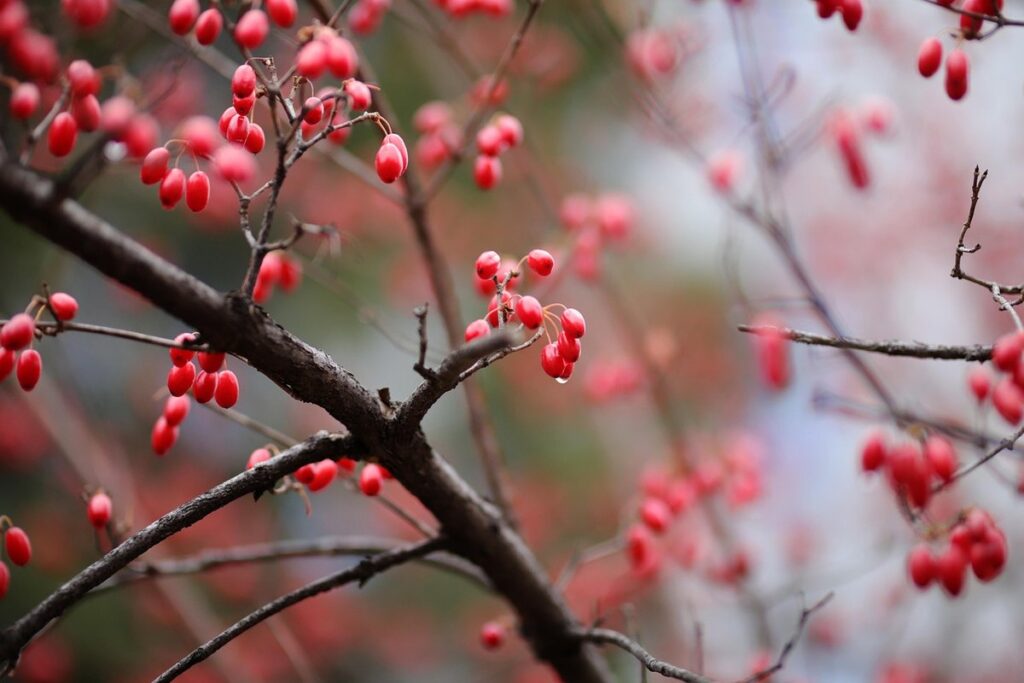
Another way to distinguish Cornus kousa from other species is through its fruit. The showy white or pink bracts of Cornus kousa surround small red berries, which are an attractive feature in fall and winter when foliage has dropped off. By considering these unique characteristics together – leaf shape, bark texture, and fruit presentation – you’ll be well-equipped to accurately identify a Cornus kousa tree among its relatives.
Growing and Care Requirements
To ensure your Cornus kousa dogwood tree thrives, it’s essential to understand its specific growing needs and learn how to provide optimal care for this beautiful and versatile plant.
Climate and Soil Preferences
To grow a healthy Cornus kousa tree, it’s essential to provide it with ideal climate and soil conditions. This deciduous tree thrives in temperate climates with mild winters and cool summers. Specifically, it prefers temperatures between 35°F (2°C) and 90°F (32°C), making it an excellent choice for USDA zones 5-8.
When it comes to soil, Cornus kousa dogwood trees prefer well-draining acidic to neutral soils with a pH range of 6.0-7.0. Avoid planting in areas with standing water or where water tends to collect, as this can lead to root rot and other issues. A mix of compost and organic matter will help maintain soil fertility and structure.
To replicate these conditions in your garden, consider adding acidic fertilizers during the growing season. Also, be mindful of frost pockets when planting near structures or slopes that can trap cold air. By understanding and mimicking the natural preferences of Cornus kousa dogwood trees, you’ll be well on your way to cultivating a thriving and beautiful specimen in your yard.
Watering and Maintenance Tips
Proper watering is essential for the Cornus Kousa dogwood tree’s optimal growth. Aim to provide 1-2 inches of water per week, either through rainfall or irrigation. However, be cautious not to overwater, as this can lead to root rot and other issues.
For the first year after planting, it’s crucial to maintain consistent moisture levels. Water your Cornus Kousa dogwood tree deeply once or twice a week during hot summer months. As the tree matures, reduce watering to about 1 inch per week.
Regular pruning is also vital for maintaining the health and appearance of your Cornus Kousa dogwood tree. Prune in late winter or early spring to remove dead branches and promote new growth. Remove any crossing or damaged branches, as well as any suckers that arise from the base of the tree.
To manage pests like Japanese beetles and aphids, inspect your tree regularly for signs of infestation. If you notice any issues, treat with insecticidal soap or neem oil according to product instructions. Avoid using harsh chemicals that can harm beneficial insects and other microorganisms in the soil.
Ornamental Value and Uses
The Cornus Kousa dogwood tree is a stunning addition to any landscape, offering a variety of ornamental uses that will elevate your outdoor space. Let’s explore its many decorative benefits.
Aesthetic Appeal in Landscape Design
The Cornus Kousa dogwood tree is a stunning addition to any landscape, boasting an undeniable aesthetic appeal that can elevate your outdoor space. As a specimen plant, it makes a beautiful focal point, its showy flowers and vibrant foliage turning heads from spring through fall.
When used in landscape design, the versatility of the Cornus Kousa shines. Its ability to thrive in partial shade or full sun allows for placement in various areas of your yard, adding visual interest regardless of its position. For a more dramatic effect, consider planting multiple trees together, creating a stunning dogwood grove.
In terms of specific design uses, the tree’s unique characteristics lend themselves to several options. Consider combining it with other flowering trees or shrubs for a layered look, or pair it with groundcovers like hostas or daylilies for a lush, textured effect. When selecting companion plants, keep in mind their growth habits and light requirements to ensure a harmonious coexistence.
By incorporating the Cornus Kousa dogwood tree into your landscape design, you’ll not only add beauty but also create a thriving ecosystem that attracts pollinators and wildlife.
Wildlife Attraction and Ecosystem Benefits
One of the most appealing aspects of Cornus kousa is its ability to attract wildlife and contribute positively to local ecosystems. As a pollinator-friendly tree, it provides an essential source of nectar for bees, butterflies, and other beneficial insects during the spring months. The showy white or pink bracts that surround the small yellow flowers make them particularly attractive to hummingbirds, which are drawn to the tree’s tubular blooms.
In addition to its ornamental value, Cornus kousa also offers several benefits to local ecosystems. Its large leaves provide shade and habitat for various species of insects, reptiles, and amphibians, while its fruit serves as a vital food source for birds, deer, and other small mammals. By planting Cornus kousa in your garden or landscape, you can help support these beneficial creatures and create a thriving ecosystem that’s rich in biodiversity.
To maximize the wildlife attraction potential of your Cornus kousa tree, consider planting native species alongside it to create a diverse habitat. Also, avoid using pesticides, which can harm pollinators and other beneficial insects. By adopting this approach, you’ll not only enjoy the beauty and value of your tree but also contribute positively to the local ecosystem.
Pests, Diseases, and Common Issues
As you care for your Cornus kousa dogwood tree, you may encounter common issues that require attention, including pests, diseases, and other problems to watch out for. This section highlights what to expect and how to address these challenges.
Common Pests and Their Management
Cornus kousa trees can be susceptible to various pests and diseases that may impact their health and appearance. One common issue is the dogwood borer, a type of insect that lays eggs on the trunk and branches of the tree, causing damage as the larvae feed on the sapwood. To manage this pest, inspect your tree regularly for signs of infestation, such as holes or frass (insect droppings) near the trunk.
Another issue is powdery mildew, a fungal disease that causes white, powdery growths to form on the leaves and stems. This can be managed by ensuring good air circulation around the tree, removing any infected branches, and applying a fungicide as necessary. Regular watering and fertilization can also help promote overall tree health.
Other pests that may affect Cornus kousa trees include aphids, scales, and spider mites. These can be managed using insecticidal soap or horticultural oil, which can be applied according to the product’s instructions.
Fungal and Bacterial Diseases Prevention
Preventing fungal and bacterial diseases is crucial to maintaining the health of your Cornus kousa dogwood tree. These diseases often thrive in moist environments, making regular watering and mulching around the base of the tree a double-edged sword. To prevent disease, ensure good air circulation by keeping a 3-4 foot radius around the tree clear of weeds and other plants.
Maintain healthy soil pH levels between 6.0 and 7.0 to reduce the risk of fungal diseases. Avoid over-watering, as this can lead to root rot and create an environment conducive to disease growth. Regularly inspect your tree for signs of disease such as yellowing leaves, black spots, or white powdery patches.
Dispose of any infected branches promptly and disinfect pruning tools between cuts. This will prevent the spread of diseases to other areas of the tree. It’s also essential to sanitize soil with a 10% bleach solution if you notice fungal growth. With proper care practices and regular sanitation, you can significantly reduce the risk of fungal and bacterial diseases affecting your Cornus kousa dogwood tree.
Propagation and Uses for Ornamental and Edible Purposes
You’ll find valuable information on how to propagate Cornus Kousa dogwood trees, as well as their ornamental and edible uses that make them a versatile addition to your garden.
Propagation Methods and Timing
Propagation methods for Cornus kousa dogwood trees are relatively straightforward and can be achieved through various techniques. One of the most common methods is seed propagation, which involves collecting seeds from mature trees and sowing them directly into a nursery bed. However, this method can be unpredictable as it may not produce true-to-type offspring.
Grafting is another popular method for propagating Cornus kousa dogwood trees. This technique involves joining a piece of stem (scion) from a mature tree to the root system of another tree (rootstock). Grafting is more reliable than seed propagation and allows for the production of consistent, high-quality offspring.
The ideal time for propagation depends on several factors, including climate and geographic location. In general, spring and fall are considered optimal seasons for grafting or transplanting Cornus kousa dogwood trees, as temperatures are typically mild and rainfall is more predictable.
Culinary and Medicinal Applications
The fruit of Cornus kousa, also known as the Chinese dogwood or Korean dogwood, has been utilized for both culinary and medicinal purposes. While its edibility is not widely practiced today, traditional recipes from Asia suggest that the ripe fruit can be eaten raw or used in jams, preserves, and desserts.
In terms of medicinal applications, Cornus kousa fruit has been traditionally used to treat various health conditions. The fruit contains anthocyanins and other polyphenols with antioxidant properties, which have been linked to anti-inflammatory and anti-aging effects. In traditional Chinese medicine, the fruit is believed to balance yin energies in the body, promoting relaxation and reducing stress.
For those interested in experimenting with Cornus kousa fruit, a key consideration is proper ripeness. Fruit that is overripe or unripe should be avoided due to potential toxicity. To harvest the fruit safely, observe its color change from green to bright red or purple, indicating full maturity. As with any new food or plant material, consult with a healthcare professional before incorporating Cornus kousa fruit into your diet or using it medicinally.
Potential Hazards and Considerations
When planting a Cornus kousa dogwood tree, there are several potential hazards and considerations to be aware of before bringing one home. Be sure to read on for essential information.
Safety Precautions with Fruit and Leaves
When handling Cornus kousa dogwood trees, it’s essential to exercise caution when consuming their fruit or using their leaves for medicinal purposes. While the berries are edible and even considered a delicacy in some cultures, they can be toxic if ingested in excess.
The fruit contains high amounts of saponins, which can cause gastrointestinal issues, including nausea, vomiting, and diarrhea, if eaten in large quantities. This is particularly concerning for young children or pets that may accidentally ingest the berries. To enjoy the fruit safely, only consume it in moderation, as you would with any other berry.
Regarding medicinal use of the leaves, there’s limited scientific evidence to support their effectiveness or safety. Some traditional remedies claim benefits from infusing the leaves in tea form, but this has not been extensively studied. As a result, we advise against using the leaves for medicinal purposes until further research is conducted. If you’re considering any treatment with plant materials, consult with a healthcare professional first.
In conclusion, while Cornus kousa dogwood trees offer many benefits, it’s crucial to be aware of these potential hazards when consuming their fruit or using their leaves. Approach such activities with caution and in moderation.
Environmental Impact and Sustainable Planting Practices
When planting Cornus kousa dogwood trees, it’s essential to consider their environmental impact and adopt sustainable practices. These beautiful trees thrive in a variety of conditions, but their growth can have some unintended consequences if not managed carefully.
For instance, the roots of Cornus kousa dogwood trees are known to spread out quite far from the trunk, which can lead to root competition with other plants nearby. This can be mitigated by planting them at least 10-15 feet away from any nearby structures or plantings that may be affected by their invasive roots.
To minimize this risk, consider using a root barrier system when planting Cornus kousa dogwood trees in close proximity to other vegetation. This will help contain the roots and prevent them from encroaching on neighboring areas. Additionally, avoid over-watering, as this can lead to more water consumption and potential runoff.
When it comes to pruning, choose sustainable methods that promote healthy growth while minimizing waste. Prune only what’s necessary to maintain shape and structure, and consider composting any removed branches to create nutrient-rich soil for the tree.
Frequently Asked Questions
Can I grow a Cornus kousa dogwood tree in a container?
Yes, you can grow a Cornus kousa dogwood tree in a container, but it requires regular watering and fertilization to thrive. Choose a large pot (at least 14-16 inches deep) with good drainage and fill it with well-draining potting mix specifically designed for trees. Water regularly, but avoid overwatering, which can lead to root rot.
How do I know if my Cornus kousa tree is receiving enough sunlight?
Check the location of your tree and observe its growth patterns. Cornus kousa prefers full sun to partial shade, especially when it’s young. If you notice sparse or weak growth, consider moving it to a spot with more direct sunlight (at least 6 hours of direct sunlight per day). Keep in mind that too much sun can cause scorching, so balance is key.
Can I use the Cornus kousa fruit for cooking without proper identification?
No, due to potential lookalike fruits and toxicity risks, it’s crucial to positively identify any wild fruit before consumption. Consult a trusted field guide or expert to confirm the identity of your Cornus kousa tree and its edible parts.
How do I propagate a Cornus kousa tree from seed?
Propagating a Cornus kousa tree from seed can be challenging due to its slow growth rate and specific requirements. It’s recommended to purchase a nursery-grown tree or take cuttings from an established tree. If you still want to try propagating from seed, sow them in the fall (about 1-2 inches deep) in a well-draining seed starting mix, kept moist but not waterlogged.
Can I eat the Cornus kousa leaves and flowers?
While edible, consume Cornus kousa leaves and flowers with caution. The raw leaves contain compounds that can cause gastrointestinal upset in some individuals. Cooking or boiling the leaves may reduce toxicity risks. Flowers are generally considered safe to eat but should be identified correctly to avoid confusion with poisonous lookalikes.